Understanding Connectivity Challenges in Pakistan
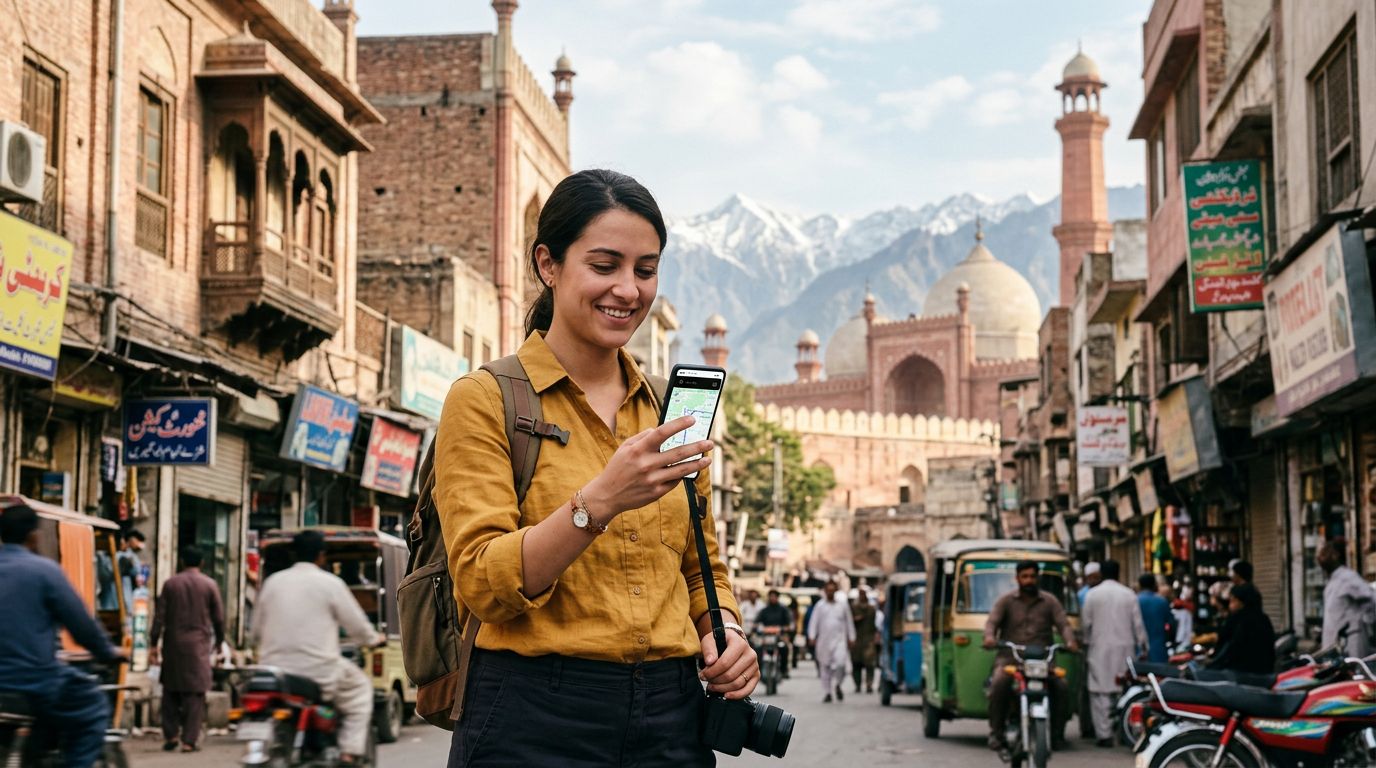
Traveling to Pakistan offers an incredible experience, from the bustling streets of Lahore to the serene, towering peaks of the Karakoram range. However, staying connected while moving between these diverse landscapes can be a significant hurdle for international visitors. Many travelers arrive expecting their home mobile service to work seamlessly, only to find that roaming charges are exorbitant or that their device simply fails to latch onto a local network.
The telecommunications infrastructure in Pakistan is robust in major urban centers, but the experience can vary significantly as you move into mountainous regions or rural areas. Relying on public Wi-Fi is rarely a viable strategy. While cafes and hotels in cities like Islamabad or Karachi often provide internet access, these connections are frequently unsecured, slow, or restricted by time limits. Furthermore, relying on public networks puts your sensitive data at risk. For a traveler, having a reliable, private, and consistent data connection is not just a convenience—it is a necessity for using navigation apps, checking transport schedules, and keeping in touch with family.
Traditional methods of obtaining data, such as purchasing a physical local SIM card at the airport, often involve long queues, tedious paperwork, and the requirement to provide your passport for manual registration. In some cases, you may even need to wait for activation periods that can span several hours. For someone who has just stepped off a long-haul flight, this is the last thing you want to deal with. This is why finding the best way to get data in Pakistan requires looking toward modern, digital solutions that prioritize efficiency and ease of use.
The Advantages of eSIM Technology for Travelers
The landscape of mobile connectivity has shifted significantly with the introduction of eSIM technology. An eSIM, or embedded SIM, is a digital version of the traditional physical SIM card. It is built directly into the hardware of modern smartphones, allowing you to activate a mobile plan without needing to handle a tiny piece of plastic or visit a physical retail store.
For those wondering about the best way to get data in Pakistan, an eSIM is arguably the most efficient choice. Because the technology is software-based, you can purchase and install your data plan before you even leave your home country. Once you land at the airport, your phone will automatically connect to a supported local network, allowing you to bypass the kiosks and the registration lines entirely.
Compatibility is the primary prerequisite for using this technology. Most smartphones manufactured in the last few years support eSIM functionality. You can verify if your device is compatible by checking the settings menu on your phone or by consulting the official support documentation from your device manufacturer. If your phone is unlocked and supports eSIM, you are ready to enjoy the benefits of a seamless transition to a local network.
OneTapSIM provides a streamlined platform for accessing these digital plans. By choosing an eSIM, you maintain your primary phone number for calls or texts from home while dedicating the eSIM profile strictly to your data needs in Pakistan. This dual-SIM configuration ensures that you stay reachable while simultaneously enjoying high-speed internet for your maps, ride-sharing apps, and translation tools.
Practical Tips for Staying Connected Across Pakistan
Once you have secured your data plan, managing your usage is the final step in ensuring a smooth trip. Pakistan’s geography is diverse, and while coverage is excellent in cities, signal strength can drop in remote valleys or high-altitude trekking zones.
To maximize your data efficiency, consider adjusting your phone settings before you begin your journey. Start by disabling background app refreshes for non-essential applications. Many apps consume data in the background to update feeds or sync cloud storage, which can drain your data allowance unexpectedly. You can also download offline maps for the specific regions you plan to visit. Google Maps allows you to save large areas for offline use, which is a lifesaver when you are traveling through the northern areas where cellular signals might be intermittent.
Another important aspect of connectivity is battery management. Searching for a signal in a remote area consumes significant battery power. If you find yourself in a location with no service, toggling your phone into airplane mode can save your battery life until you reach an area where you know coverage is available.
Finally, always keep a secondary power bank in your daypack. Relying on your phone for GPS, photography, and communication means you will likely use more power than you would during a typical day at home. By combining a reliable eSIM plan from a provider like OneTapSIM with smart data management habits, you eliminate the stress of searching for connectivity. You gain the freedom to focus on the beauty of the Hunza Valley, the history of the Lahore Fort, or the vibrant markets of Peshawar, knowing that your digital connection is handled reliably and securely.
Choosing the right approach to mobile data is a fundamental part of travel planning. By moving away from the outdated process of physical SIM cards and embracing the flexibility of eSIMs, you ensure that your time in Pakistan is spent exploring the country rather than troubleshooting your phone settings. Whether you are a solo backpacker or traveling with a group, having instant, reliable data is the best way to ensure your trip is both safe and memorable.
Get an eSIM for
Plans for the destinations covered in this guide, with instant QR delivery.