Understanding Connectivity Challenges in Libya
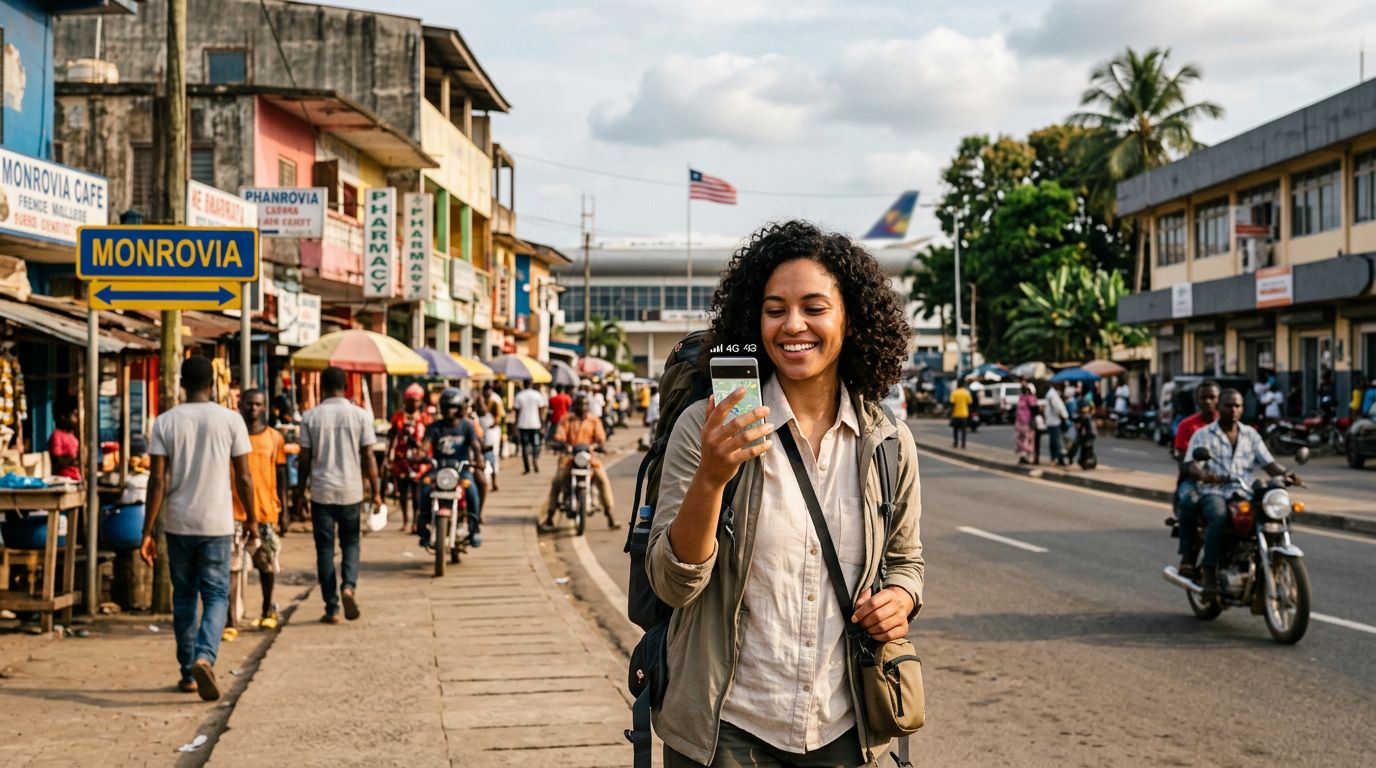
Traveling to Libya offers a unique opportunity to explore ancient Roman ruins, vast Saharan landscapes, and vibrant coastal cities. However, staying connected while moving through this North African nation requires some strategic planning. The telecommunications infrastructure in Libya has faced periods of instability, and while mobile coverage is available in major urban centers like Tripoli and Benghazi, rural areas and remote desert regions often lack reliable signals.
For most international visitors, the primary challenge is not just the availability of towers, but the administrative hurdles associated with obtaining a local physical SIM card. Purchasing a local card usually requires visiting a physical retail store, presenting your passport, and navigating language barriers. Furthermore, local networks may have specific registration requirements that can be time-consuming for a short-term traveler. Because of these complexities, many visitors find that relying on roaming or local physical cards is less efficient than modern digital alternatives.
The Advantages of eSIM Technology for Travelers
The landscape of mobile connectivity has shifted significantly with the introduction of eSIM technology. An eSIM is a digital version of a traditional SIM card that is embedded directly into your smartphone’s hardware. Instead of swapping out a tiny plastic chip, you simply download a profile to your device, which allows you to connect to local networks without the need for physical hardware.
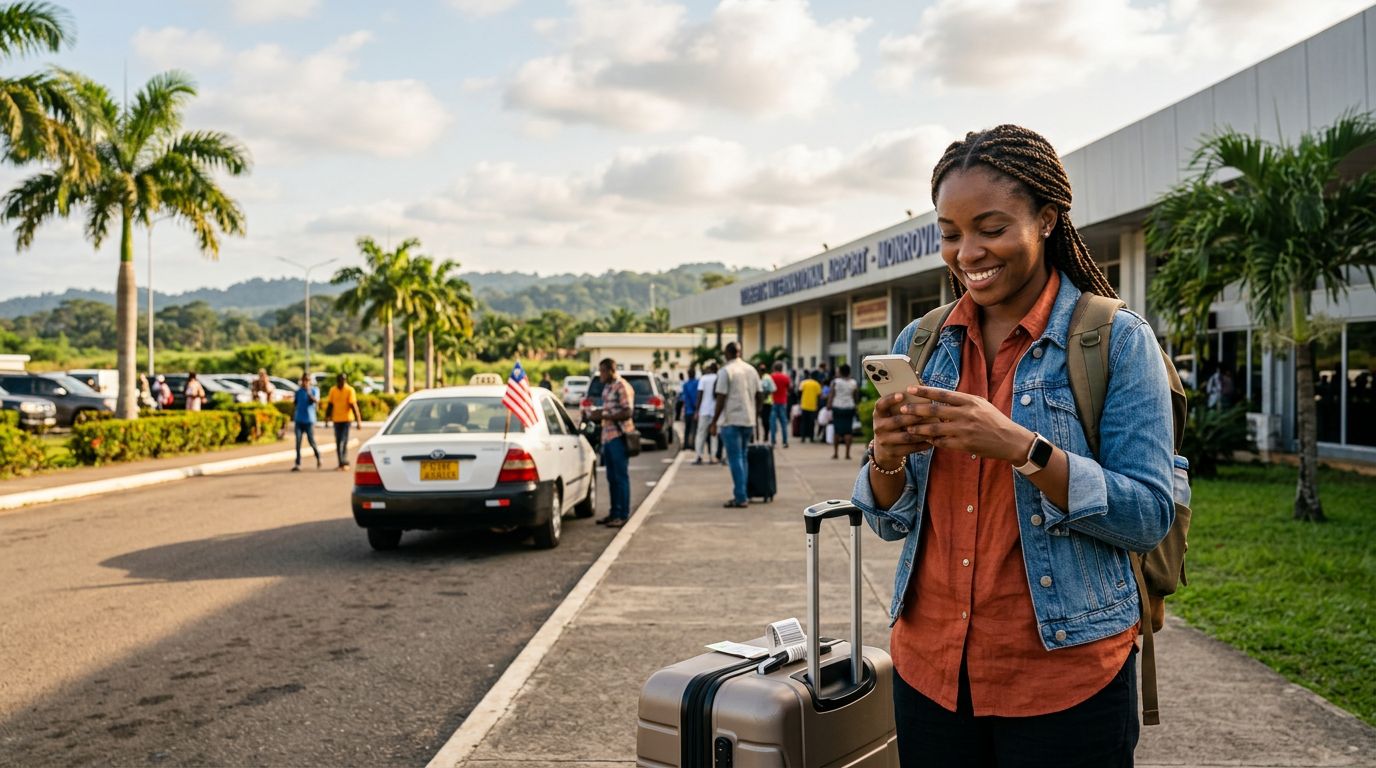
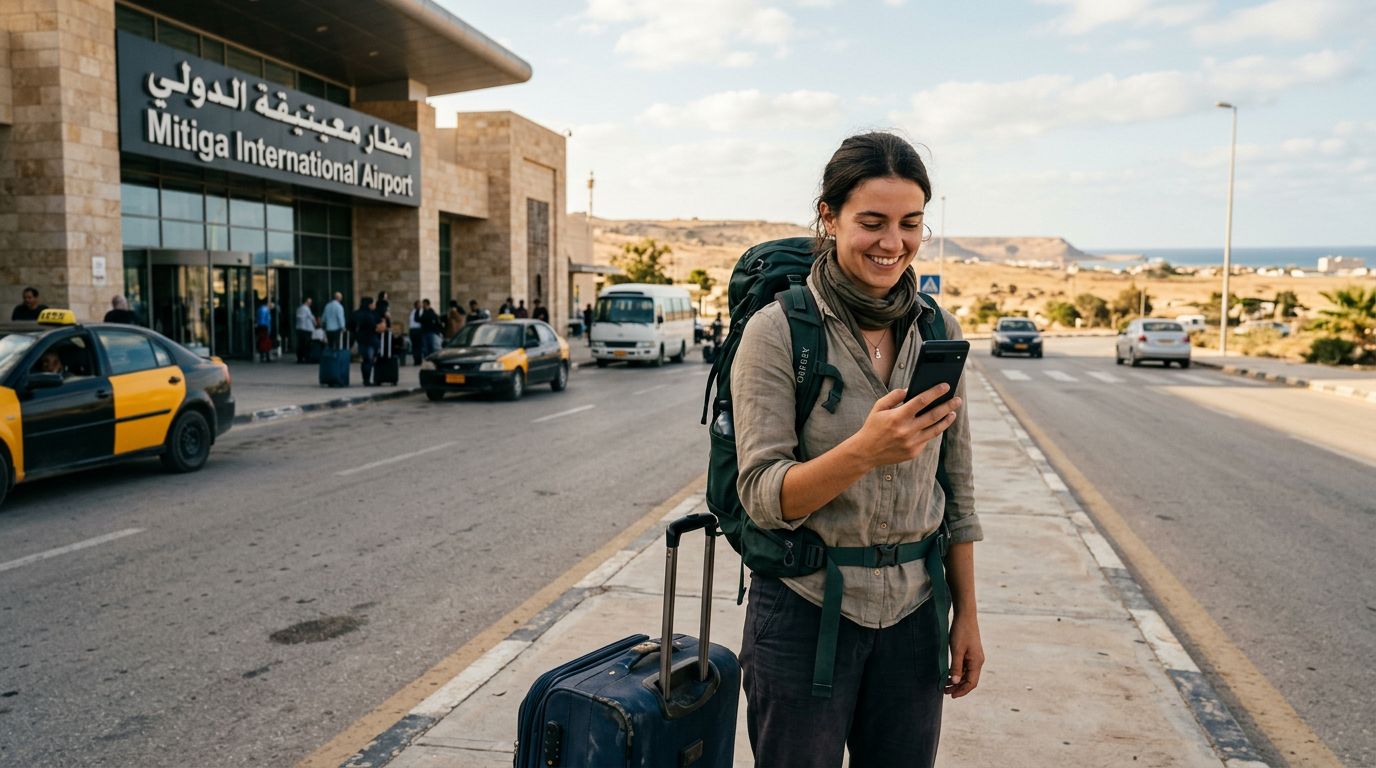
This technology is particularly beneficial for those visiting countries where physical SIM acquisition is cumbersome. With an eSIM, you can manage your connectivity before you even board your flight. By selecting a provider that offers coverage in your destination, you can ensure that your phone is ready to connect the moment you land. This eliminates the need to hunt for a kiosk at the airport or wait in line at a mobile provider’s office.
Compatibility is the first step. Most modern smartphones, including recent models from major manufacturers, support this feature. You can verify your device’s capabilities by checking the settings menu on your phone or by visiting the official support pages for your device manufacturer, such as Apple or Google. If your phone is carrier-unlocked and eSIM-ready, you are already halfway to a seamless experience.
Why OneTapSIM is the Best Way to Get Data in Libya
When considering the best way to get data in Libya, convenience and reliability are paramount. OneTapSIM provides a streamlined solution that removes the friction typically associated with international travel connectivity. By utilizing a digital-first approach, travelers can bypass the local registration processes that often complicate the acquisition of physical SIM cards.
OneTapSIM allows you to activate your data plan through a simple digital process. Once you have selected your plan, you receive instructions to install the profile, which is usually done via a QR code or a manual activation string. This process is designed to be user-friendly, ensuring that you spend less time configuring your device and more time enjoying your trip.
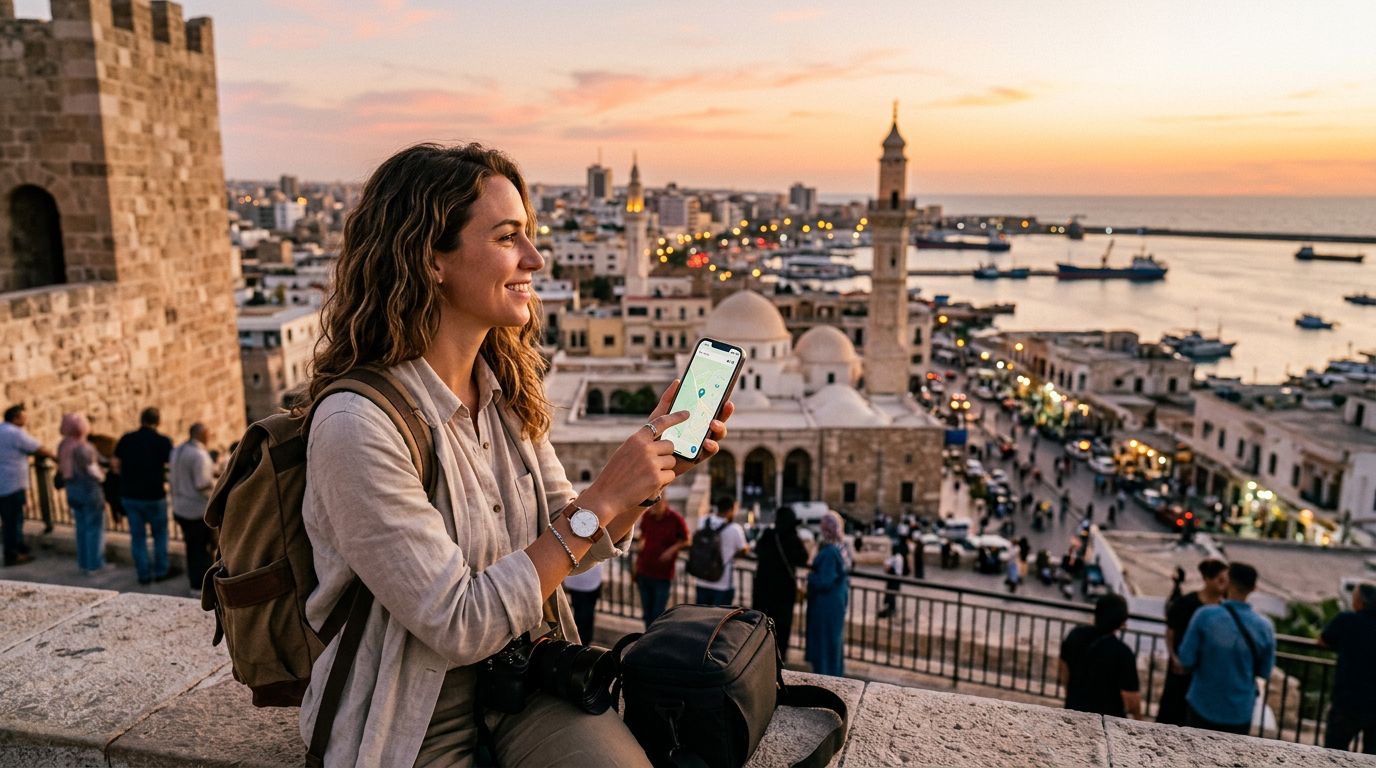
Beyond the ease of setup, using a dedicated eSIM service provides a layer of security and predictability. When you rely on a service like OneTapSIM, you are not dependent on finding a reliable local vendor or dealing with the potential inconsistencies of local prepaid cards. You have a clear, pre-configured data package that works as soon as you arrive. This is especially useful in a country like Libya, where having a map, a translation app, or a messaging service available immediately upon arrival can significantly improve your safety and comfort.
Furthermore, keeping your primary SIM card active while using an eSIM for data allows you to continue receiving important calls or SMS messages on your home number, while your data traffic is routed through the local network. This dual-SIM functionality is a standard feature on most modern devices, making it the most efficient way to manage your communication needs abroad.
Practical Tips for Maintaining Connectivity
Once you have your eSIM installed and ready to go, there are a few best practices to ensure your data usage remains efficient throughout your stay in Libya. First, monitor your background data usage. Many apps, such as social media platforms and cloud storage services, tend to sync in the background, which can consume your data allowance quickly. You can manage this in your phone’s settings by restricting background data for non-essential applications.
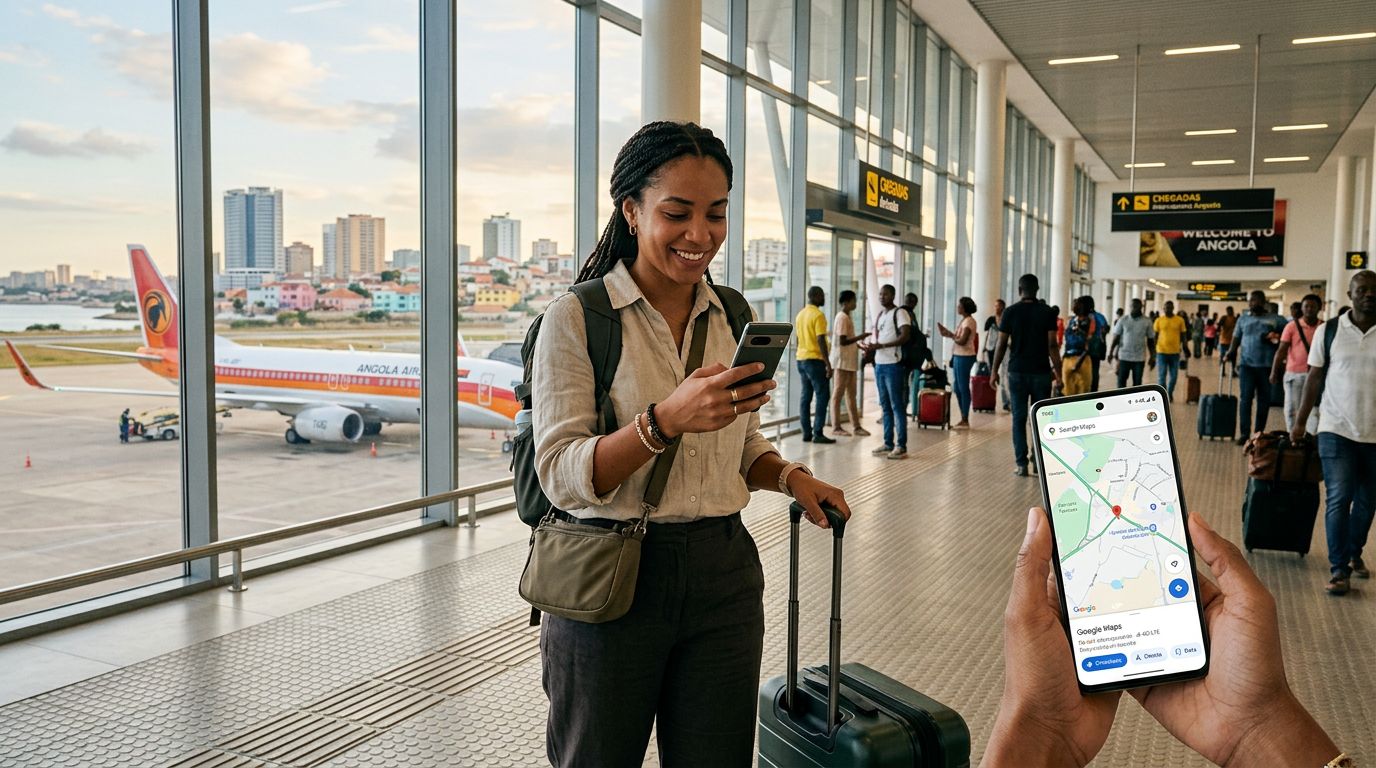
Second, download offline maps and essential documents before you leave your hotel or any location with stable Wi-Fi. While mobile data is essential for real-time navigation, having offline access to maps of Tripoli or the surrounding archaeological sites provides a reliable backup if you move into an area with weaker network coverage.
Third, be mindful of your battery life. Constantly searching for a signal in remote areas can drain your phone’s battery faster than usual. If you are traveling into the desert or remote regions, consider carrying a portable power bank. Additionally, if you find yourself in an area with no signal, switching your phone to airplane mode can prevent it from continuously scanning for a connection, thereby preserving your battery for when you reach a more populated area.
Finally, always keep your digital profile information accessible. While the installation process is straightforward, having a copy of your QR code or activation details stored in a secure cloud folder or printed out can be a lifesaver if you ever need to reset your device or re-add the eSIM.
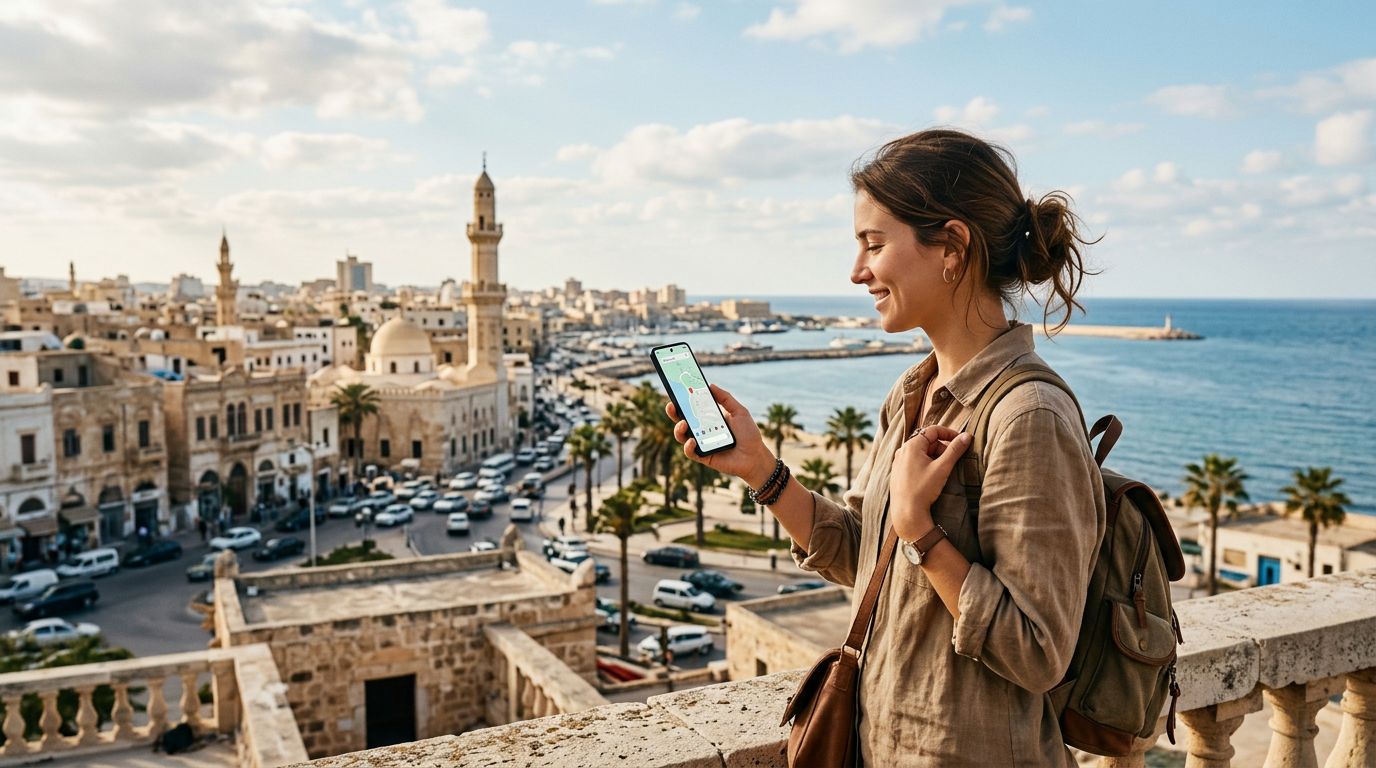
By preparing in advance and choosing a reliable digital solution, you can focus on the rich history and culture of Libya rather than worrying about your mobile connectivity. Whether you are wandering through the ancient streets of Leptis Magna or navigating the bustling markets of the capital, having a consistent data connection ensures that you stay informed, safe, and connected throughout your journey.
Get an eSIM for
Plans for the destinations covered in this guide, with instant QR delivery.