Understanding Your Connectivity Options in Bermuda
Planning a trip to Bermuda involves more than just packing swimsuits and sunscreen. Staying connected while exploring the island’s pink-sand beaches and historic streets is essential for navigation, sharing photos, and keeping in touch with home. Travelers generally choose between two primary methods for mobile data: the traditional physical SIM card or the modern digital eSIM.
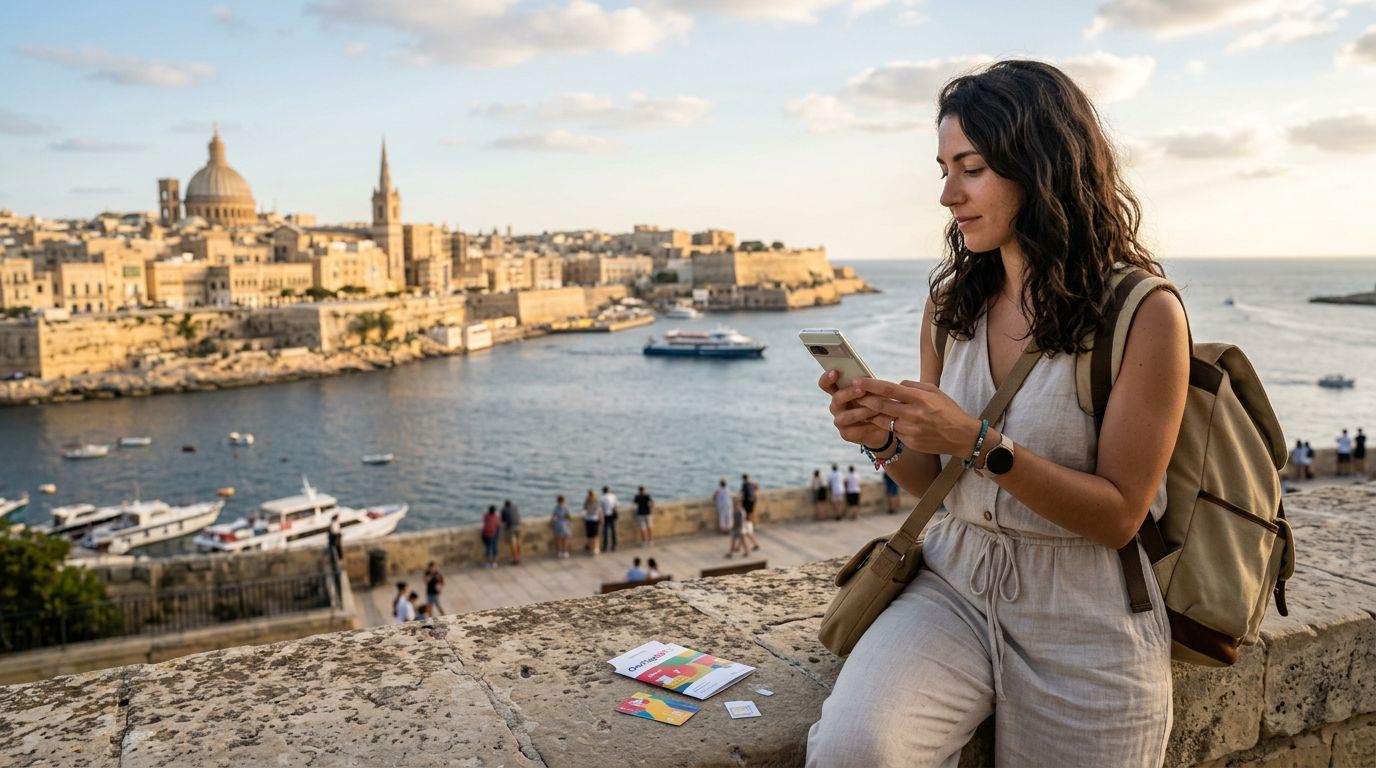
A physical SIM card is a small, removable chip that you insert into your device. To use one in Bermuda, you typically visit a local provider’s store upon arrival, present your identification, and swap out your home SIM card. This method has been the standard for decades, offering a reliable connection that works as long as your phone is unlocked. However, it requires handling tiny hardware that is easy to lose and necessitates keeping your original SIM card in a safe place throughout your trip.
An eSIM, or embedded SIM, functions as a digital version of that physical card. It is built directly into the hardware of modern smartphones. Instead of visiting a store, you download a data profile to your device, which activates your connection instantly. This technology allows you to keep your primary phone number active for calls and texts while using a secondary data-only profile for your internet needs. For many travelers, this convenience makes the eSIM a superior choice for Bermuda, as it eliminates the need to hunt for a kiosk at the airport or deal with physical card slots.
Comparing Convenience and Practicality
When evaluating the Bermuda SIM card vs eSIM for travelers debate, convenience is often the deciding factor. The physical SIM card process is inherently tied to business hours and physical locations. If your flight arrives late at night or on a weekend, you might find local shops closed, leaving you without data until the next business day. Furthermore, the process of removing your home SIM card carries the risk of losing it, which can cause significant stress when you return home and need to reactivate your original service.
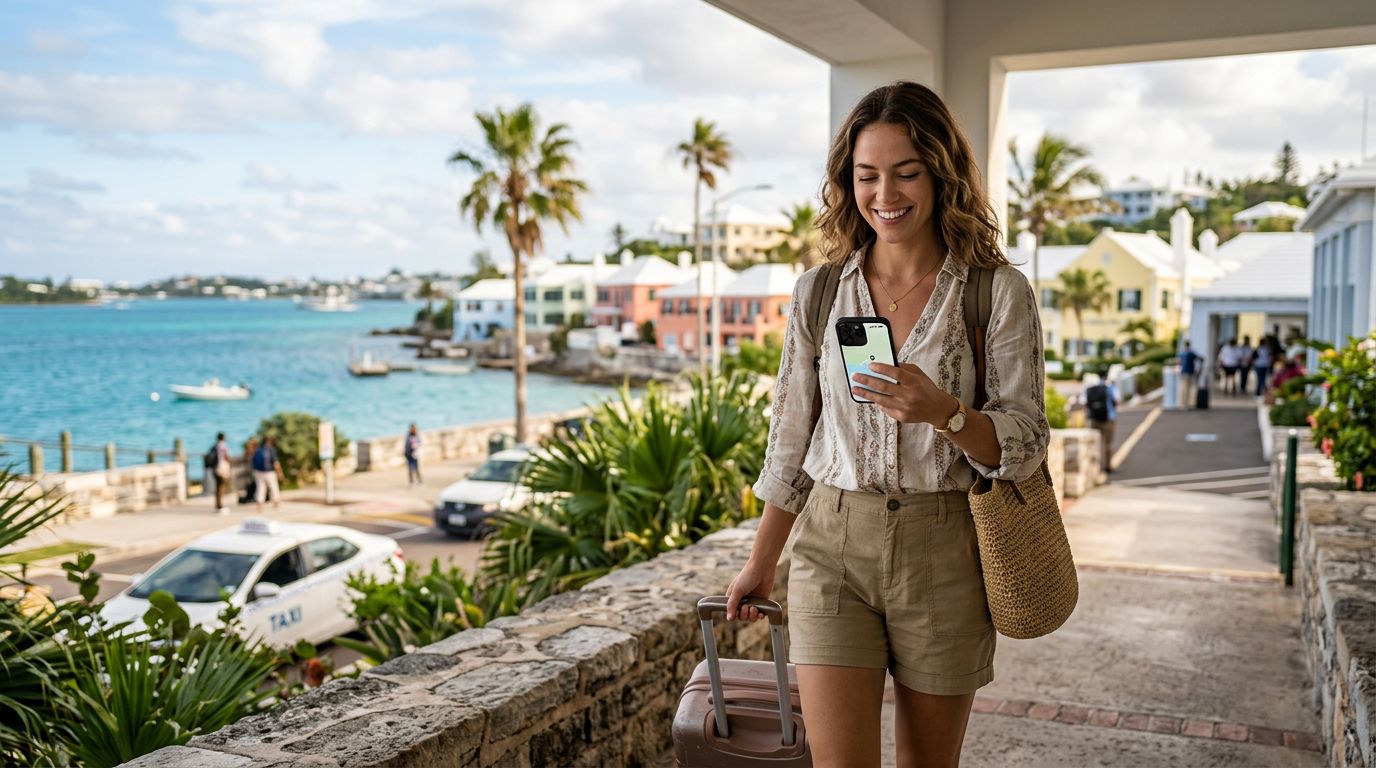
eSIMs, such as those provided by OneTapSIM, remove these logistical hurdles. You can purchase and install your data plan before you even leave your home country. Once you land in Bermuda, you simply switch to your eSIM profile in your phone’s settings, and your connection is established within moments. This is particularly useful for travelers who rely on ride-sharing apps, maps, or translation tools the moment they step off the plane.
Another practical advantage of the eSIM is the ability to manage multiple profiles. If your travel itinerary includes a stopover in another country before or after Bermuda, you can pre-load data plans for each destination. Your phone will manage the switching process seamlessly. With a physical SIM, you would be forced to carry a collection of tiny plastic cards and physically swap them at every border crossing, which is both cumbersome and prone to error.
Technical Requirements and Compatibility
Before deciding between these two options, you must ensure your device is compatible. Physical SIM cards work in almost any mobile phone manufactured in the last two decades. As long as your phone is not carrier-locked to a specific provider, a local Bermuda SIM will work perfectly. If you are unsure if your phone is locked, contact your home carrier before your trip to request an unlock.
eSIM technology is newer, meaning it is primarily available on devices released in the last several years. Most flagship smartphones from major manufacturers now support eSIMs. You can verify your device's capability by checking your phone’s cellular settings menu. If you see an option to "Add eSIM" or "Add Cellular Plan," your device is ready to use this technology. For specific instructions on how to manage these settings, you can consult the official support pages provided by Apple or Google.
OneTapSIM provides a streamlined experience for those with compatible devices. By focusing on the digital delivery of connectivity, the service ensures that you spend less time configuring your phone and more time enjoying the island. While physical SIM cards remain a viable backup for older devices, the industry is clearly shifting toward digital solutions. The ease of installation, combined with the ability to maintain your home number for essential SMS verification codes or urgent calls, makes the eSIM the preferred choice for modern travelers visiting Bermuda.
Final Considerations for Your Trip
Choosing the right connectivity method depends on your specific needs and your phone's capabilities. If you are traveling with an older device that lacks eSIM support, a local physical SIM card is your only path to affordable data. In this case, research the local providers in Bermuda ahead of time to identify the most convenient pickup locations.
However, if you own a modern smartphone, the benefits of an eSIM are difficult to ignore. The ability to bypass airport queues, avoid the risk of losing your home SIM, and activate your service before departure provides a level of peace of mind that physical cards cannot match. By choosing a reliable service like OneTapSIM, you can ensure your data connection is ready the moment you arrive.
Regardless of which method you choose, always remember to monitor your data usage. Even with generous plans, streaming high-definition video or downloading large files over cellular data can deplete your allowance quickly. Most smartphones allow you to track your data consumption in the settings menu, helping you stay within your limits. By preparing your connectivity strategy before you depart, you can focus on the crystal-clear waters and vibrant culture of Bermuda, knowing that your digital connection is secure and ready whenever you need it.