The Evolution of Connectivity in Taiwan
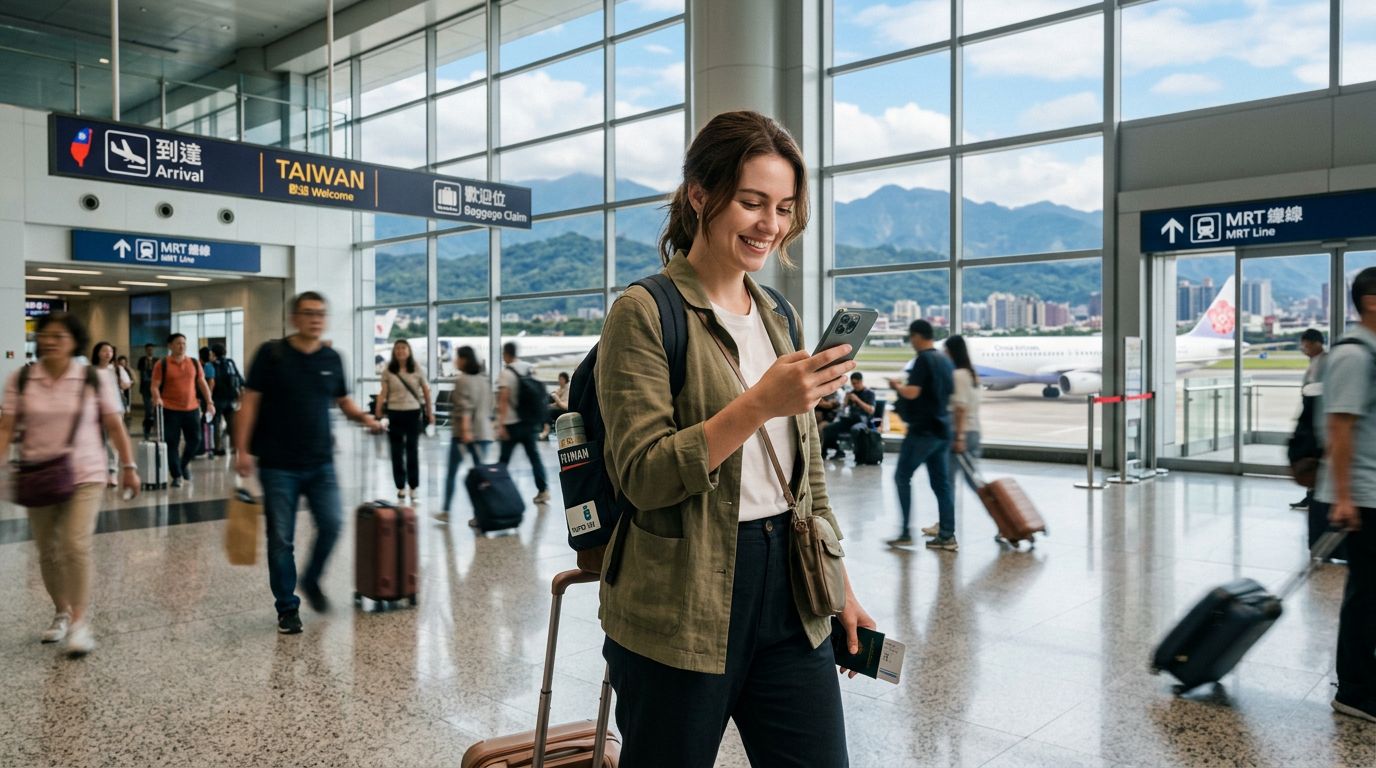
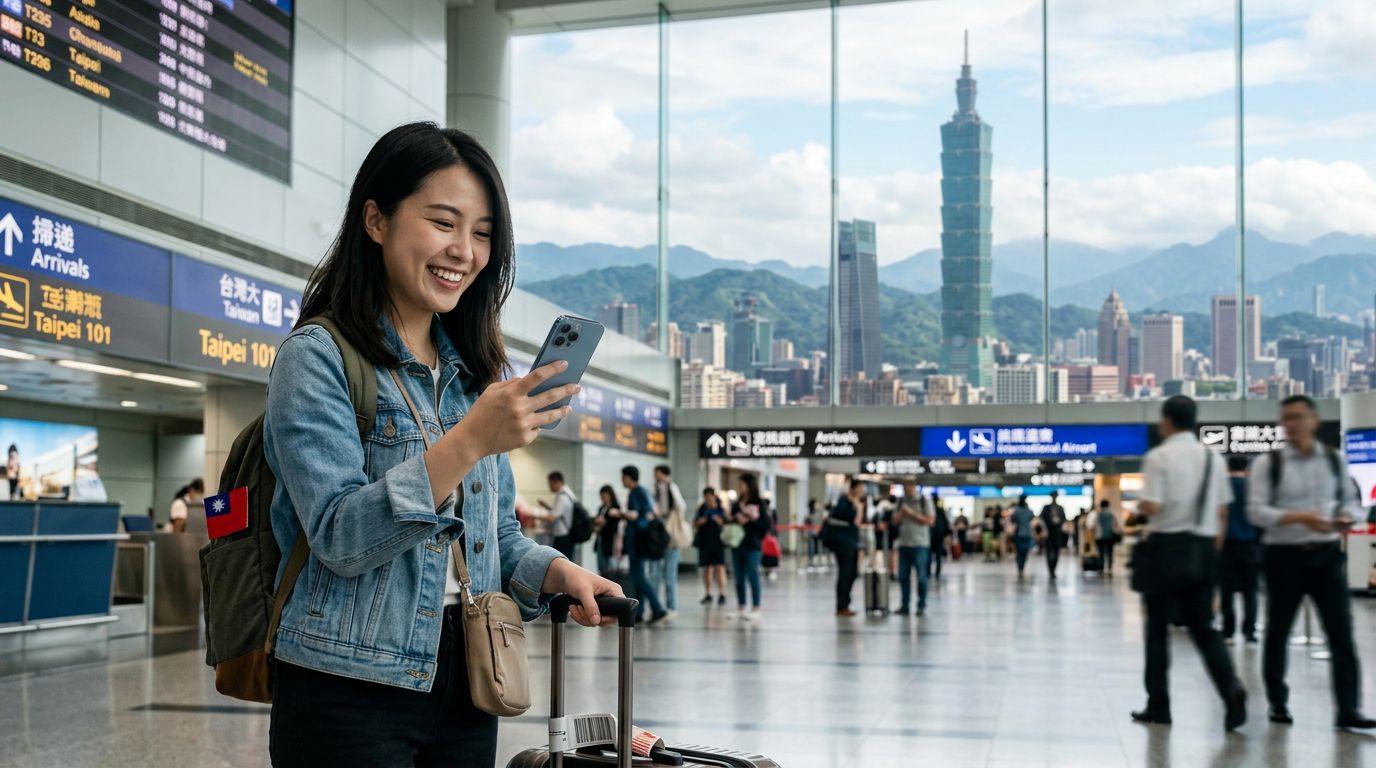
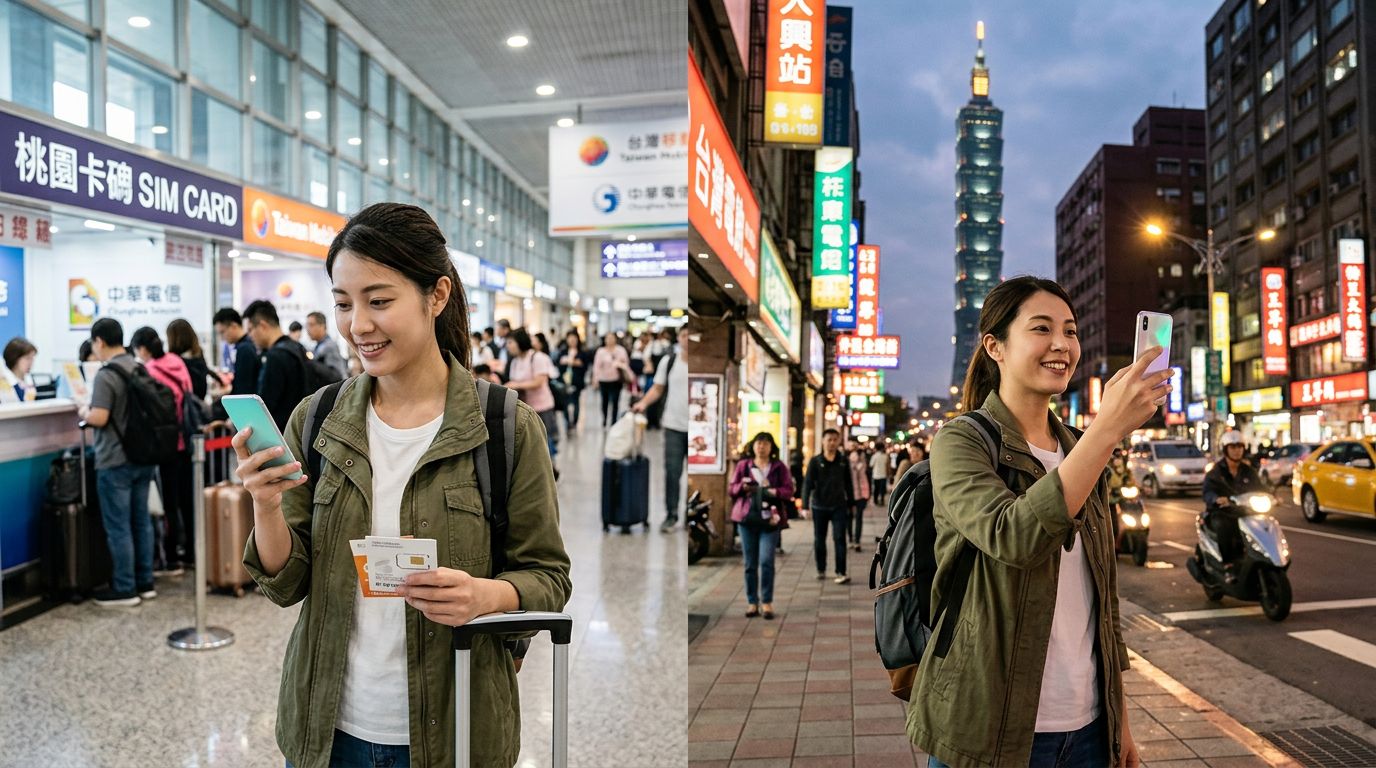
Taiwan is a destination that demands constant connectivity. Whether you are navigating the intricate labyrinth of Taipei’s night markets, checking train schedules for the high-speed rail, or using translation apps to bridge language gaps, having a reliable internet connection is essential. For years, the standard procedure for international travelers landing at Taoyuan International Airport or Songshan Airport was to head straight to the telecommunications kiosks in the arrivals hall. These physical SIM counters became a rite of passage for tourists, offering a quick way to get a local number and data.
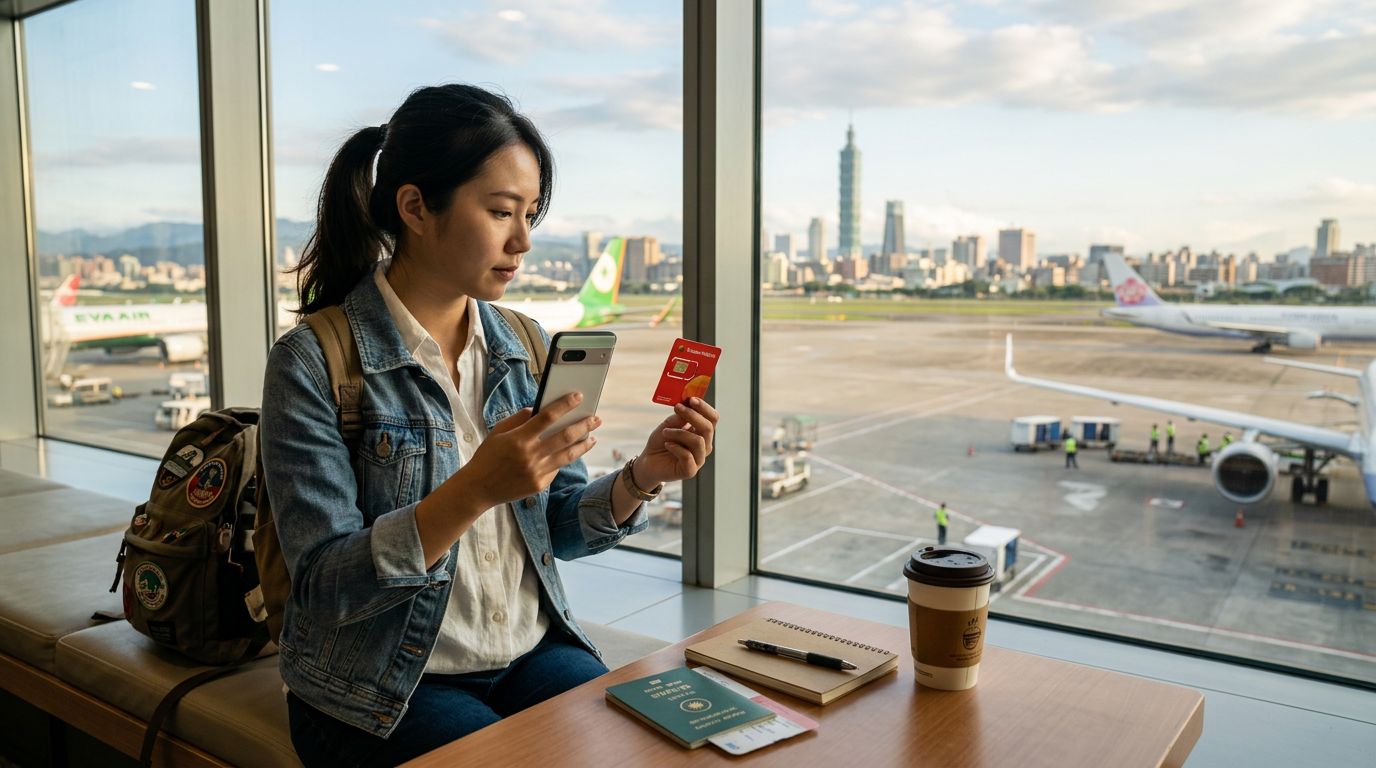
However, the landscape of mobile connectivity has shifted significantly. The emergence of eSIM technology has changed how travelers approach their digital needs. An eSIM, or embedded SIM, is a digital version of the traditional plastic card that is built directly into the hardware of modern smartphones. Because it functions entirely through software, it removes the need for physical swapping, which was once the only way to stay connected abroad. When comparing an airport SIM vs eSIM in Taiwan, travelers now have to weigh the convenience of a digital setup against the traditional experience of buying a physical card upon arrival.
Understanding the Physical Airport SIM Experience
Purchasing a physical SIM card at a Taiwanese airport is a straightforward process. Upon clearing customs and collecting your luggage, you will see rows of booths operated by major local carriers. These providers are well-versed in serving international tourists. The process typically involves presenting your passport, choosing a plan, and having a staff member insert a new plastic chip into your device.
The primary advantage of this method is the immediate support. If you encounter any technical issues during the activation process, the staff at the counter can troubleshoot your phone on the spot. Furthermore, these physical SIMs often come with a local phone number, which can be useful if you need to make local calls to restaurants or hotels.
However, there are notable drawbacks to this approach. The most significant is the time factor. Depending on the time of day and the number of incoming international flights, queues at these kiosks can be long. After a long-haul flight, standing in line for thirty minutes or more is rarely the ideal start to a vacation. Additionally, you must be careful with your original SIM card. Removing it from your phone creates a risk of losing it. If you misplace your home SIM, you could face significant headaches when trying to reactivate your primary service once you return home.
The Advantages of Choosing an eSIM
The shift toward eSIM technology has transformed the travel experience by prioritizing efficiency and flexibility. With an eSIM, you can purchase your data plan weeks before you even step onto the plane. By the time your wheels touch down in Taiwan, your phone is already configured to connect to a local network. This eliminates the need to hunt for a kiosk or wait in line.
One of the most compelling reasons to choose an eSIM is the ability to keep your home SIM active. Many modern smartphones allow for dual-SIM functionality, meaning you can keep your primary number active for incoming texts or emergency calls while using your eSIM for data. This is particularly beneficial for travelers who need to receive two-factor authentication codes from their banks or other services back home.
OneTapSIM provides a seamless way to manage this transition. By using a digital service, you avoid the physical clutter of multiple SIM cards and the risk of losing your original hardware. The activation process is usually as simple as scanning a QR code or following a push-notification prompt. This digital-first approach aligns with the way most travelers manage their itineraries today—through apps and online bookings.
When considering the airport SIM vs eSIM in Taiwan debate, it is also worth noting the environmental impact. Physical SIM cards require plastic manufacturing, packaging, and shipping, all of which contribute to waste. An eSIM is entirely digital, making it a more sustainable choice for the eco-conscious traveler.
Making the Final Decision
Choosing between these two methods ultimately comes down to your personal comfort with technology and your specific travel needs. If you possess a smartphone that is eSIM-compatible, the digital route is almost always superior in terms of convenience and peace of mind. You gain the ability to land in Taiwan and immediately access maps, ride-sharing apps, and messaging services without having to navigate a busy airport terminal to find a service desk.
If you are traveling with an older device that does not support eSIM technology, or if you feel more comfortable having a physical card provided by a local representative, the airport kiosks remain a reliable fallback. However, for the vast majority of modern smartphone users, the transition to eSIM is a logical upgrade.
Before you depart, ensure your phone is carrier-unlocked. This is a common hurdle for many travelers; if your phone is locked to a specific home network, it will not accept a local Taiwanese SIM or an eSIM from a third-party provider. Check your device settings or contact your home provider to confirm your status before you travel.
Once you have confirmed compatibility, the process of setting up your connection becomes a minor task that you can complete from the comfort of your home. By choosing an eSIM, you reclaim the time you would have spent waiting in an airport queue and use it to start your Taiwanese adventure the moment you walk out of the terminal. Whether you are heading to the mountains of Alishan or the bustling streets of Kaohsiung, having your data ready to go ensures that your trip remains smooth, connected, and stress-free. The convenience of pre-planning with a service like OneTapSIM allows you to focus on the experience of the culture, food, and landscapes of Taiwan rather than the logistics of staying online.