Understanding the Differences Between Physical SIMs and eSIMs
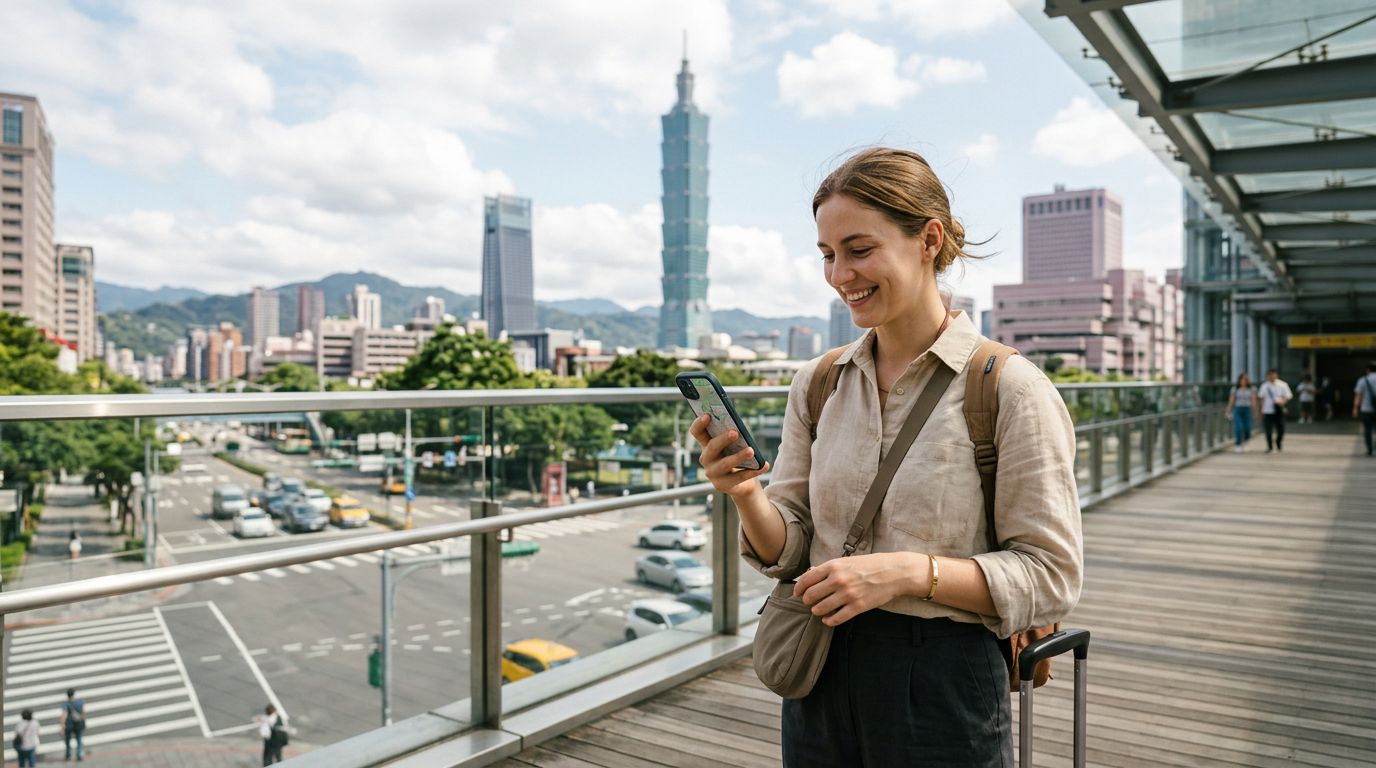
When planning a trip to Taiwan, connectivity is often at the top of the priority list. With its high-tech infrastructure and widespread digital services, having reliable internet access makes navigating night markets, finding train schedules, and using translation apps much easier. For travelers, the debate between a traditional physical Taiwan SIM card vs eSIM for tourists is a common point of confusion.
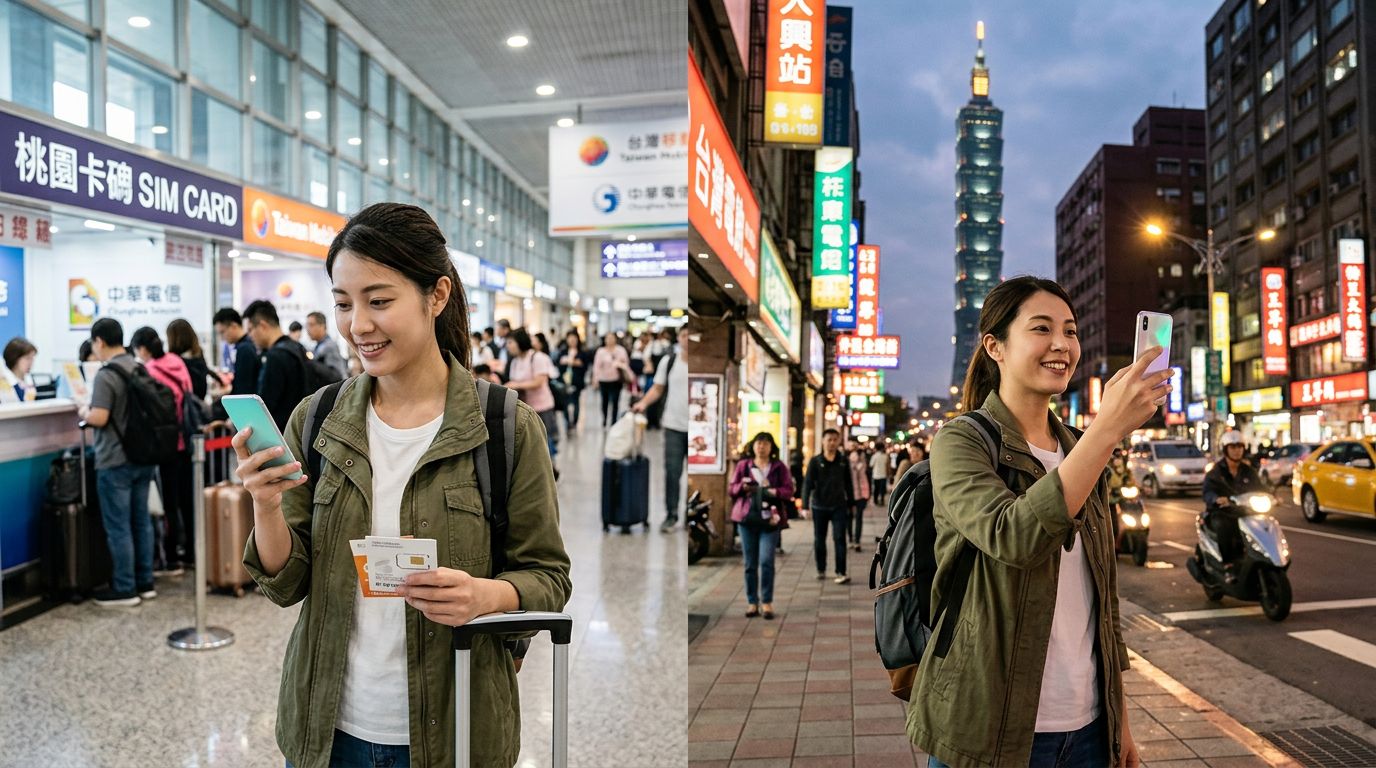
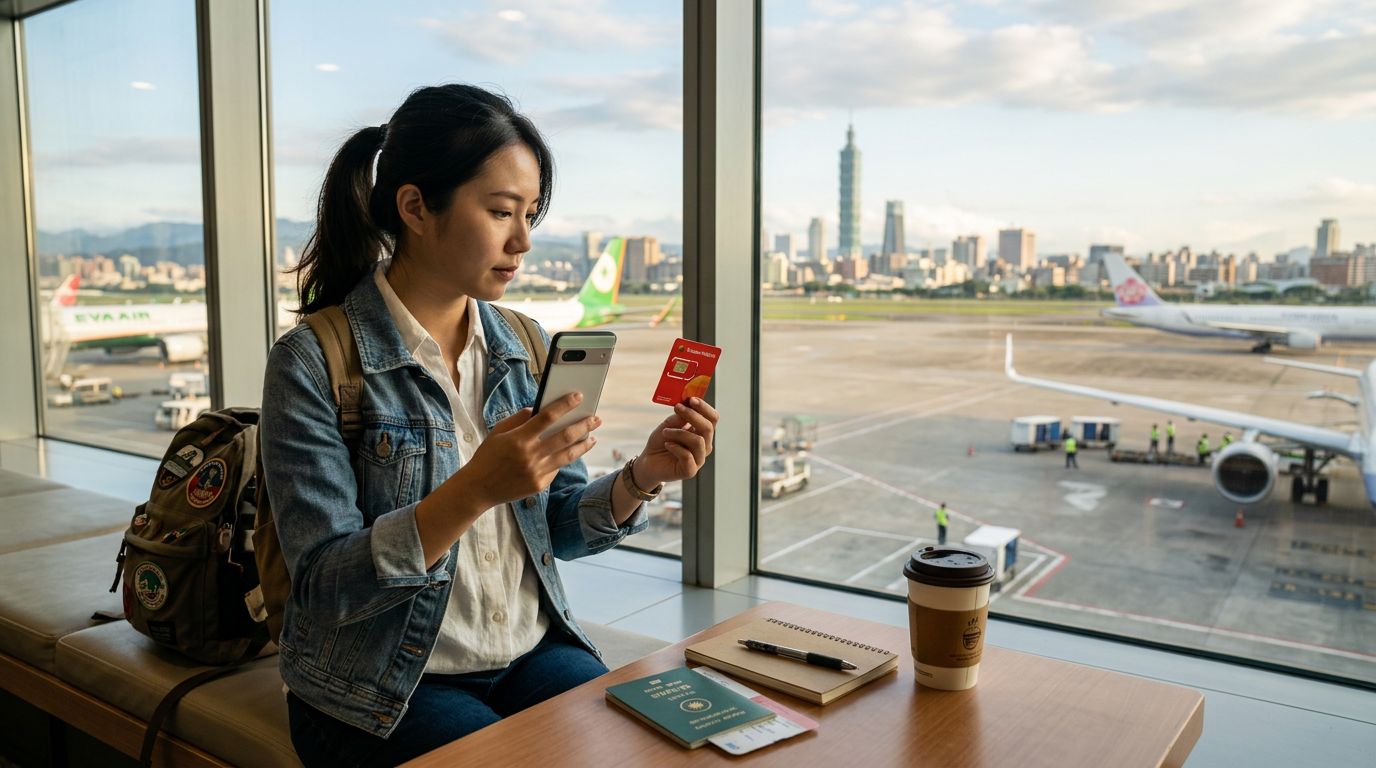
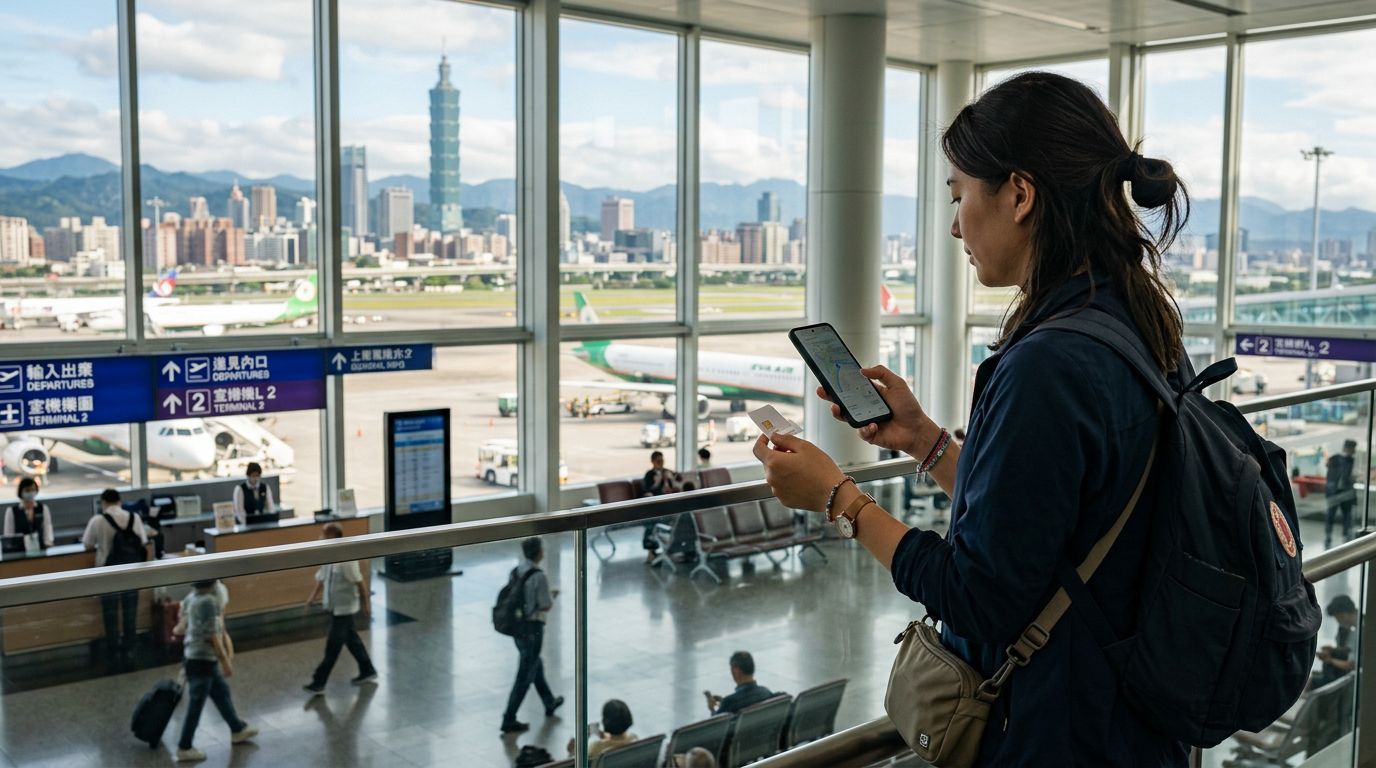
A physical SIM card is the standard plastic chip you have used in mobile phones for years. To use one in Taiwan, you must visit a kiosk at the airport or a local mobile provider store, present your passport, and physically swap the card into your device. This process involves handling a tiny piece of plastic that is easy to lose and requires you to keep your home SIM card somewhere safe while you travel.
An eSIM, or embedded SIM, is a digital version of that physical chip. It is built directly into the hardware of modern smartphones. Instead of swapping a physical card, you simply scan a QR code or enter a set of credentials to activate your data plan. Because it is software-based, you can purchase and install it before you even board your flight to Taipei. For many, the convenience of avoiding airport queues and the risk of losing their home SIM card makes the eSIM the superior choice.
The Practical Benefits of Choosing an eSIM for Taiwan
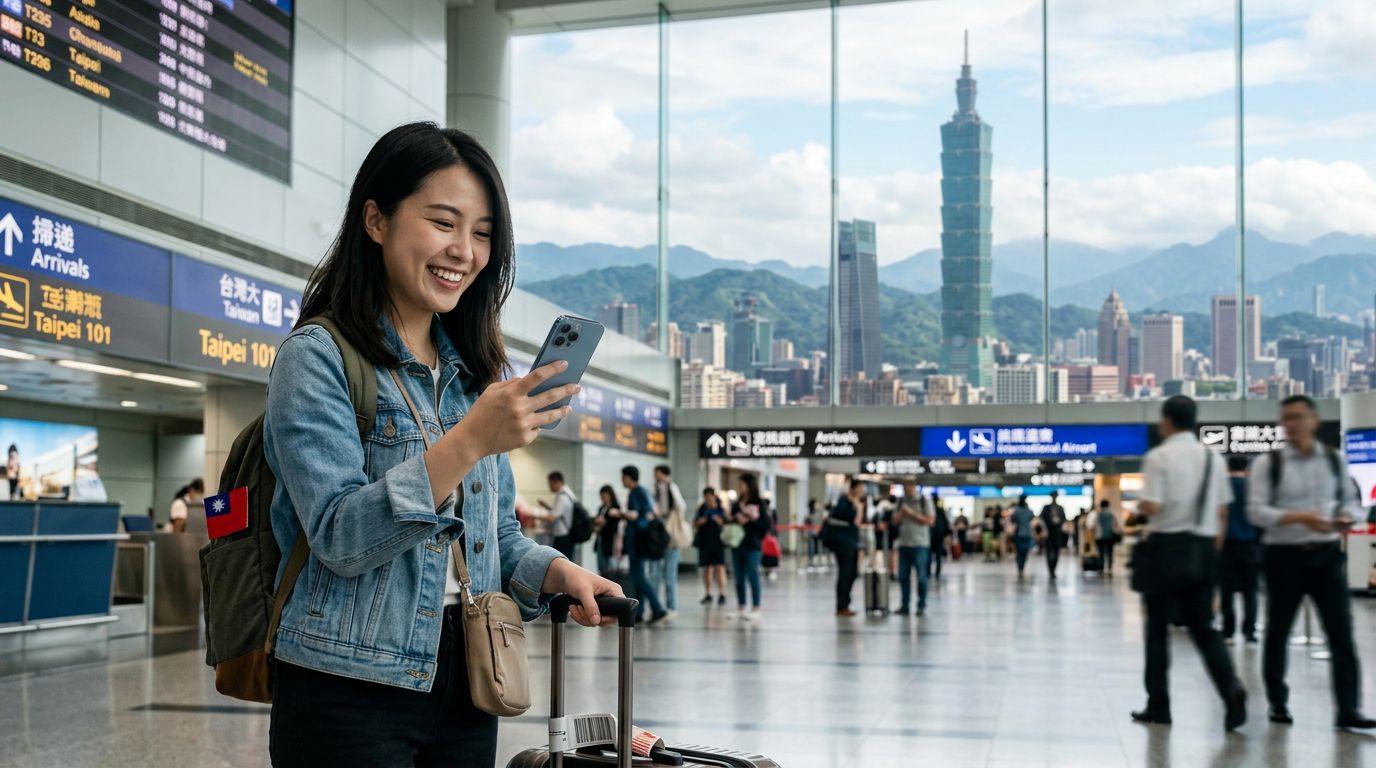
The primary advantage of using an eSIM for your Taiwan adventure is the seamless transition from your home country to your destination. When you land at Taoyuan International Airport, the last thing you want to do is hunt for a mobile counter, wait in a long line, and fumble with your phone’s SIM tray. With an eSIM, your connection is ready the moment the plane touches the ground.
Another significant benefit is the ability to keep your home number active. Many travelers worry about missing important calls or two-factor authentication codes while abroad. With a physical SIM, you are forced to remove your primary card, which means you lose access to your home network entirely. Most modern smartphones allow you to run an eSIM alongside your physical SIM. By setting your home SIM to "voice/text" and your eSIM to "data," you stay reachable on your primary number while enjoying high-speed local data for your maps and social media.
OneTapSIM provides a streamlined experience for travelers who want to avoid the technical headaches often associated with manual configuration. By offering clear installation instructions and reliable network coverage, this service ensures that your focus remains on exploring the tea plantations of Alishan or the bustling streets of Ximending rather than troubleshooting network settings. Because the eSIM profile is managed through your phone’s settings, you have full control over your data usage and can easily switch between profiles if your travel plans change.
Compatibility and Device Readiness
Before deciding between a physical Taiwan SIM card vs eSIM for tourists, you must confirm that your device is compatible. eSIM technology is standard in most flagship smartphones released in the last few years. If you are using a recent model from major manufacturers, it is highly likely that your device supports eSIM functionality. It is always a good idea to check your phone settings to ensure that the "Add eSIM" or "Add Cellular Plan" option is available.
One important factor to consider is whether your phone is carrier-locked. If you purchased your phone through a mobile carrier on a contract, it might be restricted to that provider’s network. A locked phone will not accept an eSIM from a different provider, regardless of whether it is a physical or digital card. You should contact your home carrier before your trip to ensure your device is unlocked for international use. This is a common pitfall that can leave travelers without service upon arrival.
If your device is older or restricted by your carrier, a physical SIM card remains a reliable fallback. However, for the vast majority of modern travelers, the digital approach is far more efficient. Once you have confirmed your device is unlocked and eSIM-compatible, the setup process takes only a few minutes. You can download your data package via Wi-Fi at home, and the profile will sit dormant until you activate it upon arrival in Taiwan. This "set it and forget it" approach is a major upgrade over the traditional methods of the past.
Making the Final Decision for Your Trip
When weighing the pros and cons of a Taiwan SIM card vs eSIM for tourists, the decision often comes down to your personal comfort with technology and your desire for convenience. If you prioritize speed, minimal physical clutter, and the ability to keep your home number active, an eSIM is the clear winner. The ability to manage your connectivity from your phone’s settings without needing to visit a physical shop provides a level of freedom that traditional SIM cards simply cannot match.
On the other hand, if you are using an older device that does not support eSIM technology, or if you feel more comfortable holding a physical card, a local SIM remains a perfectly functional option. Taiwan’s mobile providers are well-equipped to handle tourists, and you will find plenty of support at major transit hubs. However, keep in mind that physical cards are susceptible to damage and loss, and they require you to manage the small plastic tray and the pin tool needed to open it.
As you prepare for your trip, consider how much you value your time. Spending an hour in a line at the airport after a long flight is rarely how anyone wants to start their vacation. By choosing a digital solution, you reclaim that time for your first meal of beef noodle soup or a visit to Taipei 101. Whether you choose a physical card or an eSIM, the most important thing is ensuring you have a reliable way to stay connected. For those who want a hassle-free, modern solution, OneTapSIM offers the reliability and ease of use required to make your Taiwan trip as smooth as possible. With your connectivity sorted, you are free to enjoy the incredible food, culture, and scenery that Taiwan has to offer.