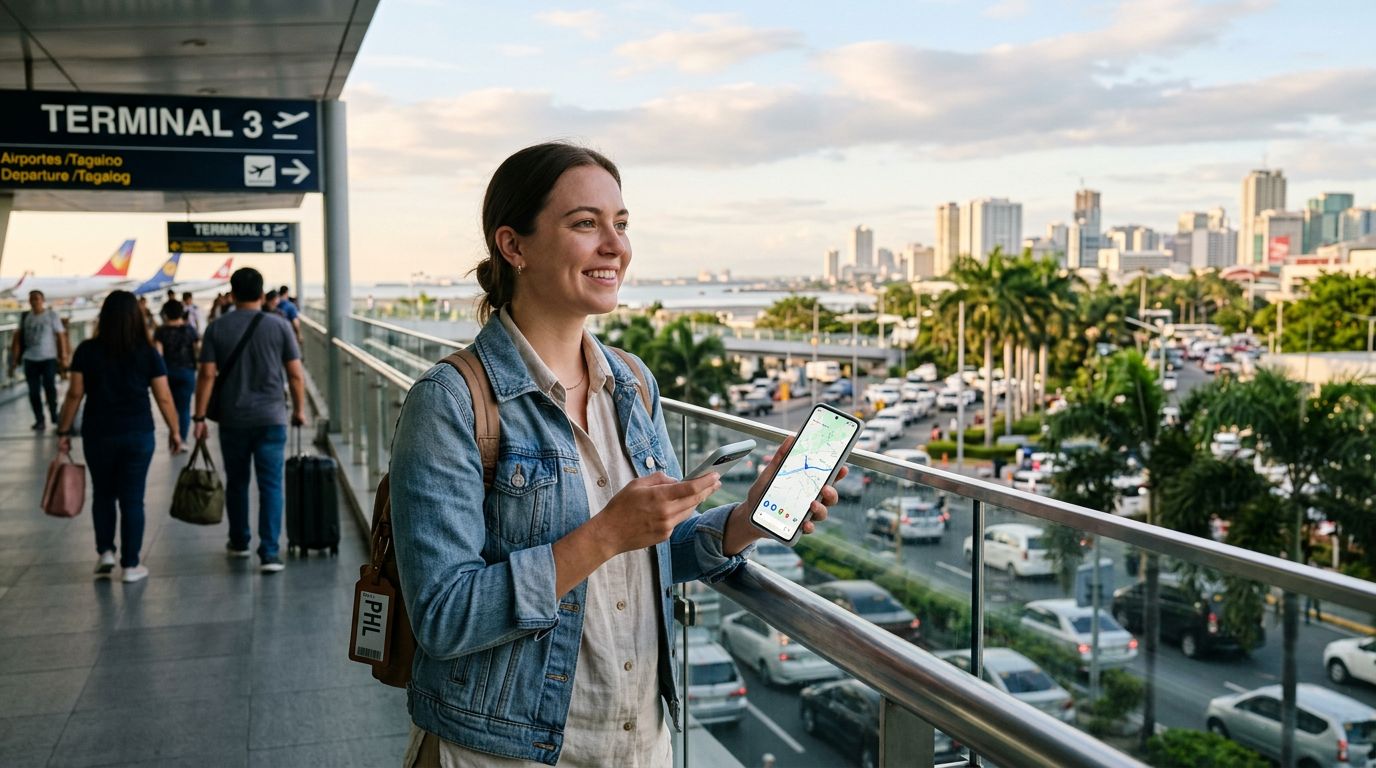
Denmark is a country defined by its efficiency, from the punctual trains in Copenhagen to the seamless digital infrastructure that powers the nation. For travelers arriving at Copenhagen Airport (CPH) or other entry points, the immediate need is connectivity. Whether you are navigating the intricate canals of the capital or venturing into the rolling landscapes of Jutland, having a reliable internet connection is essential for maps, translation apps, and booking transport.
When planning your trip, you will likely weigh the choice between picking up a physical SIM card at the airport or opting for a digital eSIM before you even board your flight. Understanding the differences between an airport SIM vs eSIM in Denmark can save you significant time and frustration.
The Reality of Airport SIM Cards
Upon landing at Copenhagen Airport, you will see various kiosks and convenience stores advertising tourist SIM cards. The convenience of these physical cards is often the primary selling point. You walk off the plane, find a shop, and have a clerk install a chip into your phone. However, this convenience comes with hidden friction that many travelers overlook until they are standing in a queue.
The first hurdle is the physical process. Airport kiosks are often crowded, especially during peak arrival times for international flights. You may find yourself waiting in line behind other travelers who are struggling with language barriers or technical issues. Once you reach the front, you must physically swap your home SIM card for the local one. This small, fragile piece of plastic is incredibly easy to lose. If you misplace your home SIM during the transition, you could face significant issues receiving important messages, such as two-factor authentication codes for your bank or email accounts, once you return home.
Furthermore, airport vendors often prioritize high-margin, short-term tourist packages that might not align with your actual data usage. You are essentially a captive audience, and the retail environment at an airport rarely offers the most competitive options. You also have to deal with the physical configuration of your device, which can occasionally lead to compatibility issues if your phone is locked to a specific carrier from your home country.
The Advantages of Choosing an eSIM
The shift toward eSIM technology has fundamentally changed how international travelers manage connectivity. An eSIM is a digital version of a SIM card that is embedded directly into your phone’s hardware. Because it is software-based, you can purchase and activate your data plan through a service like OneTapSIM long before you arrive in Denmark.
The most significant benefit is the seamless transition. As soon as your plane touches down at the runway, your phone can be configured to switch to your local Danish data plan automatically. There is no need to hunt for a shop, stand in a queue, or handle tiny plastic cards. You remain connected to your home network for essential calls or texts if necessary, while your data is routed through the local network, providing you with high-speed internet the moment you step into the terminal.
Security and convenience are also vastly improved. Since you do not need to remove your physical SIM card, the risk of losing it is eliminated. Managing your data usage becomes a digital task rather than a physical one. If you find yourself running low on data while exploring the museums of Aarhus or the beaches of Skagen, you can easily top up your plan through an app or website without needing to find a physical store. This level of control is particularly helpful for travelers who prefer to keep their itinerary flexible.
Making the Right Choice for Your Danish Adventure
When evaluating the airport SIM vs eSIM in Denmark debate, the decision usually comes down to your priorities regarding time and technical comfort. If you value spontaneity and want to avoid any administrative tasks upon arrival, the eSIM is the clear winner. It allows you to focus on your trip from the very first minute.
OneTapSIM provides a streamlined experience for travelers who want to bypass the airport chaos. By setting up your eSIM in advance, you ensure that your phone is ready for the local network as soon as you land. This is particularly beneficial in a country like Denmark, where public transport, bike-sharing apps, and digital museum tickets are the standard. Having reliable data allows you to utilize these services without searching for public Wi-Fi, which can often be insecure or spotty.
Compatibility is the only factor you must verify before choosing the digital route. Most modern smartphones support eSIM functionality, but it is always wise to check your device settings or the manufacturer's support pages to ensure your specific model is eSIM-ready. If your device supports it, the transition is straightforward. You simply scan a QR code or follow the activation steps provided by your service provider, and your phone handles the rest.
While physical SIM cards at the airport offer a tangible solution, they belong to an older era of travel. The modern traveler benefits from the agility of eSIM technology, which removes the physical barriers to connectivity. Whether you are visiting for a weekend city break or a multi-week tour of Scandinavia, starting your journey with an active data plan ensures that you can navigate, translate, and share your experiences without interruption. By preparing your connectivity in advance, you trade the stress of airport queues for the freedom to start exploring Denmark immediately upon arrival.
Get an eSIM for
Plans for the destinations covered in this guide, with instant QR delivery.