Understanding the Landscape: Roaming vs eSIM for Denmark
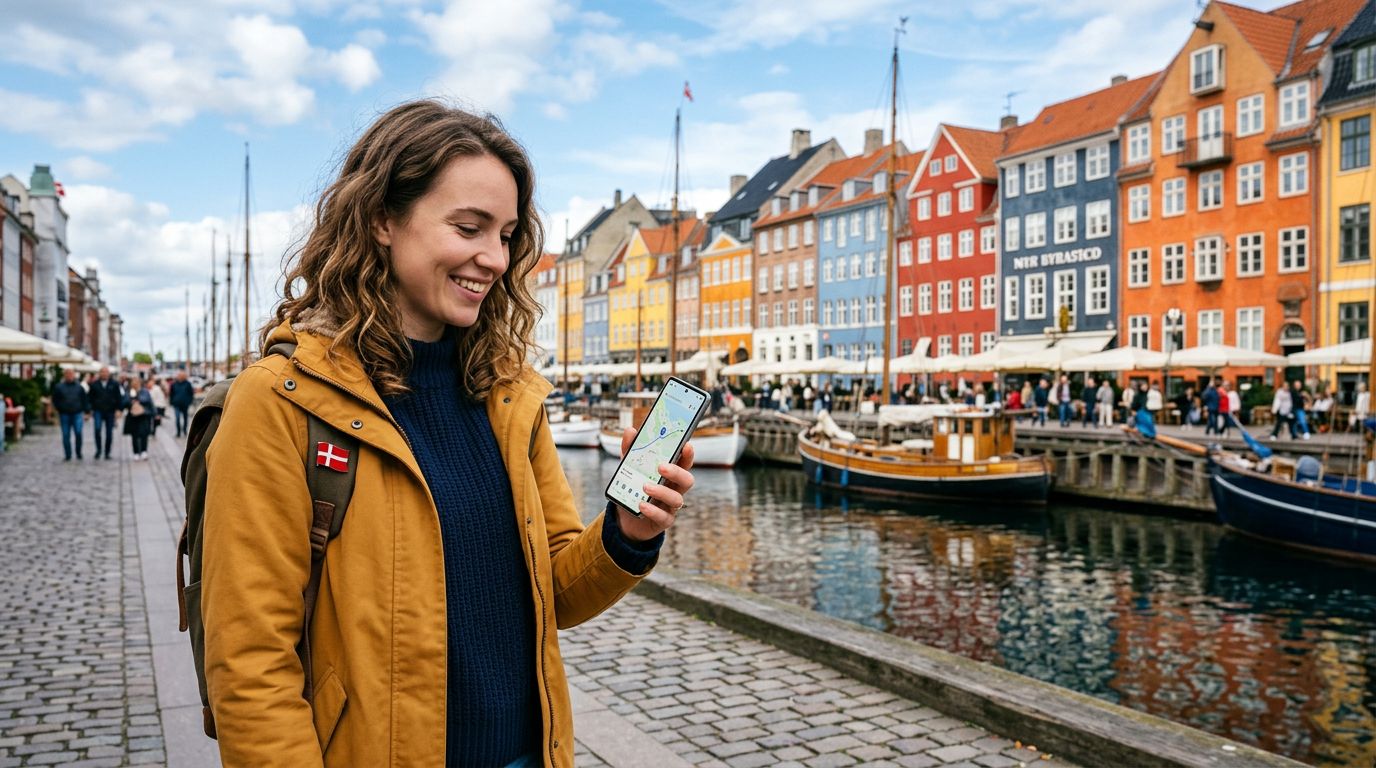
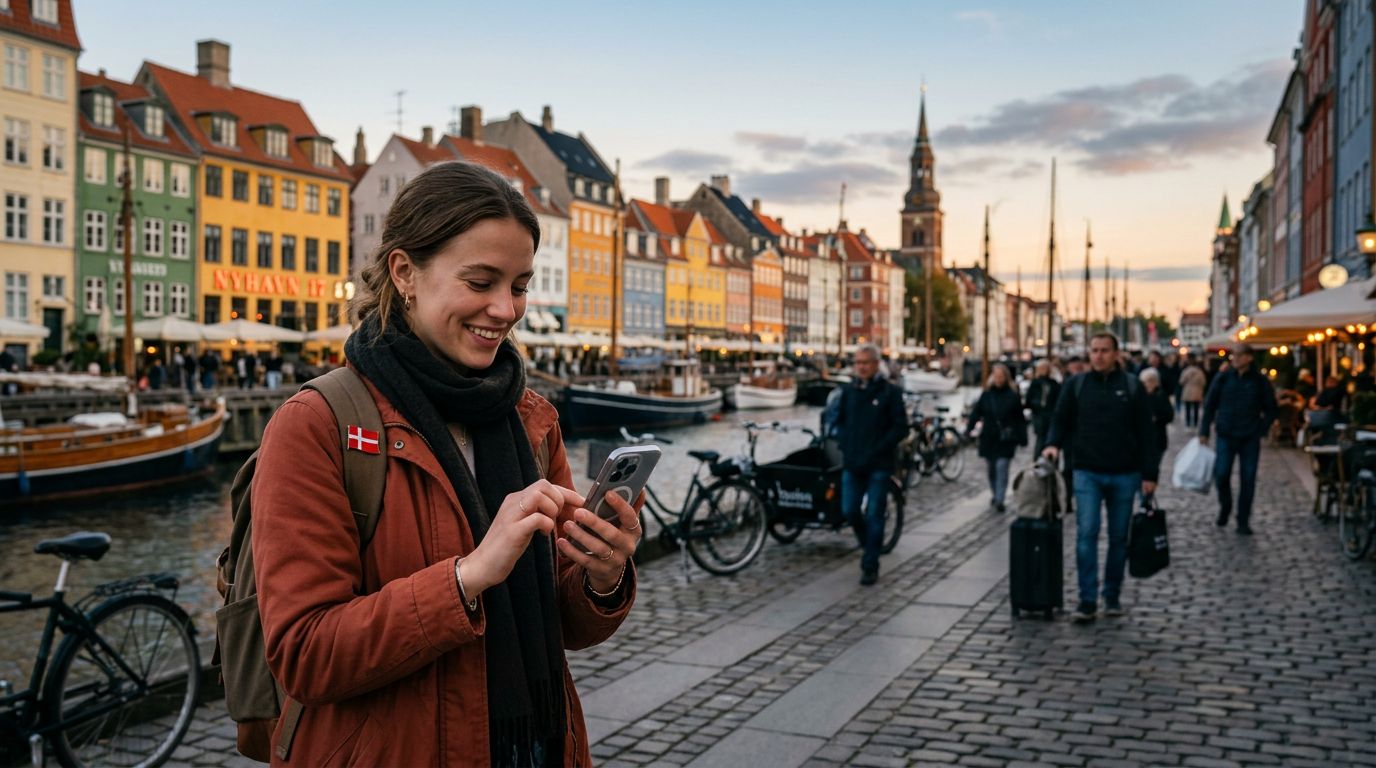
Denmark is a country that seamlessly blends historic charm with modern digital infrastructure. Whether you are exploring the colorful canal houses of Nyhavn in Copenhagen, cycling through the streets of Aarhus, or visiting the iconic beaches of Skagen, staying connected is essential. You need reliable internet to use navigation apps, translate menus, look up train schedules, and share your experiences with family back home.
When planning your trip, you will encounter two primary ways to stay connected: traditional international roaming provided by your home carrier and travel eSIMs. Understanding the differences between these options is the first step toward a stress-free vacation.
Traditional roaming involves your home mobile provider partnering with a Danish network operator. While this is often the default option because it requires no setup, it is frequently the most expensive and least transparent method. You are essentially at the mercy of your home carrier’s international agreements.
On the other hand, an eSIM—or embedded SIM—is a digital version of a physical SIM card. Instead of inserting a plastic chip into your phone, you download a data profile directly to your device. This allows you to connect to a local Danish network as if you were a resident, bypassing the high costs associated with your home carrier’s roaming agreements. Services like OneTapSIM allow travelers to install these profiles before they even depart, ensuring that you have a data connection the moment your plane touches down at Copenhagen Airport.
The Pros and Cons of Traditional Roaming
For many travelers, the primary appeal of traditional roaming is convenience. You do not have to download anything, change your settings, or worry about compatibility. You simply land in Denmark, turn on your phone, and your carrier automatically connects you to the local network.
However, this convenience comes with significant drawbacks. The most prominent issue is the lack of budget control. Many carriers charge daily fees or per-megabyte rates that can accumulate quickly if you are not careful. Even if you have an international plan, these often come with strict data caps or speed throttling once you exceed a certain threshold. If you accidentally leave background data updates enabled or stream a video, you could return home to a massive bill.
Another disadvantage is the lack of flexibility. You are tethered to your home carrier’s network partners. If your provider has a poor roaming agreement in Denmark, you might find yourself with slow speeds or limited coverage in rural areas. You also have no control over which network you connect to, meaning you cannot switch to a provider with better signal strength if you find yourself in a dead zone.
Furthermore, relying on your home carrier means your primary phone number remains active for incoming calls and texts, which can be a double-edged sword. While it is good to be reachable, you may also be hit with high charges for receiving calls or texts that you did not necessarily need to answer.
Why eSIM is the Modern Choice for Danish Travel
The rise of the eSIM has fundamentally changed how we approach international connectivity. Because an eSIM is purely digital, it offers a level of control and transparency that traditional roaming simply cannot match.
One of the greatest benefits of using an eSIM for your trip to Denmark is the ability to manage your data usage effectively. When you purchase a data package through a provider like OneTapSIM, you know exactly what you are getting. There are no hidden fees or surprise charges. You choose the amount of data that fits your needs, and you can monitor your usage directly through your phone’s settings.
Installation is straightforward. Most modern smartphones support eSIM technology, allowing you to scan a QR code or enter activation details to add a secondary data line. This means you can keep your primary SIM card active for essential calls or SMS while using your eSIM exclusively for data. This setup is perfect for travelers who want to use map applications, browse the web, and use social media without worrying about the cost of data roaming.
Another advantage is network quality. Travel eSIM providers often partner with multiple local carriers to ensure broad coverage across the country. In Denmark, this means you can enjoy the high-speed 4G and 5G networks that the country is known for. Whether you are in a bustling city center or exploring the quieter regions of Jutland, you are likely to have a stable and fast connection.
Finally, the environmental and physical benefits are worth noting. You do not need to hunt for a physical SIM card kiosk at the airport or deal with the tiny pins required to open your SIM tray. You avoid the risk of losing your home SIM card, which is a common headache when swapping plastic cards in and out of your device. With an eSIM, your physical SIM stays safely inside your phone, and the digital profile is managed entirely through software.
Making the Right Decision for Your Trip
Deciding between roaming and an eSIM depends on your specific needs, your phone’s compatibility, and your comfort level with technology. If you have an older device that does not support eSIM, you may be limited to traditional roaming or buying a physical local SIM card upon arrival. However, if you are using a modern smartphone, an eSIM is almost always the superior choice for a trip to Denmark.
To determine if your device is ready, check your phone’s settings menu under the cellular or mobile data section. If you see an option to "Add eSIM" or "Add Cellular Plan," your device is compatible. This simple check can save you a significant amount of money and stress during your travels.
When you use a service like OneTapSIM, you are essentially opting for a local-like experience. You get the reliability of a Danish network at a fraction of the cost of traditional roaming. You retain the ability to use your primary number for emergencies or important messages while enjoying the freedom of a dedicated data plan for your digital life on the road.
Ultimately, your trip to Denmark should be about enjoying the culture, the food, and the scenery, not worrying about your phone bill. By preparing your connectivity strategy before you leave, you ensure that you have the tools you need to navigate, communicate, and document your journey without interruption. Whether you are wandering through the historic streets of Odense or enjoying a coffee by the harbor, having a reliable and affordable data connection will enhance your entire experience. Choosing an eSIM is a smart, modern, and efficient way to stay connected, allowing you to focus on what truly matters: making memories in one of the happiest countries in the world.
Get an eSIM for
Plans for the destinations covered in this guide, with instant QR delivery.