The Evolution of Travel Connectivity
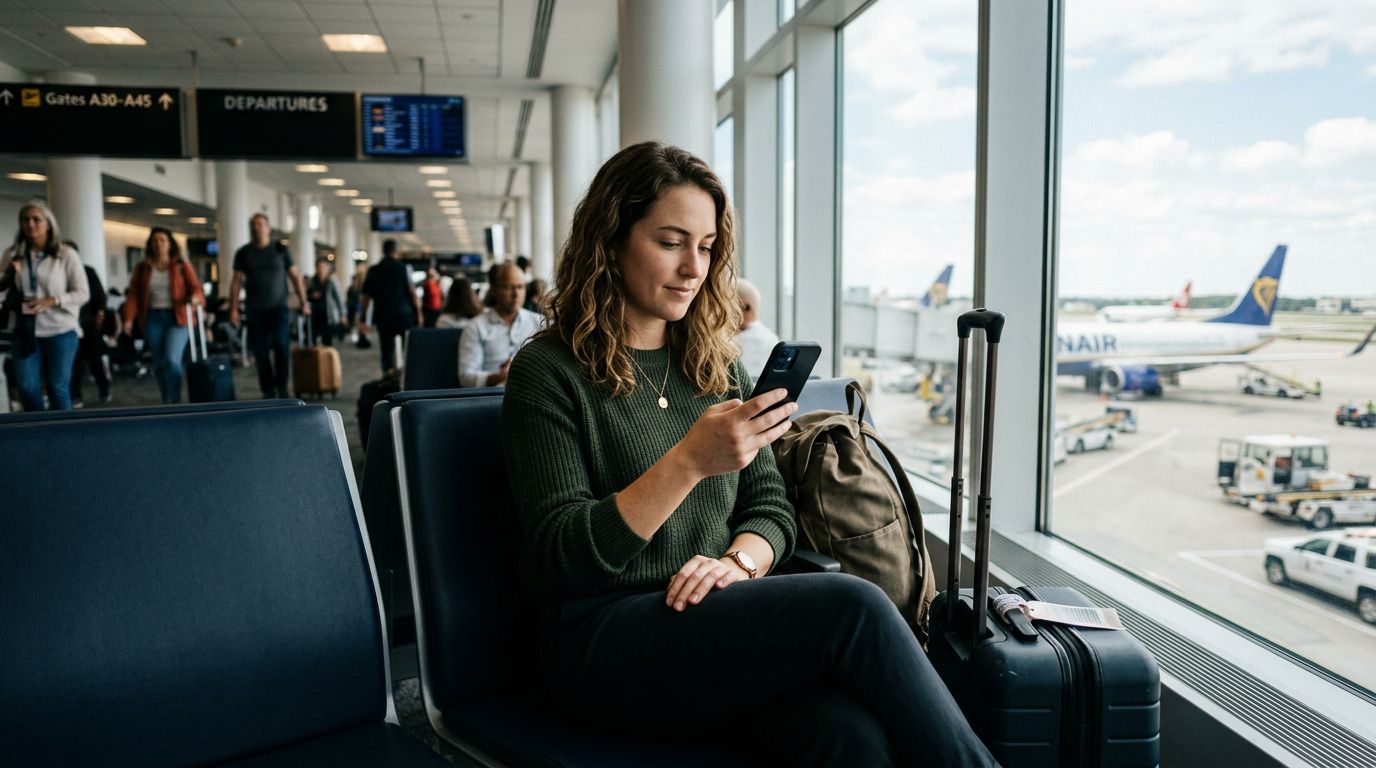
When you step off a plane in a foreign country, the first thing you usually need is a reliable internet connection. Whether you are checking your hotel reservation, pulling up a map to navigate the city, or calling a ride-share service, data is no longer a luxury; it is a necessity. For years, the standard procedure involved hunting for a physical kiosk in the arrival terminal to purchase a local SIM card. However, the introduction of embedded SIM technology, known as eSIM, has fundamentally changed how travelers stay connected.
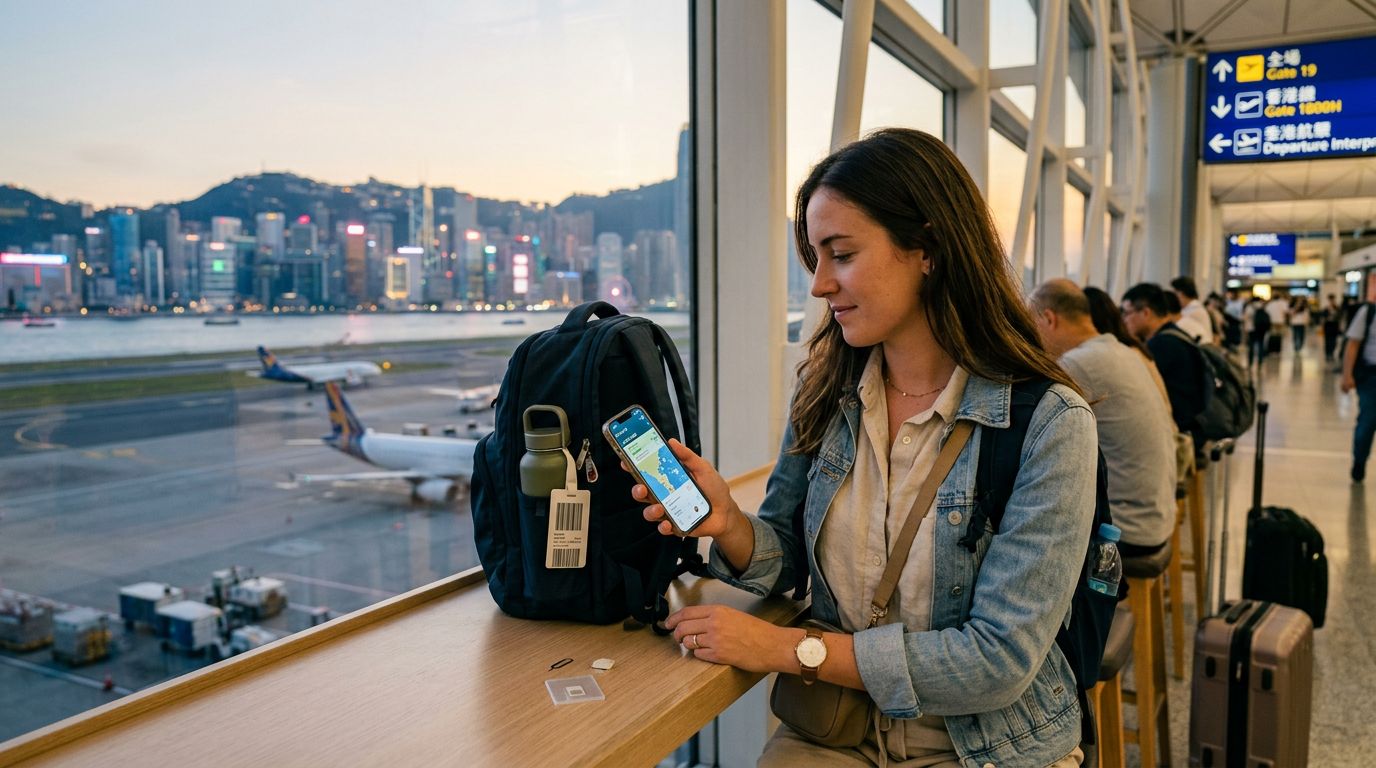
Comparing airport SIM cards versus eSIMs involves looking at convenience, cost-efficiency, and technical reliability. A physical SIM card requires you to physically remove your home carrier's card, store it safely to avoid losing it, and insert a new one. This process is prone to errors, such as misplacing the tiny card or damaging your phone’s SIM tray. Conversely, an eSIM is a digital version of a SIM card that is already built into your device. You activate it through software, meaning your home SIM card stays safely inside your phone the entire time.
The shift toward digital connectivity is not just about convenience; it is about security. When you buy a physical SIM at an airport, you are often dealing with third-party vendors in a high-traffic, high-stress environment. With an eSIM provider like OneTapSIM, the process is streamlined and handled through secure digital channels before you even leave your home. By understanding the differences between these two methods, you can make an informed decision that ensures your trip starts without technical headaches.
The Practical Realities of Airport SIM Cards
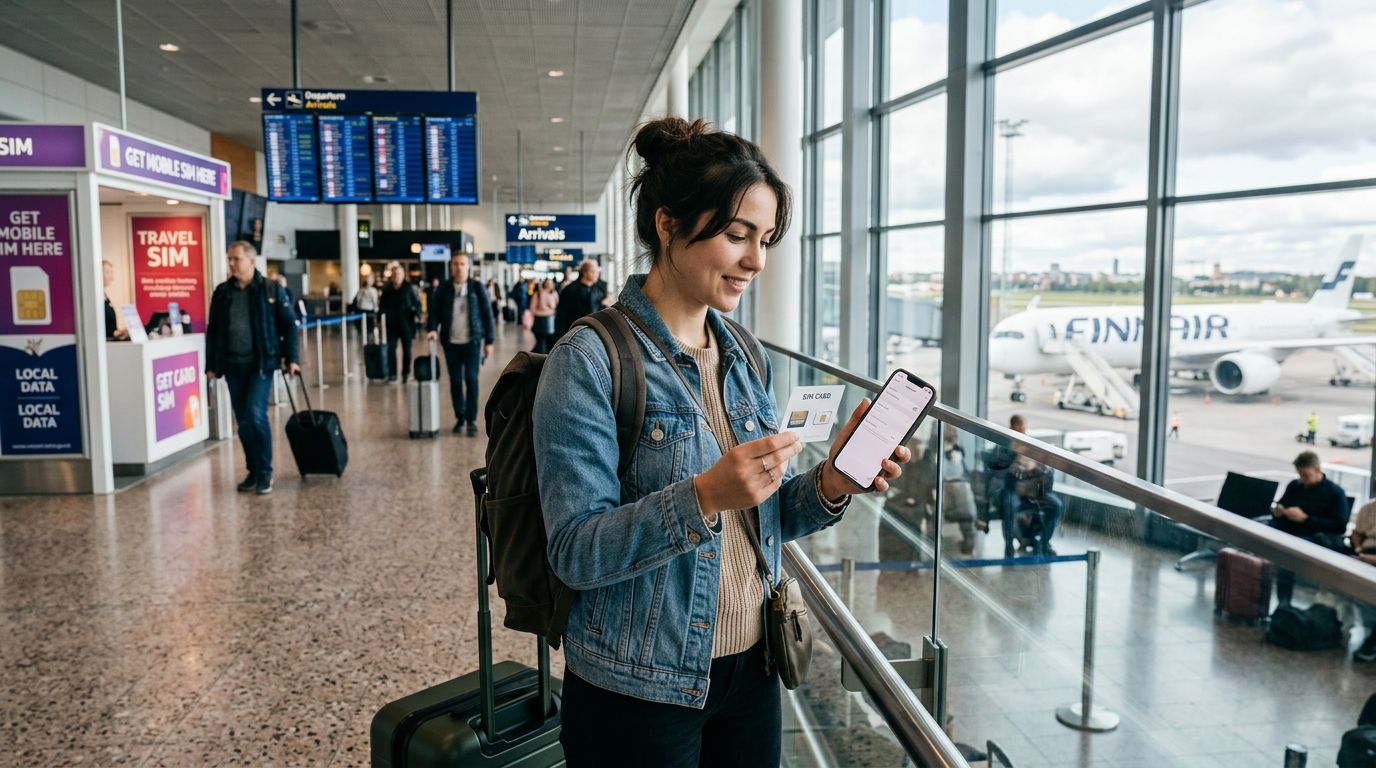
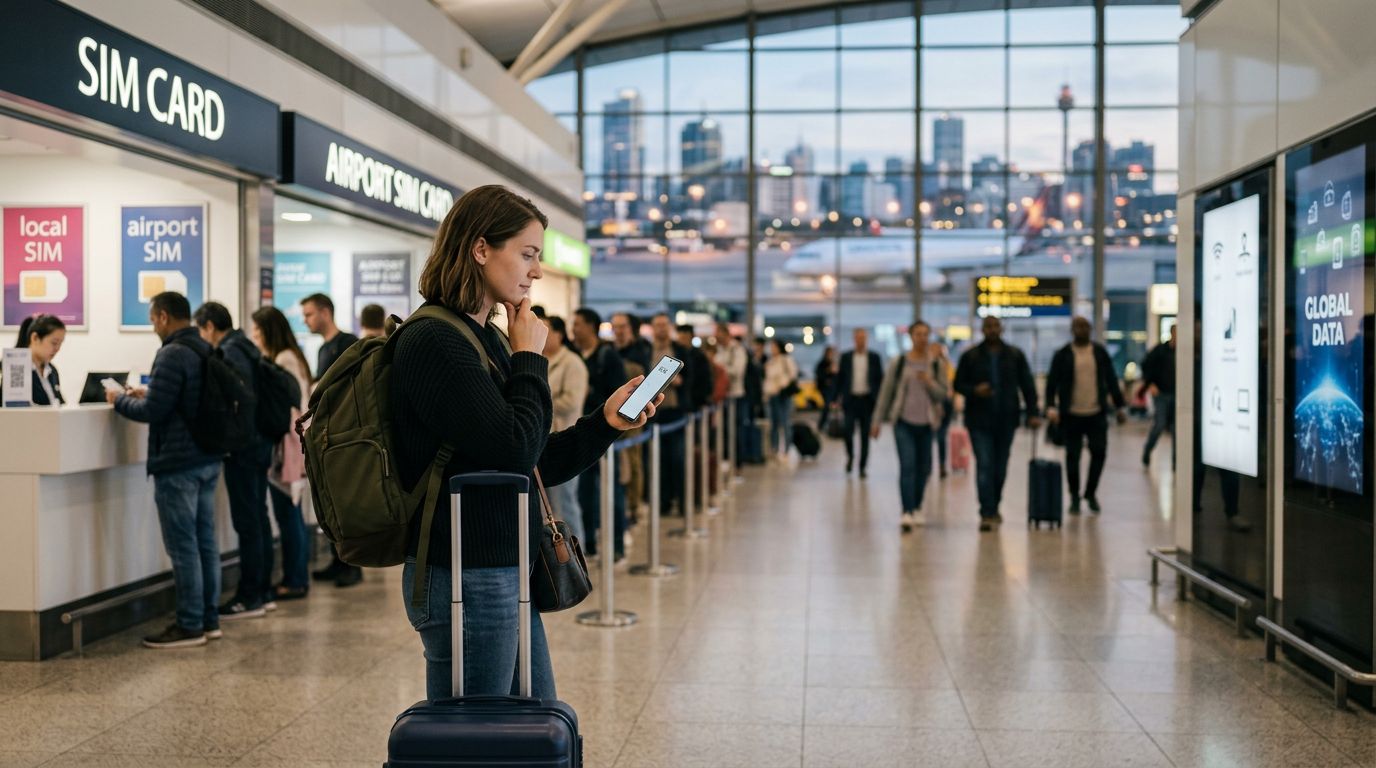
Airport SIM cards have long been the go-to solution for international travelers. You land, walk through customs, and spot a brightly lit kiosk offering "tourist packages." On the surface, this seems like the most logical path. You get a physical piece of plastic, a local phone number, and a set amount of data. However, the reality of purchasing a SIM card at an airport is often far less efficient than it appears.
The primary drawback is the time commitment. After a long-haul flight, the last thing most people want to do is wait in a queue behind other travelers who are struggling to communicate with the vendor or dealing with activation issues. Airport kiosks are often crowded, and the staff may be overwhelmed, leading to rushed service. Additionally, there is the language barrier. If the instructions on the packaging are not in a language you understand, or if the vendor struggles to explain the activation process, you could be left with a non-functioning card.
Furthermore, airport vendors often prioritize high-margin plans that may include features you do not need, such as excessive local calling minutes or SMS bundles, when all you really wanted was mobile data for navigation and messaging. There is also the risk of hardware compatibility. If your phone is locked to your home carrier, a foreign physical SIM will not work, and you will be left with a useless piece of plastic. While some travelers find comfort in the physical nature of a SIM card, the logistical hurdles—finding the kiosk, waiting in line, and manually swapping cards—are becoming increasingly difficult to justify in an era where digital solutions are readily available.
Why eSIMs Are Changing the Travel Landscape
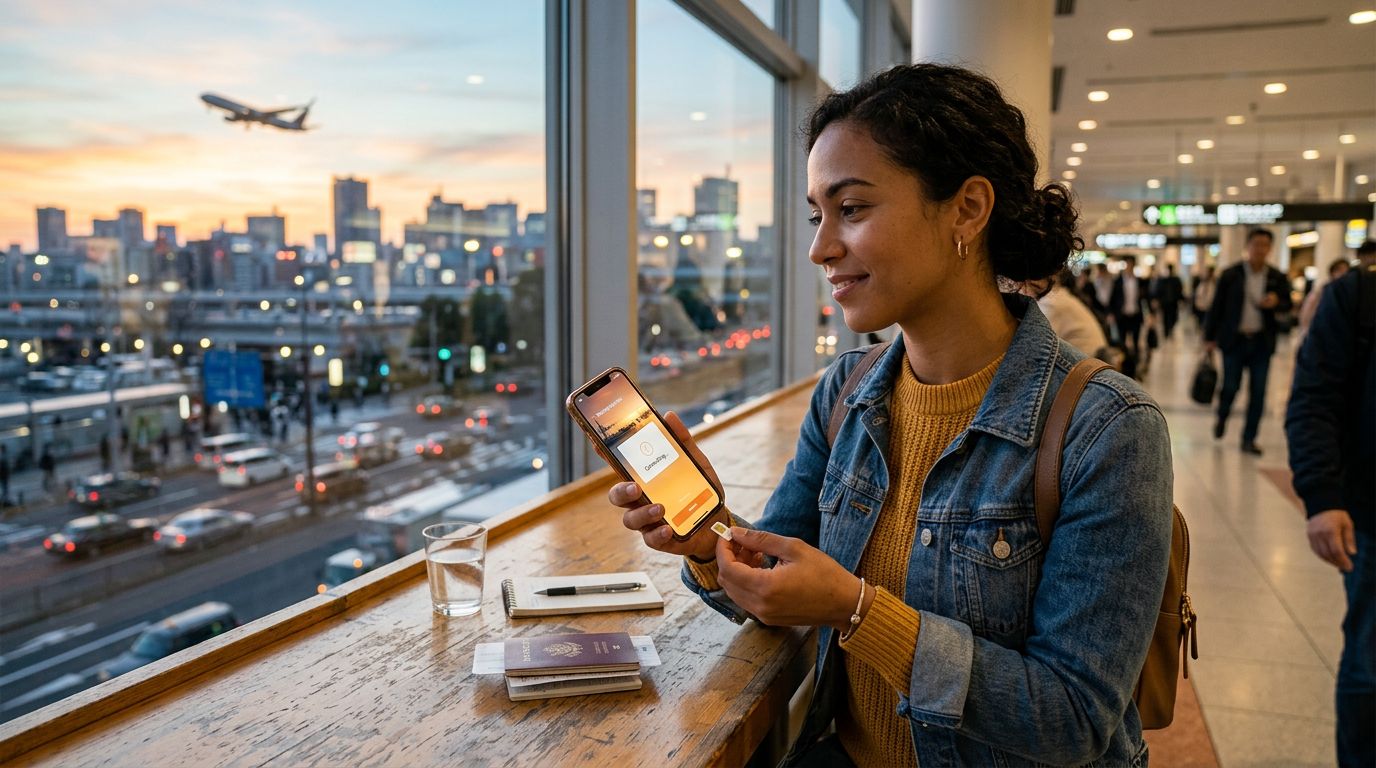
The rise of eSIM technology has shifted the focus from physical hardware to digital flexibility. An eSIM allows you to download a profile directly to your phone, enabling cellular service almost immediately upon landing. Because this process is digital, it removes the need for airport kiosks entirely. You can purchase your data plan from the comfort of your home or even while sitting on the airplane using the in-flight Wi-Fi.
One of the most significant advantages of using an eSIM is the ability to keep your primary phone number active. With a physical SIM swap, you lose access to your home number, which means you might miss important two-factor authentication codes for your bank or urgent messages from home. With an eSIM, your phone can manage both your home SIM and your travel eSIM simultaneously. You can set your home SIM for calls and your travel eSIM for data, ensuring you stay connected to your contacts while enjoying high-speed internet abroad.
Reliability is another key factor. Providers like OneTapSIM offer a transparent, user-friendly interface that guides you through the setup process. Because the activation happens via a QR code or a manual code entry, there is very little room for the human error often associated with physical SIM installation. You are not relying on a kiosk vendor to correctly register your passport or configure your APN settings; you are in control of the process from start to finish.
Moreover, eSIMs are inherently more sustainable. They eliminate the production, packaging, and shipping of plastic cards and their accompanying cardboard frames. For the eco-conscious traveler, this is a clear win. When you combine the ease of installation with the ability to manage your data usage through an app, it becomes clear why the industry is moving away from physical airport kiosks.
Making the Right Choice for Your Next Trip
When deciding between an airport SIM and an eSIM, consider your comfort level with technology and your desire for convenience. If you prefer a hands-on experience and do not mind the potential for queues, a physical SIM might still appeal to you. However, for the vast majority of modern travelers, the eSIM offers a superior experience. It saves time, keeps your personal SIM safe, and provides a more reliable connection by allowing you to set up your service before you even arrive at your destination.
The transition to eSIMs is supported by almost all modern smartphone manufacturers. Whether you are using a device that supports eSIM technology, checking your settings to ensure your phone is unlocked and compatible is a simple task. If you find that your device is ready, you can easily browse data plans that suit your specific travel duration and data needs.
Ultimately, the goal of any connectivity solution is to provide peace of mind. You want to land in a new country and know that your phone will work the moment you switch off airplane mode. By choosing a digital solution, you remove the variables of airport kiosks, physical card fragility, and the stress of manual installation. Embracing the digital shift allows you to focus on the reason you traveled in the first place: to explore, to work, and to enjoy your time abroad without the constant worry of how to get back online. As you plan your next journey, consider the benefits of a pre-configured eSIM and experience the difference that seamless connectivity can make.