Understanding Connectivity Options in Oman
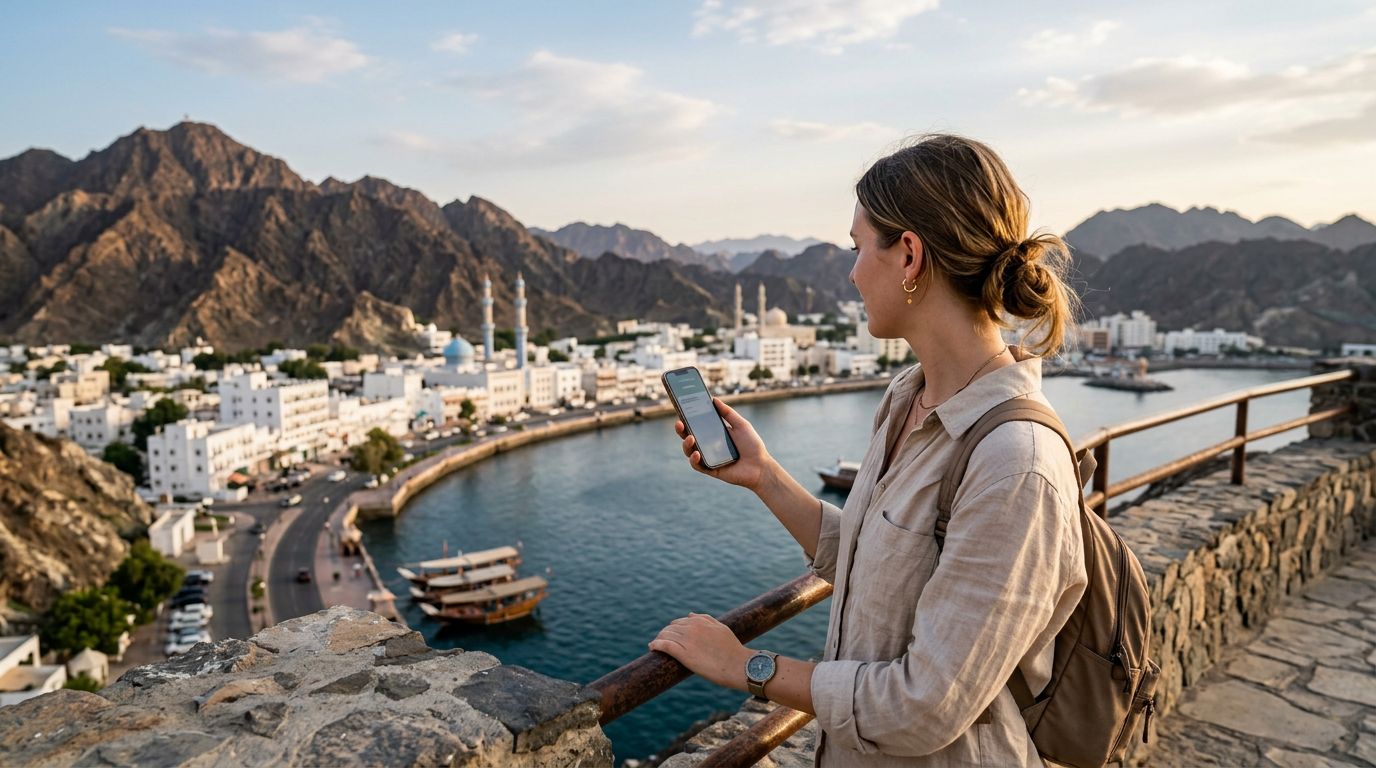
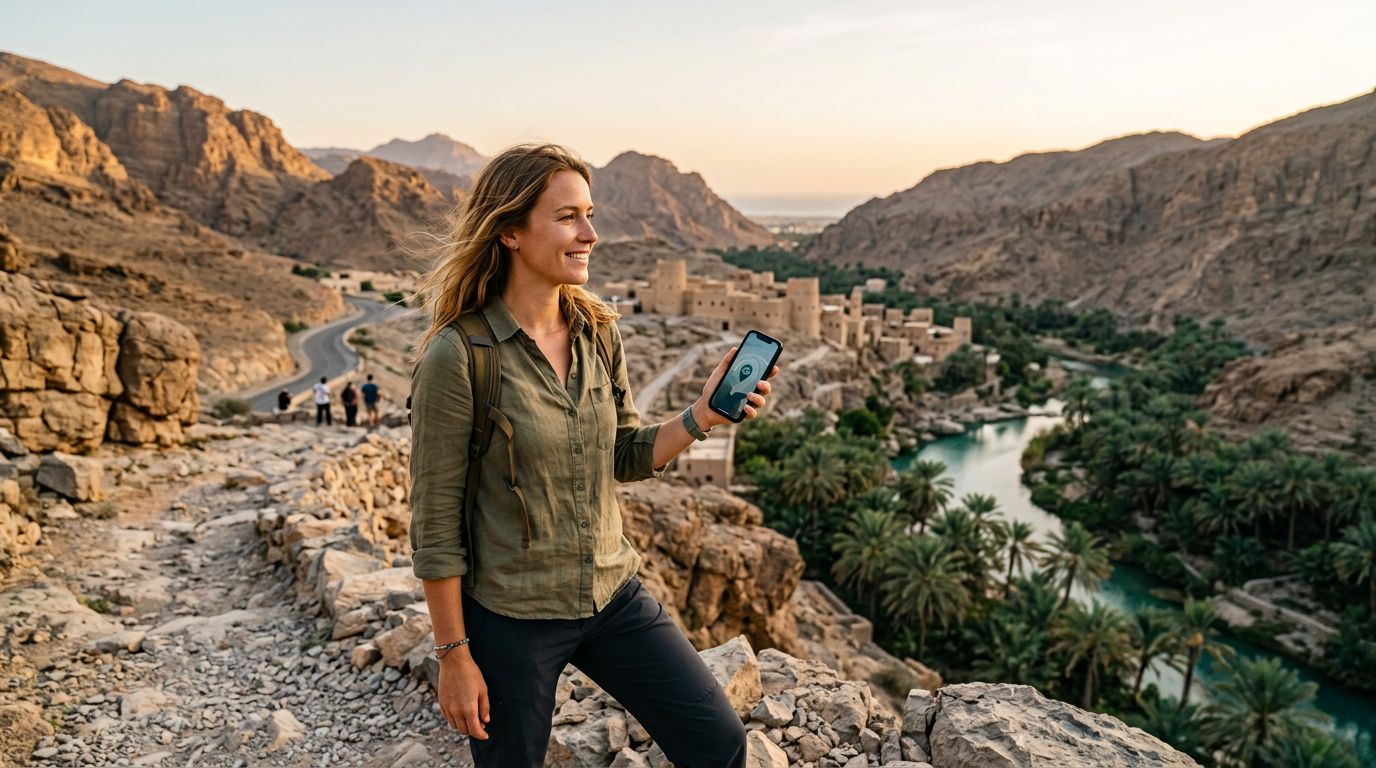
Planning a trip to Oman involves balancing the excitement of exploring ancient forts, vast deserts, and rugged coastlines with the practical need to stay connected. Whether you are navigating the winding streets of Muscat or sharing photos from the Wahiba Sands, having reliable internet access is essential. When deciding between a traditional physical SIM card and a modern eSIM, travelers often find themselves weighing convenience against familiarity.
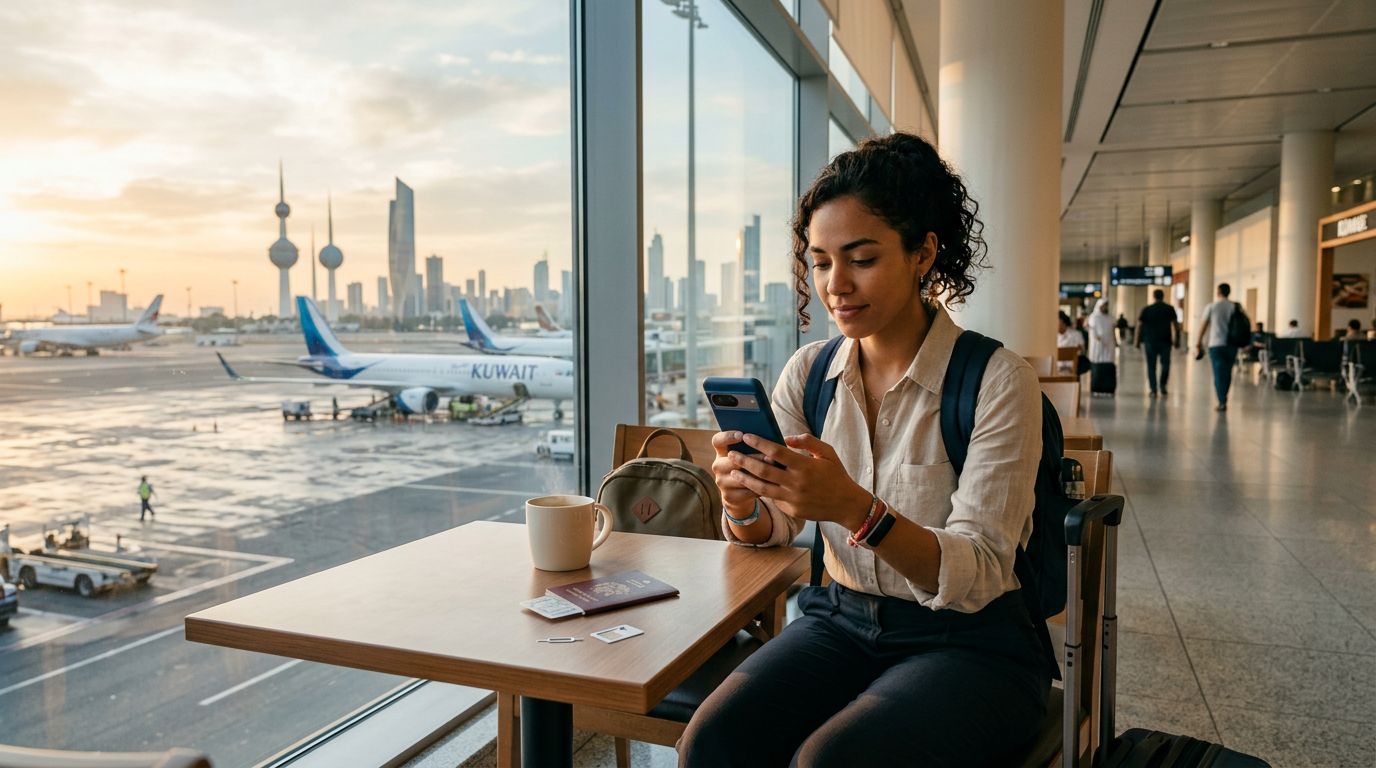
A physical SIM card has been the standard for decades. It involves visiting a local mobile provider’s kiosk, presenting your passport for registration, and physically swapping out your home SIM card. While this process is well-understood, it carries risks. You must keep track of your original SIM card to avoid losing it, and you are often required to wait in queues at the airport or a retail store after a long flight.
In contrast, an eSIM—or embedded SIM—is a digital version of a SIM card that is already built into the hardware of your smartphone. Instead of inserting a physical chip, you simply activate a data plan through a digital profile. This technology has become the preferred choice for modern travelers who value efficiency and want to avoid the hassle of handling tiny plastic cards.
Comparing the Convenience of Physical SIMs and eSIMs
The primary difference between an Oman SIM card vs eSIM comes down to the setup process. With a physical SIM, you are tethered to the operating hours of local shops. If you arrive in Oman late at night or during a public holiday, you might find yourself without connectivity until the next business day. This can be stressful if you rely on ride-sharing apps or digital maps to reach your accommodation.
OneTapSIM offers a streamlined alternative that removes these barriers. By using an eSIM, you can purchase and install your data plan before you even leave home. Once your plane touches down at Muscat International Airport, your device connects to the local network automatically. You bypass the airport kiosks entirely, saving time and avoiding the potential language barriers or registration paperwork associated with local providers.
Furthermore, physical SIM cards are prone to damage or loss. If you drop your original SIM card while trying to swap it in a dimly lit hotel room, you could face significant issues when returning home. An eSIM eliminates this physical risk entirely. Because the eSIM profile exists as software on your phone, your original SIM card remains safely tucked away in your device, undisturbed throughout your entire journey.
Performance and Compatibility Considerations
When evaluating connectivity, the quality of the network is paramount. Both physical SIMs and eSIMs generally utilize the same local cellular infrastructure in Oman. Whether you choose a traditional card or a digital one, you can expect robust coverage in major urban centers and popular tourist destinations. The difference lies in how you manage that connection.
Compatibility is an important factor to check before your trip. Most modern smartphones released in the last few years support eSIM technology. Before purchasing, it is wise to ensure your device is carrier-unlocked, meaning it is not restricted to your home service provider. If your phone is locked, it will not accept an eSIM from a different provider, regardless of whether you choose a physical or digital option. You can verify your device's capabilities through the official support pages provided by manufacturers like Apple or Google.
OneTapSIM provides a user-friendly experience that simplifies the activation process. Once you have confirmed your device is compatible, the installation usually involves scanning a QR code or entering a set of activation details provided by the service. This process is designed to be intuitive, ensuring that even those who are not tech-savvy can get online quickly.
Another advantage of the eSIM approach is the ability to manage multiple profiles. If your travels take you to neighboring countries, you can switch between different data plans directly from your phone’s settings menu. You do not need to hunt for a new physical SIM card every time you cross a border. This flexibility is particularly useful for travelers on multi-country itineraries who want to maintain a consistent level of service without the administrative burden of managing multiple physical cards.
Ultimately, the choice between an Oman SIM card vs eSIM depends on your personal preference for technology and your desire for a seamless travel experience. While physical SIM cards offer a traditional method that some travelers find comforting, the digital nature of eSIMs provides a level of freedom and preparation that is difficult to match. By choosing an eSIM through a service like OneTapSIM, you prioritize your time and peace of mind, allowing you to focus on the beauty of Oman rather than the logistics of staying connected. As mobile technology continues to advance, the shift toward eSIMs represents a move toward more efficient, secure, and user-friendly travel connectivity.
Obtenha um eSIM para
Planos para os destinos abordados neste guia, com entrega instantânea por QR.