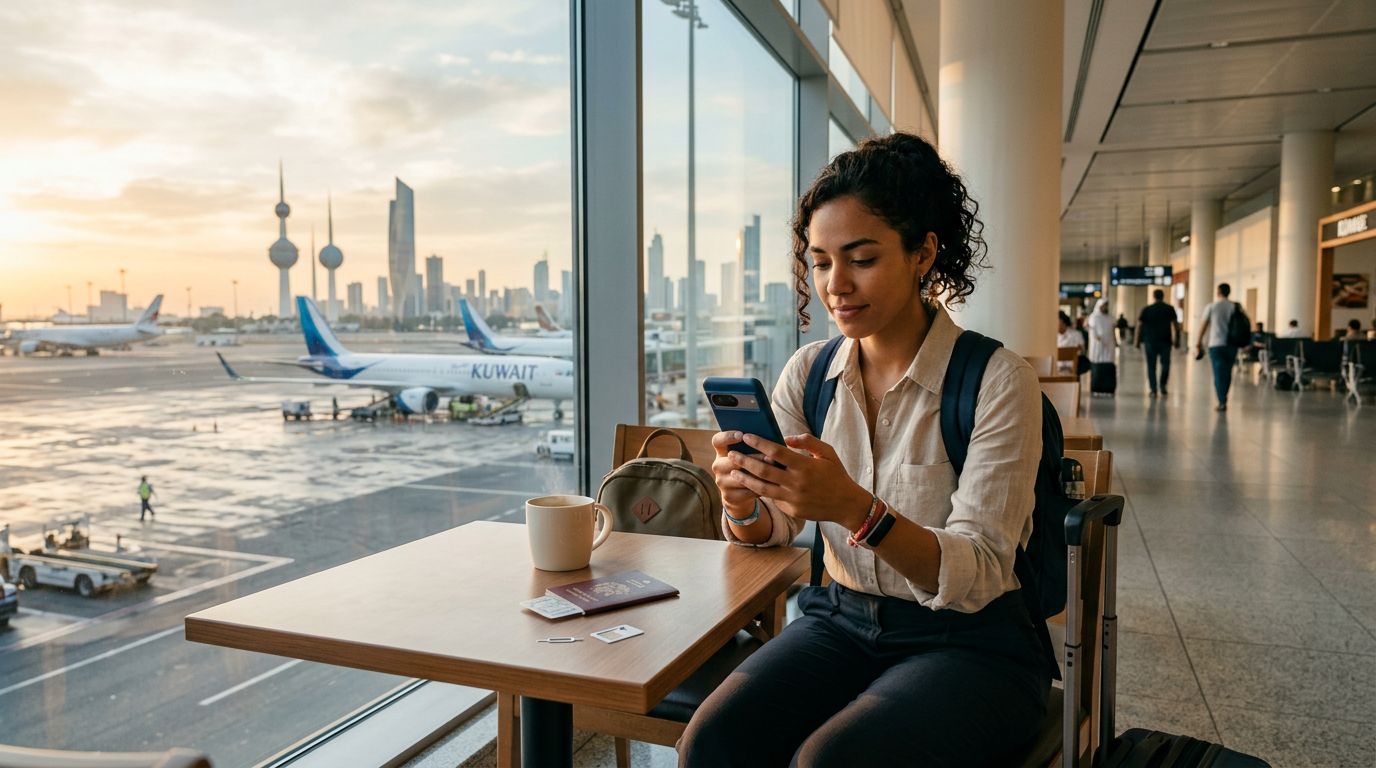
Understanding the Connectivity Options in Kuwait
Planning a trip to Kuwait requires careful consideration of how you will stay connected. Whether you are traveling for business in Kuwait City or exploring the cultural landmarks across the country, having reliable mobile data is essential. When comparing a traditional Kuwait SIM card vs eSIM, you are essentially choosing between a physical hardware solution and a modern, software-based alternative.
A traditional physical SIM card is the method most travelers have used for decades. You arrive at the airport or visit a local mobile provider’s store, present your passport, and receive a small plastic card that you insert into your device. While this is a proven method, it comes with several logistical hurdles. You must find a shop during business hours, wait in line, and physically handle the tiny card, which is easy to lose or damage.
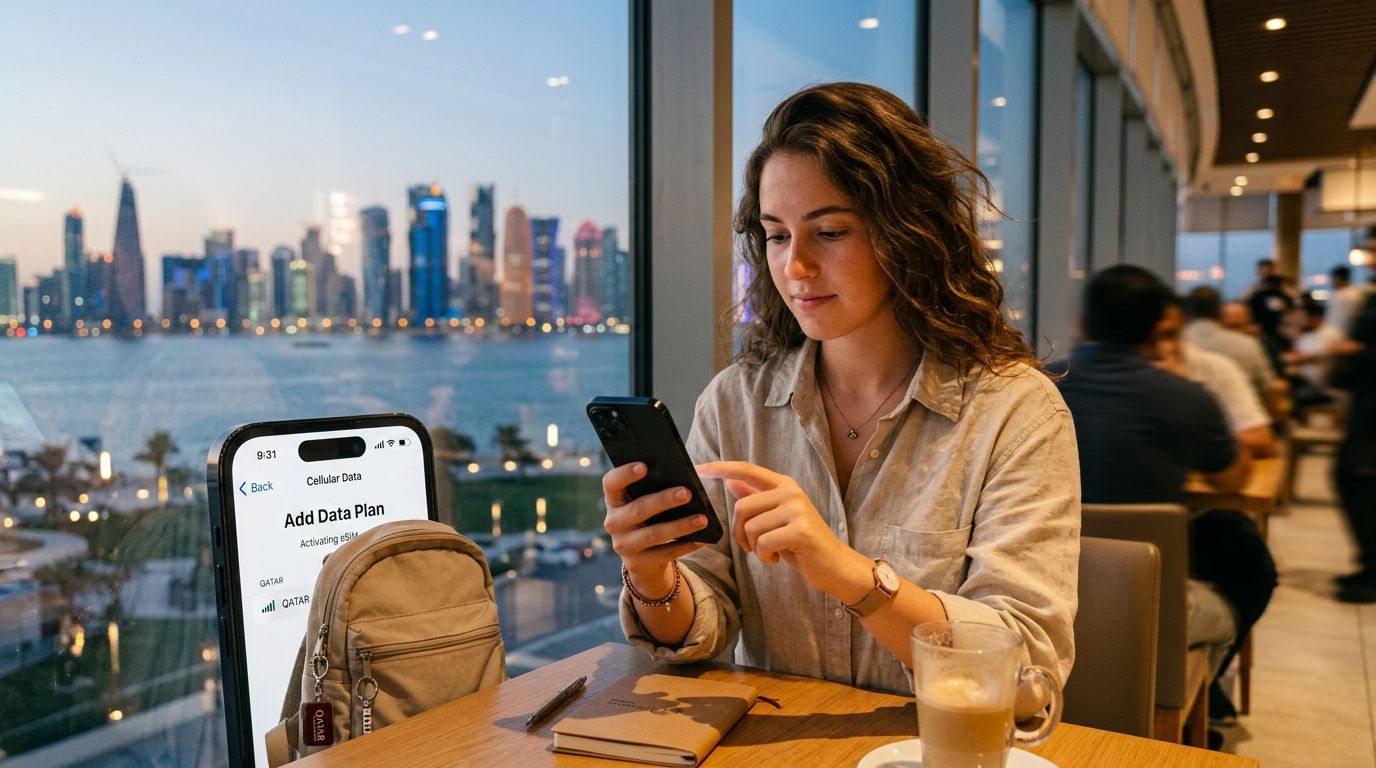
On the other hand, an eSIM—or embedded SIM—is a digital version of that same technology. It is built directly into the hardware of modern smartphones. Instead of swapping a physical chip, you simply download a profile to your phone. This allows you to activate your service before you even land in Kuwait. For many travelers, the convenience of avoiding airport kiosks and language barriers at local shops makes the digital option significantly more appealing.
Comparing Convenience and Flexibility
The primary difference between a physical SIM and an eSIM lies in the activation process. With a physical SIM card, you are tied to the operating hours of local mobile operators. If your flight arrives late at night, you might find yourself without connectivity until the following morning. Furthermore, you have to remove your home SIM card from your device, which creates a risk of losing it while you are traveling. If you lose your home SIM, you lose access to your primary phone number and potentially your two-factor authentication codes for banking or email.
An eSIM solves these issues by allowing you to keep your primary SIM card in your phone while adding a secondary data plan. This is where a provider like OneTapSIM becomes particularly useful. By setting up your data plan digitally, you ensure that your phone is ready to connect to a local network the moment you turn on your device after landing. You do not need to hunt for a store, fill out paper forms, or carry a paperclip tool to swap out hardware.
Flexibility is another major advantage of the digital approach. If you decide to extend your stay or if you realize you need more data, you can often manage your plan through an app or a website. With a physical SIM, you are often stuck with the initial package you purchased. If you run out of data, you might have to return to a physical store to top up, which wastes precious vacation or work time. Digital options allow you to maintain control over your connectivity without interrupting your schedule.
Technical Requirements and Compatibility
Before deciding between a traditional Kuwait SIM card vs eSIM, you must verify that your device is compatible. Most flagship smartphones released in the last few years support eSIM technology. You can check your device’s settings or consult the manufacturer’s support documentation to confirm compatibility. If your phone is locked to a specific carrier, you may not be able to use an eSIM from a third-party provider, so it is vital to ensure your device is carrier-unlocked before your departure.
Physical SIM cards are universally compatible with all unlocked mobile phones, regardless of age. If you are using an older device that does not feature an embedded chip, the physical card remains your only path to local data. However, for those with modern devices, the transition to digital connectivity is seamless. Once you confirm your phone supports the technology, the setup process usually involves scanning a QR code or entering details provided by your eSIM service.
Another factor to consider is the network quality. Both physical and digital SIMs rely on the same local mobile infrastructure in Kuwait. Whether you choose a physical card from a local kiosk or a digital plan through a service like OneTapSIM, you are ultimately accessing the same towers and signal strength provided by the major Kuwaiti telecommunications companies. The difference is not in the signal quality, but in the experience of managing that connection.
When you use a digital plan, you are essentially purchasing access to these local networks through a streamlined, user-friendly interface. This removes the middleman of the physical retail space. You gain the benefit of local network coverage without the headache of international roaming fees or the inconvenience of physical hardware.
Ultimately, the choice comes down to your personal comfort with technology and your specific travel needs. If you prefer the tactile nature of a physical card and do not mind visiting a store, the traditional route remains an option. However, for those who value efficiency, security, and the ability to hit the ground running, the digital route is the superior choice for modern travel. By preparing your connectivity in advance, you can focus on enjoying your time in Kuwait without worrying about how to find a map or contact your hotel upon arrival.
Obtenha um eSIM para
Planos para os destinos abordados neste guia, com entrega instantânea por QR.