The Security of Mobile Data vs. Public Wi-Fi
When you arrive in a new country, the immediate instinct is often to hunt for the nearest public Wi-Fi network to check your bank balance or pay for a ride-share service. While free internet is convenient, it poses significant risks when you are accessing sensitive financial information. Public networks are frequently unencrypted, meaning that anyone with the right software can potentially intercept the data traveling between your device and the router. This includes login credentials for your banking apps, credit card details entered into payment portals, and personal identification information.
Using payment apps with mobile data provides a much more secure alternative. When you rely on a dedicated cellular connection—such as an eSIM from OneTapSIM—your data traffic is encrypted through the carrier’s network protocols. This creates a private tunnel for your information that is far more difficult for malicious actors to access compared to an open, shared Wi-Fi connection. By maintaining a consistent mobile data connection, you ensure that your financial transactions remain private and protected throughout your journey.
Beyond security, mobile data offers reliability. Public Wi-Fi spots can be spotty, slow, or prone to sudden disconnections. If your connection drops while you are in the middle of a transaction, it can lead to confusion regarding whether a payment was processed or if an order was successfully placed. A stable cellular connection ensures that your payment apps function smoothly from start to finish, allowing you to pay for transit, meals, or experiences without the frustration of a timed-out screen.
Managing Your Financial Apps Abroad
Before you board your flight, it is essential to prepare your financial applications for international use. Many banking and payment apps have built-in security features that flag unusual activity when they detect a login from a foreign country. To avoid being locked out of your accounts when you need them most, you should inform your bank of your travel dates and destinations.
Once you are abroad, the way you use these apps changes slightly. Since you are using mobile data, you should be mindful of your usage to ensure you stay connected for the duration of your trip. Payment apps generally do not consume massive amounts of data, but background processes and automatic updates can drain your allowance if you are not careful. You can manage this by going into your phone settings and restricting background data usage for apps that are not essential for your immediate travel needs.
If you are using a service like OneTapSIM, you can easily monitor your usage through your device’s settings. This visibility allows you to prioritize your data for critical tasks, such as verifying a transaction or using a digital wallet to pay for a train ticket. Remember that digital wallets like Apple Pay or Google Pay are excellent tools for international travel because they often use tokenization, which means your actual card number is never shared with the merchant. When combined with the security of a cellular data connection, this creates a robust layer of protection for your finances.
Staying Connected for Seamless Transactions
The primary benefit of using mobile data for your financial needs is the ability to handle unexpected situations in real-time. Whether you need to book a last-minute hotel room, pay for a taxi in a city where you do not speak the language, or split a dinner bill with new friends, having a reliable connection is indispensable. Relying on finding Wi-Fi means you are limited to specific locations, which can be a major disadvantage when you are out exploring.
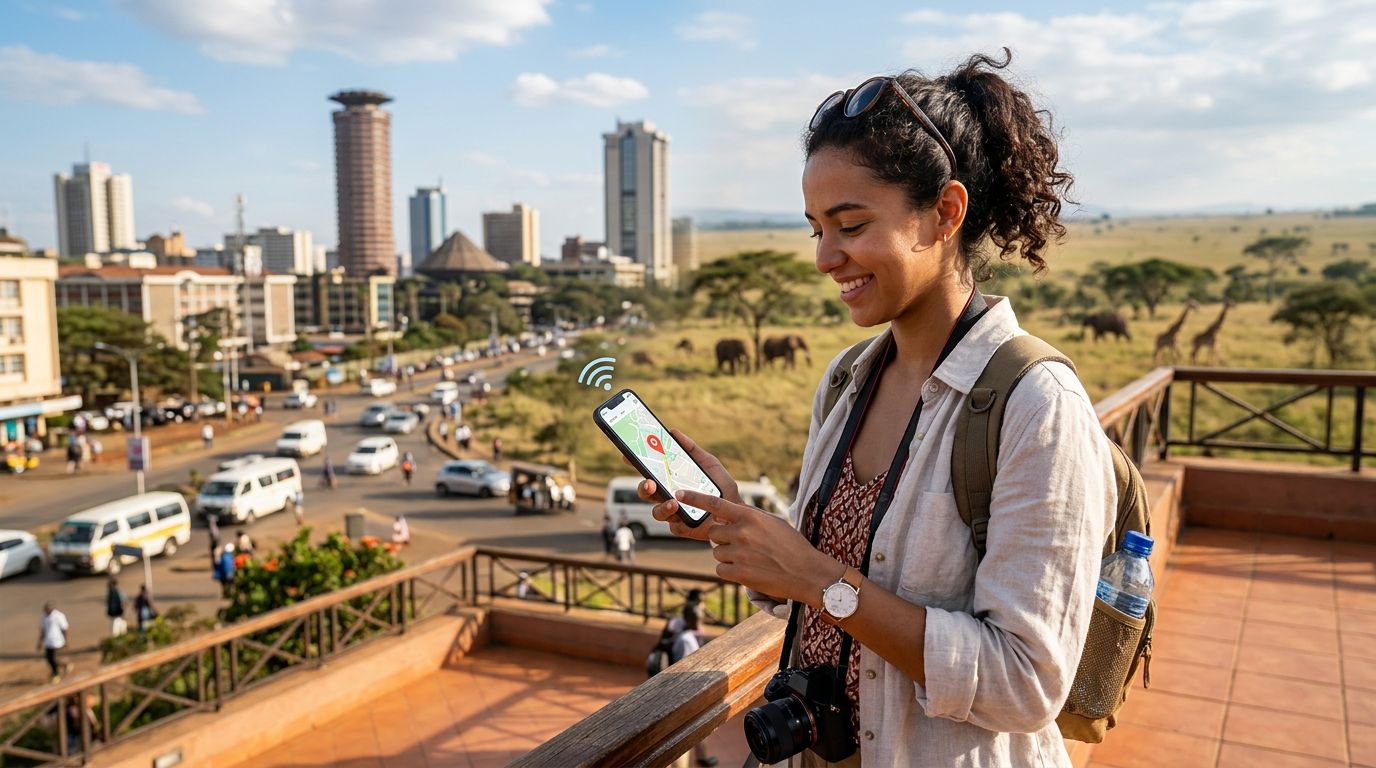
With a travel eSIM, you gain the freedom to move about without constantly searching for connectivity. This is particularly useful for travelers who rely on ride-sharing apps, which require a constant GPS and data connection to function correctly. If your internet cuts out while you are waiting for a driver, you might miss your ride or struggle to communicate your location. By keeping a steady stream of mobile data active, you ensure that your payment apps and location services remain synchronized, providing a seamless experience from the moment you request a ride until you reach your destination.
Furthermore, mobile data allows you to receive instant notifications from your bank. If there is an issue with a transaction or a suspicious alert, you will know immediately rather than waiting until you return to your hotel or find a café with internet. This proactive approach to managing your money while traveling provides peace of mind. You can focus on enjoying your trip, knowing that your financial tools are accessible, secure, and ready to use whenever you need them.
If you find that your primary domestic carrier charges exorbitant roaming fees for data, a travel eSIM is a practical solution. It allows you to maintain a local-like data experience without the stress of unexpected billing surprises. By choosing a plan that fits your trip duration and data needs, you can enjoy the convenience of using your favorite payment apps just as you would at home. This level of connectivity is no longer a luxury; it is a fundamental part of modern, stress-free travel. Whether you are navigating a bustling market or checking out of a boutique hotel, having your own dedicated data connection ensures that you are always in control of your financial interactions.