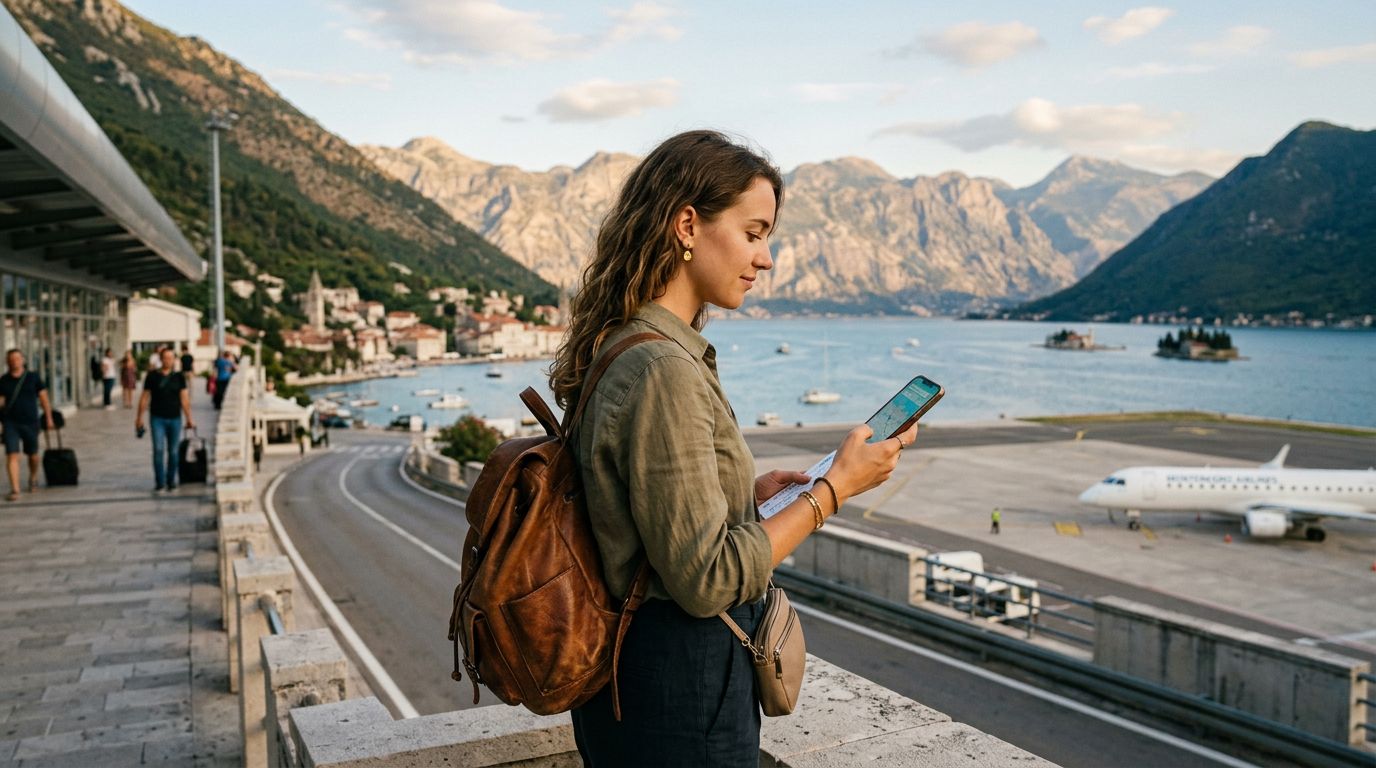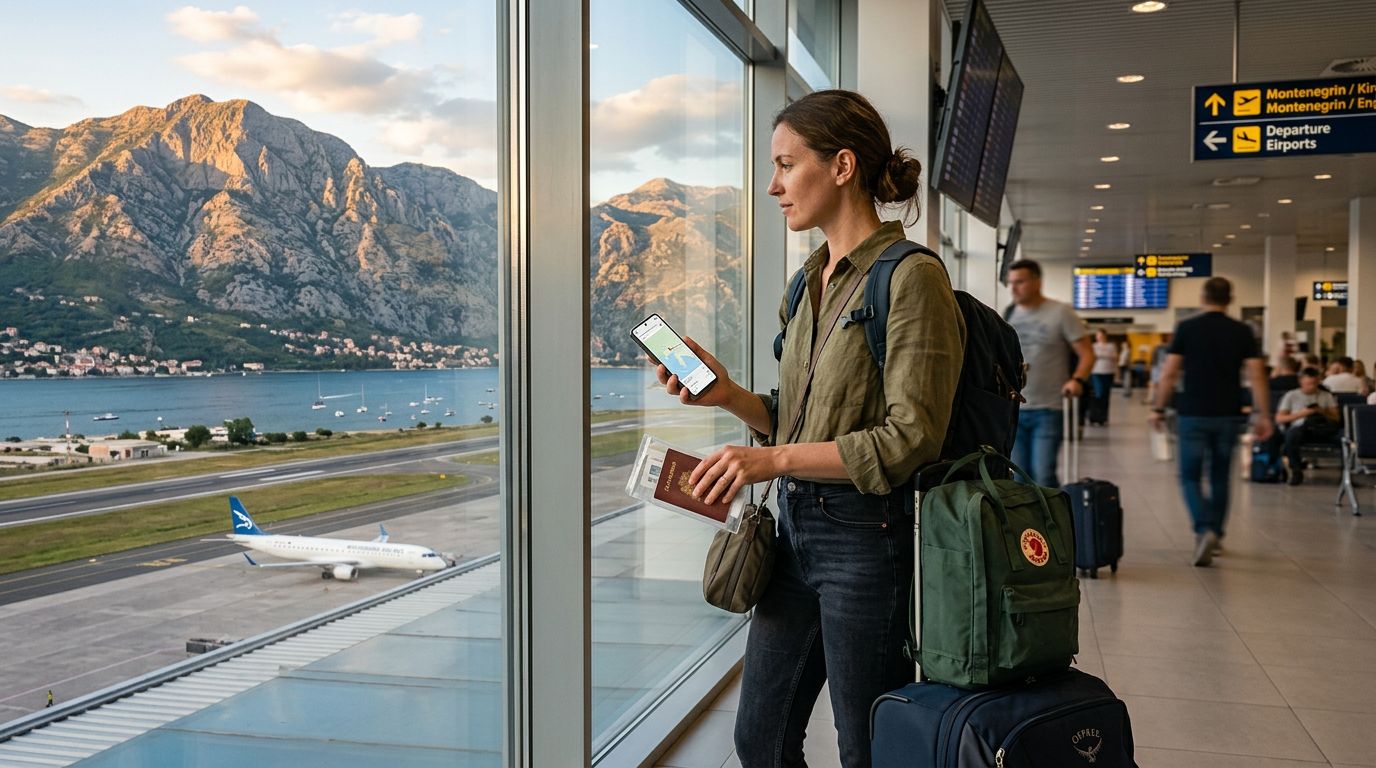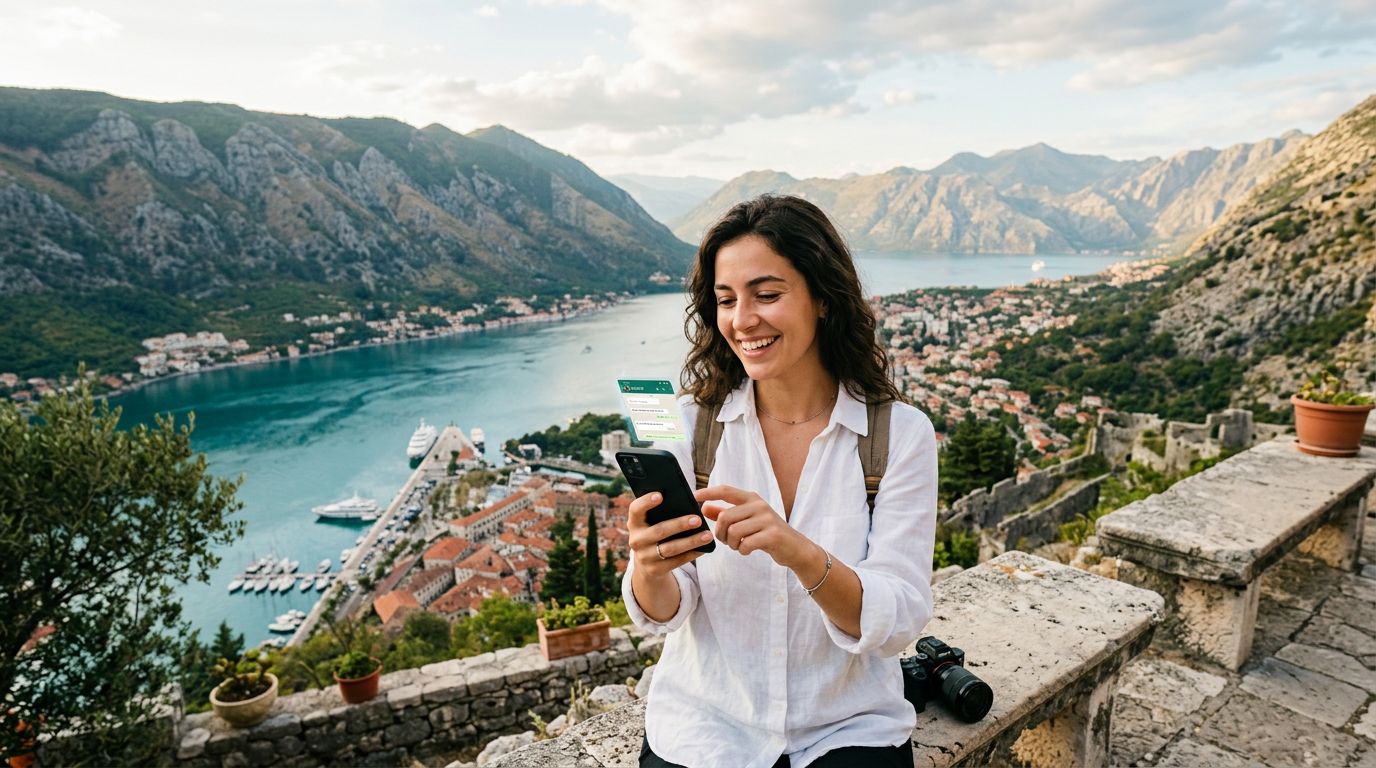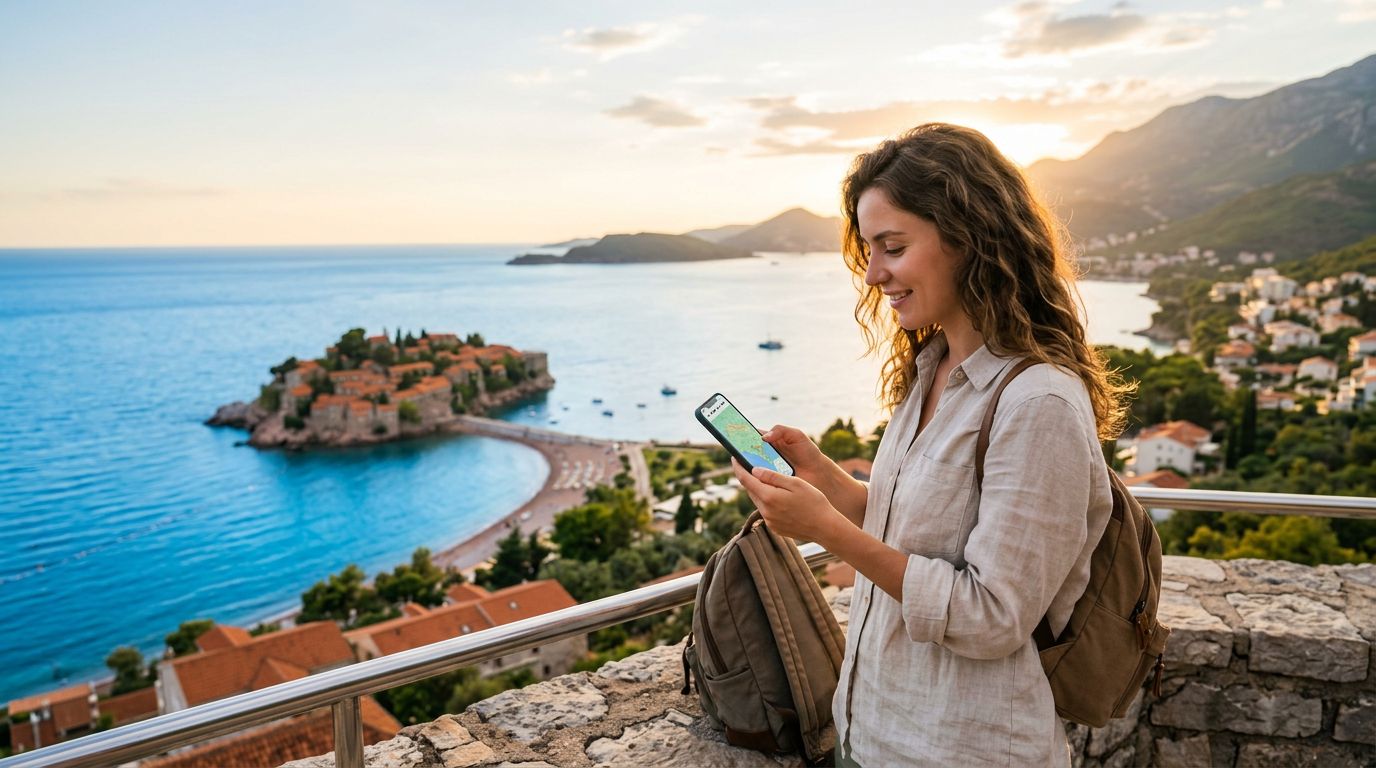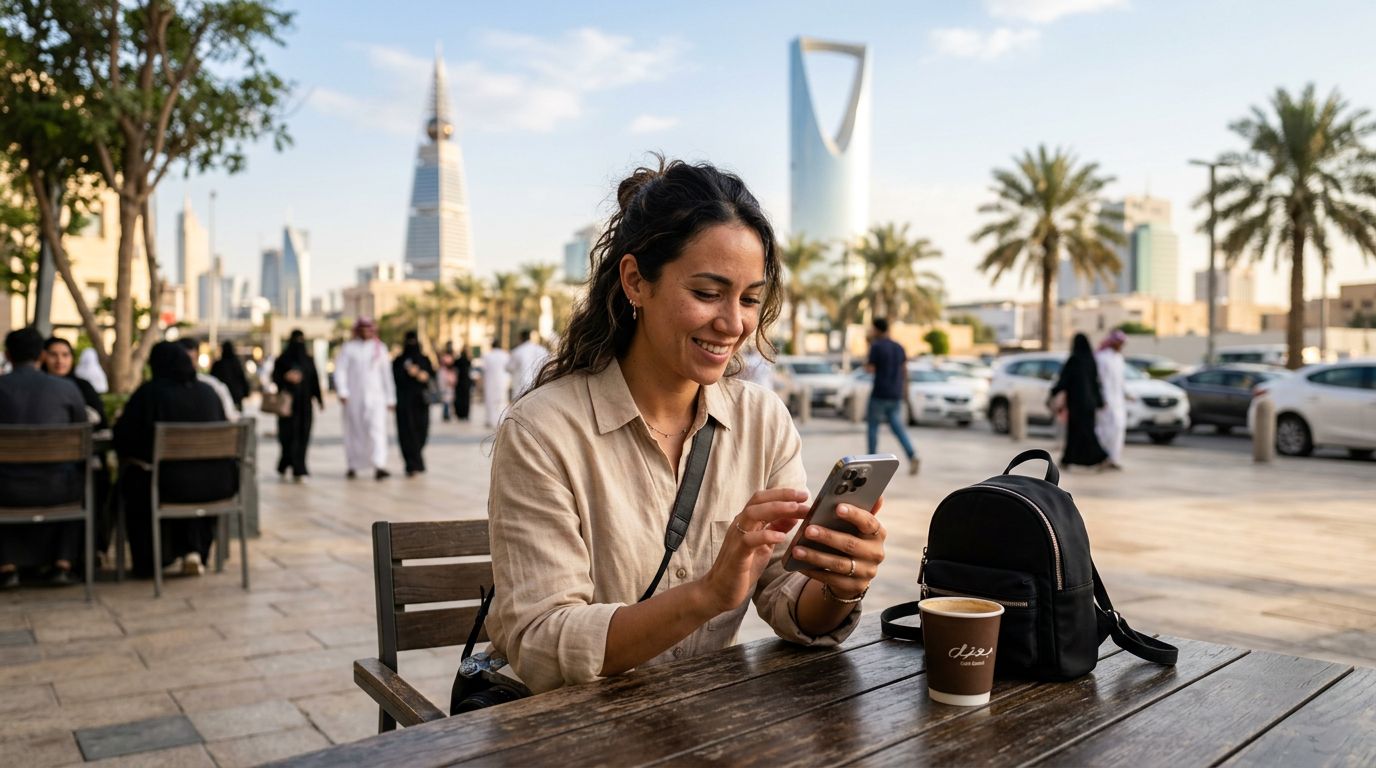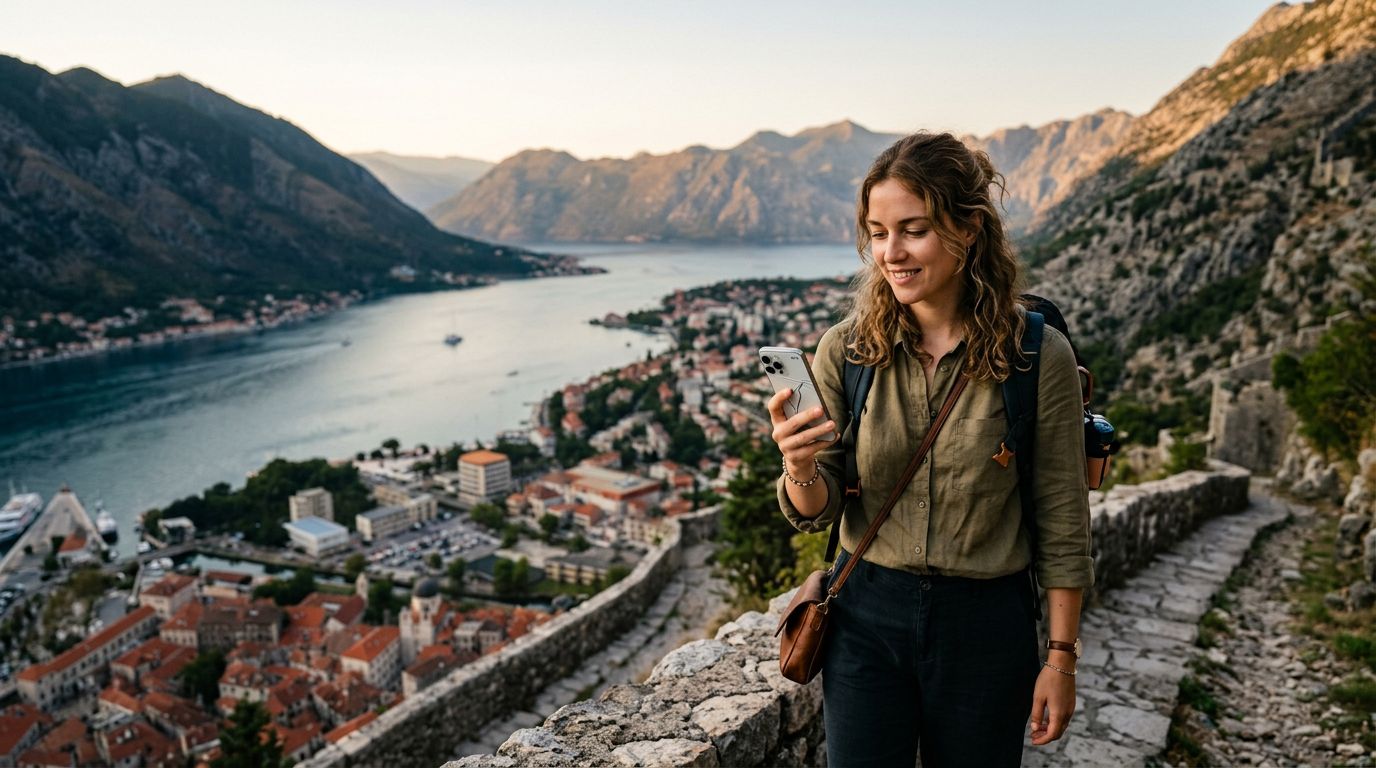
Montenegro is a stunning destination, known for its dramatic coastal mountains, historic walled cities like Kotor, and the pristine waters of the Adriatic Sea. Whether you are planning to hike through Durmitor National Park or enjoy a sunset in Budva, staying connected is essential for maps, translation apps, and sharing your travel experiences. For many modern travelers, the most efficient way to manage connectivity is by using dual SIM in Montenegro.
By leveraging the dual SIM capabilities of your smartphone, you can keep your primary home number active for important calls or security codes while using a secondary data-only eSIM for local internet access. This setup prevents the stress of hunting for local physical SIM cards at kiosks or dealing with expensive international roaming charges from your home carrier.
Why Dual SIM is the Best Choice for Montenegro
When you arrive in a new country, your phone typically attempts to connect to a local network through your home provider. This often triggers expensive roaming fees that can accumulate rapidly, even if you are only using a small amount of data. Many travelers find that their home plans simply do not offer a cost-effective way to stay online while abroad.
Using dual SIM technology allows you to separate your voice and data needs. You can keep your physical SIM card inside your phone to receive essential SMS messages or calls from home, while simultaneously activating an eSIM specifically for mobile data. This means you can use GPS navigation, social media, and travel apps without worrying about the bill.
The primary advantage of this approach is convenience. You do not need to remove your home SIM card, which eliminates the risk of losing or damaging it while you are on the move. Furthermore, switching between networks is handled entirely through your phone’s software settings. If you choose a provider like OneTapSIM, the installation process is streamlined, allowing you to activate your data plan before you even land at Podgorica or Tivat airport. This ensures that you have connectivity the moment you step off the plane, allowing you to call a taxi or find your accommodation without searching for public Wi-Fi.
Setting Up Your Device for Dual SIM Connectivity
Before you travel, it is important to ensure that your device is compatible with eSIM technology. Most modern smartphones released in the last few years support dual SIM functionality, usually through a combination of one physical SIM slot and one or more eSIM profiles. You can verify your device's capabilities by checking the official support pages for Apple or Google.
To prepare for your trip, you should check if your phone is carrier-locked. If your device is locked to a specific provider, it may not allow you to add an eSIM from a different company. If your phone is unlocked, you are free to add a travel eSIM profile. The process generally involves scanning a QR code or entering manual details provided by your eSIM service. Once the profile is added, you can label it—for example, "Travel" or "Montenegro"—to distinguish it from your primary line.
When you arrive in Montenegro, you will need to configure your cellular settings to ensure the correct SIM is being used for data. You should designate your home SIM for voice and SMS and select your eSIM as the primary source for cellular data. It is also wise to turn off "Data Roaming" for your home SIM to ensure that your phone does not accidentally connect to the internet through your expensive home provider. By keeping your primary line active only for cellular calls, you maintain your reachability while the eSIM handles all your data-heavy tasks.
Managing Data Usage and Connectivity Tips
Once you have successfully set up your dual SIM configuration, you can enjoy your time in Montenegro with peace of mind. However, maintaining good connectivity requires a few best practices. First, monitor your data usage through your phone's built-in settings. Even if you have a generous data allowance, some apps may try to download large updates in the background. It is helpful to restrict background data usage for non-essential applications while you are on your travel eSIM.
If you find yourself in remote areas, such as the northern mountains or deep within the national parks, signal strength can vary regardless of your provider. In these instances, downloading offline maps is a smart precautionary measure. Most navigation apps allow you to save specific regions for offline use, ensuring that you can still navigate the winding roads of the Bay of Kotor even if you temporarily lose signal.
Another benefit of using a specialized service like OneTapSIM is the ability to manage your connectivity needs in one place. If your trip ends up being longer than expected, or if you find yourself using more data than anticipated for video calls or uploading photos, you can often manage your plan or add more data through the provider's platform.
Finally, remember that battery life can be impacted by having two SIMs active simultaneously, as the phone is effectively searching for and maintaining two network connections. To optimize your battery, consider using power-saving modes when you are not actively using your phone, or carry a portable power bank. By balancing your data usage and keeping your settings optimized, you can focus on the breathtaking scenery of Montenegro rather than worrying about your phone's technical performance. With the right dual SIM setup, your trip will be as seamless and well-connected as possible.
Get an eSIM for
Plans for the destinations covered in this guide, with instant QR delivery.