Understanding Your Connectivity Options in the UK
Planning a trip to the United Kingdom involves checking off a long list of logistical items, from booking accommodation to mapping out your itinerary. One of the most critical steps is ensuring you have a reliable way to stay connected. Whether you are navigating the historic streets of London, exploring the Scottish Highlands, or visiting the charming villages of the Cotswolds, having mobile data is essential for maps, translation, and staying in touch with home. When weighing the options for a United Kingdom SIM card vs eSIM, it is helpful to understand how these technologies function and which one aligns best with your travel style.
A physical SIM card is the traditional method most travelers are familiar with. It involves inserting a small plastic chip into your phone’s SIM tray. Conversely, an eSIM—short for embedded SIM—is a digital version of that card. It is built directly into the hardware of modern smartphones. Because the eSIM is software-based, you do not need to physically swap out your home SIM card to get connected. This fundamental difference in how the service is activated is the primary factor that influences convenience, security, and flexibility for international travelers.
The Case for Physical SIM Cards
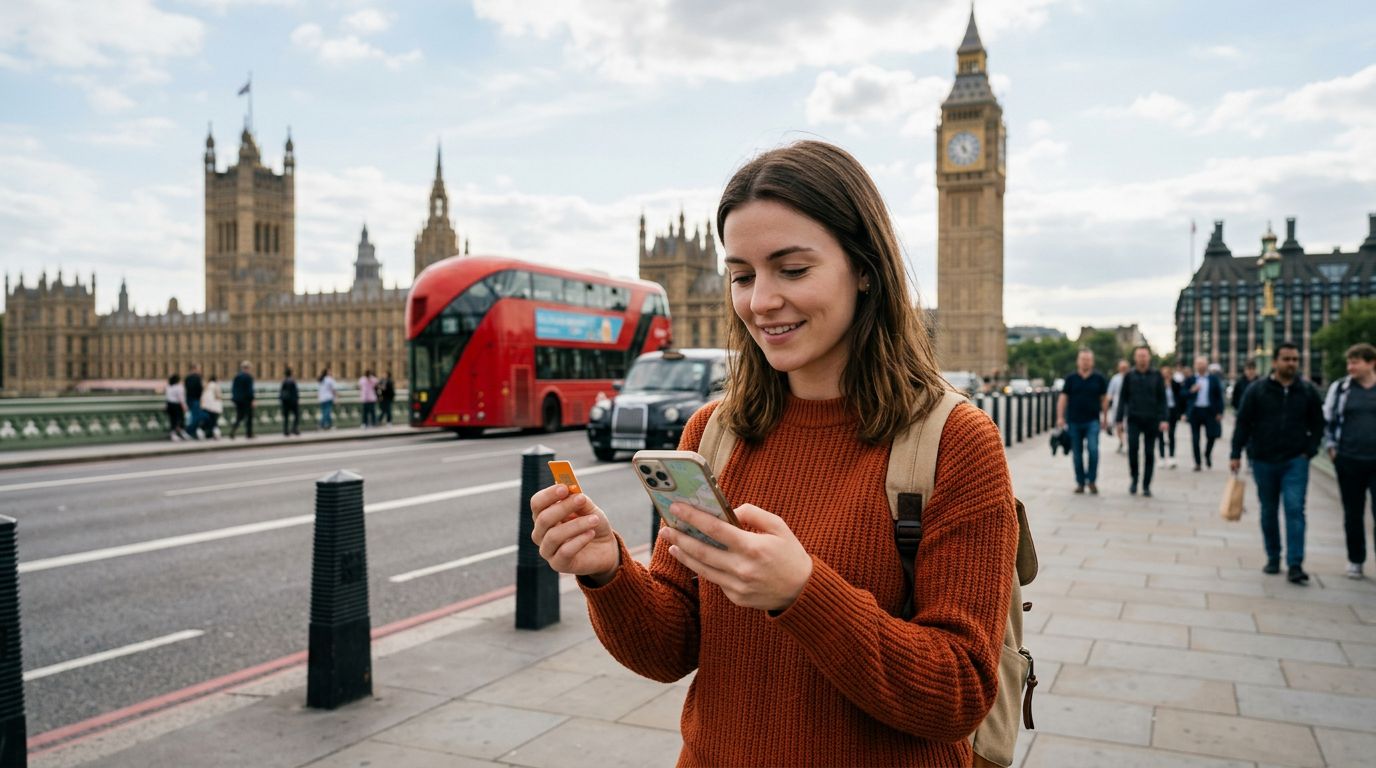
For many travelers, the physical SIM card remains a familiar choice. If you have an older device that does not support digital SIM technology, a physical card is your only option. Even for those with newer phones, some people prefer the tangible nature of a physical card. When you arrive in the UK, you might find kiosks at major airports or retail shops in city centers that sell local prepaid SIM cards.
The primary advantage here is that you are dealing with a physical item that you can hold and verify. If you encounter a technical issue, some travelers feel more comfortable speaking to a representative in a physical store who can handle the card for them. However, this convenience comes with significant trade-offs. You must locate a shop during business hours, wait in lines, and potentially navigate language barriers or complicated registration processes. Furthermore, you risk losing your original home SIM card while it is removed from your phone. Keeping track of a tiny piece of plastic while traveling through crowded tourist hubs can be stressful, and losing your home SIM could result in significant headaches when you return home.
The Advantages of Choosing an eSIM
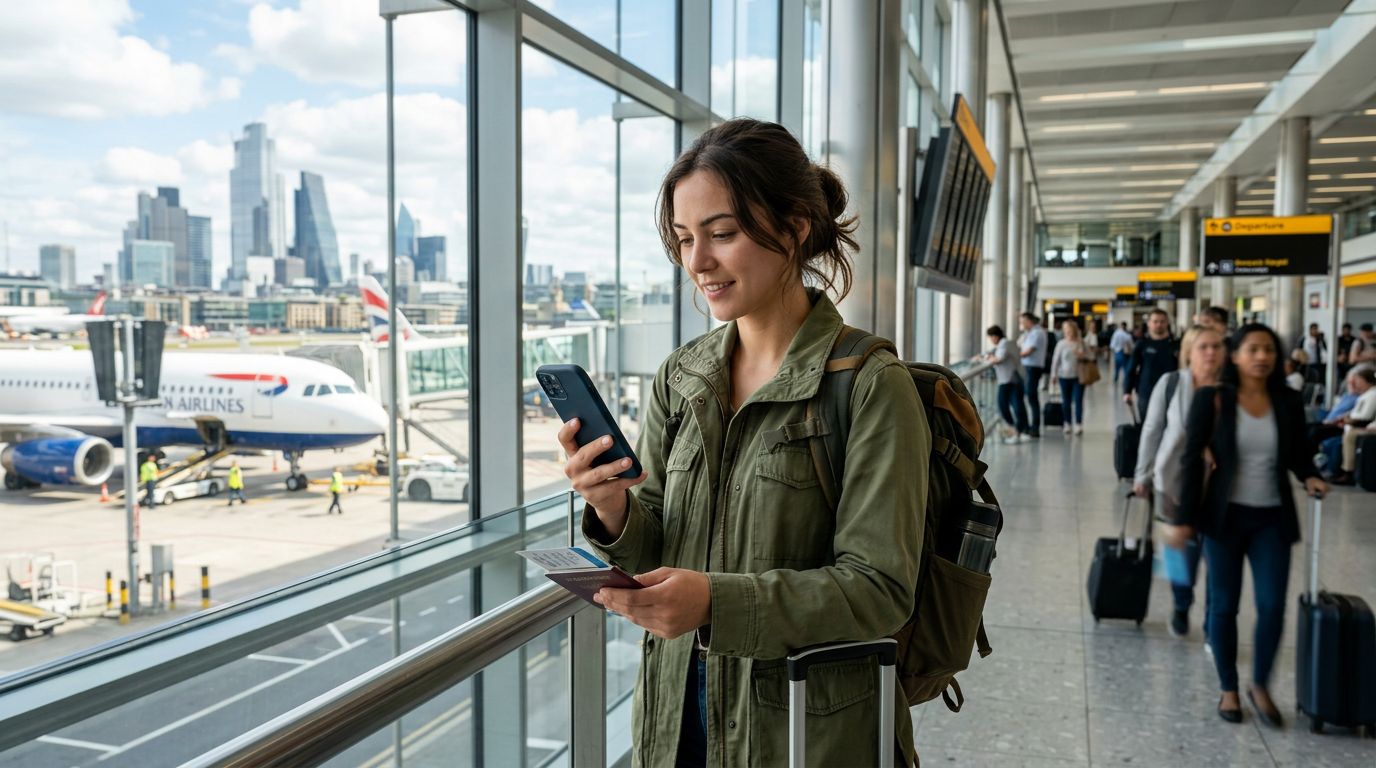
The shift toward eSIM technology has transformed the way people travel. With an eSIM, you can purchase and activate your mobile plan before you even leave your house. By the time your plane touches down at Heathrow or Gatwick, your phone is ready to connect to a local network. This eliminates the need to hunt for a shop or deal with physical hardware.
One of the most significant benefits of using an eSIM, such as those provided by OneTapSIM, is the ability to keep your home number active. Because you do not need to remove your primary SIM card, you can continue to receive important SMS messages or calls from home while using your eSIM for data. This is particularly useful for two-factor authentication codes required by banks or other secure applications.
Flexibility is another major advantage. If your travel plans change or you decide to extend your stay, you can often manage your data usage or purchase additional coverage through a mobile app without needing to visit a store. This digital-first approach provides a seamless experience that allows you to focus on your trip rather than the logistics of your mobile service. Modern devices from manufacturers like Apple and Google have made the installation process highly intuitive, often requiring only a quick scan of a QR code or a few taps in your settings menu to get online.
Comparing Convenience and Reliability
When evaluating the United Kingdom SIM card vs eSIM, reliability is a key consideration. Both options generally offer access to the same local cellular networks. Whether you use a physical card or a digital one, you are ultimately relying on the established infrastructure of UK mobile operators. Therefore, the coverage quality is usually comparable. The difference lies in the user experience of getting that coverage.
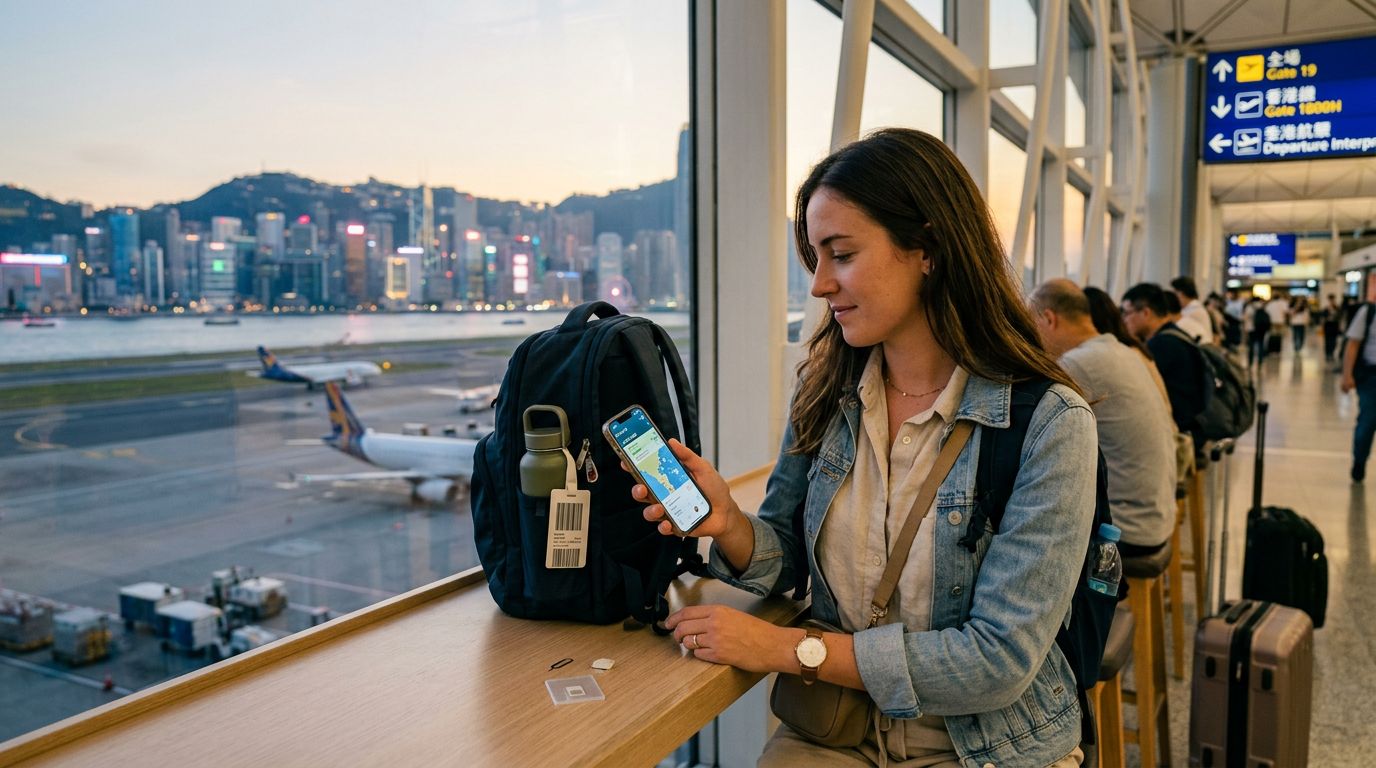
Physical SIM cards are prone to damage. The gold contact points can get scratched, or the card itself can bend, leading to connectivity issues. Additionally, the process of opening your phone’s SIM tray requires a specific tool, which is easy to misplace while traveling. If you lose that tool, you might find yourself unable to change your SIM card if a problem arises.
An eSIM removes these mechanical points of failure. Because the technology is integrated into your phone’s motherboard, there is no risk of the card falling out or getting damaged. Furthermore, the installation process is standardized. If you need assistance, you can usually contact your service provider’s support team directly through their website or app, which is often faster than waiting for service in a crowded retail location.
Making the Right Choice for Your Trip
Deciding between a physical card and an eSIM depends on your specific hardware and your comfort level with technology. If you are using a recent model smartphone, an eSIM is almost always the superior choice due to the ease of activation and the ability to maintain your home number. It removes the stress of arrival-day logistics and provides a clean, efficient way to manage your mobile data throughout your UK journey.
OneTapSIM focuses on providing a streamlined experience for travelers who want to avoid the pitfalls of traditional SIM cards. By offering an easy-to-use digital solution, it allows you to get connected without the need for physical hardware swaps or long queues at the airport. Whether you are traveling for business or pleasure, having a reliable connection is the backbone of a successful trip.
Before you depart, verify that your device is carrier-unlocked, as this is a requirement for using any non-home SIM or eSIM. You can check your device settings or consult the support pages for Apple or Google to confirm your phone’s compatibility. Once you have confirmed your device is ready, choosing an eSIM allows you to hit the ground running. By opting for a digital solution, you save time, reduce the risk of losing your home SIM, and gain the freedom to manage your connectivity on your own terms. As you prepare for your upcoming travels, consider how much value you place on convenience and peace of mind. For most modern travelers, the answer is clear: the digital route offers a smoother, more reliable path to staying connected in the United Kingdom.
Get an eSIM for
Plans for the destinations covered in this guide, with instant QR delivery.