Understanding the Geographic Heart of Turkey
When travelers ask, "Turkey where is it?" they are often met with a complicated answer that reflects the country’s unique position at the edge of two continents. Turkey is a transcontinental nation, meaning its landmass spans both Europe and Asia. The vast majority of the country, known as the Anatolian Peninsula, sits in Western Asia, while a smaller portion, Eastern Thrace, is located in Southeast Europe. These two regions are separated by the Turkish Straits—the Bosphorus, the Sea of Marmara, and the Dardanelles.
This geographic positioning makes Turkey a true crossroads of civilizations. To the west lies the Mediterranean Sea and Greece, while to the east, the country shares borders with nations like Iran, Iraq, and Armenia. To the north, the Black Sea separates Turkey from Eastern Europe, and to the south, the country opens up toward the Middle East. Because of this location, Turkey has served as a bridge for trade, culture, and migration for thousands of years.
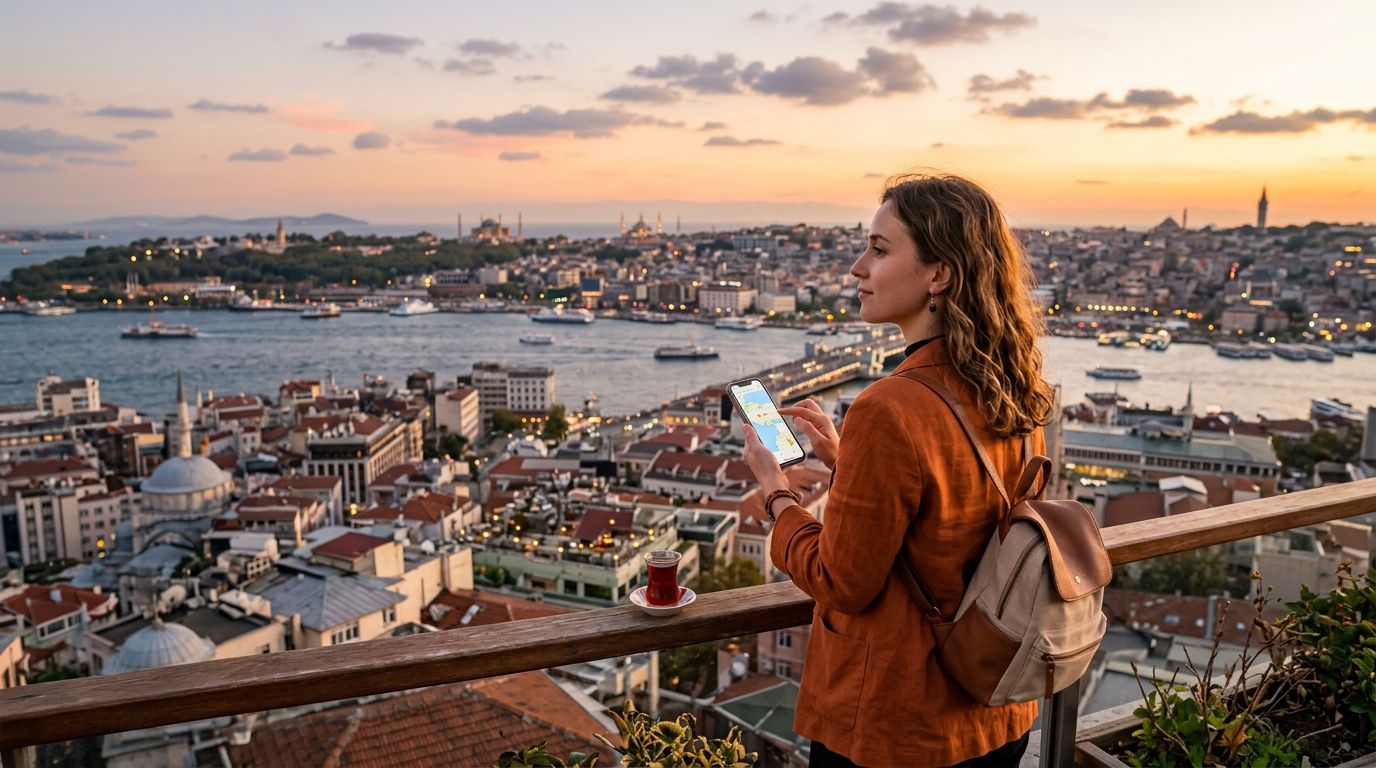
For the modern traveler, this blend of geography means that a trip to Turkey is never just one experience. You might start your morning in Istanbul, where you can walk across the Bosphorus Bridge and physically move from one continent to another in a matter of minutes. This duality defines the Turkish experience, influencing everything from the architecture in the cities to the ingredients found in local markets. Whether you are exploring the mountainous landscapes of the east or the coastal resorts of the Aegean, you are constantly reminded that you are standing at the intersection of the world.
Planning Your Journey Across the Continents
Once you understand the geography, the next step is planning how to move through such a diverse landscape. Turkey is a large country, and the distances between major sites can be significant. If you are flying into Istanbul, you are landing in the primary gateway that connects international travelers to the rest of the country. From there, your itinerary might take you toward the surreal landscapes of Cappadocia, the ancient ruins of Ephesus, or the turquoise waters of the Mediterranean coast.
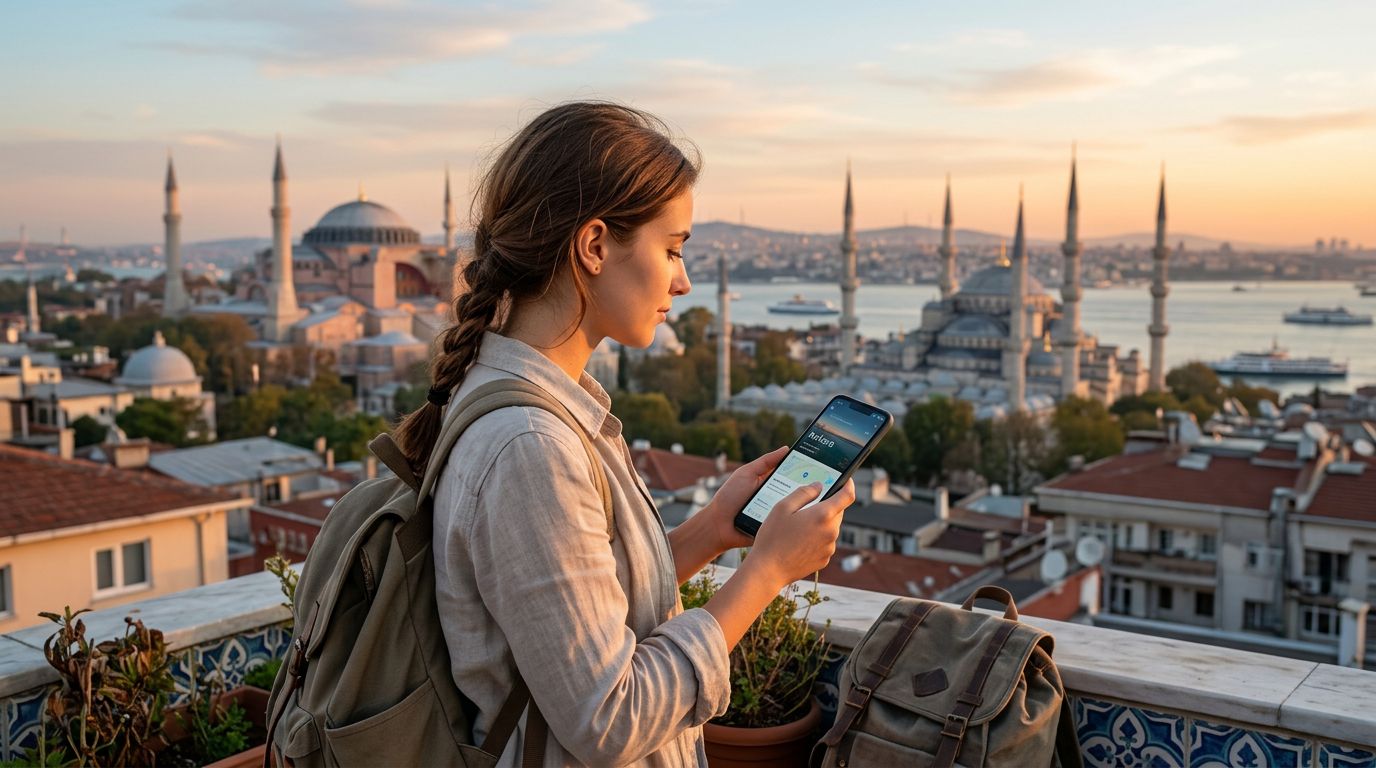
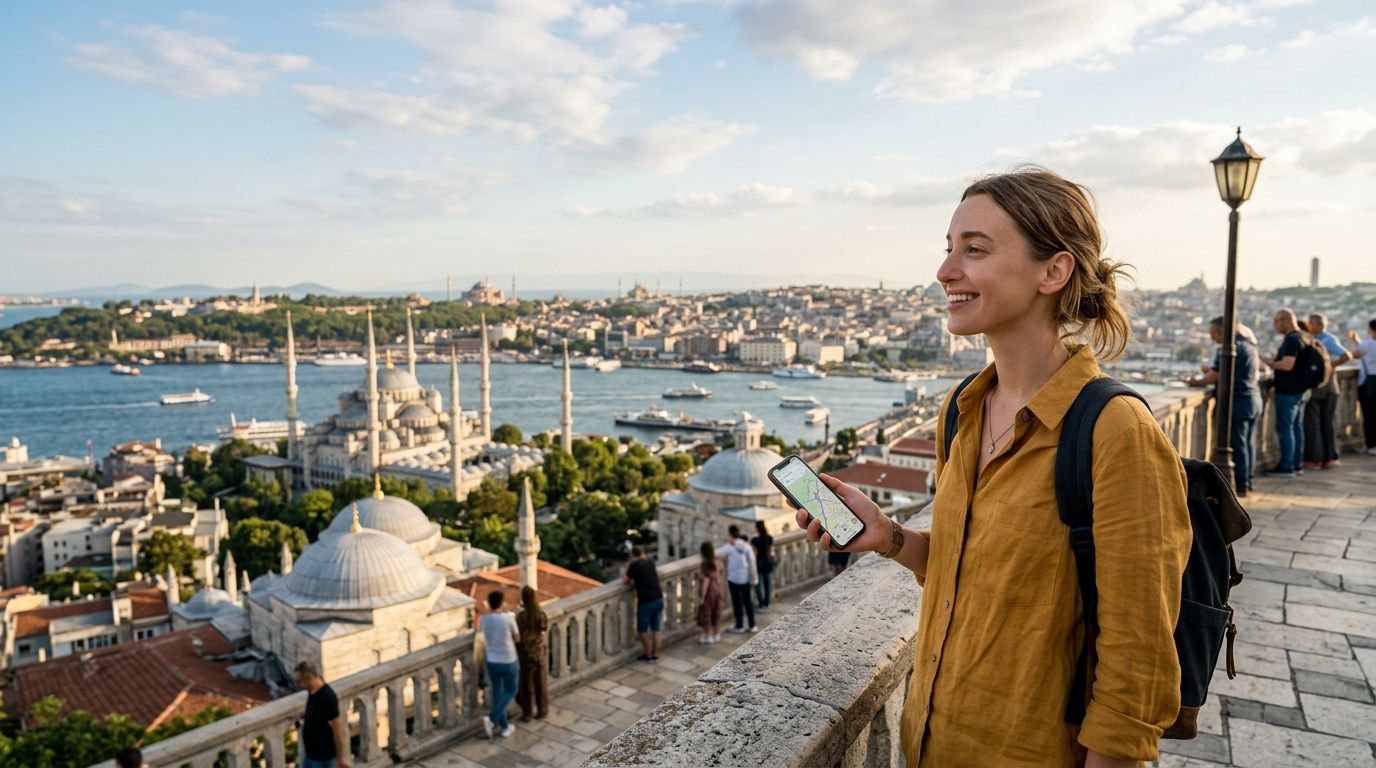
Staying connected while you travel is essential for managing these long-distance journeys. Whether you are checking bus schedules, translating local menus, or using GPS to find your way through the winding streets of a historic bazaar, having reliable data is a necessity. Many travelers choose to use an eSIM from OneTapSIM to ensure they have a stable connection the moment they touch down. By activating a digital plan before you even leave home, you avoid the hassle of searching for local kiosks or dealing with physical SIM cards at the airport.
Having a reliable data connection also allows you to be flexible with your plans. If you decide to extend your stay in a coastal village or take an unexpected detour to a mountain town, you can easily look up accommodation or transport options on the go. In a country as vast and varied as Turkey, this level of digital independence allows you to focus on the experience rather than the logistics. You can spend your time admiring the intricate tile work of the Blue Mosque or enjoying a traditional tea in a seaside café, knowing that your navigation and communication tools are ready to go.
Embracing the Cultural Tapestry
The question of where Turkey is located extends beyond physical maps; it is also a question of cultural identity. The country’s history is a layered narrative of the Byzantine, Ottoman, and Roman Empires, all of which left their mark on the landscape. As you travel from the bustling, cosmopolitan streets of Istanbul to the quiet, ancient villages of the interior, you will notice how the culture shifts and adapts.
In the western regions, the influence of Mediterranean culture is strong, with an emphasis on fresh seafood, olive oils, and a relaxed, coastal lifestyle. As you move toward the center of the country, the climate becomes more continental, and the traditions reflect a long history of agricultural and nomadic life. The hospitality in Turkey is legendary, and it is common for locals to go out of their way to help visitors find their way or recommend a hidden spot that isn’t in the guidebooks.
To truly appreciate this tapestry, it helps to engage with the local environment as much as possible. While technology keeps you connected, the goal should always be to look up from your screen and interact with the world around you. Use your digital tools to facilitate your journey, not to distract from it. Whether you are using a translation app to order a local specialty or checking a map to find a historic site, these tools are there to support your exploration.
Turkey’s unique position at the crossroads of the world means it offers something for every type of traveler. From the history buff interested in ancient civilizations to the outdoor enthusiast looking to hike the rugged peaks of the Taurus Mountains, the country provides a rich, multifaceted experience. By understanding where Turkey is and how it connects the East and the West, you gain a deeper appreciation for the diversity you will encounter. As you prepare for your trip, remember that the best way to experience this crossroads is to remain open to the unexpected. With your logistics handled by a service like OneTapSIM, you are free to wander, explore, and immerse yourself in the vibrant, historical, and geographic wonder that is Turkey.
Get an eSIM for
Plans for the destinations covered in this guide, with instant QR delivery.