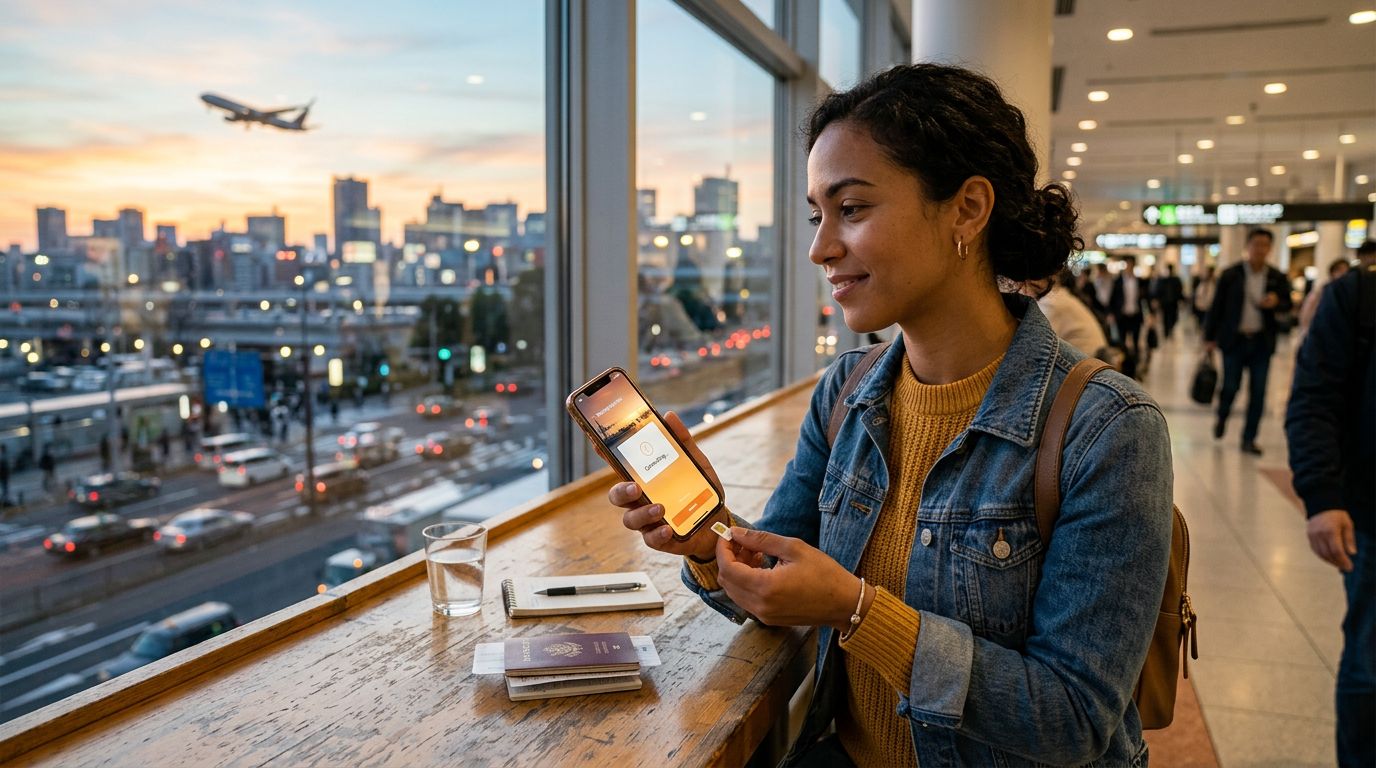
Understanding the Evolution of Connectivity
For decades, the physical SIM card was the only way to connect a mobile device to a cellular network. These small plastic chips served their purpose well, acting as the unique identifier for your phone number and subscription. However, the travel landscape has shifted. As travelers increasingly rely on their smartphones for navigation, translation, ride-sharing, and staying in touch with family, the limitations of physical cards have become more apparent.
The primary friction point with physical SIMs is the logistical burden. You must track down a local kiosk upon landing, fiddle with a tiny tray using a specialized tool, and carefully store your home SIM card to avoid losing it. If you are visiting multiple countries, this process repeats at every border.
An eSIM, or embedded SIM, changes this dynamic by digitizing the process. It is a chip built directly into the hardware of modern smartphones. Instead of swapping out hardware, you download a digital profile that tells your phone how to connect to a local network. This shift allows for a more seamless transition between home and abroad, removing the physical vulnerability of tiny plastic cards that are easily misplaced or damaged.
Travel eSIM vs Physical SIM Card: Key Differences
When comparing a travel eSIM vs physical SIM card, the most significant difference is convenience. With a physical SIM, you are tethered to the availability of local vendors. If your flight arrives late at night or you land in a remote area, finding a shop that sells tourist SIMs can be a major hurdle. Even if you find a vendor, you often face language barriers and the risk of purchasing a card that does not work as advertised.
eSIM technology allows you to prepare before you even leave your house. By purchasing a data plan through a provider like OneTapSIM, you can install your connection profile while still connected to your home Wi-Fi. As soon as your plane touches down, you simply toggle the setting on your device, and you are online.
Another critical factor is device management. Most modern smartphones allow you to store multiple eSIM profiles simultaneously. While you can typically only have one active at a time, switching between them is as simple as tapping a menu option. This is a massive advantage for frequent travelers who might visit several countries in a single trip. You can pre-load your profiles for each destination, ensuring that you are never without service.
Furthermore, using an eSIM allows you to keep your primary SIM card active. This means you can continue to receive important SMS messages or calls on your home number while using your eSIM for data. With a physical SIM, you would have to remove your home card entirely, leaving you disconnected from your primary identity unless your phone supports a dual-SIM setup that accommodates both a physical card and an eSIM.
Practical Considerations for Your Next Trip
Before deciding which option is right for your journey, there are a few technical requirements to consider. First and foremost, your device must be carrier-unlocked. If your phone is locked to a specific mobile operator, it will not accept a third-party eSIM or a foreign physical SIM card. You can usually verify your device's status through your carrier’s settings menu or by contacting their support team.
Second, you must ensure your phone is eSIM-compatible. While most flagship devices released in the last few years support this technology, it is always wise to check your specific model’s specifications. You can find comprehensive lists of compatible devices on the official support pages for major manufacturers like Apple or Google.
Once you have confirmed compatibility, the installation process is straightforward. With OneTapSIM, you receive a digital profile that is activated via a QR code or a manual activation string. The phone handles the heavy lifting, configuring the APN settings and network preferences automatically. This eliminates the manual configuration steps that often plague travelers using local physical SIMs, where you might have to spend time troubleshooting network settings to get your data connection running.
Security is another often-overlooked benefit. Physical SIM cards are susceptible to damage from moisture, heat, or simple mechanical failure. If you lose your home SIM card, replacing it can be a bureaucratic nightmare involving your home carrier. By keeping your home SIM safely inside your phone and using an eSIM for your travel data, you eliminate the risk of losing or damaging your primary card.
Finally, consider the environmental impact and clutter. Physical SIM cards require plastic manufacturing and shipping, and the packaging often ends up as waste. eSIMs are entirely digital, reducing the carbon footprint associated with your travel connectivity. For the minimalist traveler, the ability to eliminate the need for extra accessories like SIM ejector tools and plastic card holders is a welcome relief.
Ultimately, the choice between a travel eSIM vs physical SIM card comes down to how much you value your time and peace of mind. While physical SIMs will remain a fallback option in regions where digital infrastructure is still developing, the convenience, security, and flexibility of eSIMs make them the superior choice for the vast majority of international trips. By preparing your connectivity in advance, you can focus on the experience of your destination rather than the logistics of staying connected. Whether you are navigating a new city or sharing photos of your trip in real-time, having a reliable, pre-installed data plan ensures that your technology works for you, not the other way around.