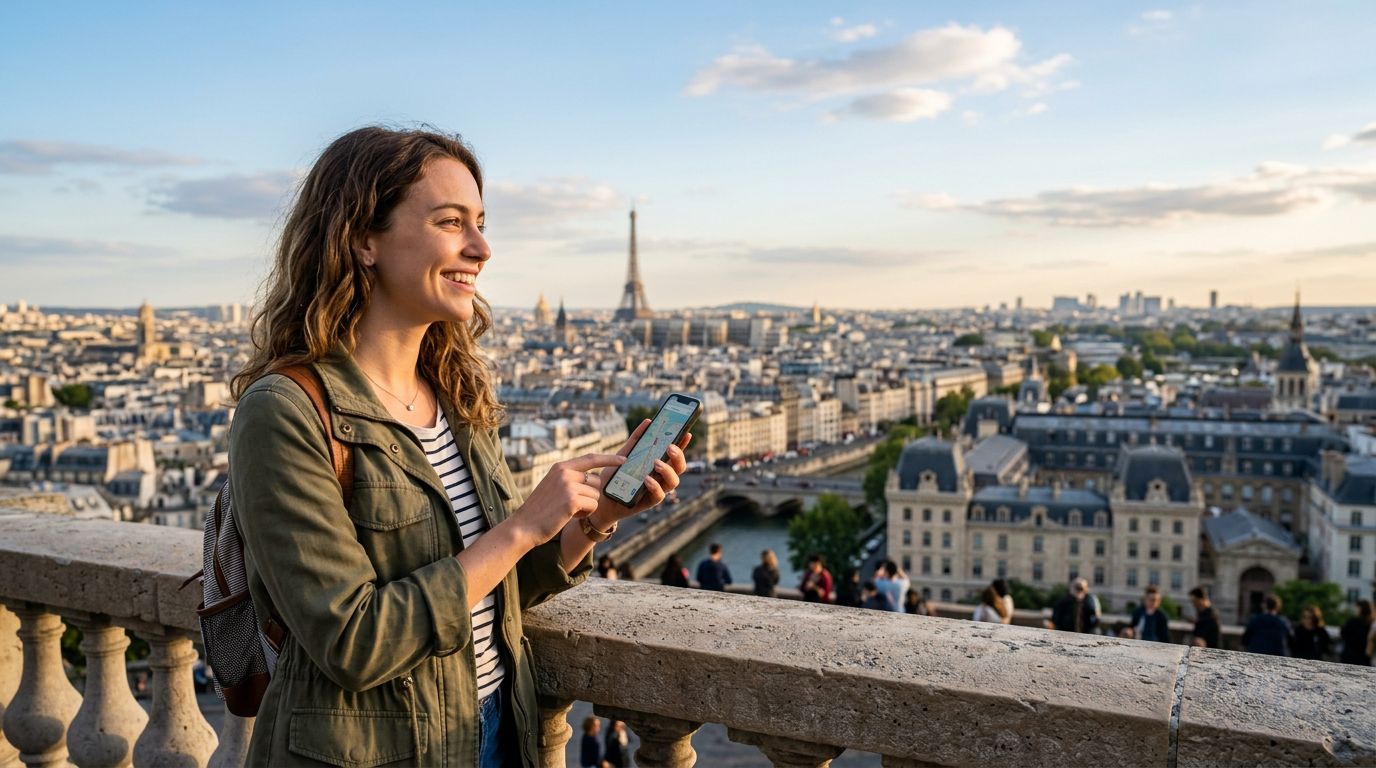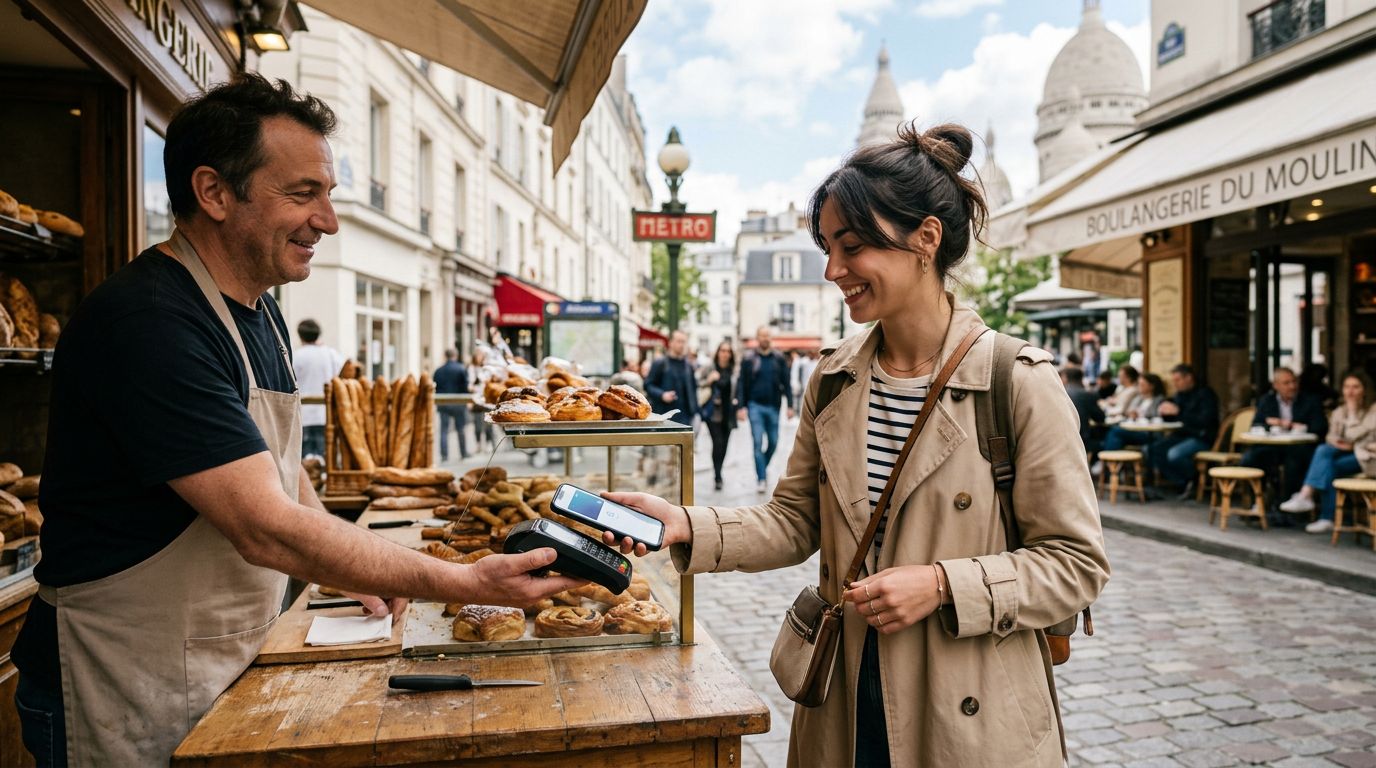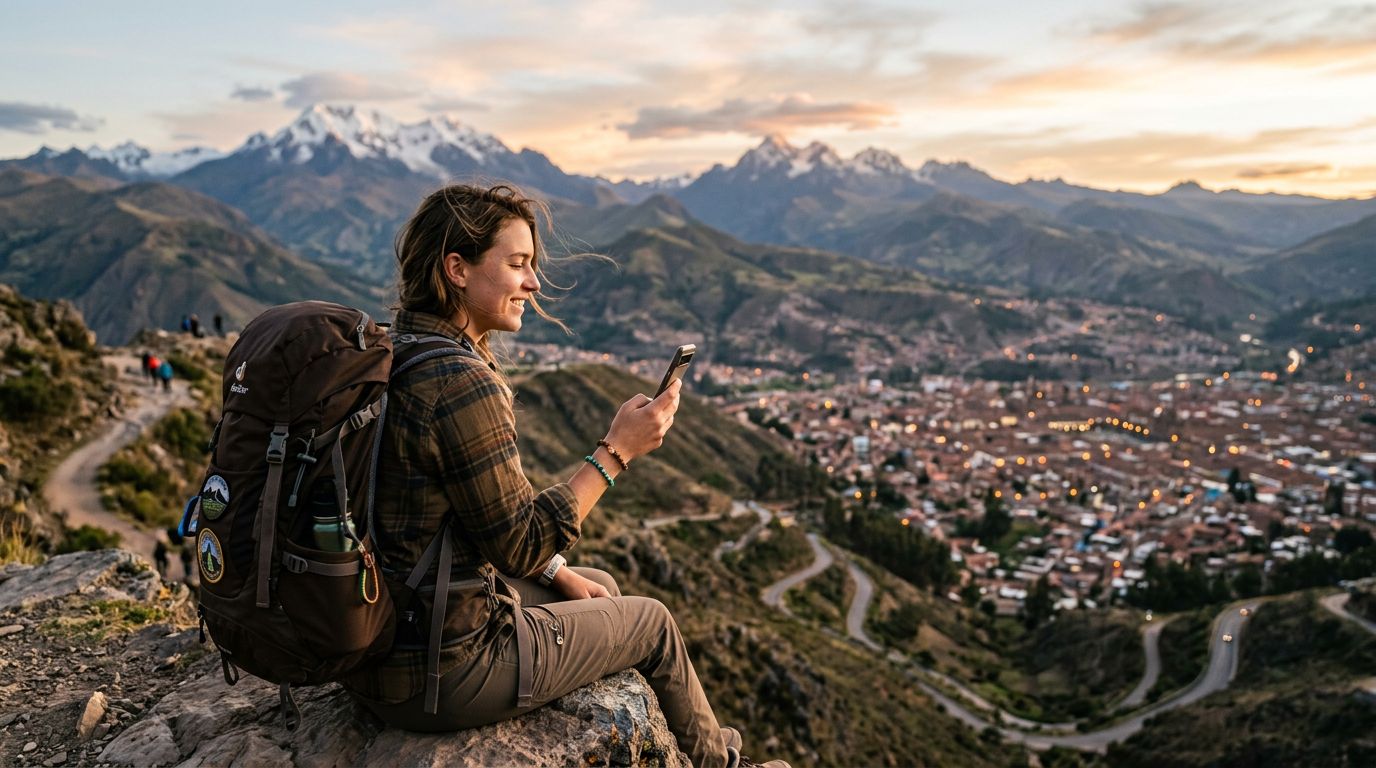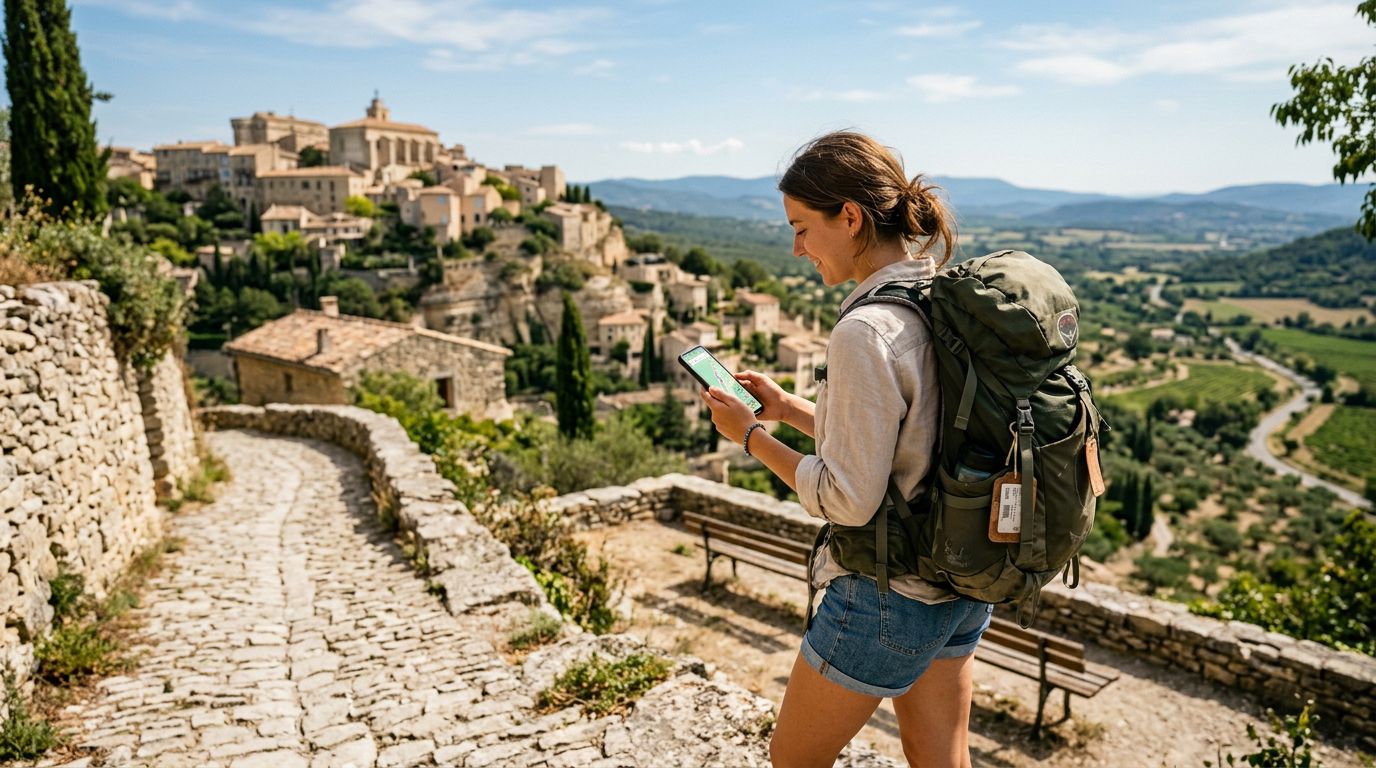
Backpacking through France is a dream for many travelers. Whether you are wandering through the historic streets of Paris, hiking the rugged trails of the Pyrenees, or cycling through the vineyards of Bordeaux, the experience is transformative. However, the joy of exploration can quickly fade if you find yourself lost without a map or unable to translate a menu. Staying connected while backpacking in France is essential for safety, convenience, and sharing your journey with those back home.
Why Reliable Connectivity Matters for Backpackers
When you are traveling with just a backpack, every ounce of weight and every bit of stress matters. Relying on public Wi-Fi in cafes or hostels is often a recipe for frustration. Public networks are frequently slow, unreliable, and pose potential security risks for your personal data. When you are moving between cities or exploring remote villages, you need a consistent connection that moves with you.
Having mobile data at your fingertips allows you to use real-time navigation apps to find the best train routes or locate the nearest pharmacy. It enables you to use translation tools when you encounter a language barrier, which is common in smaller, non-touristy towns. Furthermore, staying connected provides peace of mind. Being able to check in with family or access emergency services instantly is a fundamental aspect of responsible travel.
Many backpackers make the mistake of assuming they can simply rely on their home carrier’s international roaming plan. While this is an option, it is often prohibitively expensive or subject to strict data caps that throttle your speed once you hit a limit. This is where modern solutions like eSIM technology become incredibly valuable for the independent traveler.
The Advantages of eSIM Technology
An eSIM, or embedded SIM, is a digital version of the physical SIM card you have used for years. Instead of needing to visit a local shop, find a tiny paperclip to eject your tray, and risk losing your original card, you can activate a new data plan directly on your device. This technology is built into most modern smartphones, making it the most efficient way to handle connectivity while backpacking.
The primary benefit of using an eSIM is the ability to prepare before you even board your flight. You can purchase and install your data plan while sitting at home, and it will activate the moment you land on French soil. This eliminates the stress of searching for a mobile provider at the airport after a long, exhausting flight.
OneTapSIM offers a streamlined experience for travelers who want to avoid the hassle of physical cards. By choosing a digital solution, you keep your primary SIM card in your phone, which allows you to continue receiving important SMS messages or calls from home if necessary, while your data is routed through the local network. This dual-SIM functionality is a significant advantage for backpackers who need to balance their home life with their travel requirements.
Furthermore, eSIMs are environmentally friendly. By removing the need for plastic cards and paper packaging, you are making a small but positive contribution to sustainable travel. Since you manage everything through your phone settings, you also avoid the risk of physical damage to your SIM card during the rigors of backpacking, such as hiking in humid conditions or moving between hostels.
Practical Tips for Managing Data on the Road
Even with a reliable data plan, it is wise to manage your usage to ensure you have coverage throughout your entire trip. Backpacking often involves long periods of travel, and you do not want to run out of data while trying to navigate a new city.
First, adjust your phone settings to prevent background data usage. Many apps automatically update or sync in the background, consuming data without you even realizing it. You can restrict these background processes for non-essential apps in your phone’s settings menu. This simple step can save a significant amount of data over the course of a few weeks.
Second, download offline maps and language packs. Most major navigation apps allow you to save entire regions for offline use. By downloading the map of a city before you head out for the day, you can navigate using your phone's GPS without needing a constant data connection. Similarly, downloading a French language pack for your translation app ensures you can communicate even in areas with poor cellular reception.
Third, be mindful of media-heavy activities. Streaming high-definition video or uploading large batches of photos to social media will deplete your data allowance rapidly. Save these activities for when you are back at your accommodation and have access to a secure Wi-Fi connection. If you must share your experiences on the go, consider uploading lower-resolution versions of your photos or waiting until you have a stable connection.
Finally, keep a portable power bank in your bag. Using GPS, translation apps, and mobile data can drain your battery faster than normal. A dead phone is just as useless as having no signal, so ensure you have a reliable way to charge your device throughout the day.
Staying connected while backpacking in France does not have to be a complicated or expensive endeavor. By leveraging modern technology like OneTapSIM and adopting smart data management habits, you can focus on what truly matters: the culture, the food, and the incredible landscapes of France. Whether you are navigating the metro in Paris or finding a hidden trail in the Alps, having a reliable digital connection ensures that your adventure remains smooth, safe, and memorable. Preparation is the key to a stress-free trip, and with the right tools, you can explore with confidence.
Get an eSIM for
Plans for the destinations covered in this guide, with instant QR delivery.