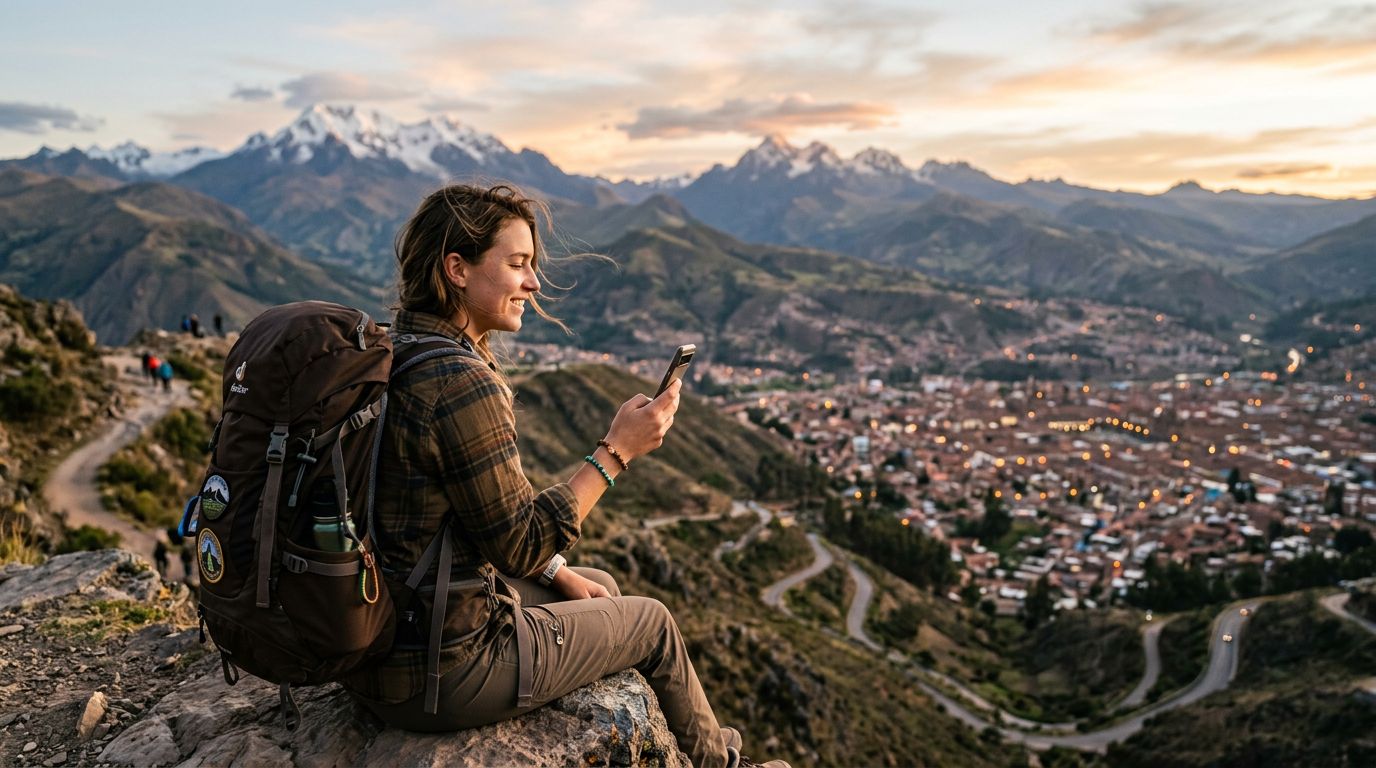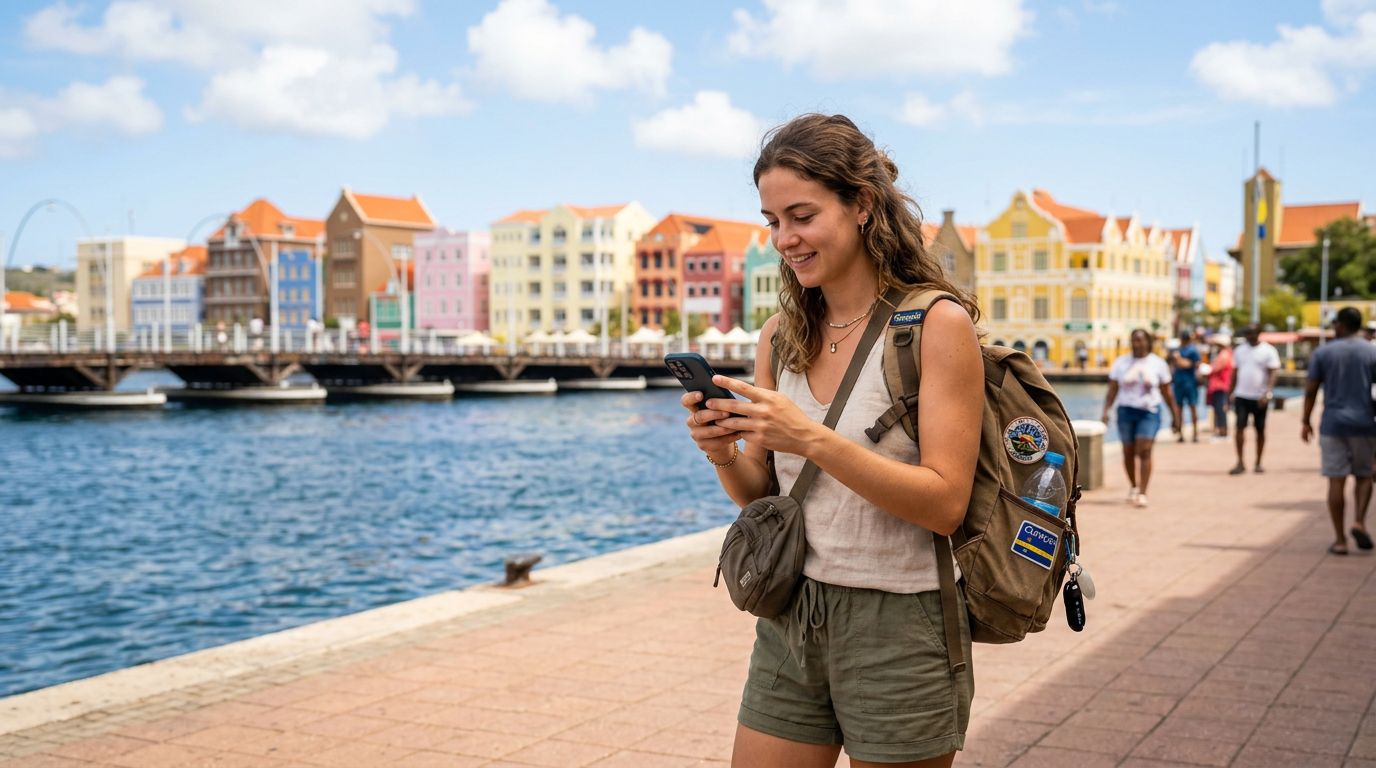
Curacao is a Caribbean gem known for its vibrant architecture, hidden coves, and world-class diving spots. For backpackers, it offers a unique blend of European influence and tropical relaxation. However, the experience of exploring this island can be significantly improved by having reliable internet access. Whether you are searching for the best local food in Willemstad, tracking your hiking route through Christoffel National Park, or sharing photos of the turquoise waters with your friends back home, staying connected while backpacking in Curacao is a priority that requires a bit of planning.
Why Reliable Connectivity Matters for Backpackers
Backpacking is often about spontaneity, but having a map in your pocket is a safety net that you should never underestimate. Curacao is a relatively small island, but it is filled with winding roads, secluded beaches, and remote trails where getting lost is easier than you might think. When you rely on a stable data connection, you can use GPS services to navigate between the colorful streets of Punda and the rugged northern coast without stress.
Beyond navigation, connectivity serves as your primary tool for logistics. You might need to check the bus schedule, confirm a hostel booking, or translate a menu written in Papiamento. Furthermore, the social aspect of travel is heavily tied to digital communication. Being able to look up reviews for a local beach shack or checking the weather forecast before heading out for a day of snorkeling ensures that your time on the island is spent enjoying the scenery rather than troubleshooting logistical hiccups.
Public Wi-Fi is available in many cafes and hotels, but relying on these spots can be restrictive. You do not want to be tethered to a coffee shop when you could be exploring the salt flats or visiting the Hato Caves. Having a personal data connection allows you to move freely, giving you the liberty to change your plans on the fly without worrying about where to find the next hotspot.
Exploring Your Options for Mobile Data
When you arrive in a new country, the search for a local SIM card can be a tedious process. You might find yourself wandering through the airport or searching for a mobile provider’s store in the city center, only to be met with language barriers, long queues, and the need to provide physical identification. For a backpacker, time is the most valuable resource, and spending half a day setting up a local phone plan is far from ideal.
Physical SIM cards also come with the risk of loss or damage. If you are constantly swapping cards between countries, the tiny plastic chip can easily fall out of your wallet or be misplaced in your backpack. This is where modern technology provides a seamless alternative. An eSIM, or embedded SIM, allows you to activate a mobile data plan directly on your device without the need for a physical card.
OneTapSIM provides an efficient way to manage your connectivity needs. By choosing an eSIM, you can pre-configure your data plan before you even board your flight. Once you land in Curacao, your device connects to the local network automatically. This eliminates the need to hunt for a kiosk or deal with unfamiliar paperwork. It is a streamlined approach that fits perfectly into a minimalist backpacking lifestyle, as it keeps your phone hardware intact and your setup process entirely digital.
Practical Tips for Managing Data Usage
Even with a reliable data plan, it is wise to be mindful of how you consume your mobile allotment. Backpacking often involves long days away from power sources and stable networks, so optimizing your phone settings can help you stay connected for longer.
Start by adjusting your app settings to prevent background data usage. Many social media and cloud storage applications automatically sync photos and videos in the background, which can quickly consume your data allowance. You can manually toggle these settings in your phone’s system preferences to ensure that data is only used when you explicitly open an app. Additionally, consider downloading offline maps for the entire island. Both major mobile operating systems and map service providers offer features that allow you to save specific regions for offline use. This ensures that you can always find your way back to your accommodation, even if you find yourself in a dead zone or decide to conserve your data for other tasks.
Another strategy is to manage your media consumption. Streaming high-definition video or audio while on the move is the fastest way to deplete your data. Instead, download your favorite podcasts, playlists, or e-books while you are connected to a stable Wi-Fi network at your hostel. This way, you have entertainment for your bus rides or beach downtime without needing to tap into your mobile data.
Finally, keep an eye on your battery health. Using GPS and mobile data simultaneously can drain your battery rapidly. Carrying a portable power bank is a standard practice for most backpackers, but pairing it with efficient data habits ensures that your phone remains a functional tool throughout the entire day. By combining the convenience of an eSIM with these smart usage habits, you can focus on the important things—like deciding which beach to visit next or finding the best sunset view on the island.
Staying connected while backpacking in Curacao does not have to be a complicated affair. By planning ahead and choosing a solution that integrates smoothly with your travel style, you can enjoy the freedom of the island while remaining just a few taps away from the information you need. Whether you are navigating the historic districts or relaxing on the shore of a quiet bay, having consistent access to the digital world makes your journey safer, more organized, and ultimately more enjoyable.
Get an eSIM for
Plans for the destinations covered in this guide, with instant QR delivery.