Understanding International Connectivity in the UAE
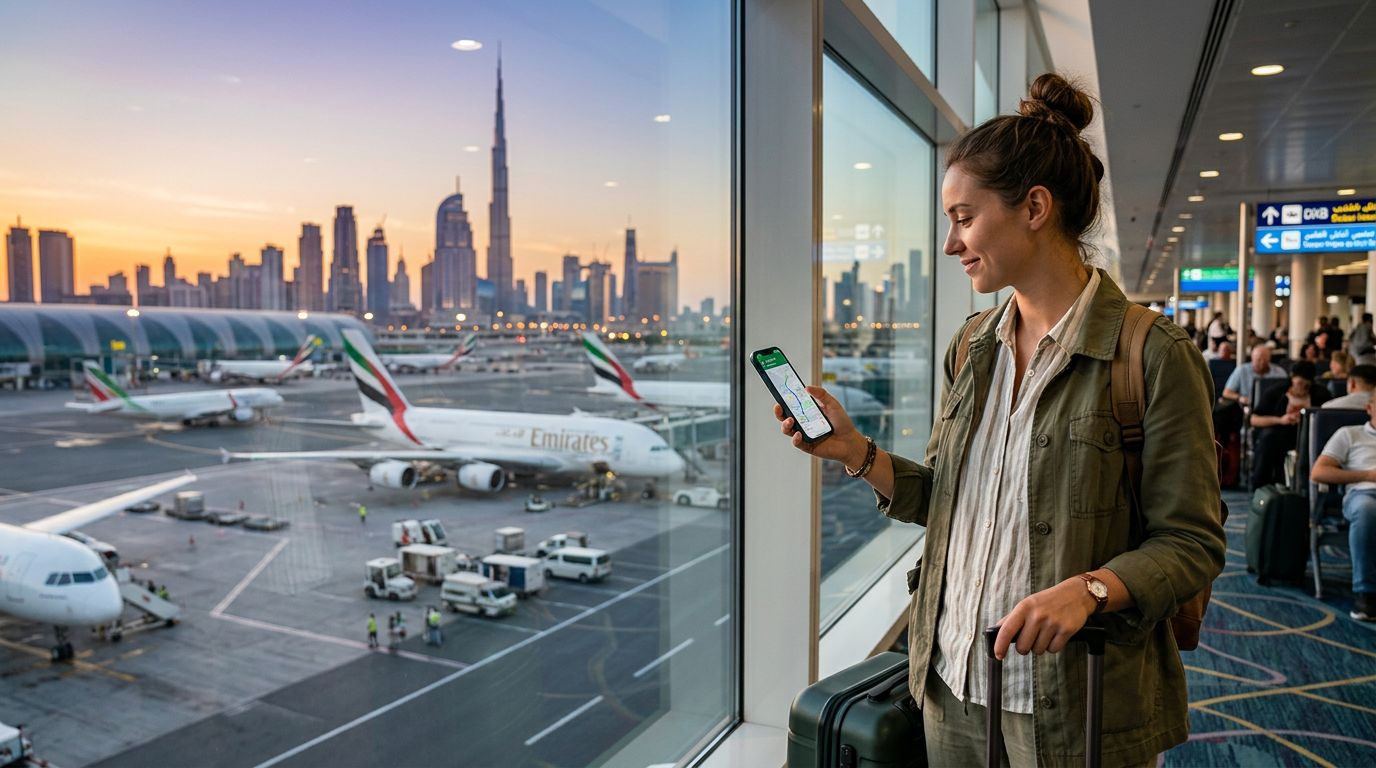
Traveling to the United Arab Emirates often involves a mix of excitement for the futuristic architecture of Dubai and the cultural richness of Abu Dhabi. However, maintaining connectivity remains a primary concern for international visitors. When planning your trip, you are typically faced with two main choices: relying on your home carrier’s roaming services or opting for a digital travel eSIM.
Traditional roaming is the method most people are familiar with. It involves using your existing SIM card while abroad, allowing your home provider to connect to a local network in the UAE. While this is undeniably convenient because it requires no hardware changes or configuration, it often comes with significant drawbacks. The most prominent issue is the lack of transparency regarding usage. Many travelers return home to find unexpected charges on their monthly statements because they underestimated how much data background applications consume while connected to foreign towers.
An eSIM, or embedded SIM, operates differently. It is a digital version of a physical SIM card that is built directly into the hardware of modern smartphones. By choosing a dedicated travel eSIM for your trip, you are essentially purchasing a temporary data plan from a local network provider in the UAE without needing to visit a physical store or swap out your home SIM card. This approach separates your home phone number from your data usage, providing a cleaner, more controlled experience.
The Pros and Cons of Traditional Roaming
Roaming is often marketed as the "hassle-free" option because it requires zero preparation. You land at Dubai International Airport, your phone searches for a signal, and within moments, you are connected. For short trips where you only need to check an occasional email or send a quick text, some find this simplicity appealing. However, the reliance on your home carrier means you are subject to their specific international agreements. If your provider does not have a strong partnership with local UAE networks, you might experience throttled speeds or inconsistent coverage in remote areas of the desert or even inside large shopping malls.
Another major downside of roaming is the security risk associated with "open" connections. When you roam, your data traffic is often routed back through your home country’s servers before reaching the internet. This can lead to increased latency, making web pages load slowly and video calls feel choppy. Furthermore, if you are not careful with your settings, your phone might automatically download large system updates or cloud backups over the cellular connection, leading to massive data consumption that you might not notice until it is too late.
While some carriers offer "daily pass" systems, these are rarely as cost-effective as they appear. You are paying for the convenience of not changing a setting, but you are also paying a premium for the privilege. For travelers who require reliable, high-speed data for navigation, ride-sharing apps, and sharing photos, the roaming model often fails to keep up with the demands of modern travel.
Why eSIM is the Preferred Choice for Modern Travelers
The rise of eSIM technology has shifted the landscape of international travel. Using a service like OneTapSIM allows you to manage your connectivity before you even leave your home country. By installing your eSIM profile via a QR code or a manual activation code, you ensure that as soon as your plane touches down in the UAE, you have a local data connection waiting for you.
One of the greatest advantages of using a travel eSIM is the ability to keep your home SIM active for calls and SMS while using the eSIM specifically for data. This allows you to receive important two-factor authentication codes or urgent calls on your primary number while enjoying high-speed, local data rates through the eSIM. This dual-SIM functionality is supported by almost all modern smartphones, and you can easily manage which SIM is used for which purpose in your phone's cellular settings.
Security and privacy are also enhanced when using a dedicated travel eSIM. Because the data does not need to be routed back to your home country, you experience significantly lower latency. This makes applications like Google Maps or real-time translation tools function much more smoothly. Additionally, you have full control over your data usage. You can see exactly how much data you have consumed through your phone's built-in usage tracker, and because you have already secured your plan, there is no risk of "bill shock" upon returning home.
If you are concerned about technical hurdles, the process has become incredibly user-friendly. Most modern devices, including those running iOS or Android, have dedicated sections in their settings menus to manage eSIMs. You can verify your device's compatibility through resources provided by Apple or Google. Once you verify that your phone is unlocked and supports eSIM technology, setting up your connection takes only a few minutes.
When deciding between roaming vs eSIM for United Arab Emirates, consider your specific needs. If you are a light user who only needs to check messages once a day, roaming might suffice. However, for the vast majority of travelers who rely on their phones for maps, ride-sharing, restaurant reservations, and staying connected with family, a travel eSIM provides a superior, more predictable, and more efficient experience. By opting for a dedicated service, you spend less time worrying about your connection and more time enjoying the unique experiences the UAE has to offer. Whether you are visiting the Burj Khalifa or exploring the cultural districts of Sharjah, having a reliable, independent data source ensures that your digital experience remains as seamless as your travel itinerary.
Get an eSIM for
Plans for the destinations covered in this guide, with instant QR delivery.