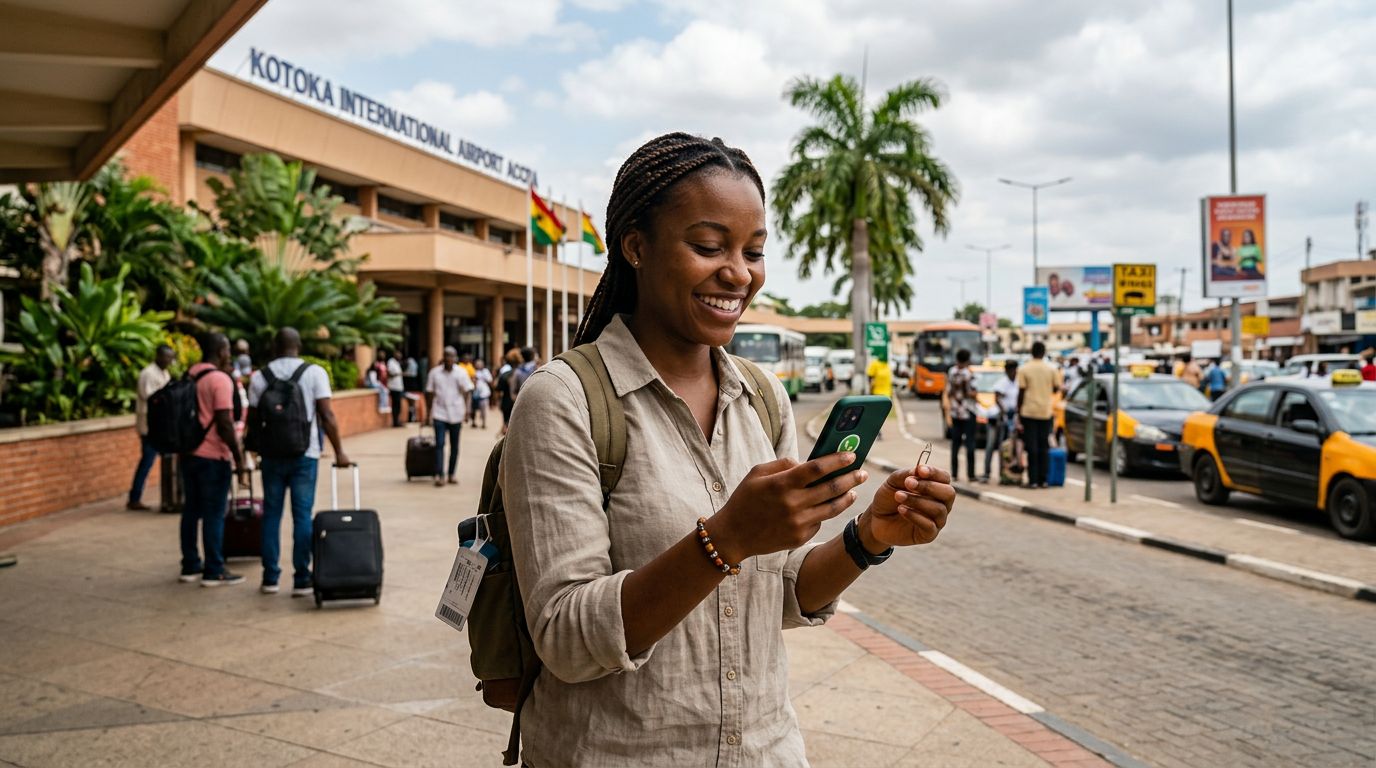
Planning a trip to Ghana is an exciting endeavor. Whether you are heading to Accra for business, exploring the historic Cape Coast Castle, or visiting the vibrant markets of Kumasi, staying connected is essential. Communication allows you to use GPS for navigation, translate local phrases, share your experiences on social media, and keep in touch with family back home. When preparing for your journey, one of the most common dilemmas travelers face is choosing the right connectivity method. The debate between traditional roaming and using a travel eSIM for a Ghana trip is a significant consideration for any modern traveler.
Understanding Traditional International Roaming
International roaming is the service provided by your home mobile carrier that allows you to use your existing phone number and data plan while abroad. When you arrive in Ghana, your phone automatically connects to a local partner network that has an agreement with your home provider.
The primary appeal of roaming is convenience. You do not need to change your SIM card or install any new software. Your phone number remains the same, meaning you will continue to receive SMS messages, including two-factor authentication codes for banking or email accounts, without any extra steps. For some, this sense of familiarity is worth the potential drawbacks.
However, relying on traditional roaming can be problematic. Many home carriers impose strict limitations on international usage. You may find that your data speeds are throttled, or that your connection is restricted to specific partner networks that might not have the best coverage in the more remote regions of Ghana. Furthermore, because roaming relies on the infrastructure of your home provider, you are often subject to their specific policies regarding international usage, which can be rigid. If you are not careful, you may find yourself with a surprisingly high bill or a sudden loss of service if you exceed your roaming data cap.
The Advantages of Travel eSIMs for Ghana
A travel eSIM, or embedded SIM, is a digital alternative to the physical plastic cards we have used for decades. It is a small chip built directly into the hardware of modern smartphones. Instead of visiting a store to buy a card or waiting for one to arrive in the mail, you can download a data plan directly to your device. This technology has revolutionized how we stay connected while traveling.
When comparing roaming vs eSIM for a Ghana trip, the flexibility of the eSIM is a clear winner. With a service like OneTapSIM, you can purchase and activate a data plan specifically designed for your travel needs before you even board your flight. Once you land in Ghana, your phone can switch to the local data plan instantly. This allows you to maintain your primary SIM for calls or texts if necessary, while using the eSIM for high-speed data.
The technical setup is straightforward. Most modern smartphones support eSIM functionality, allowing you to manage multiple profiles on a single device. By keeping your primary SIM active alongside your travel eSIM, you ensure that you remain reachable on your home number while avoiding the pitfalls of roaming data. This dual-SIM capability is one of the most practical features for international travelers. It provides a safety net: you have the reliability of your home number for emergencies and the efficiency of a local-style data connection for your maps, ride-sharing apps, and messaging services.
Making the Right Choice for Your Journey
Choosing between roaming and an eSIM depends largely on your travel style and technical comfort. If you are a light user who only needs to check emails occasionally and prefers not to touch your phone settings, roaming might seem simpler on the surface. However, the risk of unexpected service issues or restrictive data policies often outweighs the perceived convenience.
For the vast majority of travelers, an eSIM provides a superior experience. It offers a transparent, dedicated data connection that is often more reliable than the routed connection provided by a home carrier's roaming partner. Because eSIM providers work directly with local infrastructure, you are more likely to experience stable speeds throughout your stay in Ghana.
When you prepare for your trip, consider how much data you typically consume. If you plan on using navigation apps to get around Accra or uploading photos from your visits to the national parks, a dedicated data plan is essential. OneTapSIM offers a seamless way to manage this, allowing you to monitor your usage and ensure you are never left without a connection in a foreign country.
To get started, check your phone’s compatibility. Most manufacturers provide clear instructions on how to access the settings menu to add a cellular plan. You can find detailed guides on the official support pages for your specific device manufacturer to ensure your handset is unlocked and ready for a new eSIM profile. Once you have verified your device, the process of activating your plan is quick and intuitive.
Ultimately, your goal is to enjoy the culture, history, and beauty of Ghana without the stress of connectivity issues. By opting for a travel eSIM, you remove the reliance on your home carrier’s expensive and often unpredictable roaming agreements. You gain control over your data usage, benefit from local network performance, and enjoy the peace of mind that comes with being prepared. Whether you are navigating the busy streets of the capital or relaxing on the shores of the Gulf of Guinea, having a reliable, independent data source ensures that your focus remains on the experience rather than the technology behind it. Choose the method that best aligns with your needs, set it up before you depart, and enjoy your time in Ghana with the confidence that you are always connected.
Get an eSIM for
Plans for the destinations covered in this guide, with instant QR delivery.