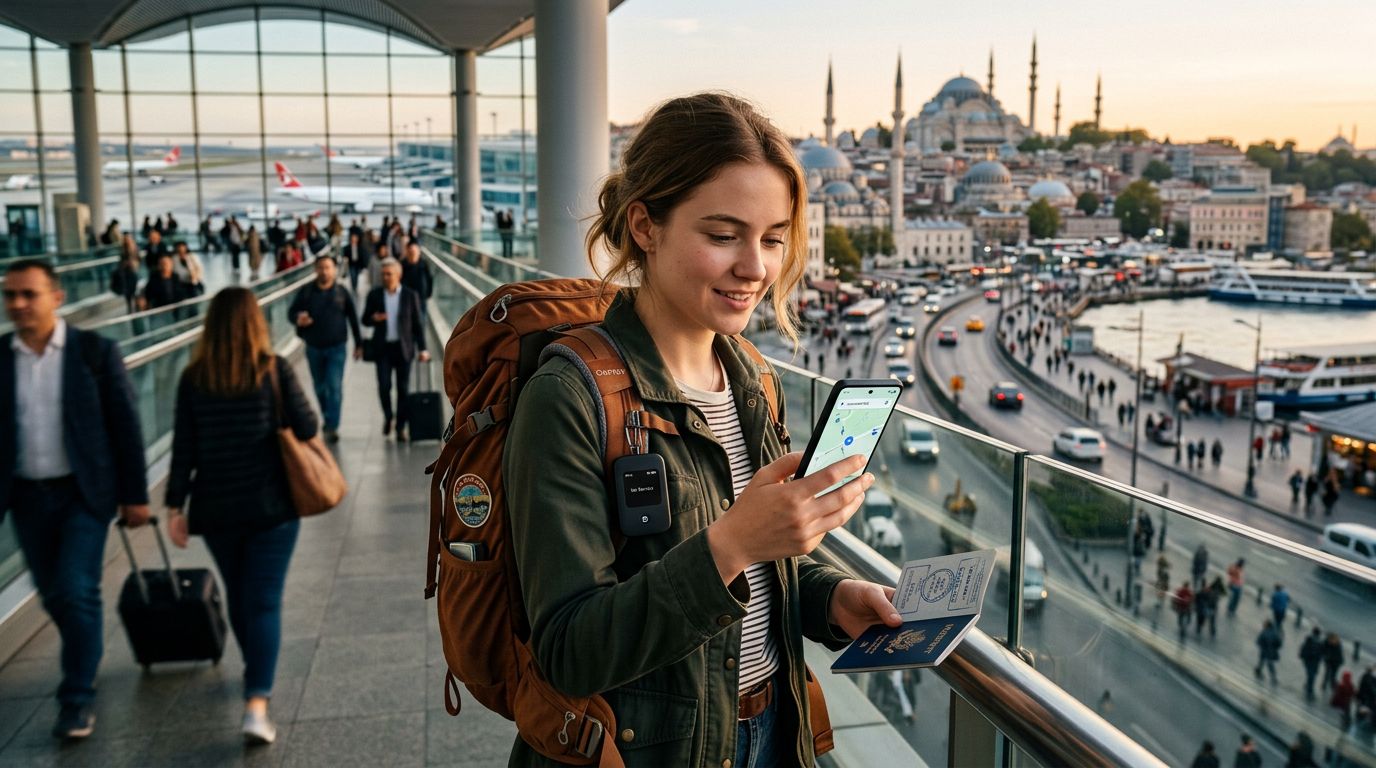
The Solo Travel Dilemma: Connectivity Choices
Traveling alone offers an unmatched sense of freedom. You set the itinerary, decide when to wake up, and choose exactly where to eat without compromise. However, this independence comes with a unique set of responsibilities. When you are on your own, your smartphone becomes your lifeline. It is your map, your translator, your emergency contact, and your primary tool for booking transportation on the fly.
The debate between pocket WiFi and eSIM for solo travelers is a common point of friction during trip planning. Both options aim to solve the same problem: maintaining reliable internet access while away from home. Yet, they function in fundamentally different ways, and the right choice depends heavily on your travel style, your luggage constraints, and your technical comfort level.
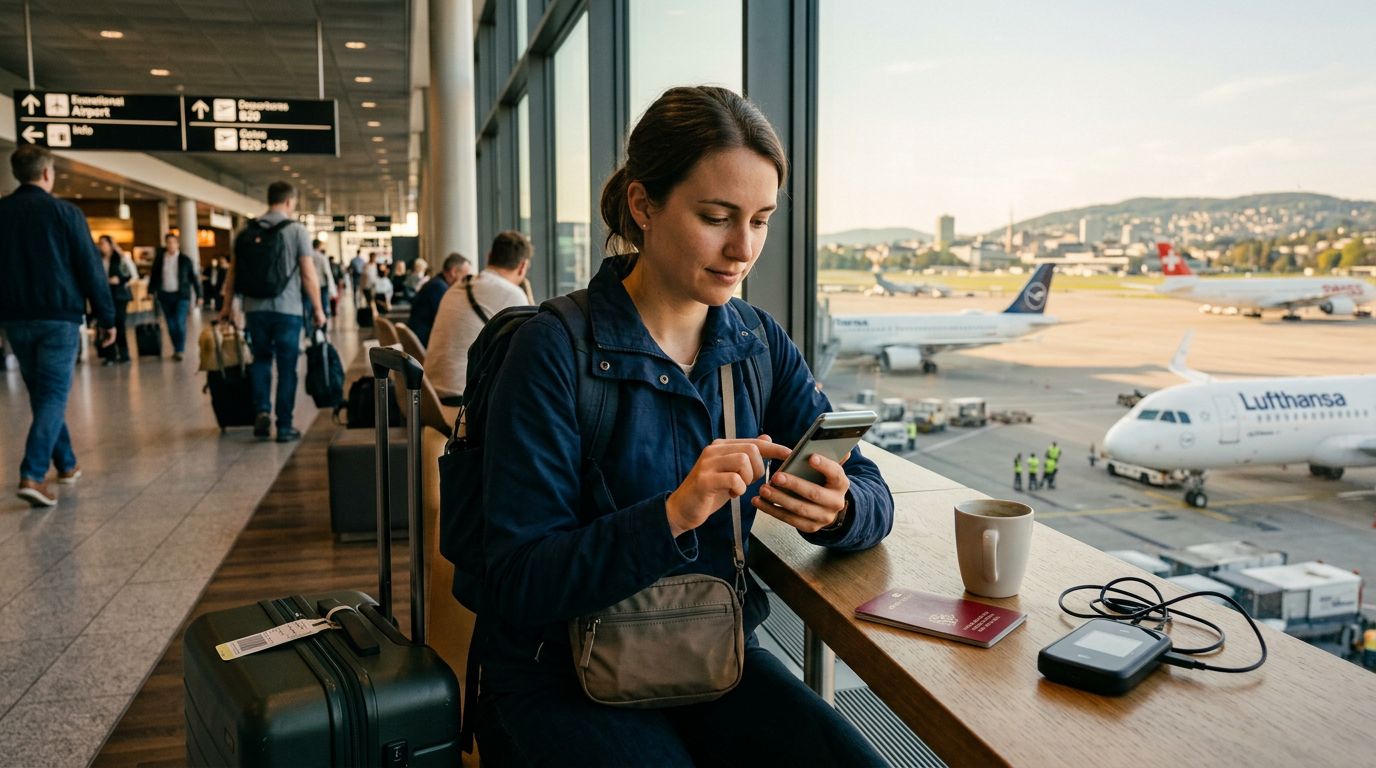
A pocket WiFi device is essentially a portable router that creates a private wireless network. You carry a separate piece of hardware, ensure it is charged, and manage the device throughout your day. An eSIM, on the other hand, is a digital SIM card embedded directly into your phone’s hardware. By activating a data plan through a provider like OneTapSIM, you bypass the need for physical cards or extra hardware entirely. For a solo traveler, the decision often boils down to a trade-off between the convenience of an all-in-one device and the perceived security of having a dedicated router.
The Case for eSIM: Efficiency and Minimalism
For the solo traveler, the primary advantage of an eSIM is the elimination of extra gear. When you are the only person responsible for your luggage, every gram counts. Carrying a pocket WiFi device means carrying an extra battery, a charging cable, and the router itself. You must keep track of these items, ensure they are protected from theft or damage, and find a place to store them when you are walking through a crowded city or hiking a trail.
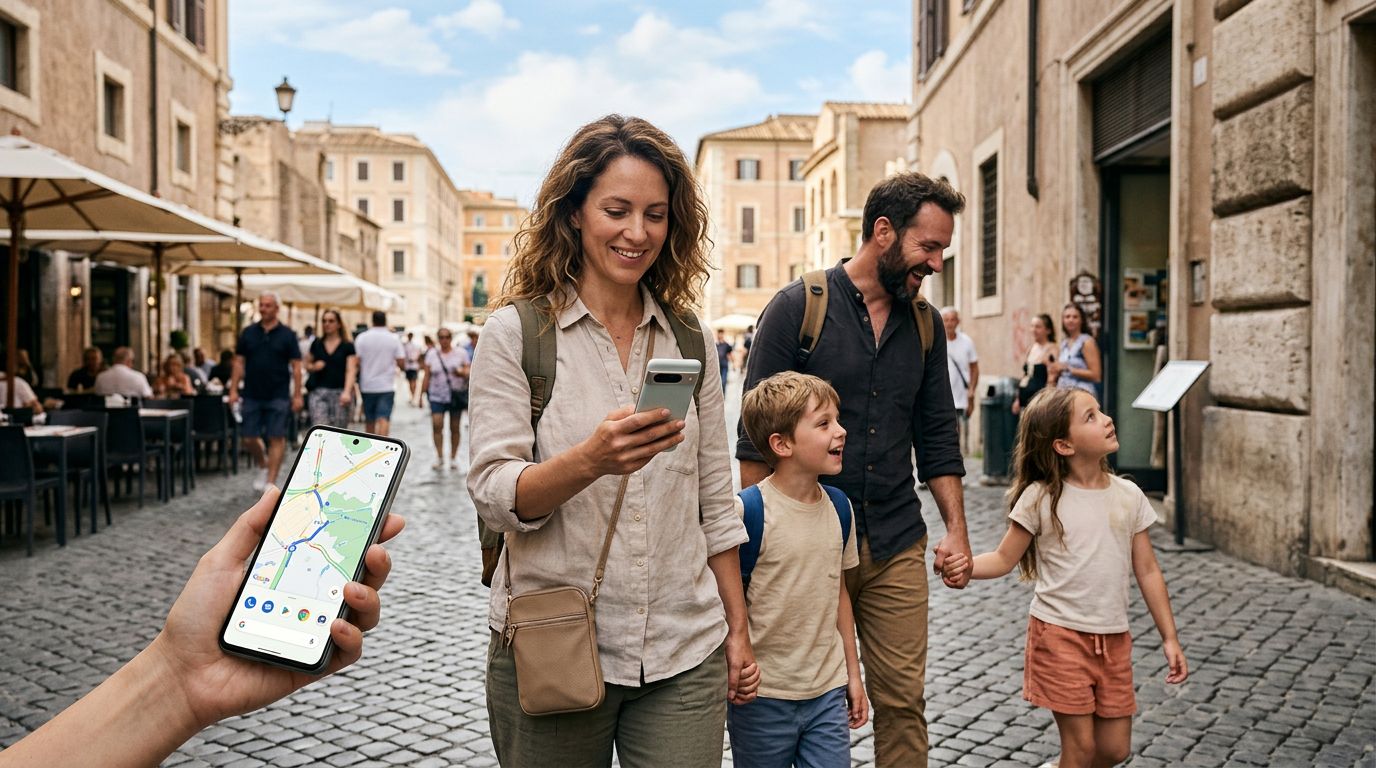
With an eSIM, your connectivity is integrated into the device you are already holding. There is no physical swapping of cards and no risk of losing a tiny SIM chip. You simply download the profile, activate it, and your phone connects to local networks as if you were a local resident. This seamless integration is particularly beneficial when you are moving between countries or cities. You can manage your data usage directly from your phone’s settings, monitor your consumption, and top up if necessary without needing to interact with a physical device.
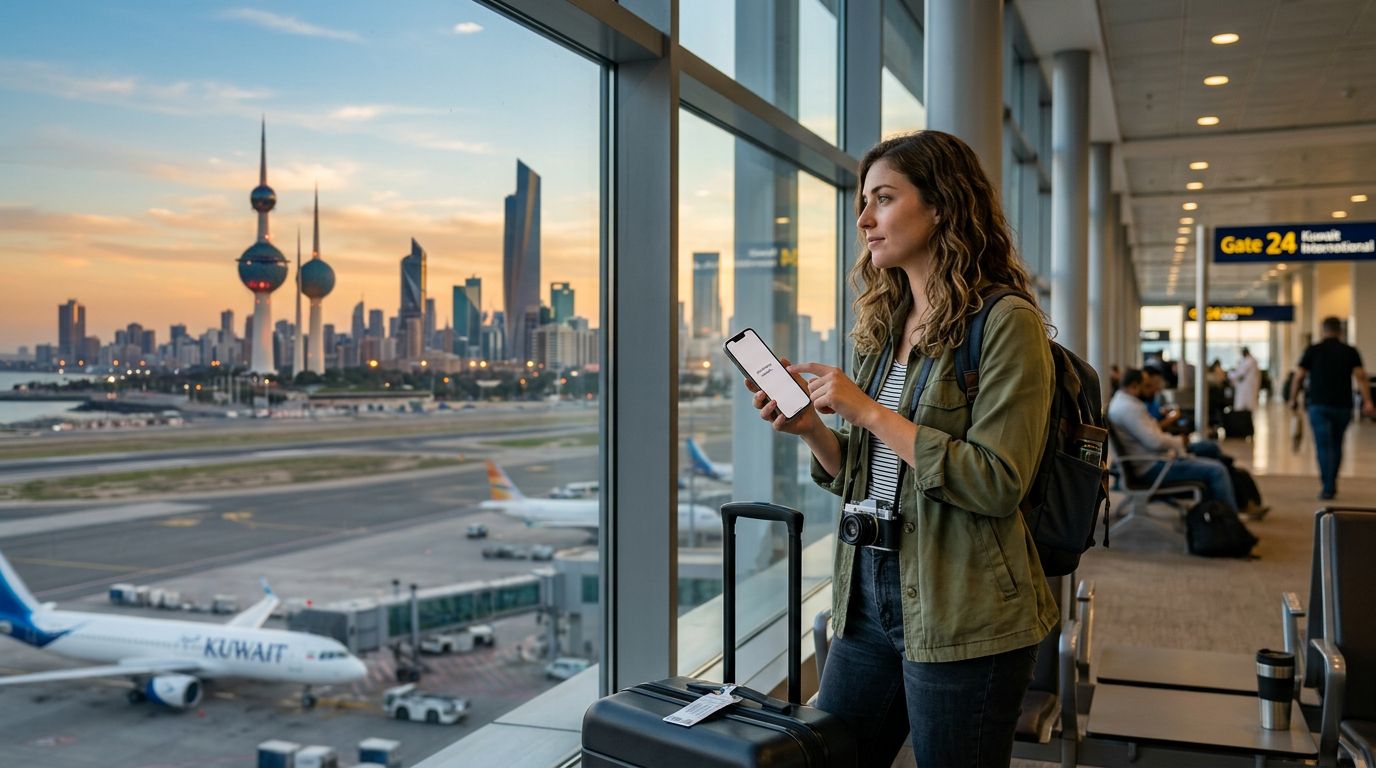
Furthermore, eSIM technology is inherently more secure for a solo traveler. Because the connection is tied directly to your device, you are not broadcasting a WiFi signal that others could potentially attempt to access. You also avoid the "tethering" anxiety that comes with pocket WiFi, where you might leave your router behind at a cafe or on a train. OneTapSIM simplifies this process by allowing travelers to set up their data plan before they even leave home, ensuring that the moment the plane lands, the phone is ready to go. This immediate connectivity is a significant stress-reliever for someone navigating a foreign airport alone.
Pocket WiFi: When More is Better
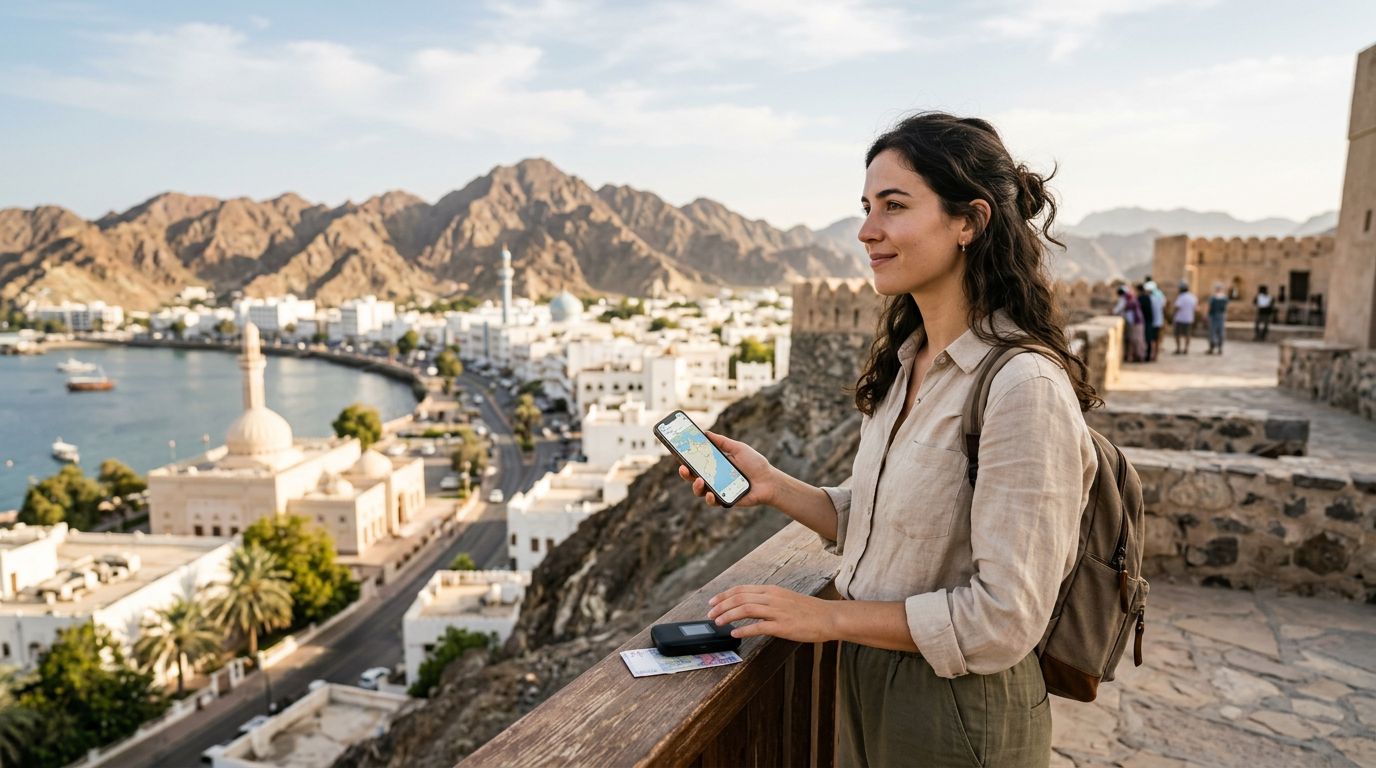
While eSIMs are increasingly popular, pocket WiFi devices still hold a niche for specific types of solo travelers. The main argument for carrying a router is the ability to connect multiple devices simultaneously without draining your phone’s battery. If you are a digital nomad who carries a laptop, a tablet, and a phone, a pocket WiFi device acts as a centralized hub. It handles the data load, allowing your phone to remain a communication tool rather than a hotspot.
Another consideration is battery life. Modern smartphones are power-hungry, especially when using GPS and translation apps. If you use your phone as a hotspot, you will likely find yourself reaching for a power bank by mid-afternoon. A dedicated pocket WiFi device has its own battery, which can provide a full day of connectivity without impacting your phone’s longevity. For solo travelers who plan on spending long days outdoors, away from power outlets, this separation of hardware can be a functional advantage.
However, the downsides are significant. You are tethered to the device’s charging schedule. If you forget to charge the router overnight, you are essentially offline the next day. You also have to deal with the logistics of picking up or returning the device, which can be a hassle if you are moving between different cities or countries. While some companies allow you to mail the device to your hotel, the risk of it not arriving on time or being lost in the mail is a stressor that solo travelers generally prefer to avoid.
Making the Final Decision
Choosing between these two technologies requires an honest assessment of how you travel. If you value spontaneity, light packing, and the ability to land in a new location and start navigating immediately, an eSIM is almost certainly the superior choice. It removes the friction of managing hardware and allows you to focus on the experience of your trip rather than the logistics of your gear.
If you are a heavy user of secondary devices—such as a laptop or a dedicated camera that requires constant cloud syncing—and you are willing to carry the extra weight, a pocket WiFi device might serve your needs. However, for most solo travelers, the convenience of a digital solution like OneTapSIM outweighs the benefits of a dedicated router. The ability to manage your connectivity within your phone’s native settings provides a level of control and peace of mind that is invaluable when you are on your own.
Ultimately, solo travel is about simplifying your life and removing barriers. Connectivity should be an invisible utility, not another item on your to-do list. By choosing a solution that integrates into your existing workflow, you ensure that your focus remains on the journey, the sights, and the people you meet along the way. Whether you are trekking through remote mountains or wandering the streets of a bustling metropolis, having reliable, hassle-free internet access is the best way to ensure your solo adventure is both safe and memorable.
Need data for your trip?
Browse eSIM plans for 190+ destinations, with instant QR delivery.
Browse destinations