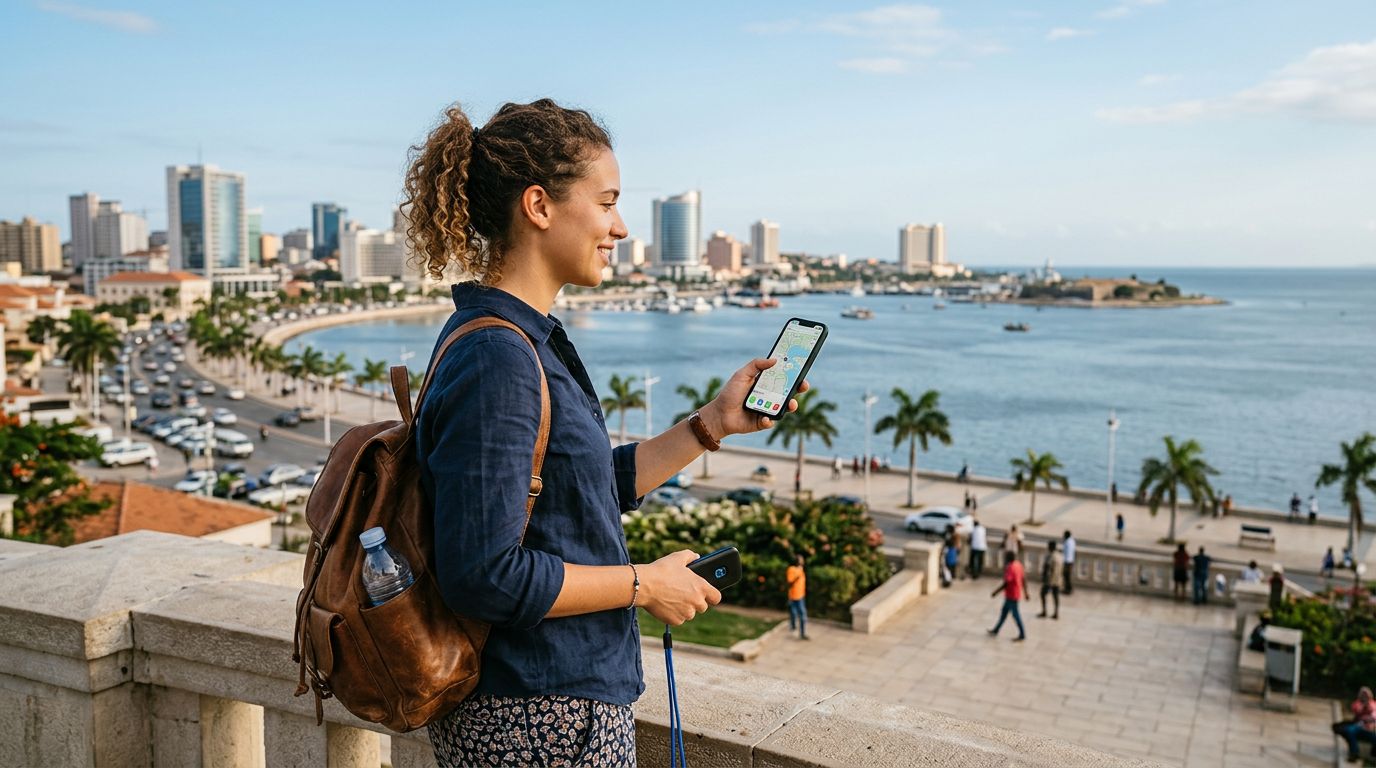
Connectivity Challenges in Angola
Angola is a country of immense natural beauty and rapidly growing economic potential. Whether you are traveling to Luanda for business or exploring the stunning landscapes of the Leba Pass, reliable internet access is essential. However, staying connected in Angola has historically been a complex task for international visitors. The local telecommunications infrastructure is developing, but relying on traditional methods like physical SIM cards or roaming on your home network often leads to frustration.
When planning your trip, you are likely comparing the two most popular modern solutions: pocket WiFi devices and eSIM technology. Both offer ways to bypass the exorbitant fees often associated with international roaming, but they function in fundamentally different ways. Understanding these differences is the key to ensuring you have a seamless experience while navigating the country.
A pocket WiFi unit is a portable router that creates a local hotspot, allowing multiple devices to connect to the internet simultaneously. On the other hand, an eSIM is a digital version of a physical SIM card embedded directly into your smartphone. For most modern travelers, the choice between these two often comes down to convenience, physical luggage space, and the specific technical requirements of their devices.
The Case for Pocket WiFi
Pocket WiFi devices have been the standard for group travelers and those with multiple gadgets for many years. Because these devices act as a dedicated hotspot, they can support several users at once. If you are traveling with family or colleagues, a single pocket WiFi unit can provide connectivity for everyone, which can be an efficient way to manage data access.
However, the downsides of pocket WiFi in a destination like Angola are significant. First, you must carry the device with you at all times. This adds another piece of hardware to your bag that requires its own charging cable and power bank. If the battery dies while you are out exploring, your connectivity vanishes until you can find a power source. Furthermore, you are responsible for the physical safety of the device. If it is lost, stolen, or damaged, you are often liable for the cost of the hardware, which can be a stressful burden during a trip.
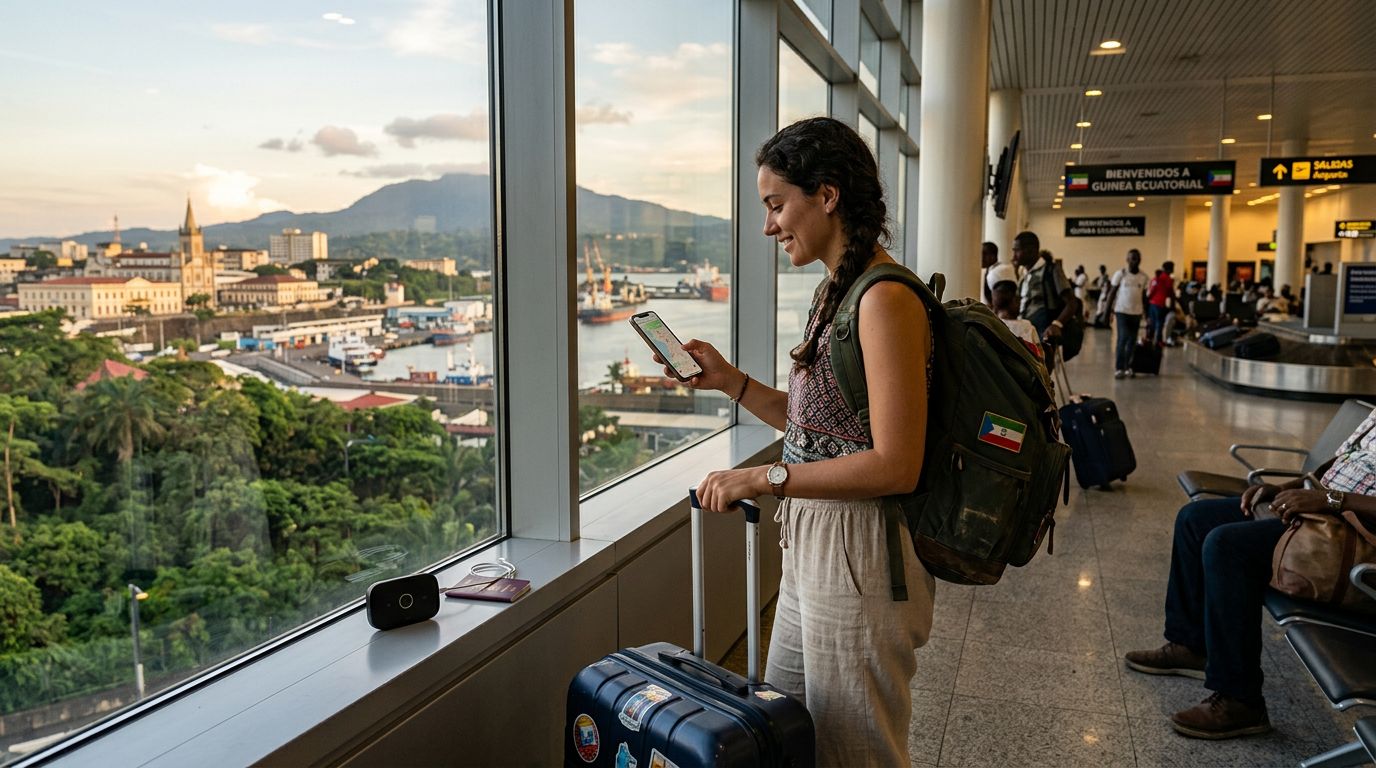
Logistically, pocket WiFi also requires a pickup and drop-off process. You might need to collect the device at the airport upon arrival or have it shipped to your hotel. If your flight is delayed or if the rental kiosk is closed, you could find yourself without internet access exactly when you need it most. For a traveler looking for a lightweight, stress-free experience, these logistical hurdles make pocket WiFi a less attractive option compared to modern digital alternatives.
Why eSIM is the Preferred Choice for Angola
The rise of eSIM technology has shifted the landscape for international connectivity. An eSIM, or embedded SIM, allows you to activate a cellular plan digitally without needing to swap out a physical card. This is particularly advantageous in Angola, where you can set up your connection before you even land. By using a service like OneTapSIM, you can download a profile directly to your phone, ensuring that you have data the moment your plane touches down at Quatro de Fevereiro International Airport.
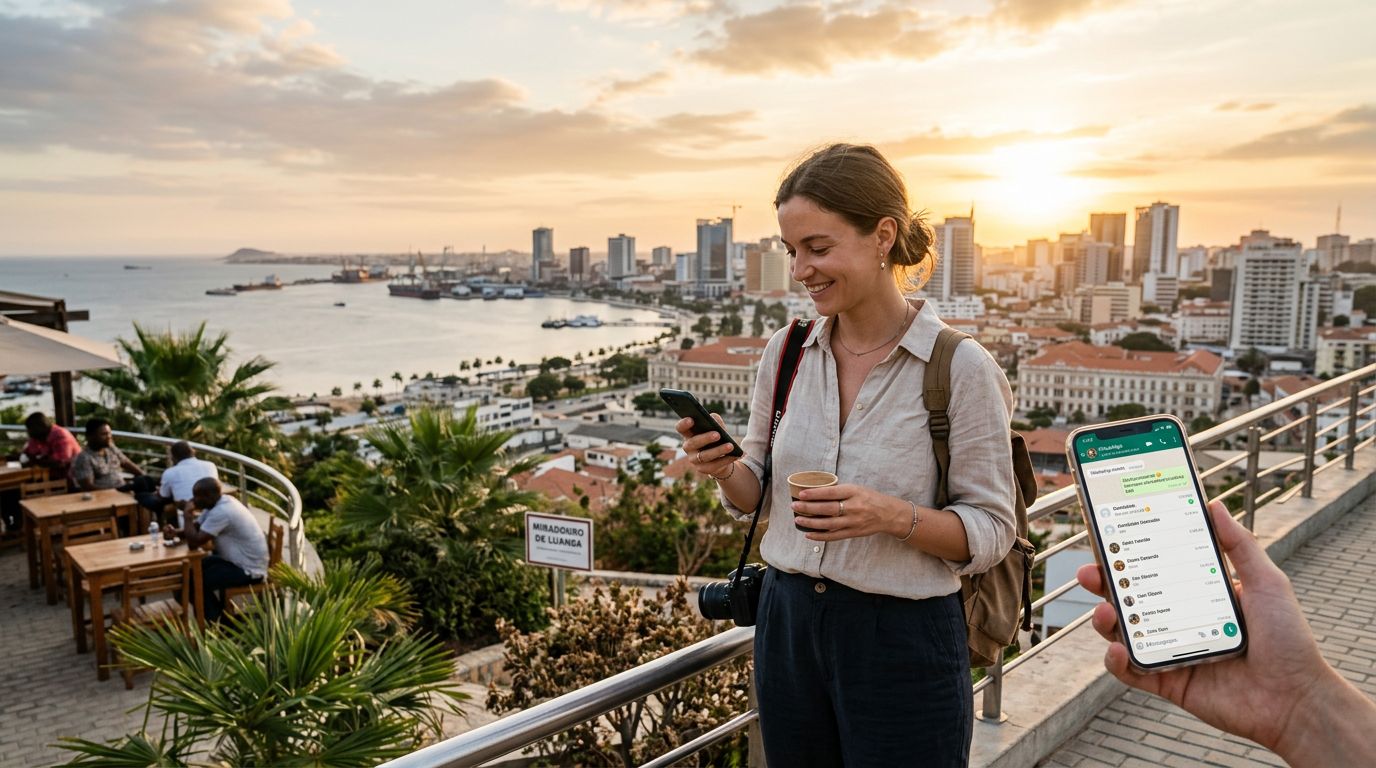
One of the primary benefits of an eSIM is the preservation of your physical SIM slot. This means you can keep your home phone number active for urgent calls or SMS verification codes while using your eSIM for data. You no longer need to worry about losing a tiny plastic card or damaging your phone’s SIM tray. Because the eSIM is integrated into your device’s hardware, it is protected from the elements and the wear and tear that comes with moving a physical card in and out of your phone.
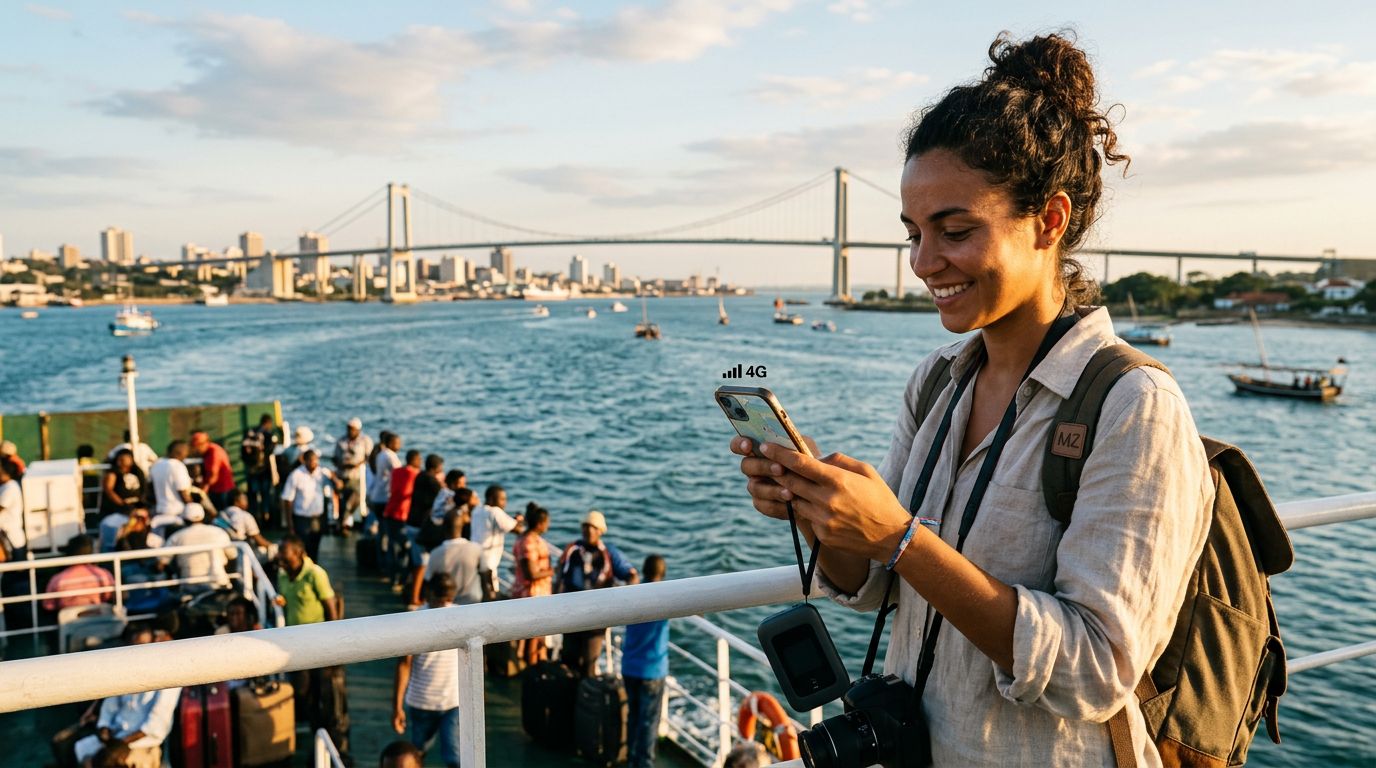
Another major advantage is the lack of hardware management. With an eSIM, there is no device to charge, no battery to monitor, and no rental equipment to return at the end of your trip. Your phone remains your only point of contact. This simplicity is invaluable when moving through busy city centers or remote areas where you want to keep your gear minimal. If you are using a device that supports eSIM technology, you are essentially carrying your connectivity in your pocket without the extra weight.
Technical Considerations and Compatibility
Before deciding on your connectivity path, it is important to verify that your smartphone is compatible with eSIM technology. Most flagship smartphones released in the last few years support eSIMs, but it is always wise to check your device settings or the manufacturer’s support documentation to be certain. If your phone is carrier-locked, you may need to contact your home provider to have it unlocked before you can use an eSIM from a different service.
Once you confirm compatibility, the setup process is remarkably straightforward. You typically receive a QR code or an activation link that you scan or tap to install the plan. The software handles the rest, configuring the APN settings and network preferences automatically. This removes the guesswork that often accompanies setting up local physical SIM cards, which can sometimes require manual configuration of network settings that are not always clear to international visitors.
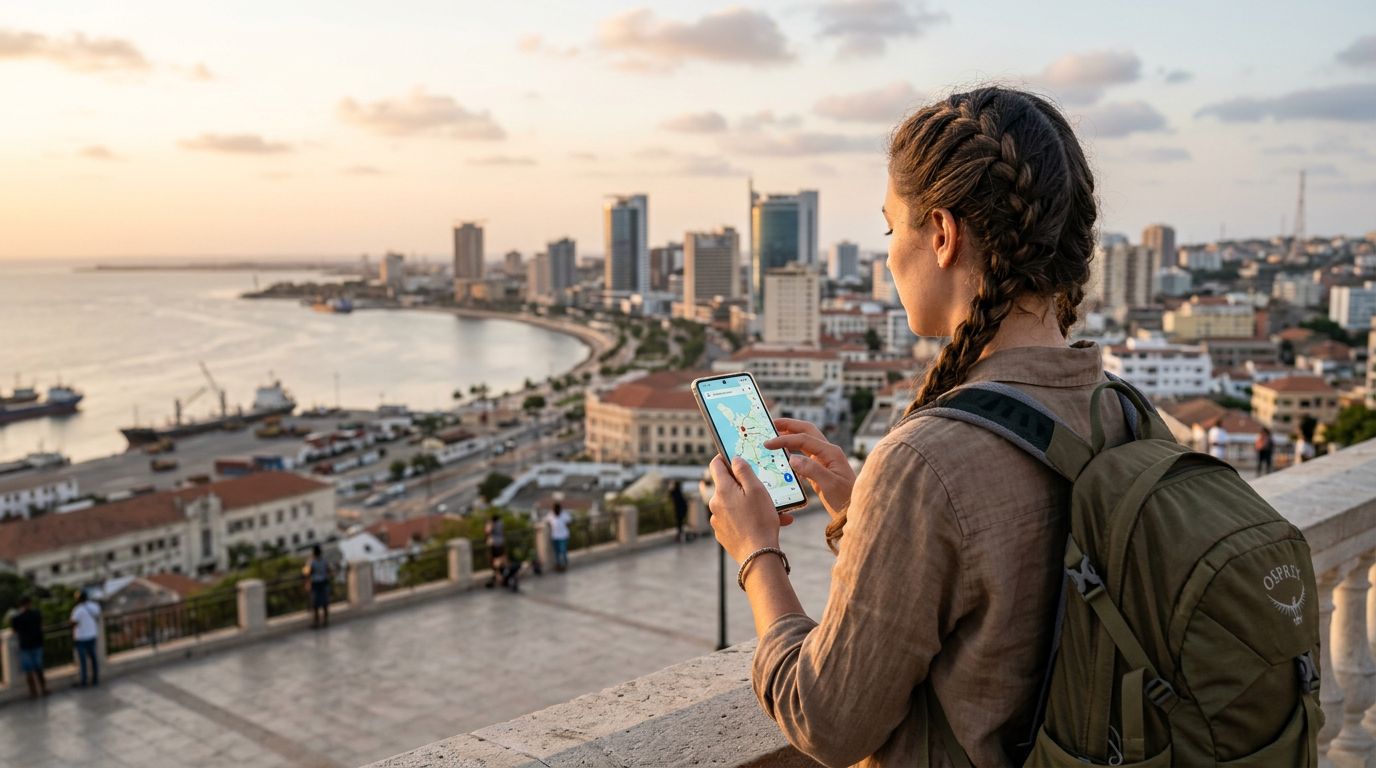
For those who prioritize efficiency and reliability, OneTapSIM offers a streamlined way to manage your data needs. By removing the physical barriers to entry, you can spend less time troubleshooting network settings and more time focusing on your itinerary. Whether you are checking maps to find your way through Luanda or uploading photos of your journey, having a stable, pre-activated connection provides peace of mind.
Final Verdict: Which Wins?
When weighing your options for Angola, the choice becomes clear based on your travel style. If you are a solo traveler or a couple who values convenience and portability, an eSIM is the superior choice. It eliminates the need for extra hardware, removes the risk of losing rental equipment, and provides an instant connection upon arrival. The ability to manage your data usage directly from your phone’s settings menu offers a level of control that pocket WiFi simply cannot match.
While pocket WiFi might still have a niche use case for large groups with many laptops and tablets, the majority of modern travelers will find the eSIM experience far more rewarding. It aligns with the goal of traveling light and staying connected without the administrative burden of rental agreements and return logistics. By choosing an eSIM, you simplify your travel tech stack, allowing you to enjoy the vibrant culture and landscapes of Angola with the confidence that you are always just a tap away from the information you need. As you prepare for your trip, consider the benefits of a digital-first approach to connectivity and ensure your device is ready to keep you online throughout your adventure.
Get an eSIM for
Plans for the destinations covered in this guide, with instant QR delivery.