The Convenience of Contactless Payments Overseas
Travelers often find themselves balancing the need for security with the desire for convenience. Carrying large amounts of physical cash can be risky, and traditional bank cards are sometimes susceptible to skimming or loss. This is where mobile wallets have transformed the experience of exploring new countries. Using a digital wallet on your smartphone allows you to leave your physical wallet tucked away in a hotel safe, reducing the stress of potentially losing your primary payment methods.
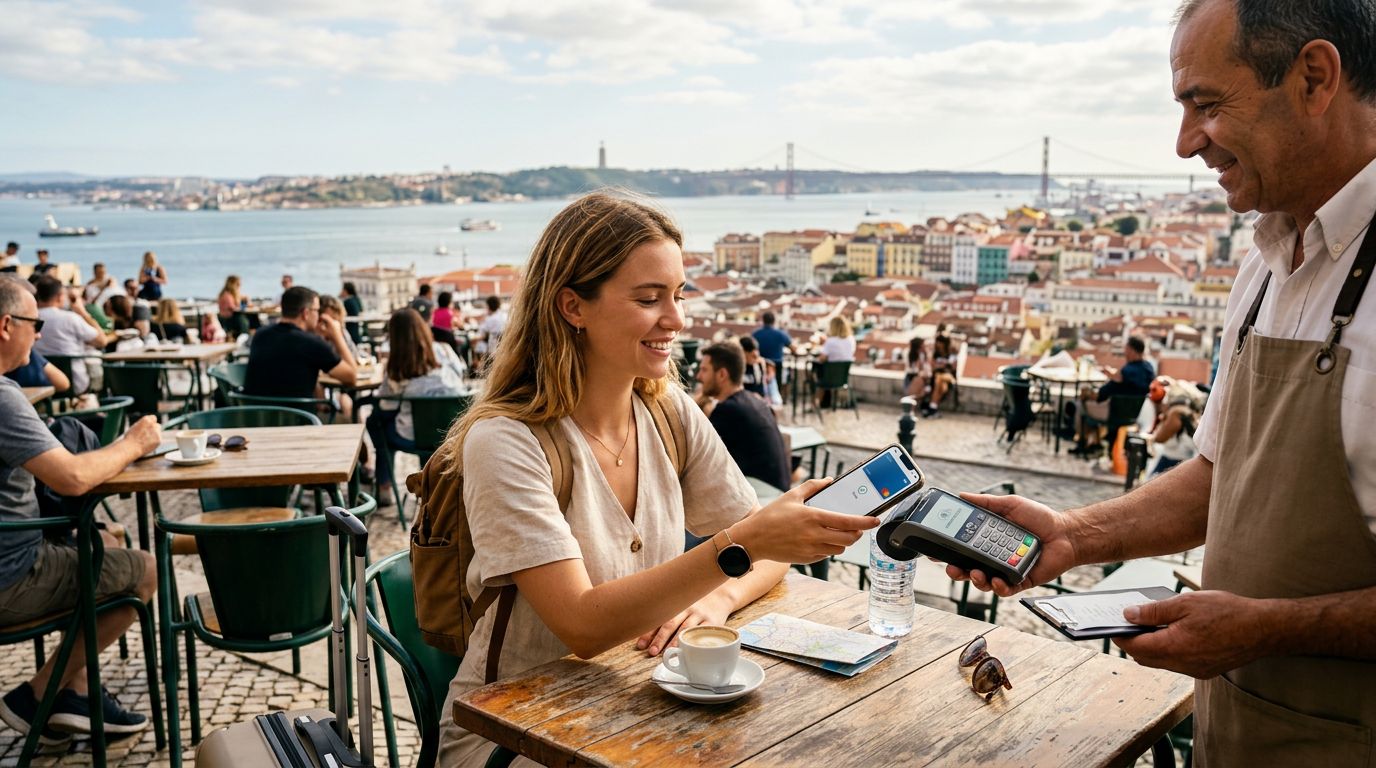
Paying with Apple Pay while abroad is a seamless process for those already familiar with the technology at home. Since the system uses tokenization, your actual card number is never shared with the merchant or transmitted during the transaction. This added layer of security is particularly valuable when you are interacting with unfamiliar point-of-sale terminals in foreign markets. Whether you are grabbing a quick coffee in a bustling European plaza or paying for a train ticket in an Asian metropolis, the tap-to-pay functionality remains consistent across borders.
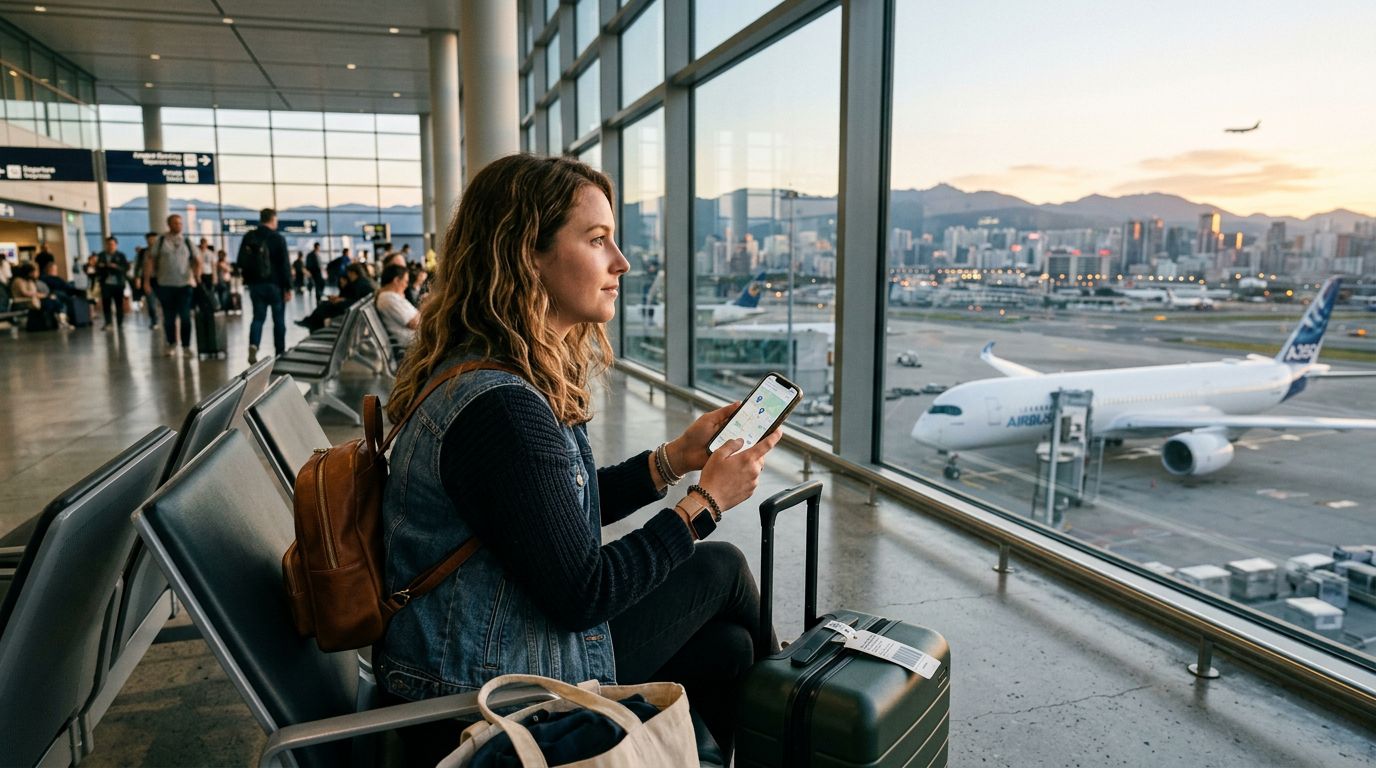
To ensure this works smoothly, you must have a reliable data connection. Your phone needs to verify the transaction details with your bank or card issuer through the internet before confirming the payment. This is where many travelers encounter a hurdle. If your home carrier charges exorbitant roaming fees or if your signal is unreliable, your payment might fail at the register. Using a travel eSIM from OneTapSIM ensures you have a stable, local-quality data connection the moment you land, allowing your mobile wallet to communicate with your bank without the fear of unexpected roaming charges or connectivity gaps.
Preparing Your Device and Payment Methods for Travel
Before you board your flight, a little bit of preparation goes a long way. Not every country or every merchant is fully equipped with contactless terminals, though the global trend is moving rapidly in that direction. Start by checking which of your cards are compatible with your digital wallet. Most major credit and debit cards are supported, but it is wise to add at least two different cards from different issuing banks. If one card is flagged for a security check due to an unusual foreign transaction, having a backup ensures you are not left stranded without a way to pay.
You should also verify that your device is set up correctly. Open your digital wallet app and ensure your preferred cards are active and ready for use. It is also helpful to familiarize yourself with the specific gesture required to trigger your wallet on your device, as you will want to be quick and efficient at busy checkout counters. Some regions may have specific daily limits on contactless transactions, so a quick check of your bank’s mobile app settings can prevent awkward declines.
Connectivity remains the backbone of this entire process. While you might be able to make a few offline transactions depending on your device settings, most modern secure payments require a brief handshake with your financial institution’s servers. If you are relying on public Wi-Fi to facilitate these payments, you are exposing your financial data to unnecessary risks. By utilizing a dedicated travel eSIM, you maintain a private, secure data tunnel for your device. This allows you to manage your banking apps and process payments safely over a cellular network, avoiding the vulnerabilities associated with open, unencrypted public networks found in airports and cafes.
Best Practices for Seamless International Transactions
Even with the best technology, there are nuances to international travel that every smart traveler should observe. First, always carry a physical backup card. While Apple Pay is widely accepted in major cities and tourist hubs, smaller vendors or rural shops might still operate on cash-only or chip-and-pin systems. Having a physical card serves as an essential fail-safe.
Second, be mindful of currency conversion settings. When you pay with your card abroad, the terminal might ask if you want to be charged in your home currency or the local currency. It is almost always better to choose the local currency. If you choose your home currency, the merchant’s bank often applies its own exchange rate, which is frequently less favorable than the rate your own bank provides. Your mobile wallet will typically handle the currency conversion automatically based on your bank’s policies, which is generally the most cost-effective approach.
Third, monitor your transaction history in real-time. One of the greatest advantages of using a digital wallet is the instant notification you receive after every purchase. If you notice an incorrect charge, you can contact your bank immediately through your mobile app. This level of oversight is much harder to achieve when using cash.
Finally, consider the role of your data plan in your overall travel strategy. If you are constantly searching for Wi-Fi to check your bank balance or verify a transaction, you are spending more time looking at your phone than enjoying your destination. A travel eSIM provides the consistent connectivity needed to keep your digital wallet functional and your travel apps updated. By keeping your data active, you ensure that your payment authentication requests always reach your phone, preventing the frustration of a declined transaction. With the right tools, including a reliable eSIM and a properly configured digital wallet, paying for your adventures becomes as simple as a quick tap of your device. This modern approach to travel finance allows you to focus on the sights, sounds, and experiences of your trip rather than the logistics of how to pay for them.
Get an eSIM for
Plans for the destinations covered in this guide, with instant QR delivery.