Understanding the Connectivity Landscape in Kenya
Planning a safari in Kenya is an exhilarating experience that involves careful preparation. From choosing the right national parks to packing the correct gear, every detail matters. One of the most critical aspects of your travel logistics is ensuring you have reliable internet access. Whether you need to upload photos of the Great Migration, navigate using GPS, or stay in touch with family back home, your choice of connectivity matters. When comparing a Kenya SIM card vs eSIM, you are essentially choosing between a traditional physical approach and a modern, digital solution.
A physical SIM card is the method most travelers have used for decades. You arrive at Jomo Kenyatta International Airport or a local shop, purchase a plastic card, and insert it into your phone. While this is a proven method, it requires you to physically handle your original SIM card, which is small and easily lost. You also have to deal with the logistics of finding a vendor, waiting in line, and ensuring the card is compatible with your device.
On the other hand, an eSIM is a digital version of a physical SIM card. It is embedded directly into the hardware of modern smartphones. Instead of swapping out a physical chip, you simply download a profile to your phone. This technology has become increasingly popular for international travelers because it removes the need to visit a physical store upon arrival. For many, the convenience of having connectivity ready the moment the plane touches down makes the eSIM a superior choice for a smooth travel experience.
Comparing Convenience and Reliability
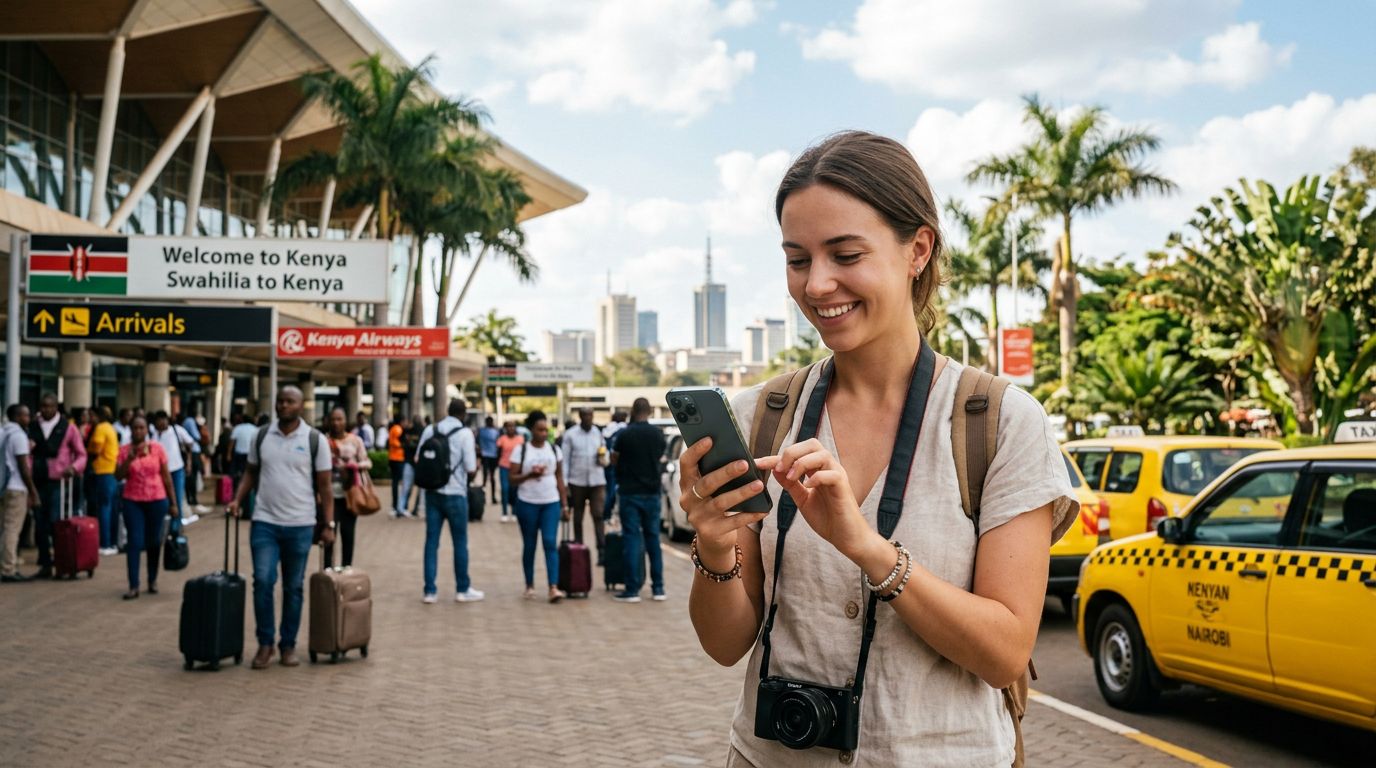
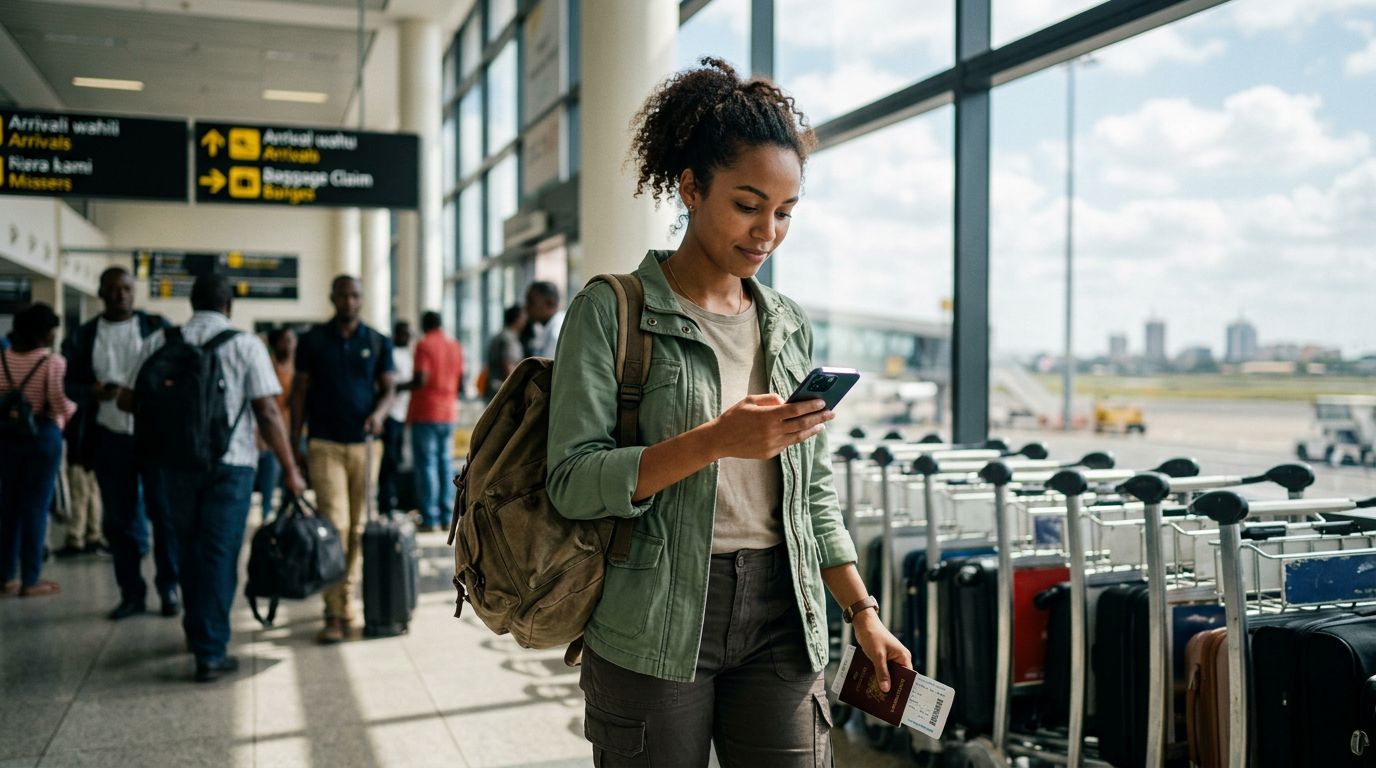
The primary difference between a physical Kenya SIM card vs eSIM lies in the setup process. With a physical card, you are tethered to the operating hours of local kiosks. If your flight lands late at night, you might find the airport shops closed, leaving you without data until the next morning. This can be stressful if you have pre-arranged transport or need to check into your accommodation.
An eSIM, such as those provided by OneTapSIM, allows you to activate your data plan before you even leave your home country. By setting up your connection in advance, you ensure that you are connected the moment you land. This eliminates the need to hunt for a vendor or manage tiny plastic cards that are prone to falling out of your phone tray.
Reliability is another factor to consider. Physical SIM cards rely on the quality of the card itself, which can occasionally be faulty or damaged during installation. Because an eSIM is purely software-based, there is no risk of physical wear and tear. Furthermore, if you are traveling across multiple regions or even neighboring countries, an eSIM allows you to switch between different data profiles without needing to physically swap hardware. This is particularly useful for travelers who might be combining a Kenyan safari with a trip to Tanzania or other parts of East Africa.
It is important to note that your device must be carrier-unlocked to use an eSIM. If your phone is locked to your home network provider, you will not be able to add a secondary eSIM profile. Most modern smartphones, including recent models from major manufacturers, support this technology. You can verify your device compatibility through official resources provided by your phone manufacturer, such as the support pages for Apple or Google devices.
Making the Right Choice for Your Safari
When deciding between a Kenya SIM card vs eSIM, consider the nature of your trip. If you are going on a remote safari, you want a solution that is as seamless as possible. You will likely be moving between lodges, camps, and national parks, and the last thing you want to worry about is a lost SIM card or a dead connection.
The physical SIM card remains a viable option for those who have older devices or who prefer a tangible product. However, for the majority of modern travelers, the eSIM offers a level of flexibility that is difficult to match. With OneTapSIM, the process is streamlined to ensure that your focus remains on the wildlife and the landscapes rather than on technical troubleshooting.
Another advantage of the eSIM is the ability to keep your primary phone number active. Many travelers need to receive two-factor authentication codes or urgent calls on their home number while traveling. With a physical SIM, you often have to remove your home card, meaning you lose access to your primary number entirely. With an eSIM, you can keep your home SIM active for calls and texts while using the eSIM specifically for data. This dual-connection setup is the standard for modern international travel.
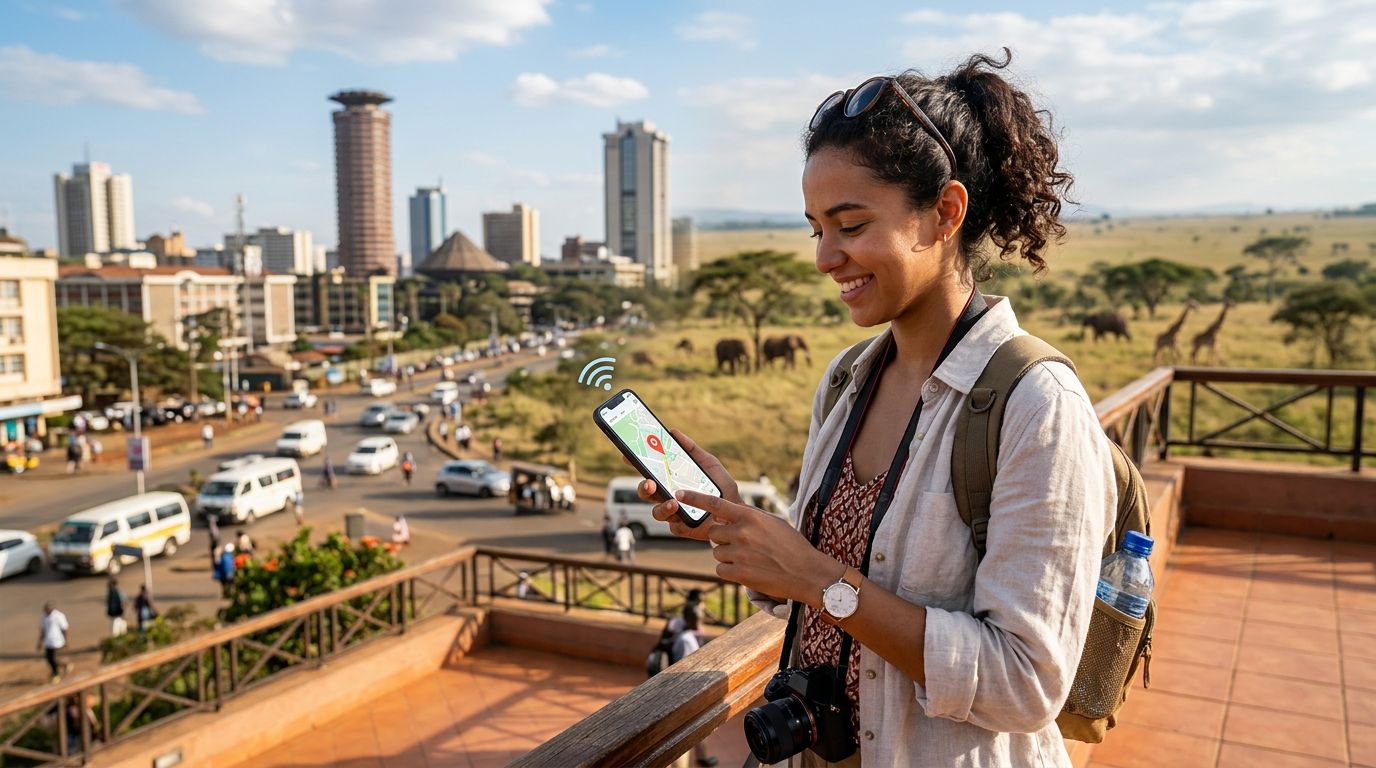
Ultimately, the choice depends on your comfort level with technology and your specific device capabilities. If you have a compatible phone, the eSIM provides a cleaner, faster, and more reliable way to stay connected throughout your Kenyan adventure. By preparing your digital connection before your departure, you remove one of the most common stressors of international travel. Whether you are trekking through the Maasai Mara or exploring the streets of Nairobi, having a stable data connection ensures that you can share your experiences, navigate with confidence, and manage your travel plans with ease. As you finalize your safari itinerary, take a moment to check your phone settings and ensure you are ready to embrace the convenience of digital connectivity.
Get an eSIM for
Plans for the destinations covered in this guide, with instant QR delivery.