Is Hawaii in the United States of America?
If you are planning a trip to the Pacific, you might find yourself wondering about the political status of the islands. The short answer is yes: Hawaii is indeed in the United States of America. It is the 50th state to join the union, having been officially admitted on August 21, 1959. Located about 2,400 miles from the mainland, it is the only U.S. state located outside of North America and the only one made up entirely of islands.
Because Hawaii is a full-fledged U.S. state, travelers from the mainland do not need a passport to visit. You are traveling domestically, which simplifies the logistical side of your journey significantly. You will not pass through customs or immigration when you arrive at Honolulu, Kahului, Kona, or Lihue airports. While the culture, geography, and climate are distinct from the continental United States, the legal and administrative framework remains the same.
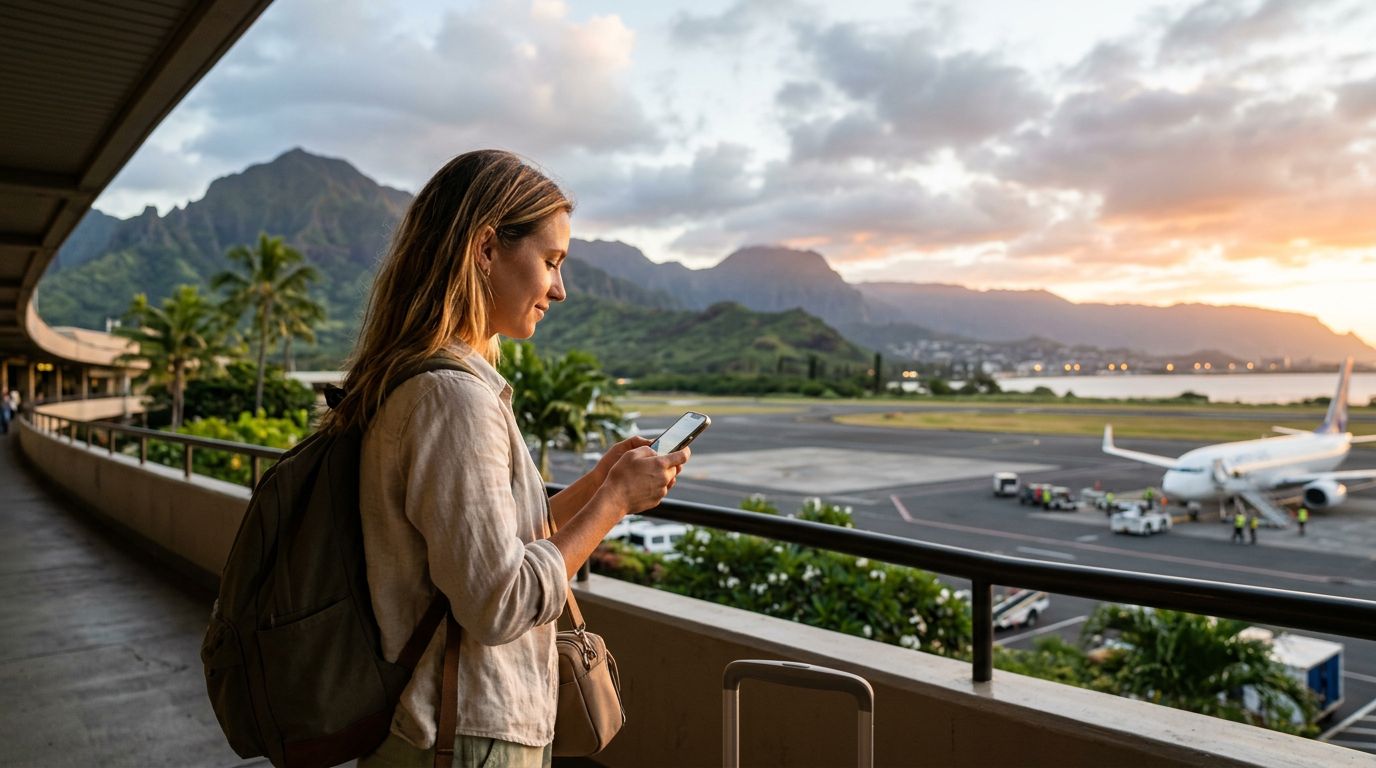
Understanding this status is helpful for travelers who are concerned about connectivity and communication. Since you are staying within the country, your domestic mobile service provider will generally work across the islands. However, depending on your specific plan, you might find that data speeds vary or that you are subject to roaming limitations if your carrier has specific regional restrictions. This is where a travel eSIM from OneTapSIM can be a reliable alternative, ensuring you have consistent data access while exploring remote beaches or hiking through volcanic landscapes.
Navigating Connectivity Across the Islands
Once you have confirmed that you are visiting a U.S. state, the next step is ensuring you can stay connected. Hawaii’s geography is unique, featuring deep valleys, high volcanic peaks, and dense rainforests. While major hubs like Waikiki or downtown Honolulu have excellent cellular coverage, the more rugged parts of the islands can experience signal drops.
If you rely on your phone for GPS navigation, restaurant recommendations, or sharing photos of your trip, having a stable connection is essential. Many travelers find that their primary domestic plan is sufficient for city centers, but they prefer the flexibility of an eSIM for secondary data needs. An eSIM allows you to maintain your primary number for calls and texts while using a separate data profile for browsing and maps. This setup is particularly useful if you are worried about hitting data caps on your main plan or if you simply want a dedicated line for your travel activities.
Setting up an eSIM is a straightforward process for most modern smartphones. Whether you are using an iPhone or a device running Android, you can manage your cellular settings through your phone’s menu. If you are unsure if your device is compatible, you can check the official documentation on the Apple or Google support websites. By preparing your connectivity before you land, you avoid the stress of searching for local Wi-Fi hotspots or dealing with unexpected roaming charges from your primary carrier.
Tips for a Smooth Hawaiian Vacation
Beyond connectivity, traveling to Hawaii requires a bit of preparation to ensure you respect the local environment and culture. Since Hawaii is part of the United States, English is the primary language, and the U.S. dollar is the currency. However, the islands have a rich heritage rooted in Native Hawaiian traditions. Being a respectful visitor means learning about the local customs and understanding that you are a guest in a place with a deep history.
When packing for your trip, keep in mind that the weather can change quickly. You might start your day in a sunny coastal town and end it in a chilly, misty mountain region. Layers are your best friend. Additionally, if you plan on visiting national parks or state reserves, check the official websites for any permit requirements or trail closures. Having a reliable data connection via a service like OneTapSIM is quite useful here, as you can check real-time weather updates or park alerts while you are on the go.
Transportation is another factor to consider. While public transit exists on islands like Oahu, renting a car is often the most practical way to explore the Big Island, Maui, or Kauai. Having a digital map ready to load at a moment’s notice is vital when you are driving on winding coastal roads. If you are using a rental car, do not rely solely on the vehicle’s built-in navigation system, as these can sometimes be outdated. Using your own device with a stable data connection ensures you always have the most current traffic information and route guidance.
Finally, remember that Hawaii is an isolated ecosystem. Visitors are encouraged to follow "leave no trace" principles to protect the fragile flora and fauna. Whether you are snorkeling in a protected bay or hiking a ridge trail, your presence should leave the environment as pristine as you found it. By handling your logistics—like data connectivity—before you arrive, you free up your mental energy to focus on the experience itself. Enjoy the unique blend of American infrastructure and Pacific island beauty that makes Hawaii a truly one-of-a-kind destination. Whether you are there for the surfing, the history, or the volcanic scenery, knowing that you are within the United States provides a level of comfort and security that makes the travel process much smoother.
Get an eSIM for
Plans for the destinations covered in this guide, with instant QR delivery.