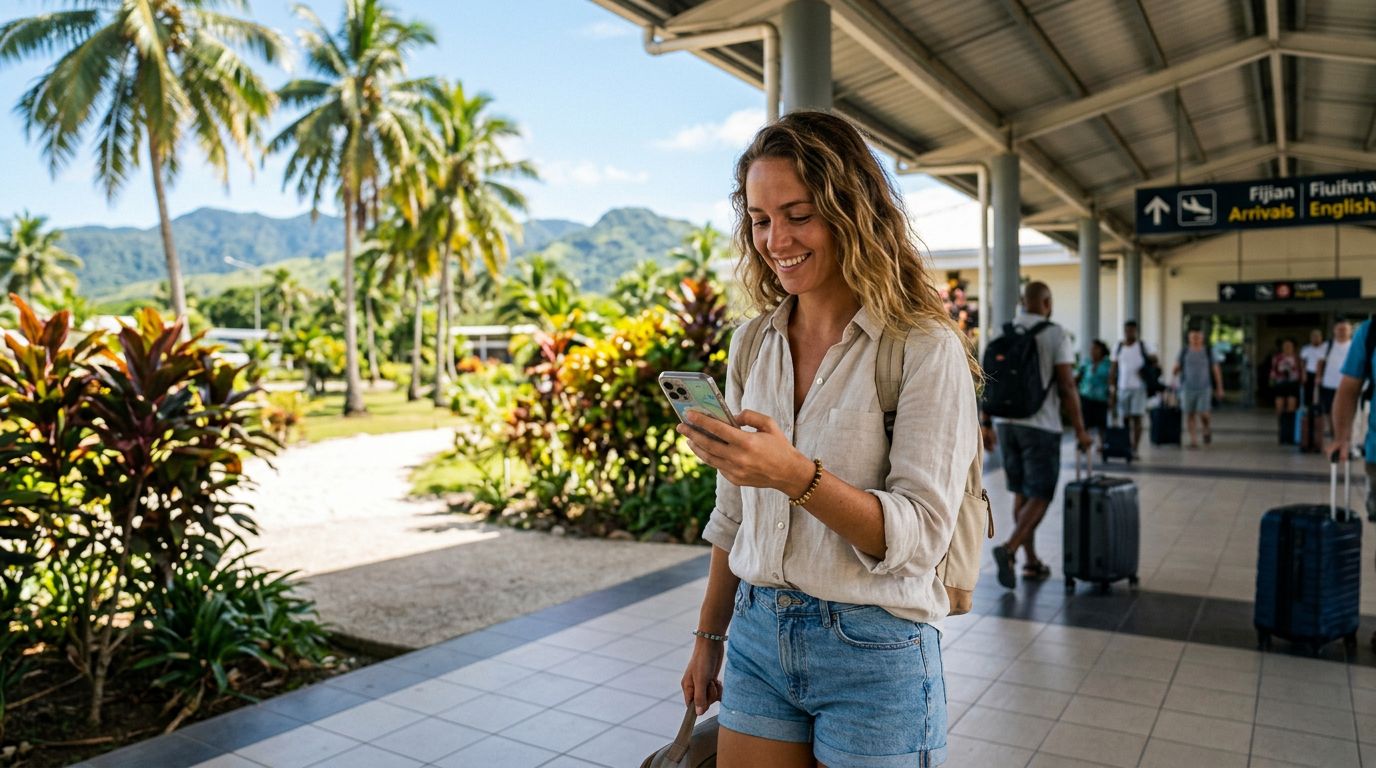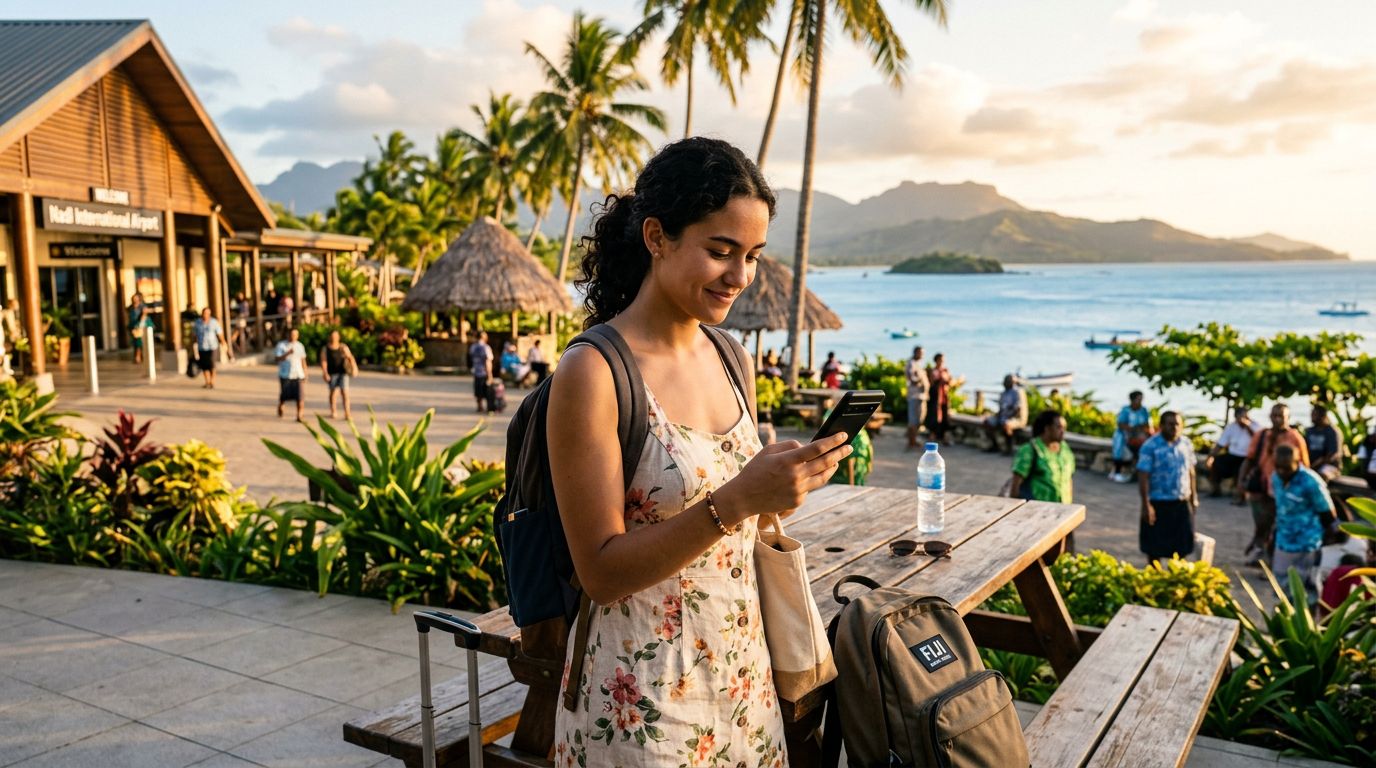
Fiji is a paradise of turquoise waters, lush jungles, and vibrant culture. Whether you are planning to spend your days island-hopping in the Mamanucas or exploring the rugged interior of Viti Levu, staying connected is essential. Modern travelers often find themselves debating the best way to access the internet while abroad. When comparing a Fiji SIM card vs eSIM, the choice often comes down to convenience, device compatibility, and your specific travel style.
The Traditional Approach: Physical Fiji SIM Cards
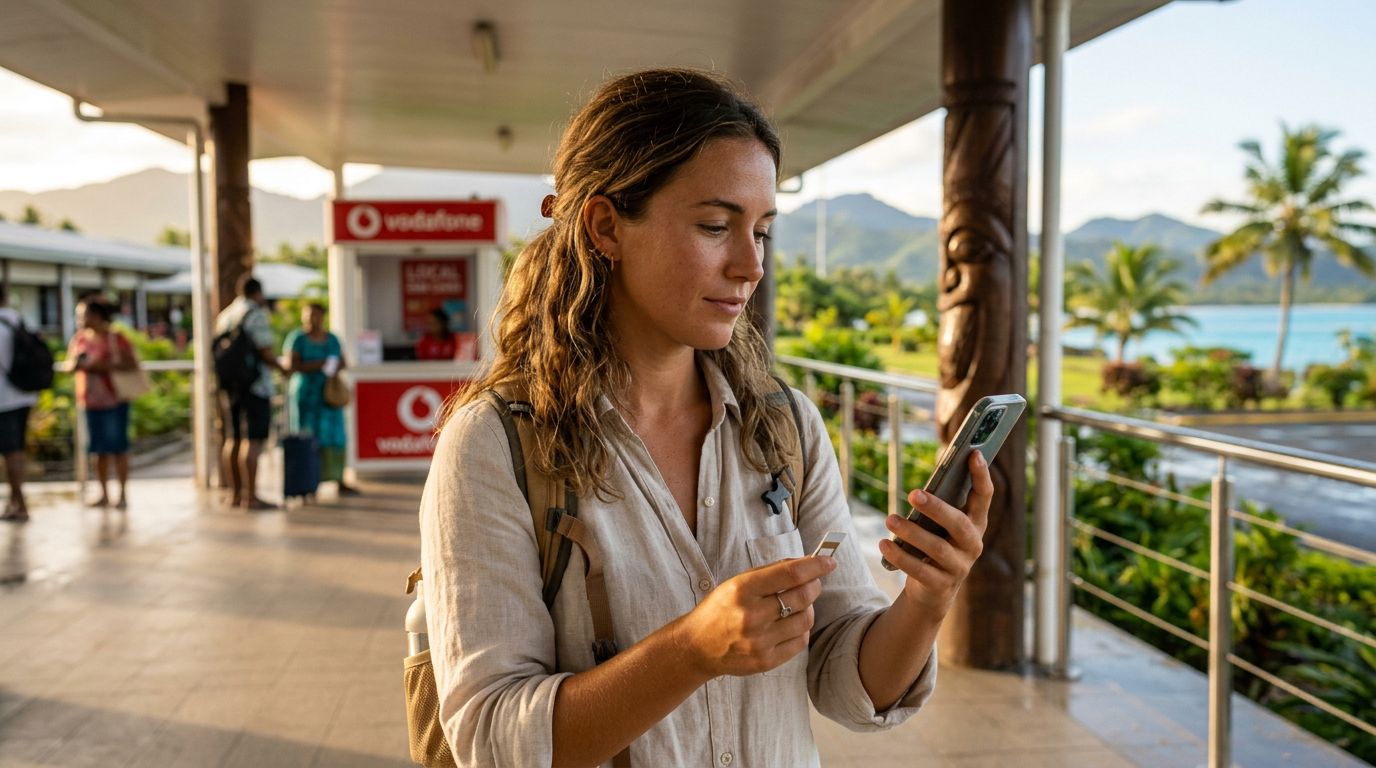
For many years, the standard procedure for travelers arriving in Fiji was to head straight to a kiosk at Nadi International Airport. Upon landing, you would find several local mobile network providers offering physical plastic SIM cards. This method is familiar and straightforward for those who have traveled internationally for a long time.
To use a physical SIM card, you must first ensure your phone is unlocked by your home carrier. If your device is locked, it will not accept a foreign SIM, rendering the card useless. Once you have a local card, you must physically remove your home SIM card and replace it with the Fijian one. This process involves handling a tiny, fragile piece of plastic, which is easy to misplace or damage while standing in a busy airport terminal.
The primary advantage of a physical SIM card is that it provides a local phone number, which can be useful if you need to make local calls to resorts, tour operators, or restaurants. However, you must keep track of your original home SIM card throughout your entire trip. If you lose it, you will face significant difficulties receiving two-factor authentication codes or messages from your home bank or contacts back home. Furthermore, physical SIMs require you to spend time waiting in queues at the airport when you would likely rather be heading to your resort or starting your adventure.
The Modern Solution: Why Travelers Choose eSIMs
An eSIM, or embedded SIM, is a digital version of a physical SIM card. Instead of inserting a physical chip, you download a profile directly to your device. This technology has changed how we manage international connectivity, making the Fiji SIM card vs eSIM debate much more relevant for the tech-savvy traveler.
The biggest benefit of using an eSIM is convenience. You can purchase and activate your data plan before you even board your flight. As soon as your plane touches down in Fiji, you can switch on your data, allowing you to call a taxi, check your hotel reservation, or pull up a map without searching for a kiosk or fumbling with a SIM tray tool.
OneTapSIM provides a seamless experience for those looking to avoid the stress of physical cards. By using an eSIM, you keep your primary SIM card inside your phone. This means you can still receive important SMS messages from your home country while simultaneously using your eSIM for data. This is particularly useful for travelers who need to maintain access to their home accounts for work or security reasons.
Compatibility is the only major hurdle with eSIM technology. You must ensure your smartphone supports eSIM functionality. Most flagship devices released in the last few years are compatible, but it is always wise to check your device settings or consult the manufacturer’s support pages to confirm before you purchase a plan. If your phone is eSIM-ready, the setup process is typically as simple as scanning a QR code or entering a manual activation code provided after your purchase.
Making the Final Decision for Your Fiji Adventure
When deciding between a Fiji SIM card vs eSIM, consider the length of your stay and your technical comfort level. If you are a light user who only needs to check emails and occasional social media, or if you are someone who prefers to have a physical item to hold, a local SIM card might suffice, provided you are willing to spend the time at the airport to set it up.
However, if you value your time and want to avoid the hassle of swapping cards, the eSIM is the superior choice. The ability to land in Fiji and be connected within seconds is a significant advantage. Because you do not need to visit a physical store, you avoid the potential language barriers or confusing plan options that can sometimes occur when dealing with local providers directly.
Another factor to consider is the environment. Physical SIM cards come in plastic frames that eventually become waste. By choosing an eSIM, you are opting for a digital-first solution that reduces the need for plastic production and shipping. It is a cleaner, more efficient way to manage your mobile data.
If you are worried about the setup process, remember that modern eSIM providers have streamlined the experience. You can typically manage your data usage, check your balance, and extend your plan through an app or a dedicated user portal. This level of control is rarely available with standard prepaid physical SIM cards, which often require you to buy top-up vouchers from convenience stores.
Ultimately, your trip to Fiji should be about relaxing on the beach or hiking through tropical forests, not stressing over mobile connectivity. By preparing your eSIM ahead of time, you remove one of the most common points of friction in international travel. Whether you are a solo backpacker or traveling with family, having reliable data at your fingertips allows you to document your experiences, navigate to hidden gems, and stay in touch with loved ones back home without interruption.
As you plan your itinerary, take a moment to verify your phone’s compatibility and look into the data packages available for your destination. By choosing a digital solution like OneTapSIM, you ensure that your transition into "island time" is as smooth as possible. You will spend less time in airport queues and more time enjoying the crystal-clear waters and warm hospitality that make Fiji one of the most beloved destinations in the South Pacific. Connectivity should be a tool that enhances your journey, not a task that detracts from it. With an eSIM, you can focus on the memories you are creating rather than the logistics of your phone settings.
Get an eSIM for
Plans for the destinations covered in this guide, with instant QR delivery.