Understanding Connectivity Challenges in Mongolia
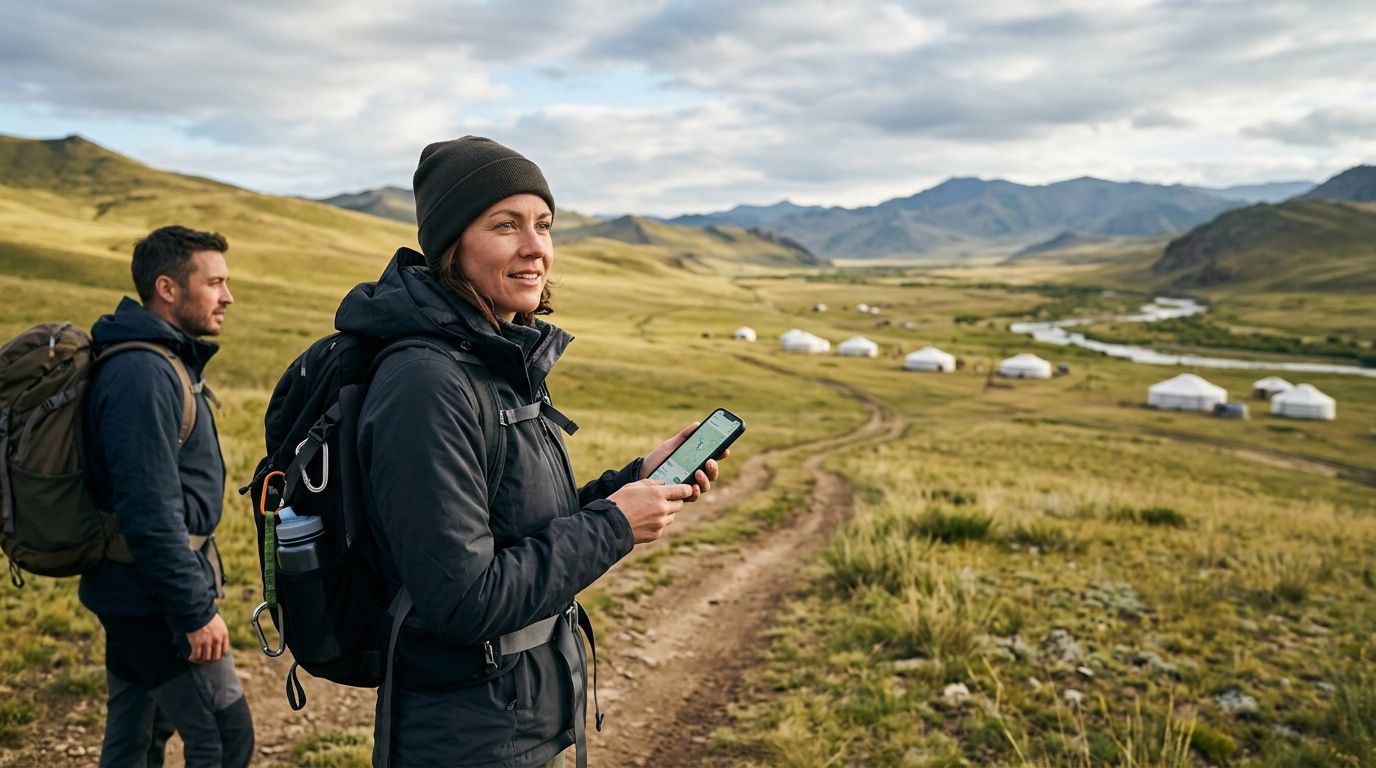
Mongolia is a land of vast, open landscapes, ranging from the sprawling urban streets of Ulaanbaatar to the remote, rugged terrain of the Gobi Desert and the Altai Mountains. For travelers, this geography presents a unique set of challenges regarding mobile connectivity. While major cities and larger towns are well-covered by local cellular networks, the expansive countryside often lacks consistent signal strength. Relying on a single roaming plan from your home carrier can be both unreliable and frustrating when you need to access maps, translate languages, or share your travel experiences.
Using a dual SIM setup is the most effective way to manage your communication needs while exploring this beautiful country. By keeping your primary SIM active for essential calls or two-factor authentication codes from home, and adding a secondary travel eSIM for local data, you ensure that you are never left without a connection. This approach prevents the common issue of being tethered to a single network that might not have coverage in the specific region you are visiting. When you travel through Mongolia, having the flexibility to switch between network providers or rely on a dedicated data-only eSIM allows you to maintain a steady internet connection, which is vital for GPS navigation and emergency communication.
Why Dual SIM is Essential for Mongolia Travel Tips
When planning your trip, you will quickly realize that the infrastructure in remote areas is vastly different from what you might be accustomed to in Western Europe or North America. Many travelers find that their home carrier’s roaming agreements are limited to only one local provider in Mongolia. If that specific provider has a dead zone in the valley where you are camping or hiking, you are effectively offline.
A dual SIM configuration solves this by allowing you to prioritize data usage through a service like OneTapSIM. By installing an eSIM before you arrive, you can activate your data connection as soon as you land at Chinggis Khaan International Airport. This eliminates the need to hunt for physical SIM card kiosks, which can be time-consuming and often require navigating language barriers.
Furthermore, using a dual SIM setup helps you avoid the risk of losing your physical home SIM card. In the past, travelers had to swap out their primary SIM for a local one, creating a high risk of misplacing the original chip. With an eSIM, your primary physical SIM remains safely tucked inside your phone, while your travel data plan operates digitally in the background. This is particularly useful for travelers who need to keep their home number active to receive important bank alerts or messages from family, while simultaneously using a high-speed data plan for navigation and social media.
Setting Up Your Device for Seamless Travel
Before you depart, it is important to verify that your smartphone is compatible with eSIM technology. Most modern smartphones released in the last few years support dual SIM functionality, typically through a combination of one physical SIM slot and one or more eSIM profiles. You can check your device settings or consult the manufacturer’s support pages to confirm that your phone is unlocked and ready to accept a secondary carrier.
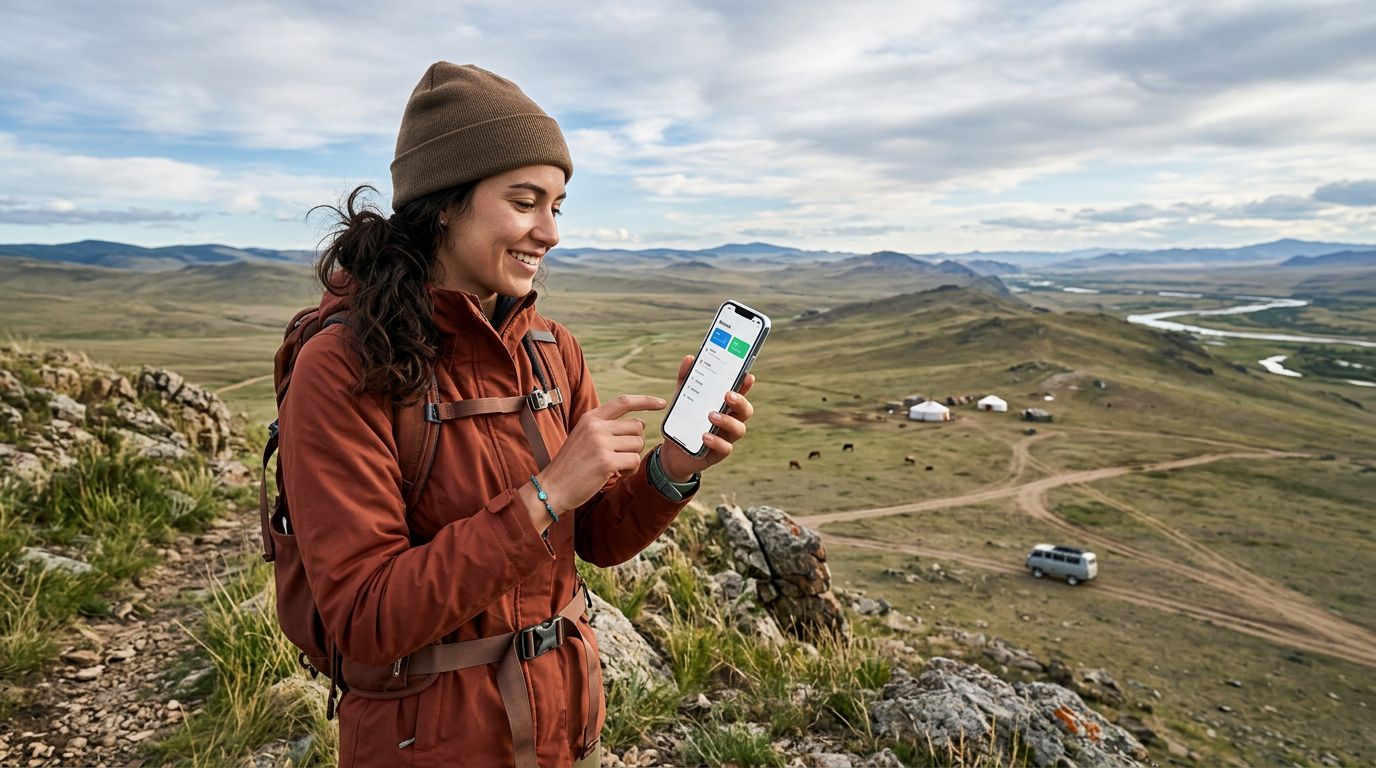
Once you have confirmed compatibility, the installation process is straightforward. You will receive a QR code or an activation code that allows you to add the travel plan to your phone’s cellular settings. Once added, you can label your plans clearly, such as "Home" and "Travel," to avoid confusion. In your phone’s cellular settings, you can designate your travel eSIM as the primary source for cellular data. This ensures that all your apps, maps, and web browsers pull data from the local network, while your home SIM remains in standby mode for voice calls and SMS.
OneTapSIM provides a streamlined experience for this setup, allowing you to manage your data usage efficiently throughout your journey. Because you are using a digital plan, you can monitor your data consumption directly from your phone’s settings menu. If you find yourself in a remote area where you need to conserve battery, you can easily toggle off the data-heavy SIM and rely on local Wi-Fi when available, or keep the connection active only when you need to check your location on a map.
Practical Tips for Staying Connected in the Gobi and Beyond
As you move away from Ulaanbaatar, your connectivity habits should shift. In the city, you will likely have access to strong 4G or even 5G signals. However, as you head into the steppe or the desert, signal strength will fluctuate. Here are a few tips to maximize your dual SIM setup:
First, download offline maps before you leave your hotel or accommodation. Even with a reliable eSIM, there will be stretches of the Mongolian countryside where no cellular network reaches. Having offline maps ensures you can always find your way, regardless of your signal status.
Second, adjust your phone’s background data settings. Many apps automatically sync photos, update software, or refresh feeds in the background, which can consume your data allowance quickly. By restricting background data for non-essential apps, you ensure that your travel data is reserved for navigation, translation, and communication.
Third, keep a portable power bank with you. Searching for a signal can drain your battery faster than usual, as your phone increases its transmission power to reach distant cell towers. A reliable power bank ensures that your phone stays charged, allowing you to maintain your dual SIM connection throughout the day.
Finally, remember that the goal of traveling in Mongolia is to experience the vastness of the landscape. While having a reliable data connection through a dual SIM setup provides peace of mind and safety, it is also beneficial to embrace the moments when you are truly off the grid. Use your connectivity to plan your route, share your highlights, and stay in touch with loved ones, but do not hesitate to put the phone away and enjoy the silence of the Mongolian horizon. By preparing your device with a flexible eSIM solution, you gain the freedom to explore with confidence, knowing that you have a reliable connection whenever you need it most.
Get an eSIM for
Plans for the destinations covered in this guide, with instant QR delivery.