Understanding eSIM Technology in Switzerland
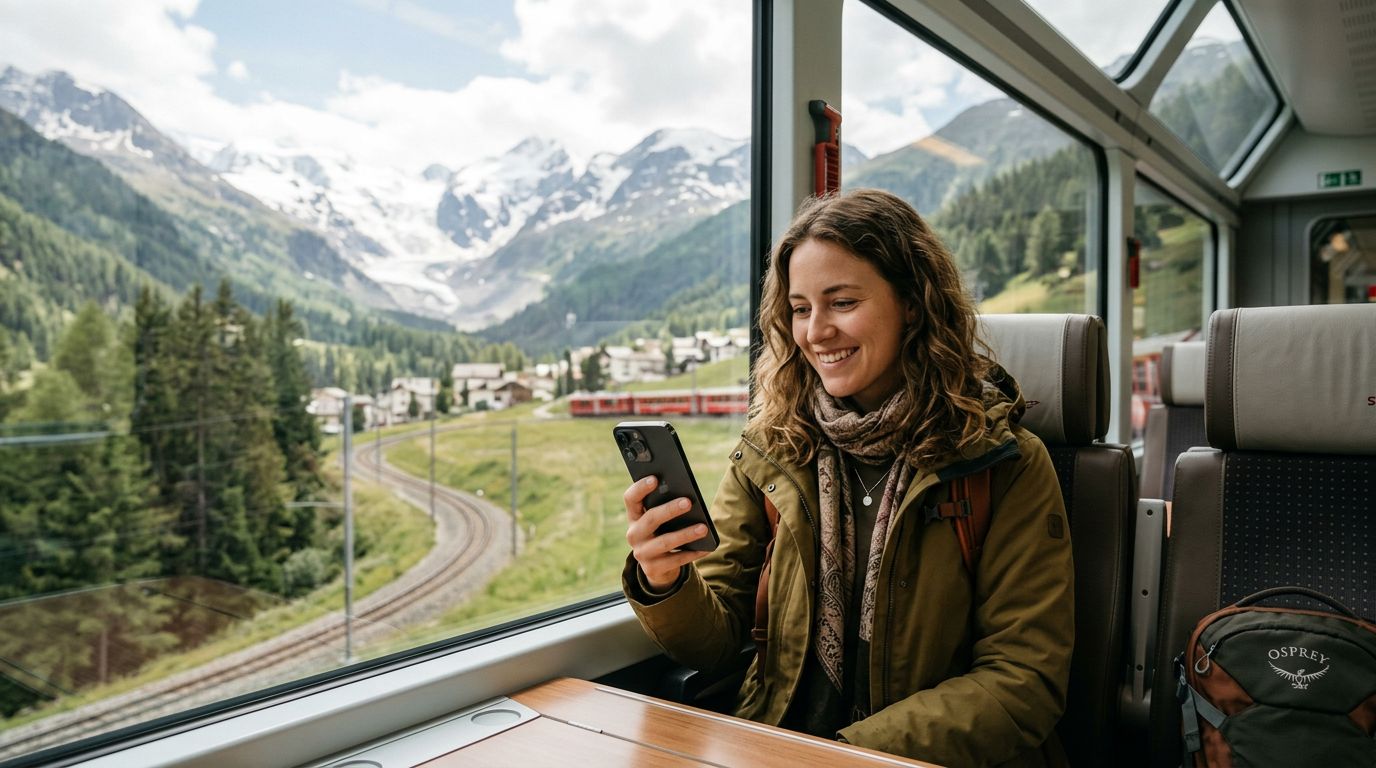
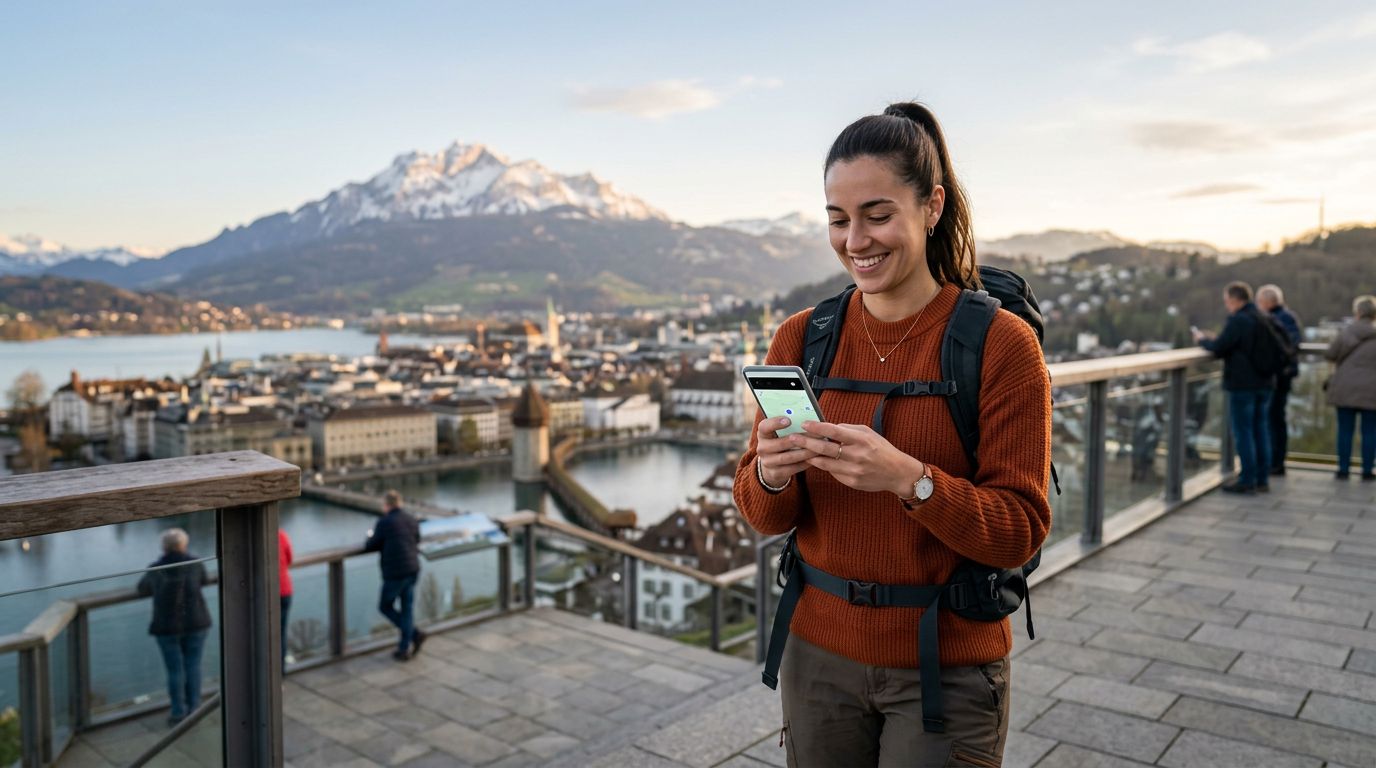
Travelers frequently ask, "does esim work in switzerland?" The short answer is a resounding yes. Switzerland has embraced eSIM technology, making it one of the most convenient destinations for international visitors who want to stay connected without the hassle of physical SIM cards.
An eSIM, or embedded SIM, is a digital version of the traditional plastic card that has been used in mobile phones for decades. Instead of needing to open your phone’s tray and swap out a tiny chip, an eSIM is downloaded directly onto your device’s internal hardware. Because Switzerland boasts a highly advanced telecommunications infrastructure, the local network providers fully support this technology. Whether you are traveling through the bustling streets of Zurich, exploring the scenic lakeside paths of Geneva, or heading high into the Alps for a hiking trip, you can expect reliable coverage.
Using an eSIM in Switzerland is particularly advantageous because it allows you to keep your primary phone number active for calls or texts while using a secondary data plan for your browsing, navigation, and social media needs. This dual-SIM capability is a standard feature on most modern smartphones. By choosing a digital solution, you eliminate the risk of losing a physical SIM card during your travels and avoid the common frustration of searching for a local kiosk at the airport upon arrival.
Why Choose an eSIM for Your Swiss Adventure
When planning a trip to the Swiss Confederation, connectivity is essential. From using real-time train schedules on the SBB app to finding the best local restaurants or sharing photos of the Matterhorn, a stable internet connection is a must. OneTapSIM provides a streamlined way to ensure you have data the moment you step off the plane or cross the border.
One of the primary benefits of using a travel eSIM is the sheer convenience of the setup process. With traditional SIM cards, you often have to stand in line at a mobile store, provide identification, and manually configure your device settings. With an eSIM, the process is largely automated. You can purchase your plan before you even leave home, and the activation typically happens with a simple scan of a QR code or a few taps in your device settings.
Furthermore, Switzerland is known for its high-quality mobile networks. By using an eSIM that utilizes these local towers, you benefit from the same high-speed 4G and 5G connections that local residents enjoy. This is a significant upgrade over roaming with your home carrier, which can often be slow, unreliable, or subject to strict data throttling. With a dedicated travel eSIM, you are treating your phone like a local device, which often results in better latency and more consistent speeds across both urban centers and rural mountain regions.
Sustainability is another factor worth considering. Physical SIM cards and their plastic packaging contribute to unnecessary waste. By opting for a digital-only solution, you reduce your environmental footprint while traveling. It is a modern, efficient, and clean way to manage your mobile connectivity needs while exploring the beauty of Europe.
How to Set Up and Use Your eSIM
If you are wondering how to get started, the process is straightforward provided your device is compatible. Most smartphones released in the last few years support eSIM technology. You can verify your device's compatibility by checking the manufacturer's support pages, such as those provided by Apple or Google.
Once you have confirmed that your device is unlocked and eSIM-ready, the setup follows a standard pattern. After selecting your plan through a provider like OneTapSIM, you will receive instructions on how to install your eSIM profile. This usually involves going into your phone’s cellular or mobile data settings, selecting the option to add a new plan, and scanning the provided QR code.
It is important to remember that your eSIM should be installed while you have a stable Wi-Fi connection. While the installation process is quick, it does require a brief handshake with the network provider’s servers to register your device. Once the profile is installed, you can toggle it on as soon as you land in Switzerland.
Some travelers prefer to install their eSIM a day or two before their trip. This is perfectly fine, as most eSIMs are designed to activate only once they connect to the specific partner networks in the destination country. This means you do not have to worry about your data usage starting prematurely.
To manage your data usage effectively, ensure that your phone’s settings are configured to use the eSIM for "Cellular Data" while keeping your primary SIM for "Voice" or "SMS" if needed. This prevents your home carrier from accidentally triggering expensive roaming charges for background data usage. If you ever run out of data, many providers allow you to top up your plan remotely through their website, ensuring that you are never left without a map or a translation tool when you need it most.
Switzerland is a country that rewards exploration, and having a reliable connection ensures that you can move between cities and mountain passes with confidence. By leveraging the flexibility of eSIM technology, you can focus on the breathtaking scenery rather than worrying about your mobile connectivity. Whether you are a business traveler or a tourist looking to capture the perfect alpine sunset, an eSIM is the most efficient companion for your journey.
Get an eSIM for
Plans for the destinations covered in this guide, with instant QR delivery.