Understanding eSIM Technology in West Africa
Traveling to Sierra Leone offers a unique experience, from the lush rainforests of Tiwai Island to the historical significance of Bunce Island and the pristine beaches of the Freetown Peninsula. As you plan your itinerary, staying connected is essential for navigation, booking local transport, and sharing your journey. Many travelers ask, "does eSIM work in Sierra Leone?" The short answer is yes, but the implementation depends on your device compatibility and the local network infrastructure.
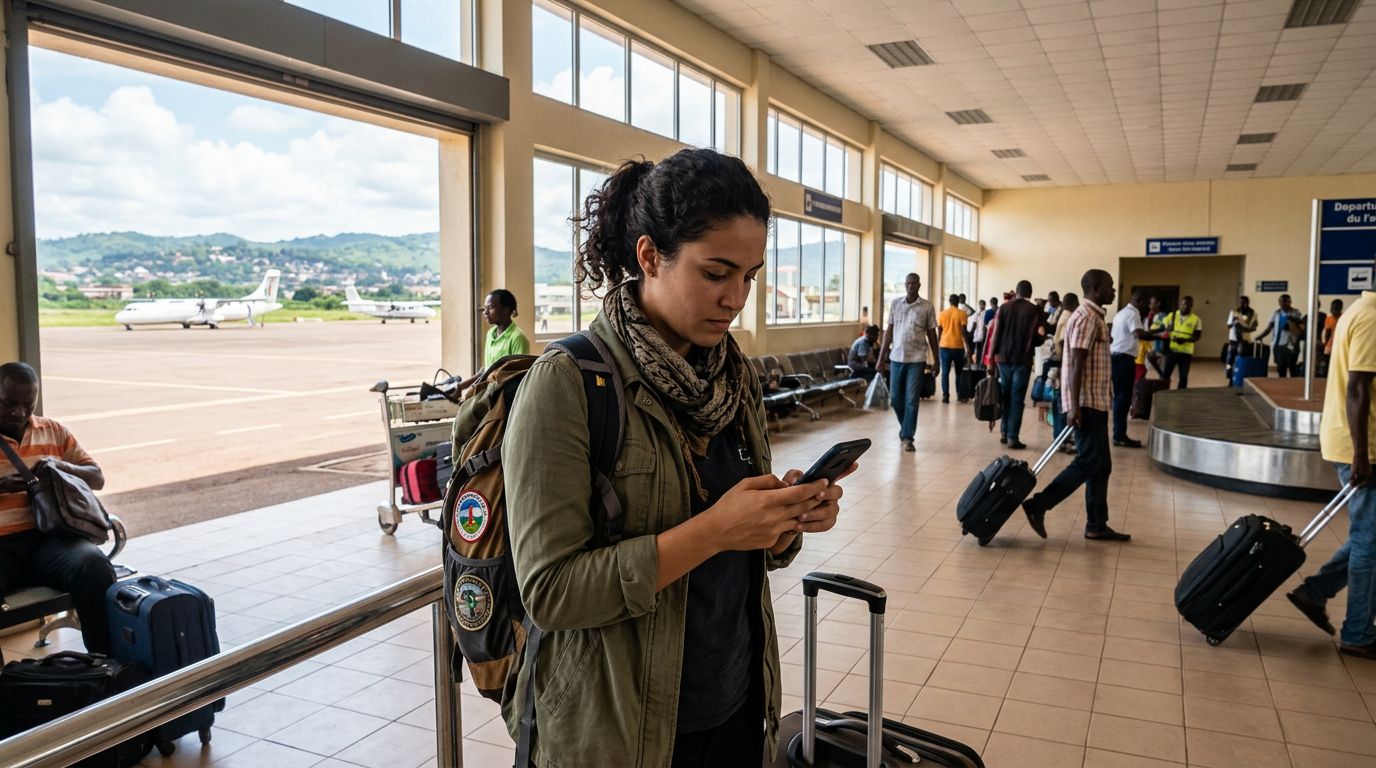
An eSIM, or embedded SIM, is a digital version of the traditional physical plastic card. It is built directly into the hardware of modern smartphones, tablets, and smartwatches. Because it is software-based, you do not need to visit a local kiosk or swap out tiny cards when you arrive at Lungi International Airport. Instead, you activate a data profile over a wireless connection.
For travelers visiting Sierra Leone, the primary benefit of using an eSIM is the ability to maintain your home number for calls or texts while using a separate data plan for internet access. This prevents the common headache of losing your physical SIM card or dealing with roaming charges from your home carrier, which can be prohibitively expensive.
Compatibility and Device Requirements
Before you rely on an eSIM for your trip, you must verify that your device is "unlocked." An unlocked phone is one that is not restricted to a specific carrier. If you purchased your phone through a service provider on a payment plan, it might be locked to their network. You can usually check this in your device settings or by contacting your home carrier.
Most modern flagship smartphones released in the last few years support eSIM technology. If you are using a recent model from major manufacturers, your device likely has the necessary hardware. To confirm, you can check the official support pages for your device manufacturer, such as the resources provided by Apple or Google.
Once you confirm your device is unlocked and compatible, the process of setting up an eSIM is straightforward. You typically receive a QR code or a set of manual installation instructions. You scan the code or enter the details in your cellular settings menu, and the device downloads the profile. It is important to note that you should perform the initial installation while you still have a stable internet connection, such as at home or in a hotel with Wi-Fi, before you board your flight to Sierra Leone.
Connectivity Options for Sierra Leone
When you arrive in Sierra Leone, you will find that the mobile landscape is evolving. While physical SIM cards from local providers remain the standard for many residents, the convenience of eSIMs is becoming more accessible to international visitors. Using a service like OneTapSIM allows you to secure your data plan before you even land. This ensures that as soon as you step off the plane, you can access maps and ride-sharing applications without needing to find a local vendor or navigate language barriers at a mobile shop.
The coverage in Sierra Leone is strongest in urban areas like Freetown, Bo, and Kenema. As you travel into more remote regions, such as the Gola Rainforest National Park, signal strength may fluctuate. This is a common reality for all mobile users in the country, regardless of whether they use a physical SIM or an eSIM. Because OneTapSIM partners with reliable local network infrastructures, you get the best possible access to available towers.
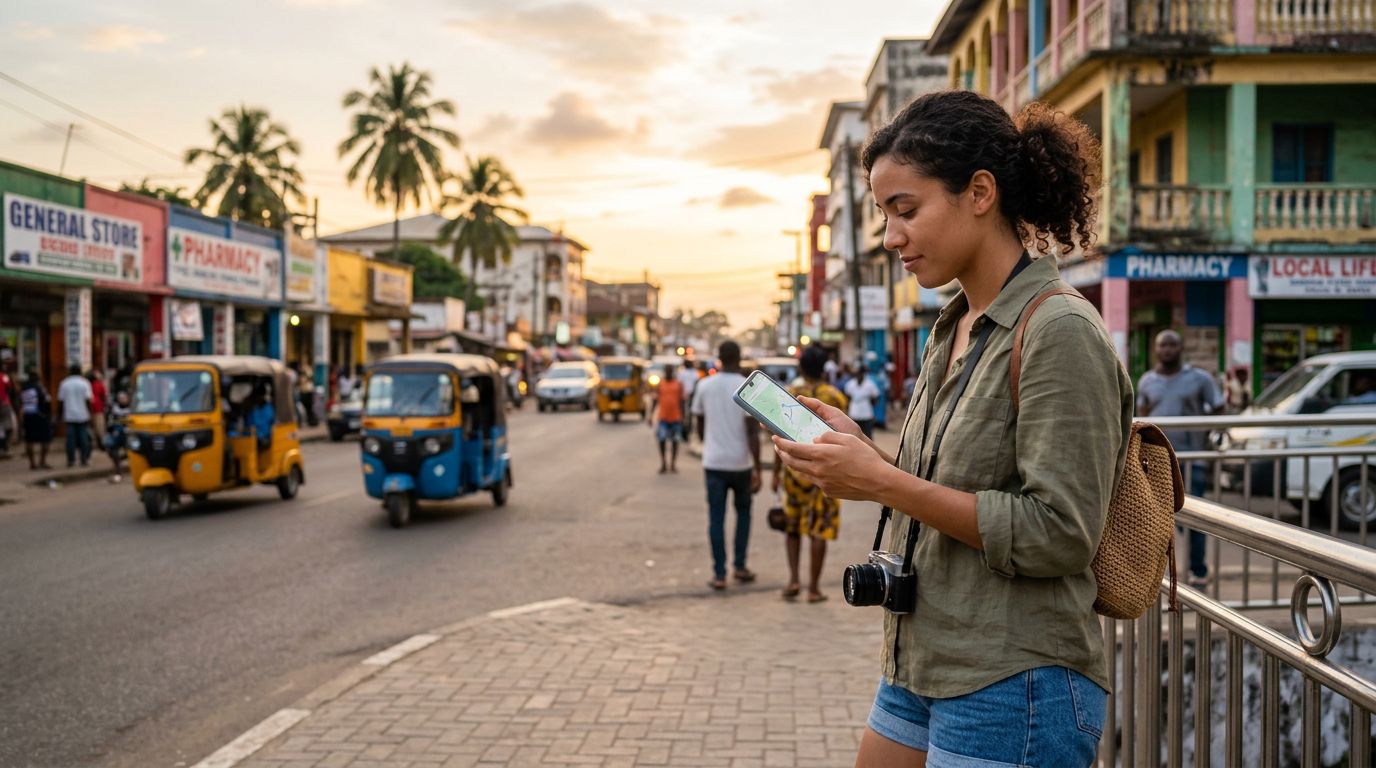
To manage your data effectively, keep an eye on your usage through your phone’s settings. Since you are likely using data for GPS, social media, and messaging, it is helpful to download offline maps of Sierra Leone before you depart. This allows you to navigate even if you move into an area with limited cellular reception.
Tips for a Smooth Digital Experience
To ensure your trip remains stress-free, consider these best practices for using an eSIM in Sierra Leone. First, keep your phone’s software updated. Manufacturers frequently release updates that improve how the device handles dual-SIM functionality and network switching.
Second, understand how to manage your data settings. On most devices, you can designate which SIM is used for "Cellular Data" and which is used for "Voice/SMS." For a trip to Sierra Leone, you should set your OneTapSIM profile as the primary source for data. This prevents your home carrier from accidentally engaging in expensive international roaming data.
Third, bring a portable power bank. Using GPS and searching for signals in areas with varying coverage can drain your battery faster than usual. Having a backup power source ensures that you are never left without a way to contact your accommodation or your tour guide.
Finally, remember that an eSIM is a data-only solution in most travel contexts. If you need to make traditional voice calls, you may want to use internet-based calling apps like WhatsApp, Telegram, or Skype. These services use your data plan to provide high-quality voice and video communication, which is often more reliable and cost-effective than traditional international roaming calls.
By preparing your device before you leave and understanding the local connectivity landscape, you can focus on the beauty of Sierra Leone rather than the technicalities of your phone. Whether you are exploring the vibrant markets of Freetown or relaxing on the shores of Tokeh Beach, having a reliable data connection ensures that you stay connected to what matters most. With the right preparation, your digital experience will be as seamless as the rest of your travel plans.
Get an eSIM for
Plans for the destinations covered in this guide, with instant QR delivery.