Understanding Connectivity in Libya
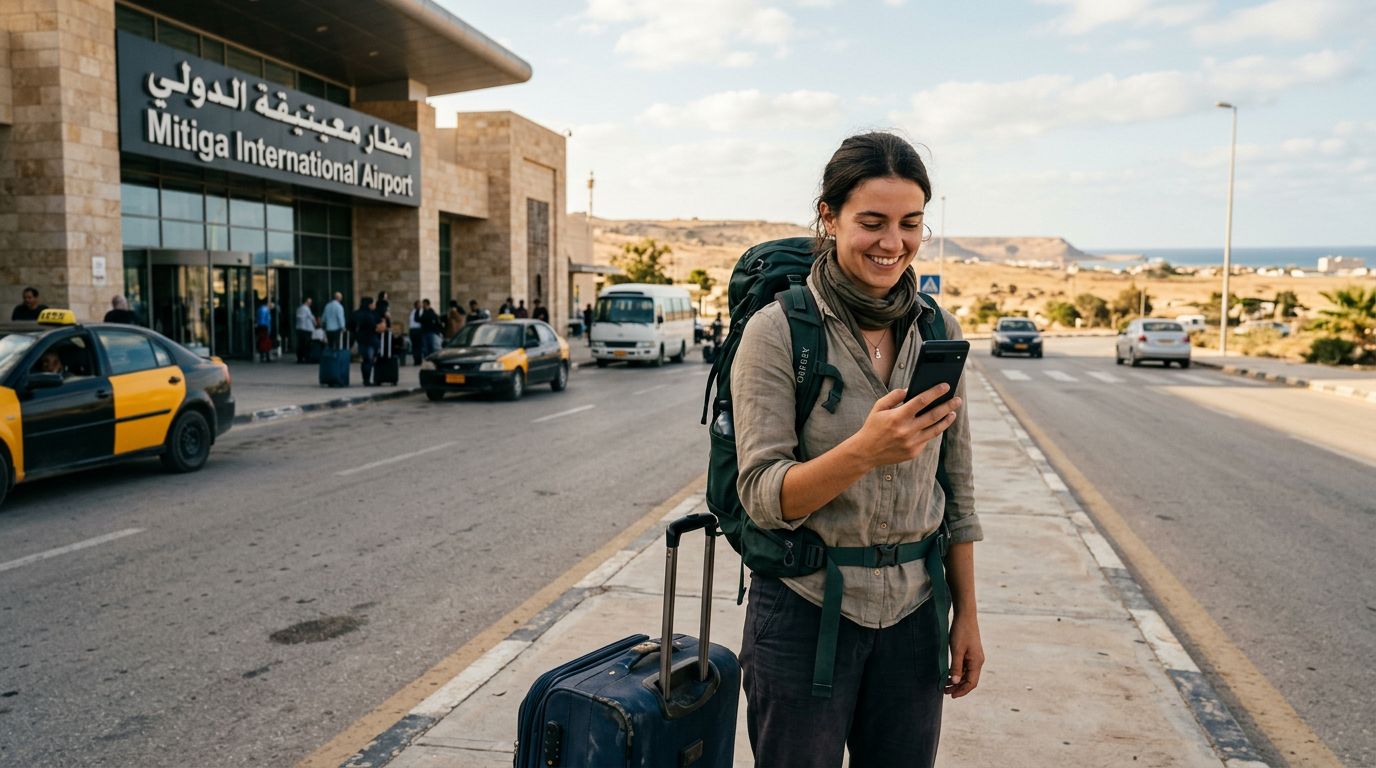
Traveling to Libya offers a unique opportunity to explore ancient Roman ruins, vast Saharan landscapes, and the vibrant culture of Tripoli. However, staying connected while visiting this North African nation requires careful planning. Many travelers often ask, "does eSIM work in Libya?" The answer is nuanced. While eSIM technology is globally recognized and supported by most modern smartphones, the local telecommunications infrastructure in Libya is still catching up to the widespread adoption of digital SIM cards.
In Libya, the mobile market is primarily dominated by two state-owned operators: Al-Madar Al-Jadid and Libyana. These providers have historically relied on physical SIM cards to manage their subscriber base. Because the local infrastructure has not fully integrated eSIM provisioning for tourists or international visitors, you will find that local eSIMs are not readily available for purchase at kiosks or airport counters.
This is where international roaming solutions become essential. If you are wondering how to maintain data access without hunting for a physical SIM card upon arrival, an international eSIM provider like OneTapSIM offers a reliable alternative. By using an eSIM that connects to roaming partners, you bypass the need to interact with local carriers directly or deal with the language barriers and registration processes that often accompany local physical SIM purchases.
How eSIM Technology Functions for Travelers
An eSIM, or embedded SIM, is a digital version of the traditional plastic SIM card. It is built directly into the hardware of your smartphone. Instead of physically inserting a chip, you download a data profile that allows your device to connect to cellular networks. This technology is compatible with most flagship devices released in the last few years. You can verify your device compatibility through resources provided by apple.com or google.com to ensure your phone is unlocked and ready for international use.
When you travel to a destination like Libya, where local digital infrastructure is limited for visitors, an eSIM functions by utilizing roaming agreements. When you activate a OneTapSIM profile, your device is programmed to search for supported partner networks in the region. This allows you to access mobile data as soon as you land, provided you have a stable internet connection to perform the initial download of the eSIM profile.
The primary advantage of this approach is convenience. You do not need to remove your home SIM card, which keeps your primary phone number active for essential calls or two-factor authentication texts. You simply toggle your data settings to use the eSIM for your internet needs while keeping your primary line for voice services. This dual-SIM functionality is a standard feature on modern smartphones, allowing you to manage two networks simultaneously without the risk of losing a small plastic card.
Practical Tips for Staying Connected in Libya
If you decide to use an eSIM for your trip to Libya, there are several steps you should take to ensure a smooth experience. First, confirm that your smartphone is carrier-unlocked. Many phones purchased through a monthly contract are locked to a specific provider and will not accept an eSIM from a third-party service. If you are unsure about your device status, check the settings menu or contact your home network provider before your departure.
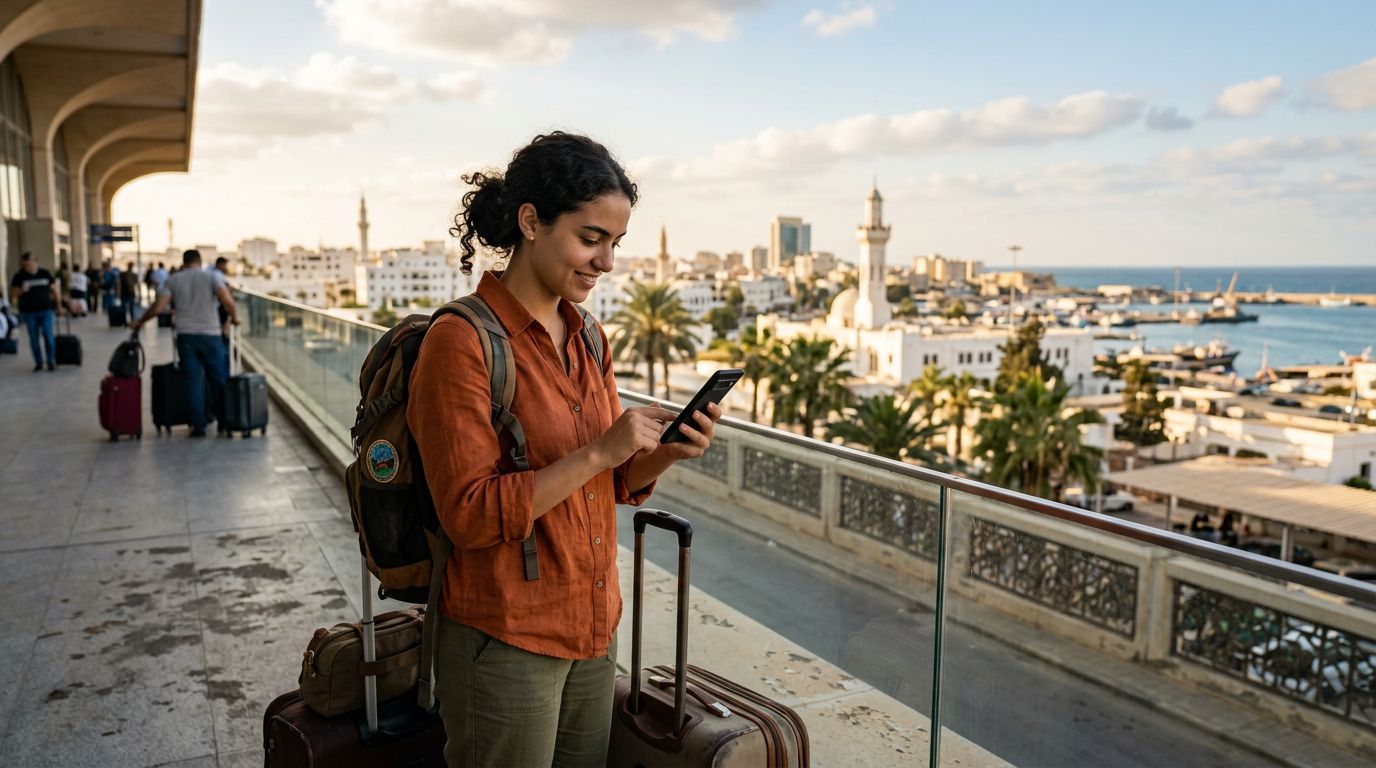
Second, plan your installation. Since an eSIM requires an internet connection to activate, you should download and install your OneTapSIM profile while you are still at home or at a location with reliable Wi-Fi. Once the profile is installed, it remains dormant until you arrive in Libya and turn on data roaming for that specific line. This ensures that you are ready to go the moment your plane touches down.
Third, manage your data usage effectively. While roaming data is convenient, it is important to be mindful of your consumption. Background processes on your phone, such as automatic app updates, cloud backups, and high-definition video streaming, can consume significant data. To preserve your balance, consider disabling "Wi-Fi Assist" and setting your photos to sync only when connected to a dedicated Wi-Fi network.
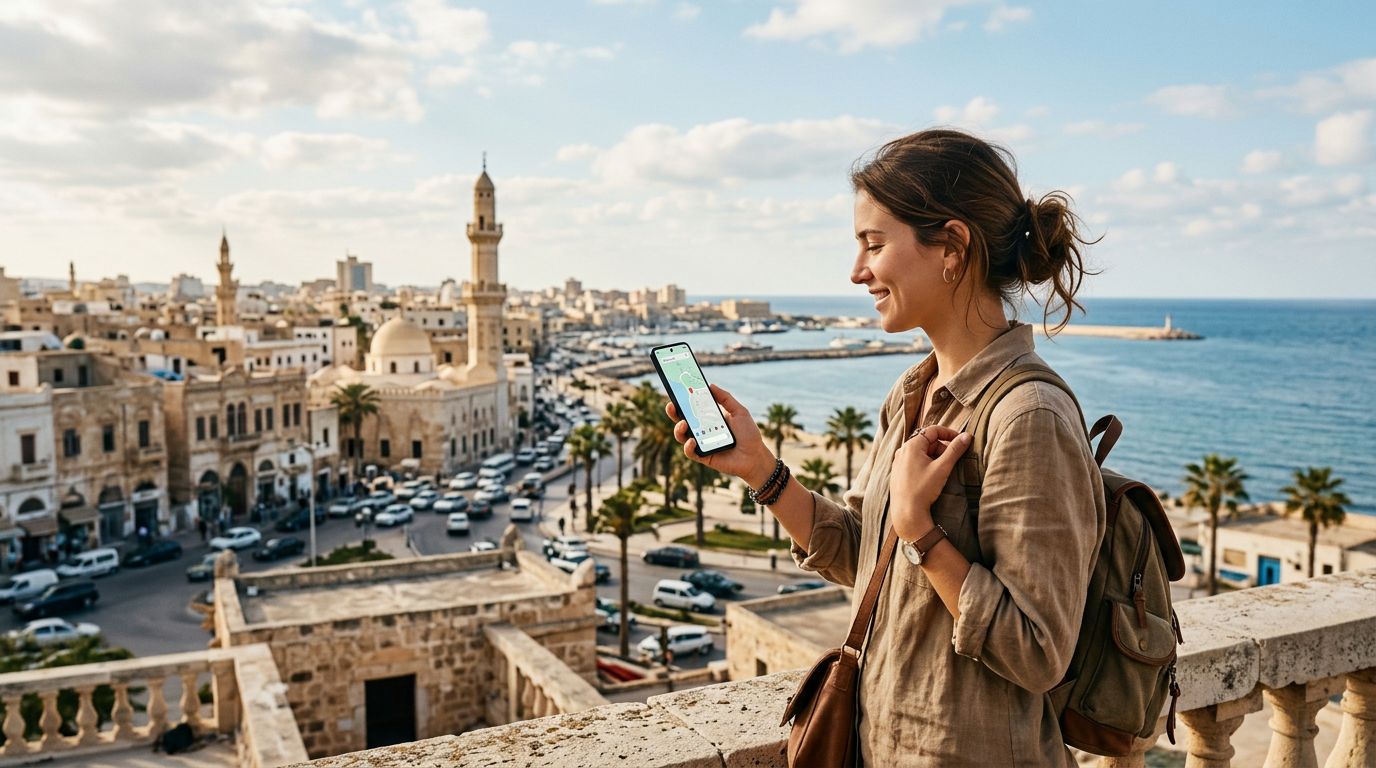
Finally, keep in mind that network coverage in Libya can vary significantly between urban centers like Tripoli or Benghazi and the more remote desert regions. While roaming partners usually provide the best available coverage, there may be areas where signal strength is intermittent. Having offline maps downloaded on your device is a smart precaution for any traveler exploring outside of major cities.
By preparing your device in advance and understanding the limitations of the local network environment, you can enjoy a seamless travel experience. Using a service like OneTapSIM allows you to focus on your itinerary rather than worrying about connectivity logistics. Whether you are navigating the historic streets of Leptis Magna or coordinating your travel plans in the capital, having a reliable data connection ensures that you can access maps, translation tools, and communication apps whenever you need them. While local eSIM support may be limited, the global roaming capabilities of modern eSIM technology provide the connectivity you need to explore Libya with confidence.
Get an eSIM for
Plans for the destinations covered in this guide, with instant QR delivery.