Understanding Connectivity in Guatemala
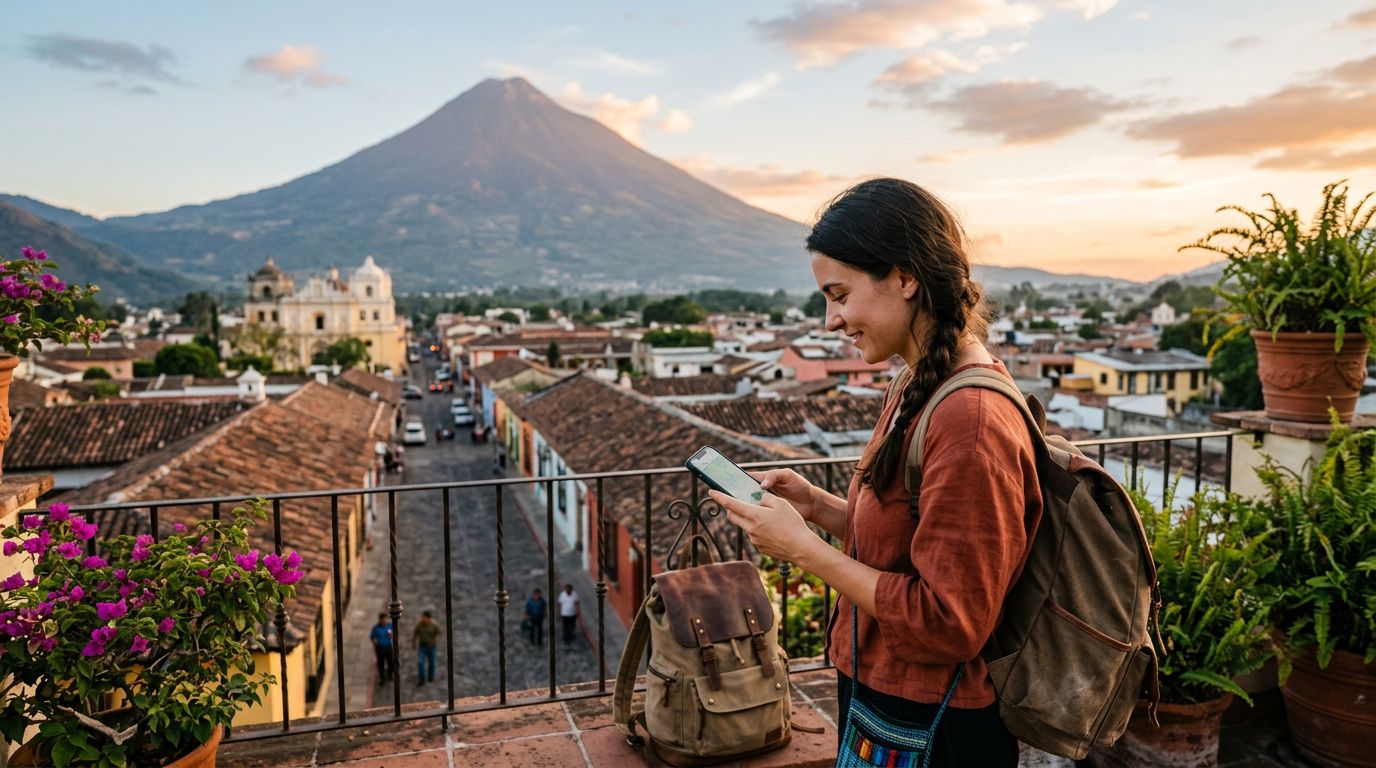
Guatemala is a country defined by its dramatic landscapes, from the mist-covered peaks of the Cuchumatanes to the lush, tropical lowlands surrounding Tikal. For travelers, staying connected is essential, whether you are coordinating transport between Antigua and Lake Atitlán, checking the latest weather reports for a volcano hike, or simply sharing photos of vibrant local markets with family back home.
Many travelers ask, "does esim work in guatemala?" The short answer is yes. eSIM technology has transformed how international visitors manage their mobile data. Unlike traditional physical SIM cards, which require you to visit a local provider’s shop, present identification, and manually swap out a tiny chip, an eSIM is a digital version of a SIM card that is embedded directly into your phone’s hardware.
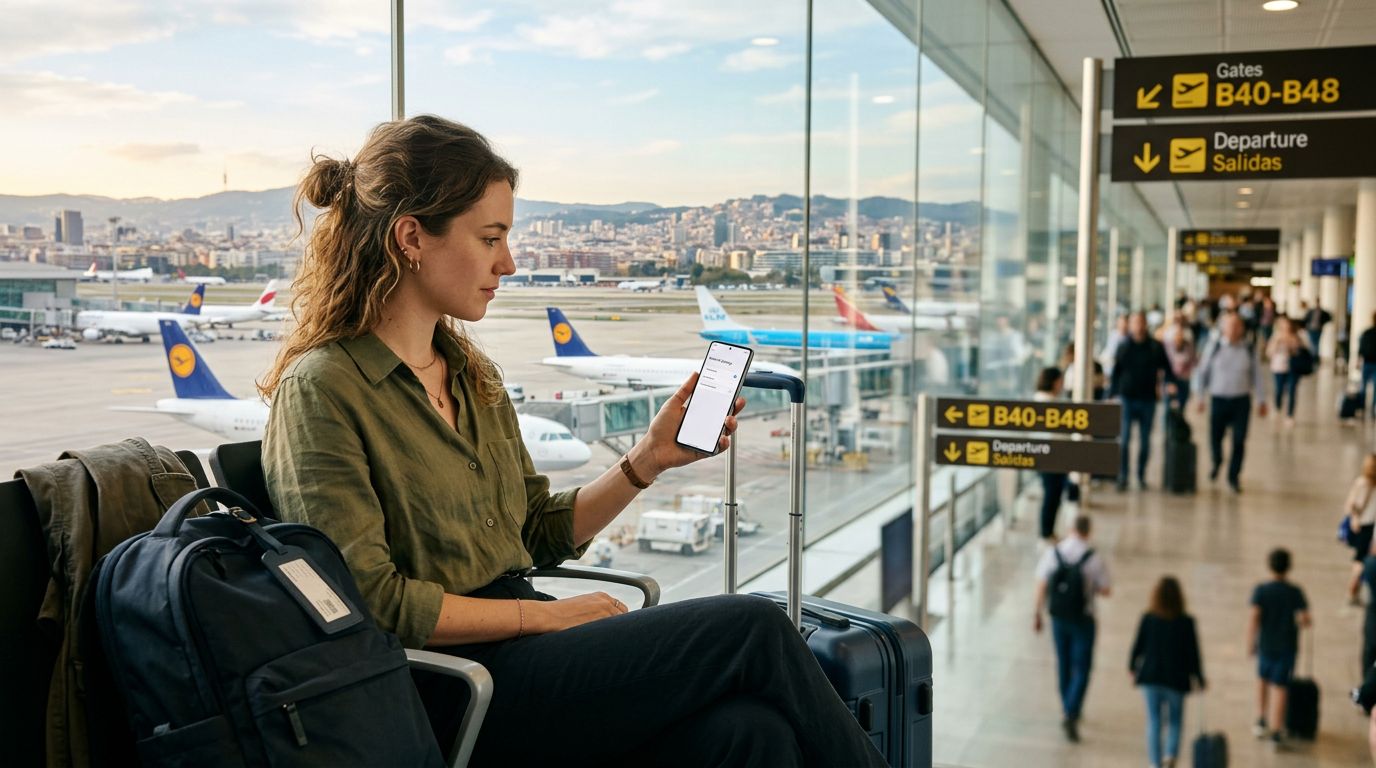
Using an eSIM allows you to activate a local data plan before you even step off the plane at La Aurora International Airport. This means you have immediate access to navigation apps, ride-sharing services, and messaging platforms the moment you arrive. Because eSIMs are digital, you avoid the common pitfalls of physical cards, such as losing your original SIM card or needing to find a local vendor in a remote village where English might not be widely spoken.
The Benefits of Choosing eSIM for Your Trip
The primary advantage of using an eSIM for travel is convenience combined with flexibility. When you rely on a local physical SIM card, you often have to deal with language barriers, long queues at kiosks, and the uncertainty of whether the vendor will properly configure your device for local data. With a digital solution like OneTapSIM, you manage your connectivity requirements through a streamlined installation process.
Another major benefit is the ability to keep your primary phone number active. Many travelers worry that by switching to a local network, they will miss important calls or texts from home. With an eSIM-capable device, you can typically keep your home SIM card active for calls and SMS while designating your eSIM as the primary source for mobile data. This setup ensures you stay reachable for emergencies while benefiting from the speed and reliability of a local network connection.
Furthermore, eSIM technology is inherently more secure. Because the profile is downloaded directly to your device, there is no risk of a physical card being damaged or falling out of your phone’s tray. Should you need to adjust your data usage or extend your stay, you can manage your settings directly from your phone’s interface. This level of control is particularly helpful in a country like Guatemala, where infrastructure can vary significantly between bustling urban centers like Guatemala City and more isolated rural regions.
How to Get Started with Your eSIM
Before you depart, the first step is to ensure your smartphone is eSIM-compatible. Most modern smartphones released in the last few years support this technology. You can verify your device's compatibility by checking your phone's settings menu or visiting the official support pages for your device manufacturer, such as Apple or Google. If your phone is unlocked and supports eSIM, you are ready to proceed.
The process of setting up an eSIM with OneTapSIM is designed to be straightforward. Once you have selected your coverage plan, you will receive instructions to install your eSIM profile. This usually involves scanning a QR code or entering details manually into your phone’s cellular settings. It is recommended to perform this installation while you still have a stable Wi-Fi connection—ideally before you leave your home country.
Once you land in Guatemala, you simply need to activate the eSIM profile in your settings. Your phone will then automatically search for and connect to the local partner networks. If you find that you are not immediately connected, a quick toggle of your "Airplane Mode" or a restart of your device usually resolves the issue by forcing the phone to handshake with the local cell towers.
Tips for Maintaining Connectivity Across Guatemala
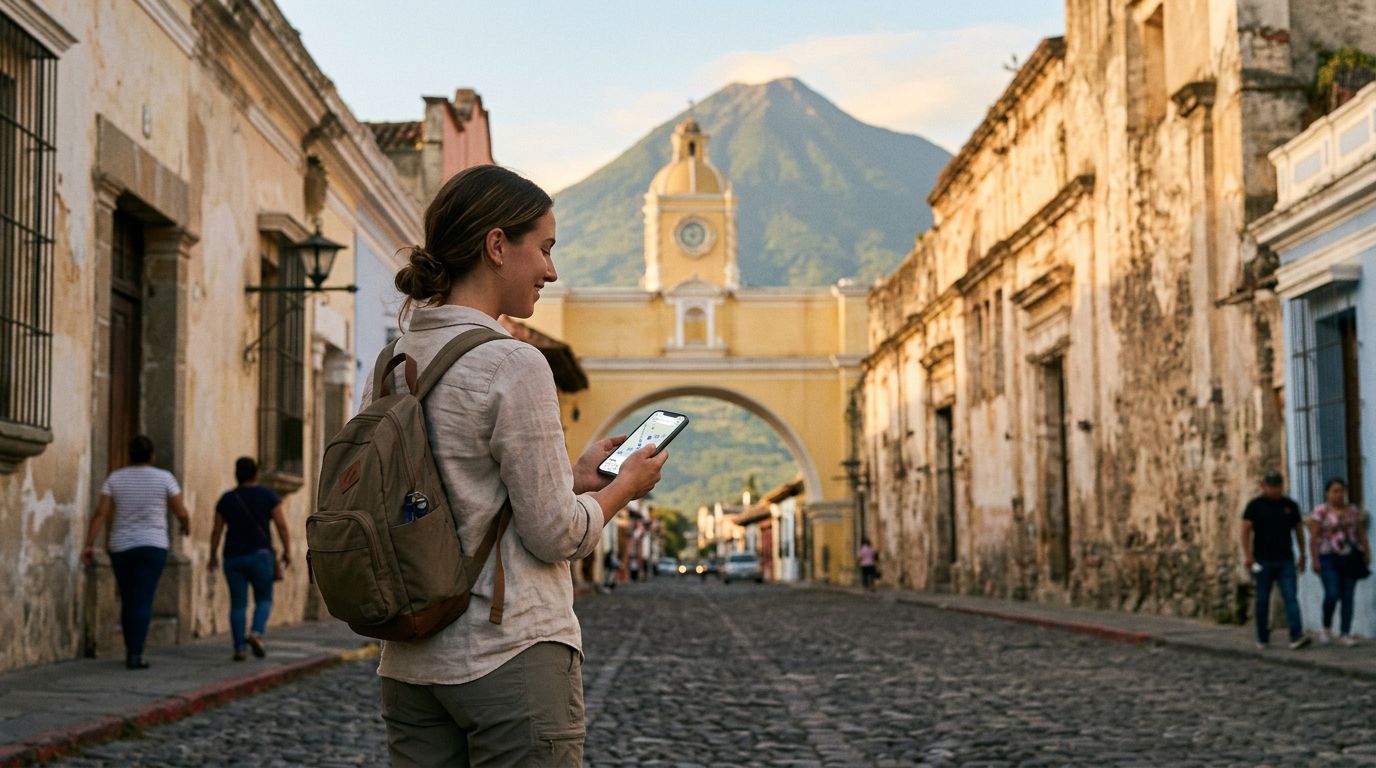
Guatemala features diverse terrain that can impact signal strength. While major cities and popular tourist hubs like Antigua, Flores, and Panajachel have robust cellular infrastructure, remote areas and dense jungle regions may experience intermittent coverage. To maximize your connectivity, it is helpful to download offline maps for the regions you plan to visit. This ensures that even if you move through a "dead zone," your GPS navigation remains functional.
When using data-heavy applications, consider adjusting your phone settings to limit background data usage. This preserves your data allowance for essential tasks like checking bus schedules or looking up restaurant reviews. If you are traveling with a group, you can also utilize the personal hotspot feature on your phone to share your connection with other devices, provided your plan allows it.
OneTapSIM provides a reliable way to stay connected throughout your journey, offering a balance of data speed and network reach that is well-suited for the Guatemalan landscape. By preparing your eSIM before you arrive, you remove the stress of searching for connectivity upon arrival, allowing you to focus on the experience of exploring Mayan ruins, colonial architecture, and the natural beauty of the highlands. Whether you are trekking through the jungle or relaxing by the shore, having a reliable data connection ensures that you can navigate your adventure with confidence and ease. Remember to keep your device charged and always have a portable power bank, as heavy use of navigation and data can drain your battery faster than usual during long days of exploration.
Get an eSIM for
Plans for the destinations covered in this guide, with instant QR delivery.