Understanding eSIM Technology in Botswana
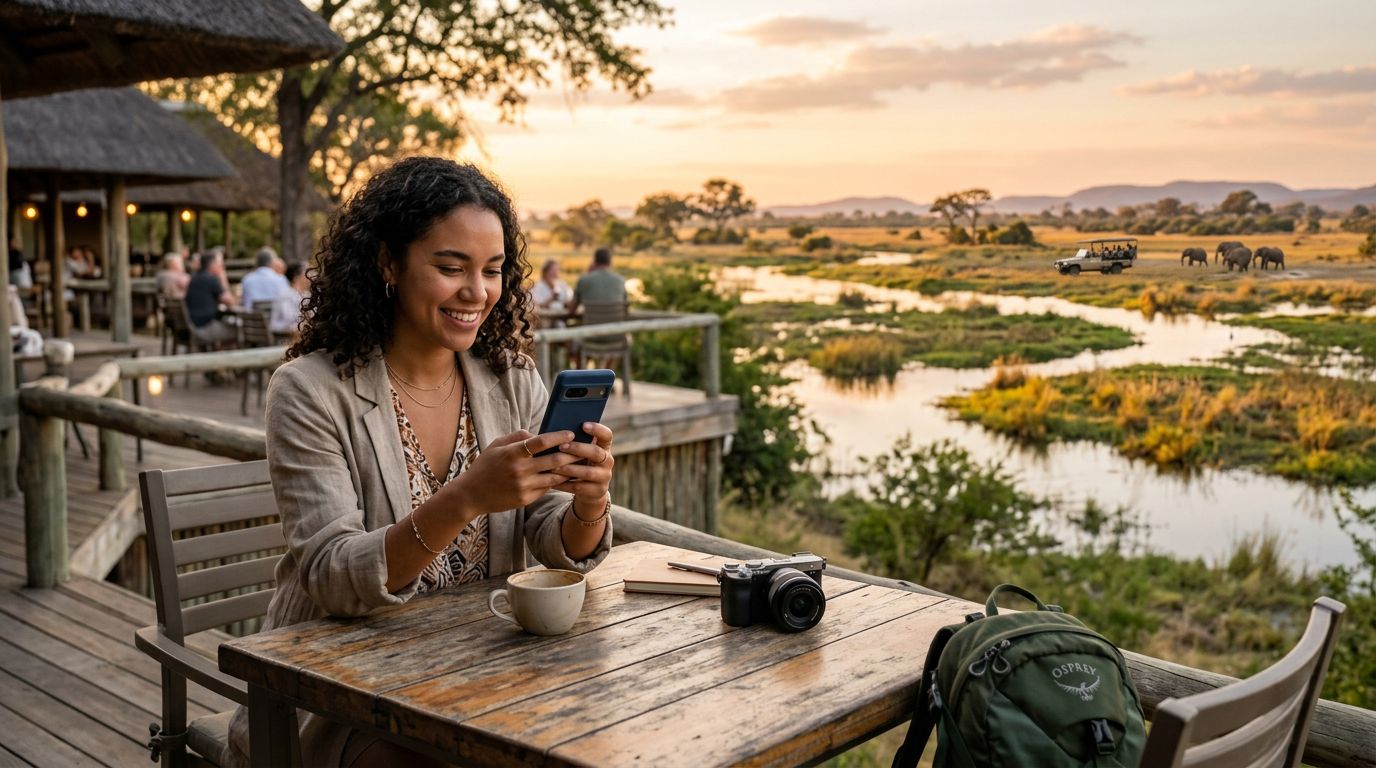
Botswana is a destination that captures the imagination, offering vast landscapes from the Okavango Delta to the arid beauty of the Kalahari. As travelers prepare for their journey, the question of how to stay connected often surfaces. If you are wondering, "does eSIM work in Botswana," the short answer is yes. eSIM technology has become a standard for modern travelers, allowing you to bypass the traditional need for physical plastic SIM cards that are easily lost or damaged during transit.
An eSIM, or embedded SIM, is a digital version of the traditional chip-based SIM card. Because it is built directly into the hardware of your smartphone, you do not need to visit a local kiosk or wait in line at the airport upon arrival in Gaborone or Maun. Instead, you can activate your cellular service remotely. This transition to digital connectivity is particularly beneficial in a country like Botswana, where you might be moving between urban centers and remote safari camps. By using a service like OneTapSIM, you can ensure that your device is ready to connect to local networks the moment your plane touches down, providing a seamless transition from your home network to a local Botswana provider.
Before you rely on this technology, you must ensure your device is compatible. Most modern smartphones released in the last few years support eSIM functionality. You can verify this by checking the settings menu on your iPhone or Android device or by visiting the official support pages for apple.com or google.com. If your phone is carrier-locked, you will need to contact your home provider to have it unlocked before you can utilize a travel eSIM. Once your device is confirmed as unlocked and compatible, you are ready to enjoy the convenience of digital connectivity across the Kalahari and beyond.
The Benefits of Using an eSIM While Traveling
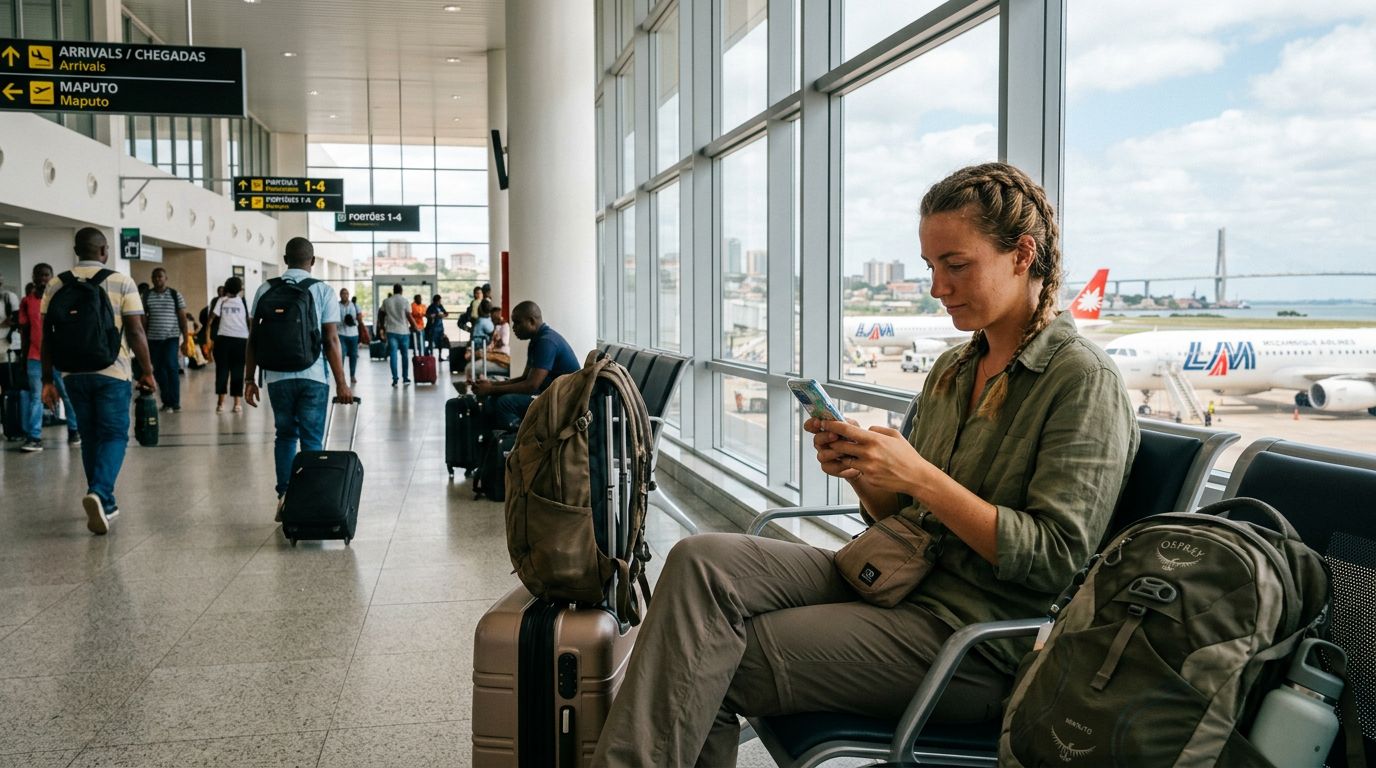
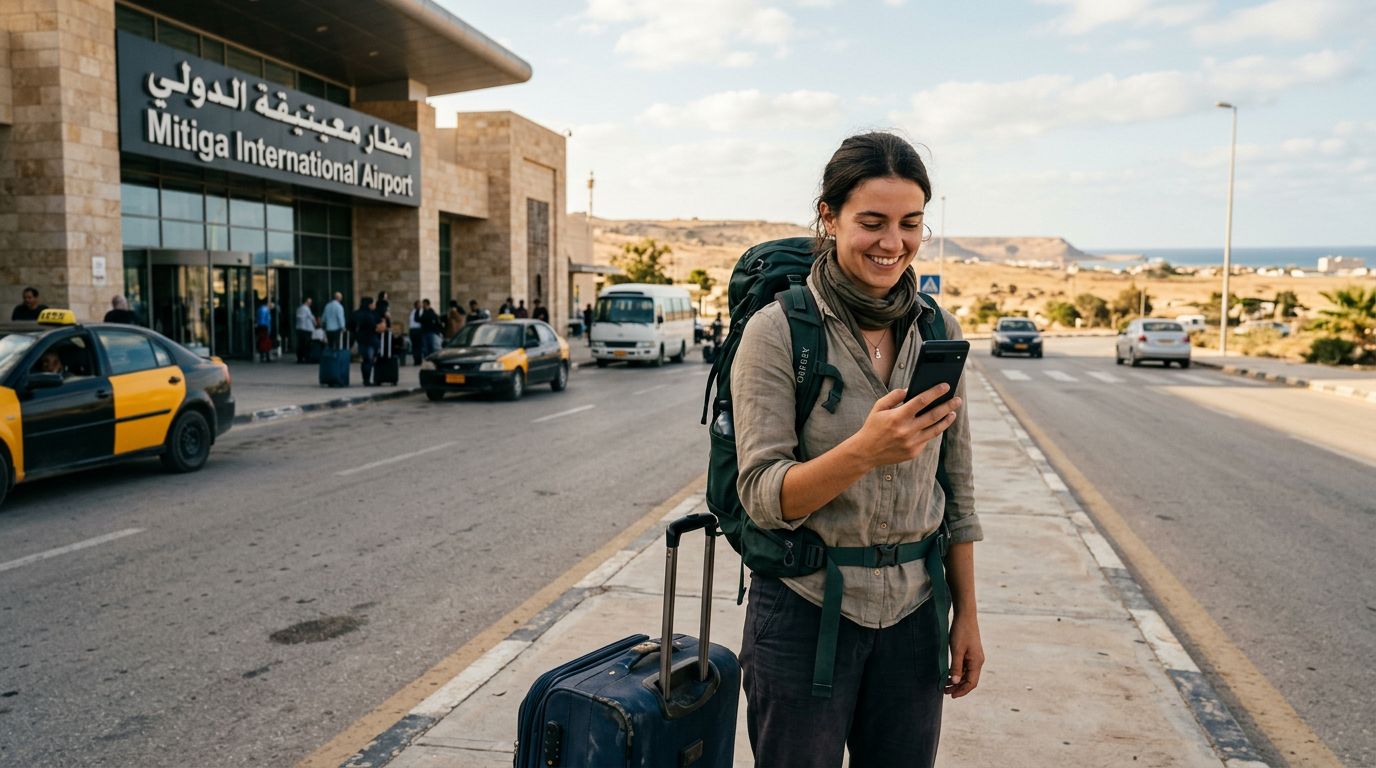
The primary advantage of using an eSIM in Botswana is the convenience of instant activation. When you arrive at Sir Seretse Khama International Airport, you often face a choice: wait for a local shop to open to purchase a physical SIM, or rely on expensive international roaming charges from your home carrier. Neither option is ideal. A travel eSIM eliminates this friction. By configuring your eSIM before you leave home, you essentially have a local connection waiting for you in your settings menu.
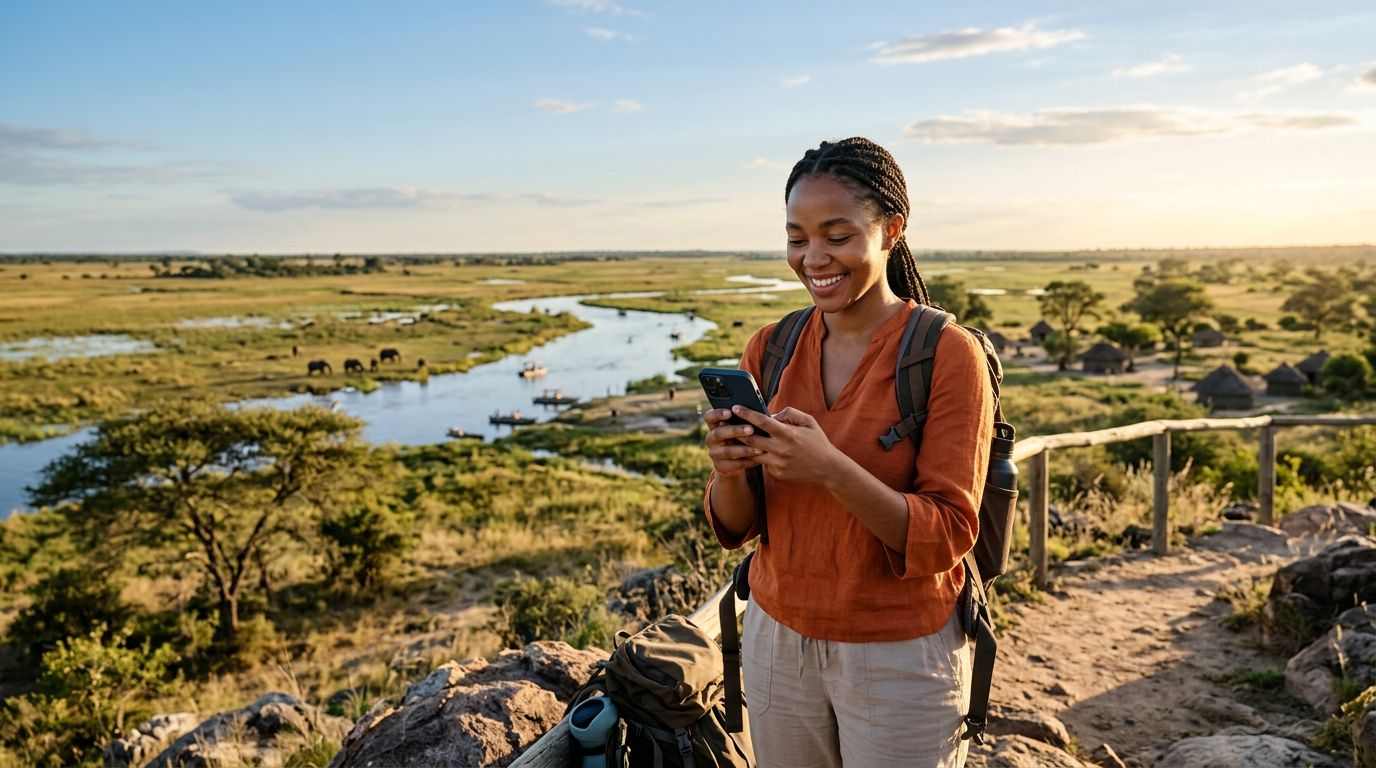
Beyond the ease of setup, eSIMs offer superior flexibility. Many travelers prefer to keep their primary number active for important calls or two-factor authentication texts while using a secondary eSIM for data-heavy tasks like navigation, social media, or uploading photos of your safari experience. With an eSIM, you can manage these two lines simultaneously. You can choose to use your home SIM for voice calls and your OneTapSIM eSIM for data, ensuring you never lose access to your primary contact methods while still benefiting from local data rates.
Reliability is another factor to consider. Botswana’s telecommunications infrastructure has seen significant investment, and major networks provide solid coverage in populated areas and popular tourist hubs. By using a reputable eSIM provider, you are essentially tapping into these established local networks without the hassle of navigating local language barriers or complex registration processes at a physical store. The digital nature of the eSIM means that if you encounter an issue, you can often troubleshoot or manage your settings through a simple digital interface, rather than having to find a physical storefront in a foreign city.
Tips for a Smooth Connectivity Experience in Botswana
While the answer to "does eSIM work in Botswana" is affirmative, maximizing your connectivity requires a bit of preparation. The first step is to ensure your device's software is up to date. Operating system updates often include improvements to cellular management and eSIM handling. Checking support.apple.com or support.google.com for the latest instructions on managing dual-SIM settings can save you significant time once you arrive.
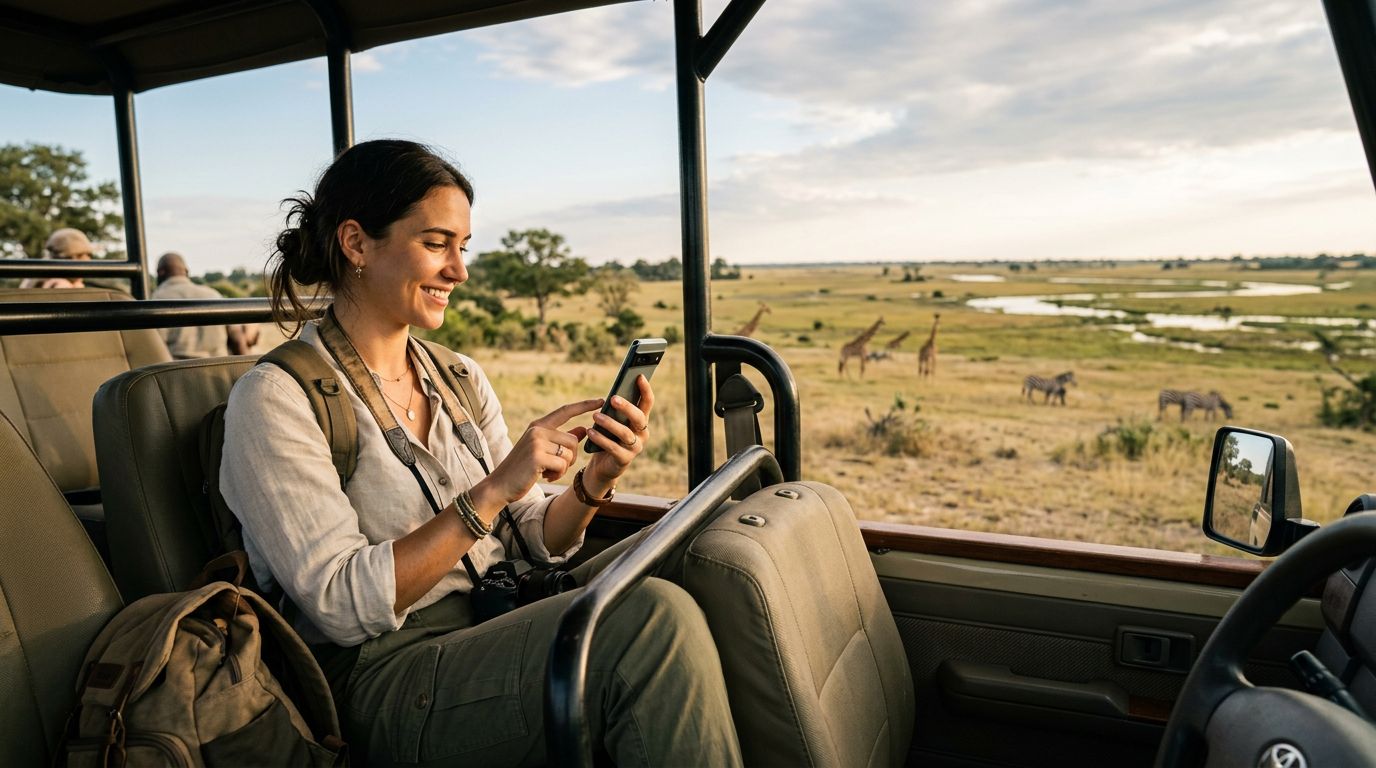
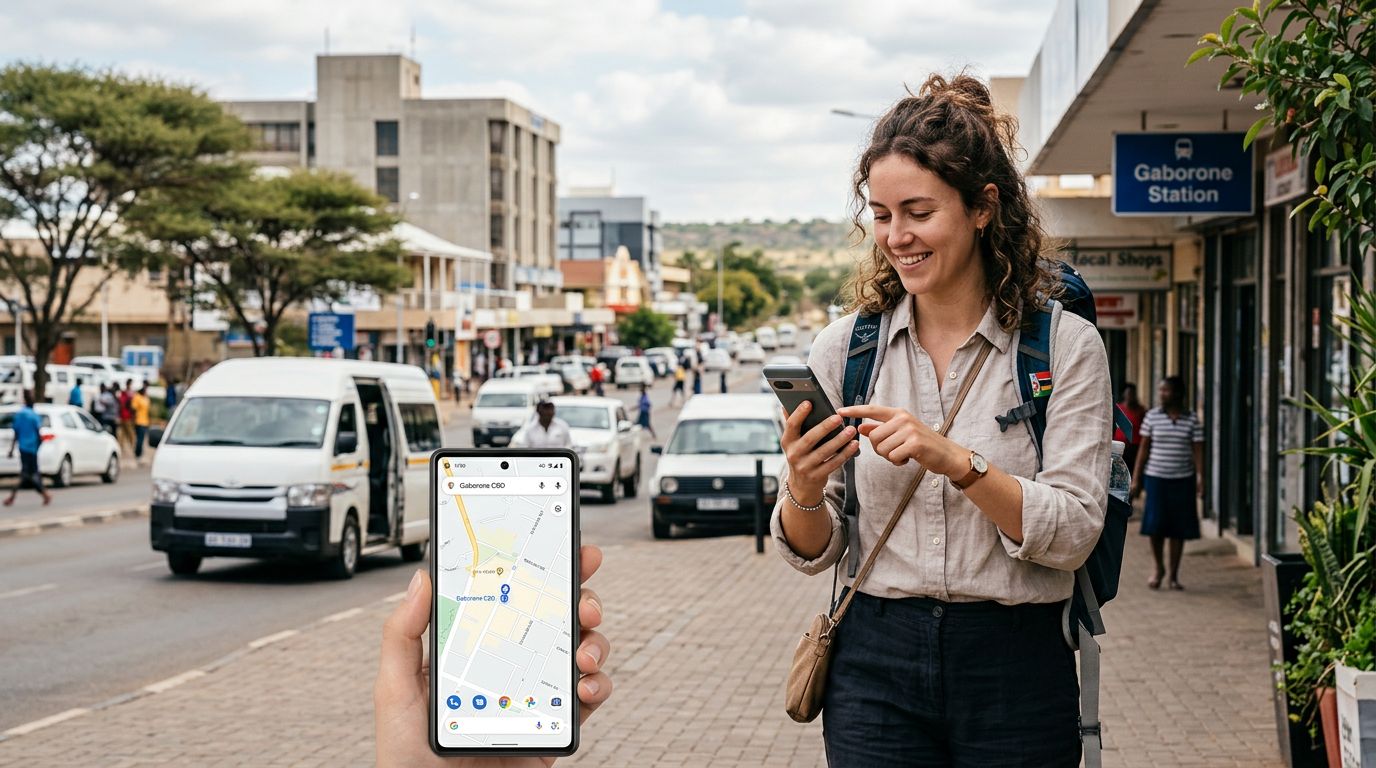
It is also important to understand the geography of Botswana regarding connectivity. While urban areas like Gaborone, Francistown, and Kasane have excellent 4G and increasingly 5G coverage, remote areas like the deep bush or certain parts of the Central Kalahari Game Reserve may have limited or no cellular service. This is not a limitation of your eSIM, but rather a reality of the vast, sparsely populated terrain. To mitigate this, download offline maps and essential travel documents before you head into the wilderness. Having your data plan active via an eSIM allows you to refresh your maps and check for updates whenever you are in range of a cell tower, keeping you prepared for the next leg of your journey.
Finally, manage your data usage effectively. Even with a generous data package, high-definition video streaming or automatic cloud backups can consume your allowance quickly. Disable background app refreshes and set your phone to "low data mode" while you are on your travel eSIM. This ensures that your data lasts for the duration of your trip, allowing you to use your phone for essential tasks like messaging, checking weather reports, or looking up information about the local wildlife. By combining the right technology with smart usage habits, you can enjoy the peace of mind that comes with staying connected in one of Africa's most beautiful and adventurous destinations. With a reliable partner like OneTapSIM, you can focus on the sights and sounds of the savanna, knowing your digital connection is handled.
Get an eSIM for
Plans for the destinations covered in this guide, with instant QR delivery.