Understanding Your Connectivity Options in Colombia
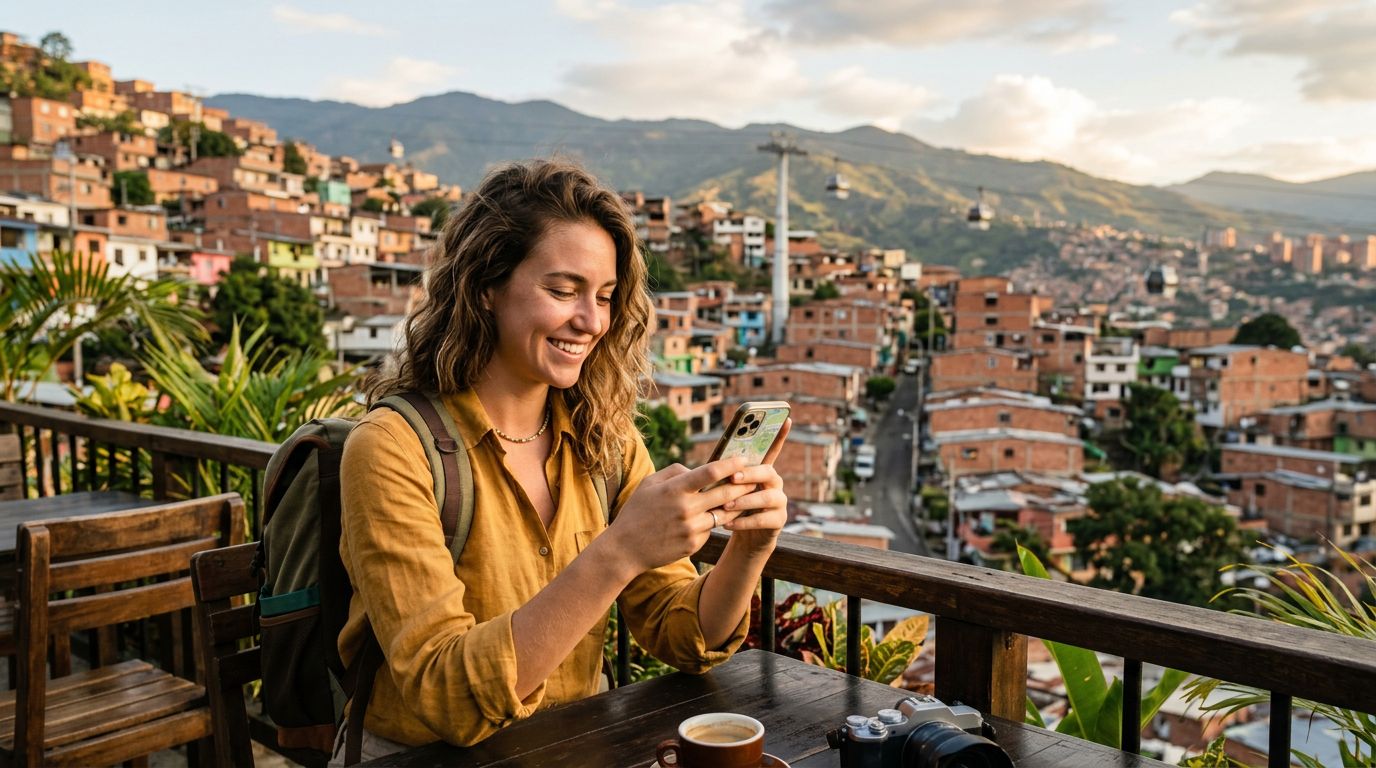
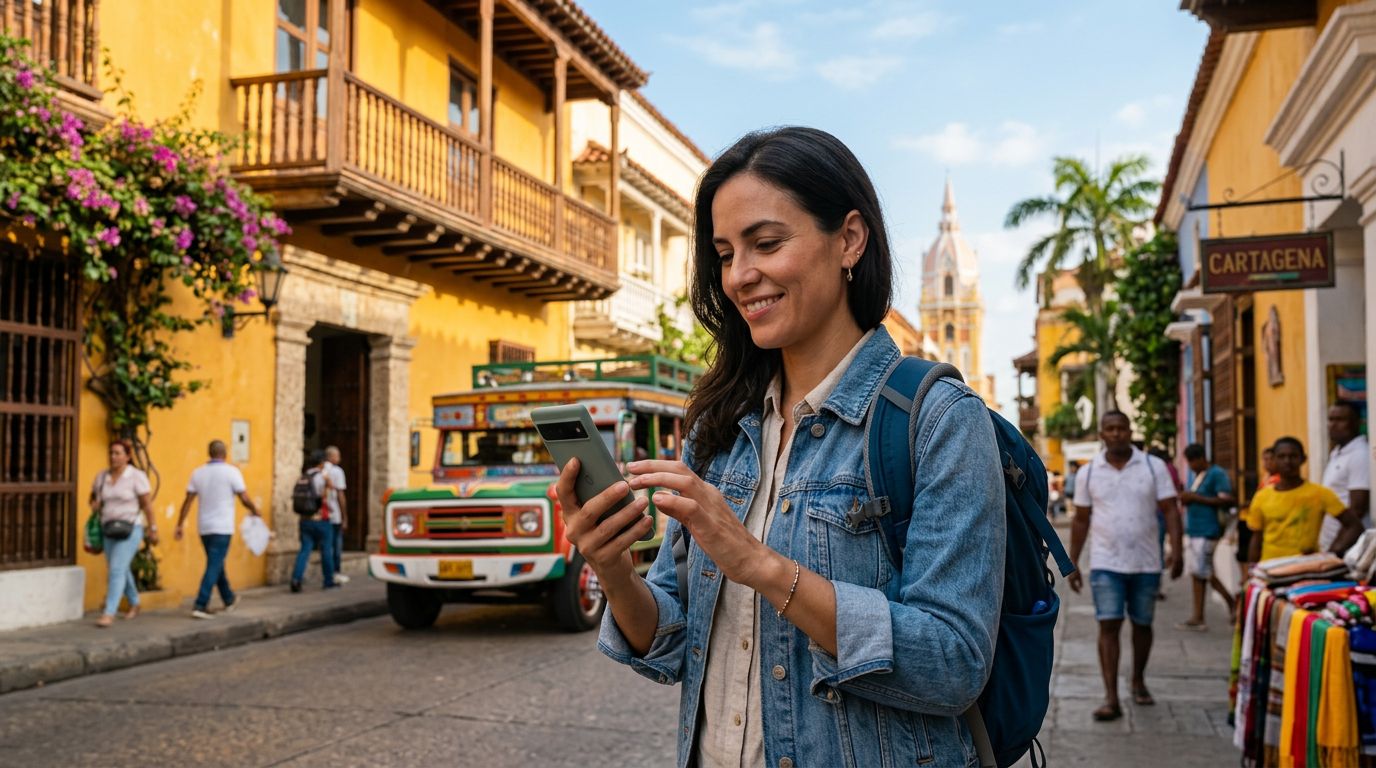
Planning a trip to Colombia involves a mix of excitement and logistics. Whether you are wandering through the colorful streets of Cartagena, trekking in the Cocora Valley, or working remotely from a cafe in Medellín, staying connected is essential. When it comes to mobile data, travelers generally face a choice between the traditional physical SIM card and the modern eSIM technology.
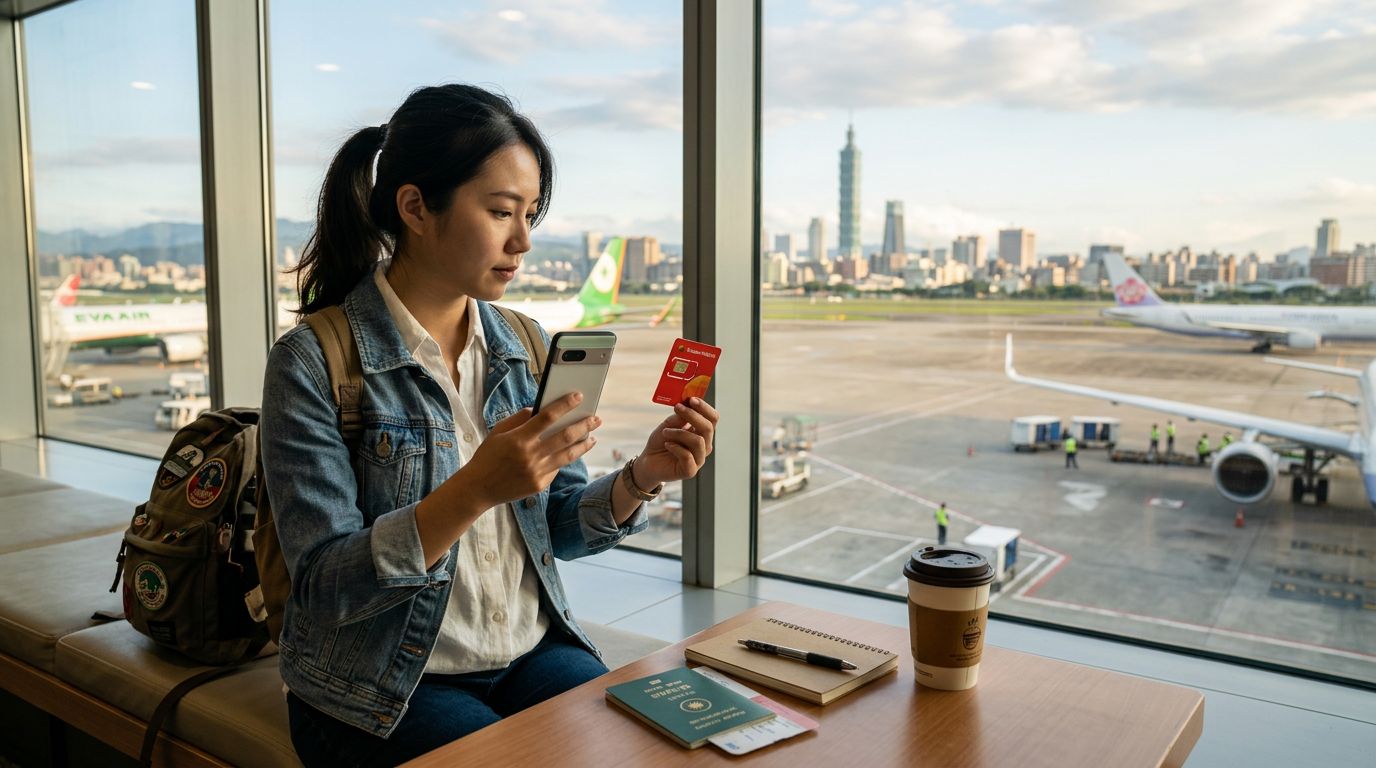
A physical SIM card is the standard plastic chip you have likely used for years. To use one in Colombia, you typically visit a local store upon arrival, provide your passport for registration, and swap out your home SIM card. While this method is time-tested, it comes with the inconvenience of finding a shop, waiting in lines, and the risk of losing your original SIM card once you remove it from your phone.
An eSIM, or embedded SIM, is a digital alternative. It functions as a virtual chip already built into your smartphone. Instead of inserting a physical piece of plastic, you simply download a data plan profile. This allows you to activate your connection before you even board your flight. For many modern travelers, the debate regarding a Colombia SIM card vs eSIM comes down to convenience versus tradition. By using a service like OneTapSIM, you can manage your connectivity entirely through your phone’s settings, bypassing the need to hunt for a kiosk after a long flight.
Comparing Convenience and Setup Processes
The most significant difference between these two options is the setup process. If you choose a physical SIM card, you must dedicate a portion of your first day in Colombia to finding a mobile provider’s retail location. In major cities like Bogotá or Medellín, this might be relatively easy, but it can be a source of stress if you arrive late at night or head straight to a remote destination. Furthermore, local carriers often require a formal registration process that involves showing your passport and providing local contact details, which can be time-consuming.
In contrast, an eSIM offers a seamless experience. With a provider like OneTapSIM, you can purchase your data plan online well before your departure. You receive a QR code or an activation link that installs the plan directly onto your device. Once you land in Colombia, your phone automatically switches to the local network, provided you have enabled data roaming for that specific eSIM profile. This means you have GPS, messaging apps, and ride-sharing services available the moment your wheels touch the tarmac.
Compatibility is a factor to consider. Most smartphones manufactured within the last few years support eSIM technology. Before opting for this route, it is wise to check your device settings or consult the manufacturer’s support pages to ensure your phone is unlocked and eSIM-ready. If you have an older device, a physical SIM card might remain your only viable option. However, for those with compatible hardware, the digital route eliminates the risk of losing your home SIM card, which is a common headache for travelers who swap chips frequently.
Reliability, Coverage, and Performance
When you are traveling through diverse landscapes like the Colombian Andes or the Caribbean coast, network coverage is your primary concern. Both physical SIM cards and eSIMs rely on the same local cellular towers. Therefore, the actual signal strength you receive depends on the mobile network operator, not the type of SIM you use.
A common misconception is that eSIMs provide a different quality of service than physical cards. In reality, an eSIM is simply a different way to authenticate your device with the carrier's network. Whether you purchase a physical card from a local kiosk or use a digital plan from OneTapSIM, you are accessing the same infrastructure. The advantage of using a dedicated travel eSIM provider is that these services often partner with multiple local networks. This setup can sometimes provide a more robust experience, as your device may be able to switch between available towers or carriers to maintain a stable connection, whereas a standard local prepaid SIM is usually locked to a single provider’s coverage map.
Another aspect to consider is data management. With a physical SIM, you often have to track your usage through the carrier's app or by dialing specific codes, which can be difficult if the interface is entirely in Spanish. Digital eSIM platforms often provide a user-friendly dashboard where you can monitor your remaining data in real-time. This transparency helps you avoid unexpected overages or sudden loss of connectivity in the middle of a trip.
If you are a frequent traveler, the eSIM model is also more sustainable. You do not accumulate a collection of plastic cards, and you reduce the environmental impact associated with manufacturing and shipping physical components. For your Colombian adventure, the choice between a Colombia SIM card vs eSIM is ultimately about how much control and convenience you want over your mobile experience. If you prefer to have your digital life organized before you leave home, the eSIM is the clear winner. If you enjoy the traditional process of visiting local shops and interacting with local vendors, a physical SIM card remains a reliable, if slightly more labor-intensive, alternative. By weighing your technical requirements against your travel style, you can ensure that your connectivity remains a tool that supports your trip rather than a hurdle you have to overcome.