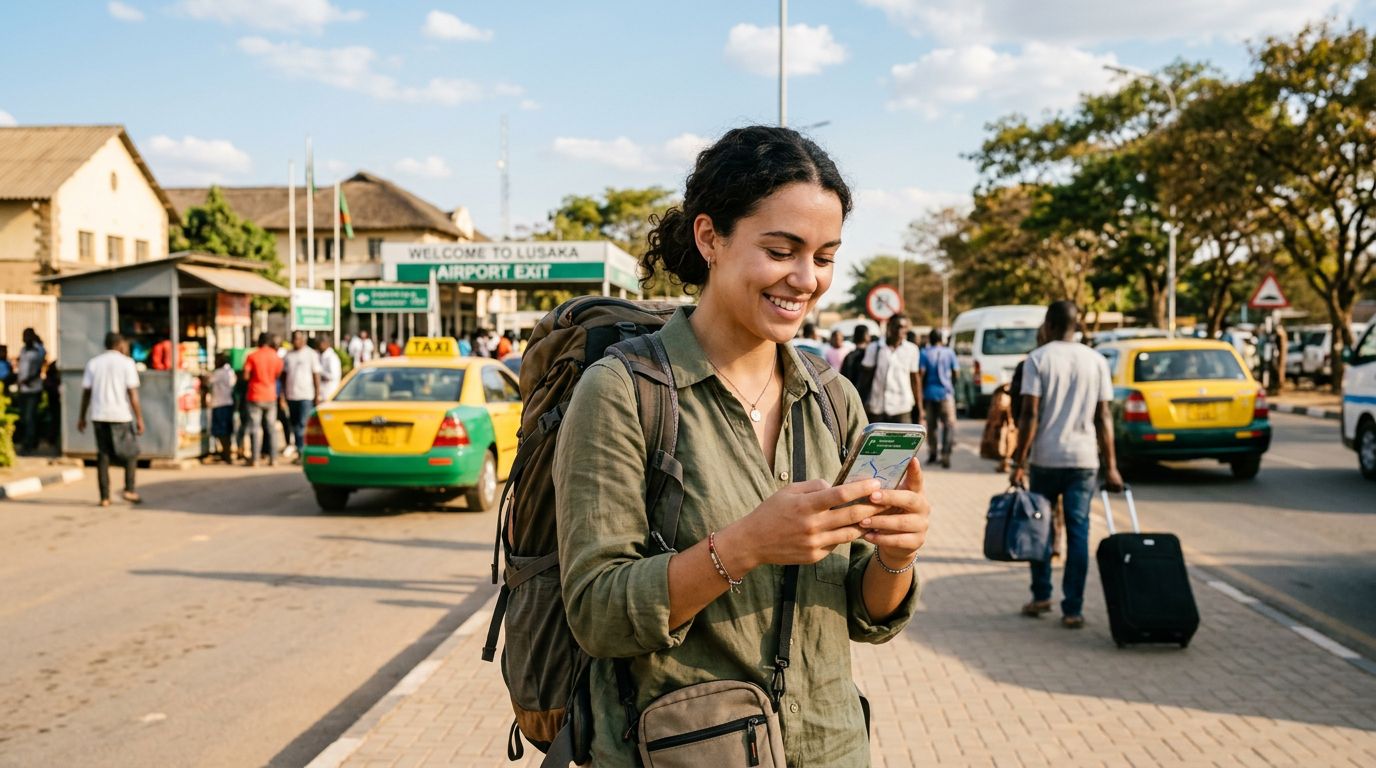
Why Reliable Connectivity Matters in Zambia
Zambia is a land of breathtaking landscapes, from the thundering mist of Victoria Falls to the vast, untamed wilderness of South Luangwa National Park. Whether you are planning a safari, visiting the bustling markets of Lusaka, or trekking through remote regions, staying connected is essential. Having access to maps, translation tools, and communication apps ensures that your journey remains smooth and stress-free.
Many travelers underestimate the importance of mobile data until they find themselves in a remote area without a signal. Relying on hotel Wi-Fi is often insufficient, as connections can be slow, intermittent, or completely unavailable in rural lodges. Furthermore, depending on public networks poses security risks for your personal data. Finding the best way to get data in Zambia requires a bit of foresight, but once you have a reliable connection, you can focus on enjoying the experience rather than worrying about how to reach your next destination.
Comparing Traditional Options vs. eSIM Technology
For years, the standard approach for international travelers was to purchase a physical local SIM card upon arrival. This process usually involves finding a mobile network operator’s kiosk at the airport or in a city center, presenting your passport for registration, and manually swapping out your home SIM card. While this method works, it comes with several inconveniences. You risk losing your original SIM card, you must deal with language barriers during the registration process, and you are often forced to wait in long queues after a tiring flight.
eSIM technology has transformed how we manage mobile connectivity. An eSIM is a digital version of a physical SIM card that is embedded directly into your smartphone. Instead of inserting a plastic chip, you simply scan a QR code or follow a digital installation process to activate your plan. This allows you to keep your primary phone number active for calls and texts while using a separate data plan for your travels.
OneTapSIM offers a streamlined experience for those who want to avoid the hassle of physical cards. By setting up your data plan before you even leave home, you ensure that you have connectivity the moment your plane touches down on the runway. This eliminates the need to hunt for a shop or navigate complex local registration requirements while you are trying to navigate a new country.
How to Prepare Your Device for Seamless Travel
Before you rely on an eSIM for your trip to Zambia, you must ensure your device is compatible. Most modern smartphones support eSIM functionality, but it is always wise to verify your specific model. You can check the official support pages for Apple or Google to confirm that your device is unlocked and eSIM-ready. If your phone is locked to a specific carrier, you will need to contact them to request an unlock before you travel, as an eSIM will not function on a restricted device.
Once you have confirmed compatibility, the setup process is straightforward. You will receive instructions to add a new cellular plan through your phone’s settings menu. Because the process is entirely digital, you do not need to worry about physical compatibility or finding a store that sells the right size card for your device.
When you arrive in Zambia, your phone will automatically detect the local network partners associated with your plan. If you encounter any issues, a quick toggle of your "Airplane Mode" or a simple restart of your device usually resolves the connection. By opting for a digital solution, you save valuable time that would otherwise be spent standing in line at an airport kiosk. You gain the freedom to move through the country with the confidence that your navigation apps, messaging services, and travel documents are always accessible.
Tips for Managing Data Usage While Abroad
Even with a reliable data plan, it is helpful to manage your usage to ensure you have enough connectivity for the duration of your trip. Zambia offers beautiful scenery that often inspires travelers to upload high-resolution photos and videos to social media. While this is a great way to share your journey, it can consume your data allowance quickly.
To maximize your data, consider adjusting your phone’s settings. Many apps have a "data saver" mode that prevents background processes from consuming your allowance. You can also download offline maps for the specific regions you plan to visit. This allows you to navigate without needing a constant connection, reserving your data for essential communication and research.
If you are traveling with a group, avoid using your phone as a mobile hotspot for other devices unless absolutely necessary. Hotspotting can drain your data plan much faster than standard phone usage. Instead, encourage your travel companions to secure their own data plans so that everyone remains independent and connected.
By planning ahead and choosing the right technology, you remove the stress of finding connectivity on the ground. Whether you are exploring the depths of the bush or the heart of the city, having a robust data plan ensures that your Zambian adventure is documented, organized, and safe. With a digital approach, you spend less time managing your hardware and more time experiencing the wonders of the region.
Get an eSIM for
Plans for the destinations covered in this guide, with instant QR delivery.