The Connectivity Landscape in Yemen
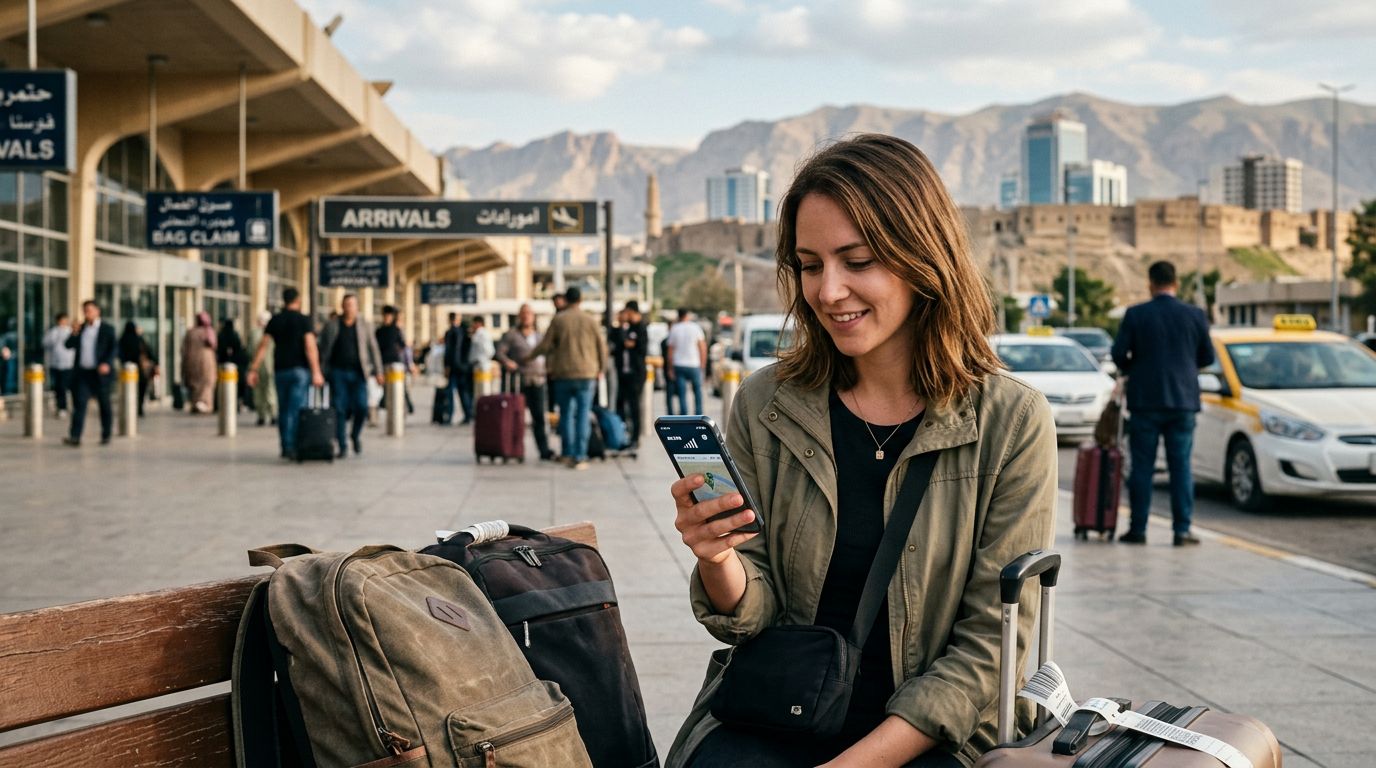
Traveling to Yemen offers a unique experience, characterized by ancient architecture, rich history, and landscapes that feel untouched by time. However, staying connected in a region with complex infrastructure can be a significant hurdle for visitors. Whether you are documenting your journey through Sana’a or checking maps while exploring the coastal regions, having a reliable internet connection is essential for safety and convenience.
Historically, travelers relied heavily on local physical SIM cards. While this remains a common practice, it involves navigating local kiosks, dealing with language barriers, and managing physical hardware that is easily lost or damaged. The infrastructure in Yemen is currently undergoing shifts, and network stability can vary significantly depending on your exact coordinates. Urban centers generally provide better coverage, but rural or mountainous areas often experience limited signal strength.
For the modern traveler, the goal is to find a solution that balances accessibility with reliability. Relying solely on hotel Wi-Fi is rarely sufficient, as connectivity in public spaces can be intermittent and often lacks the security required for sensitive tasks like banking or accessing private accounts. Understanding the options available—from local providers to international roaming and digital solutions—is the first step toward a stress-free trip.
Why Digital eSIMs Are Changing Travel
The emergence of eSIM technology has simplified the process of staying connected abroad. An eSIM is a digital version of a traditional SIM card that is embedded directly into your device’s hardware. Instead of swapping out a physical chip, you simply download a profile to your phone, allowing you to switch between networks or activate a new plan instantly.
OneTapSIM provides a streamlined approach to this technology, allowing travelers to prepare their connectivity before they even board their flight. By utilizing an eSIM, you eliminate the need to visit a local store upon arrival or worry about the logistics of physical card compatibility with your phone. This is particularly beneficial in regions where finding a reputable mobile provider might be difficult or time-consuming.
Beyond convenience, eSIMs offer a higher level of security. Because the data is managed through your device’s settings, you avoid the risks associated with public Wi-Fi networks. Furthermore, many modern smartphones allow you to keep your primary SIM active alongside your travel eSIM. This means you can continue to receive calls or SMS messages on your home number while using your eSIM specifically for data. This dual-SIM functionality is the best way to get data in Yemen while maintaining your regular communication channels.
Practical Tips for Staying Connected
Before relying on any connectivity solution, ensure your device is unlocked. An unlocked phone is one that is not restricted to a single mobile carrier. If you purchased your phone through a mobile contract, it may be locked to that provider. You can check your device settings or contact your carrier to confirm its status. If your phone is locked, it will not be able to recognize an eSIM from a third-party provider, regardless of the quality of the service.
Once you have confirmed your device compatibility, consider your data usage habits. If you plan on uploading high-resolution photos, streaming video, or participating in frequent video calls, you will need a plan that accommodates higher consumption. However, for most travelers, using data for navigation, messaging, and basic web browsing is sufficient. It is also wise to adjust your phone settings to minimize background data usage. Many apps run in the background, consuming data without your knowledge. By restricting background activity for non-essential applications, you can extend the life of your data package significantly.
Another factor to consider is the local network environment. In Yemen, network performance can fluctuate. Having a backup plan is always a smart strategy. While an eSIM is generally the most efficient method, keeping a portable power bank is equally important. Connectivity consumes battery life rapidly, especially when your phone is searching for a signal in remote areas. Ensuring your device is fully charged and that you have a portable power source will help you stay connected for longer periods.
When you arrive, give your phone a moment to register with the local network. Sometimes, toggling "Airplane Mode" on and off can help the device refresh its connection to the nearest cell tower. If you encounter issues, ensure that your data roaming settings are enabled for the eSIM profile. While "roaming" sounds like an expensive term, in the context of an eSIM, it simply refers to the phone using the partner networks provided by your service agreement.
Finally, prioritize your safety by keeping your digital footprint organized. Download offline maps of the cities you plan to visit. This ensures that even if you encounter a temporary dead zone, you will still be able to navigate your surroundings. By combining the convenience of a service like OneTapSIM with smart preparation and an awareness of local infrastructure, you can enjoy your travels through Yemen with the peace of mind that comes from being reliably connected. Whether you are navigating the winding streets of the old city or capturing the sunset over the desert, having a stable data connection allows you to focus on the experience rather than the logistics of your hardware.
Get an eSIM for
Plans for the destinations covered in this guide, with instant QR delivery.