Timor-Leste, often referred to as East Timor, is a destination that captures the imagination of intrepid travelers. With its rugged mountains, pristine coral reefs, and a history that is as complex as it is fascinating, it offers an authentic experience far removed from the typical tourist trail. However, staying connected in a country with developing infrastructure can present unique challenges. For those wondering about the best way to get data in Timor-Leste, preparation is the key to ensuring your trip remains stress-free and well-connected.
Understanding the Connectivity Landscape in Timor-Leste
Connectivity in Timor-Leste has improved significantly over the past decade, but it remains distinct from what many international travelers are accustomed to in more developed regions. The telecommunications sector is primarily dominated by a few local providers. While coverage is generally reliable in the capital city of Dili and some larger regional hubs, the mountainous terrain and remote geography mean that signals can be inconsistent once you head into the interior or travel to the outer islands like Atauro.
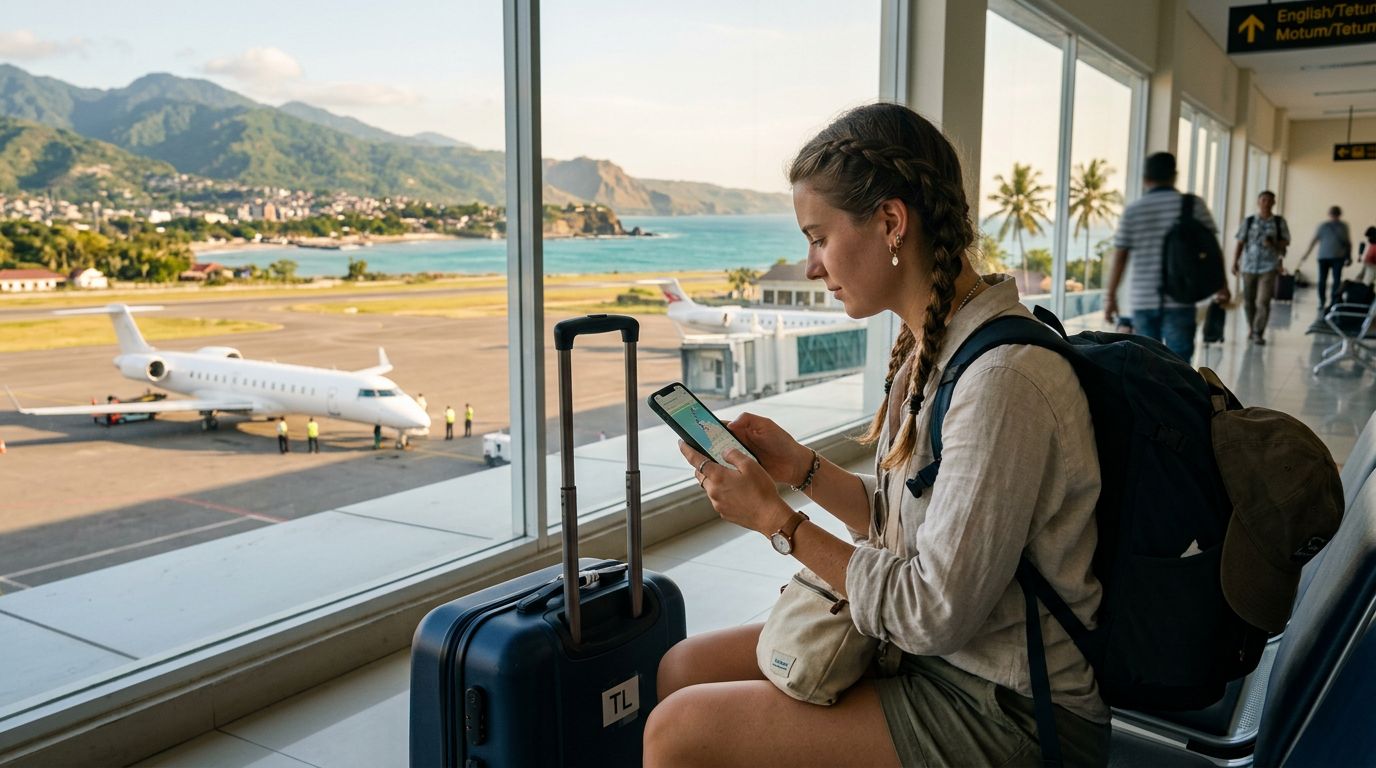
Most travelers arrive at Presidente Nicolau Lobato International Airport in Dili. Upon landing, you will notice that local SIM cards are widely available. Many visitors choose to purchase a local physical SIM card immediately upon arrival. This involves visiting a kiosk or a carrier store, providing identification, and waiting for the registration process to complete. While this is a traditional method, it often requires navigating language barriers and spending precious vacation time standing in queues.
For those who prioritize convenience, the digital landscape has shifted. Modern smartphones now support eSIM technology, which allows you to download a data plan over the air without needing to swap out your physical SIM card. This is increasingly becoming the preferred method for travelers who want to land in Dili and have an active data connection the moment they step off the plane.
Why eSIM Technology is the Modern Solution
The transition to eSIMs has fundamentally changed how we approach international travel. An eSIM is essentially a digital version of a physical SIM card that is embedded directly into your device. Because it is software-based, you can manage your connectivity remotely. For a destination like Timor-Leste, where physical retail infrastructure might not be immediately accessible in every remote village, having a pre-installed digital plan provides a significant safety net.
One of the primary advantages of using an eSIM, such as those provided by OneTapSIM, is the ability to maintain your home phone number for calls and texts while dedicating your secondary eSIM line specifically to data. This setup prevents the common mistake of losing your physical home SIM card, which is a frequent occurrence when travelers swap cards in and out of their devices.
Furthermore, setting up an eSIM is straightforward. Once you select your plan, you receive a QR code or an activation link. By following the instructions provided by your device manufacturer, you can add the plan to your phone’s settings in minutes. This process is fully digital, meaning you can arrange your data needs from the comfort of your home before you even board your flight to Dili. If you are unsure if your device is compatible, you can check the official support pages for Apple or Google to confirm that your specific model supports eSIM functionality.
Practical Tips for Staying Connected
Once you have secured your data plan, managing your usage is vital to ensuring you remain connected throughout your journey. Timor-Leste is a place where you will likely want to use GPS for navigation, translate local phrases, and perhaps upload photos of the stunning landscape.
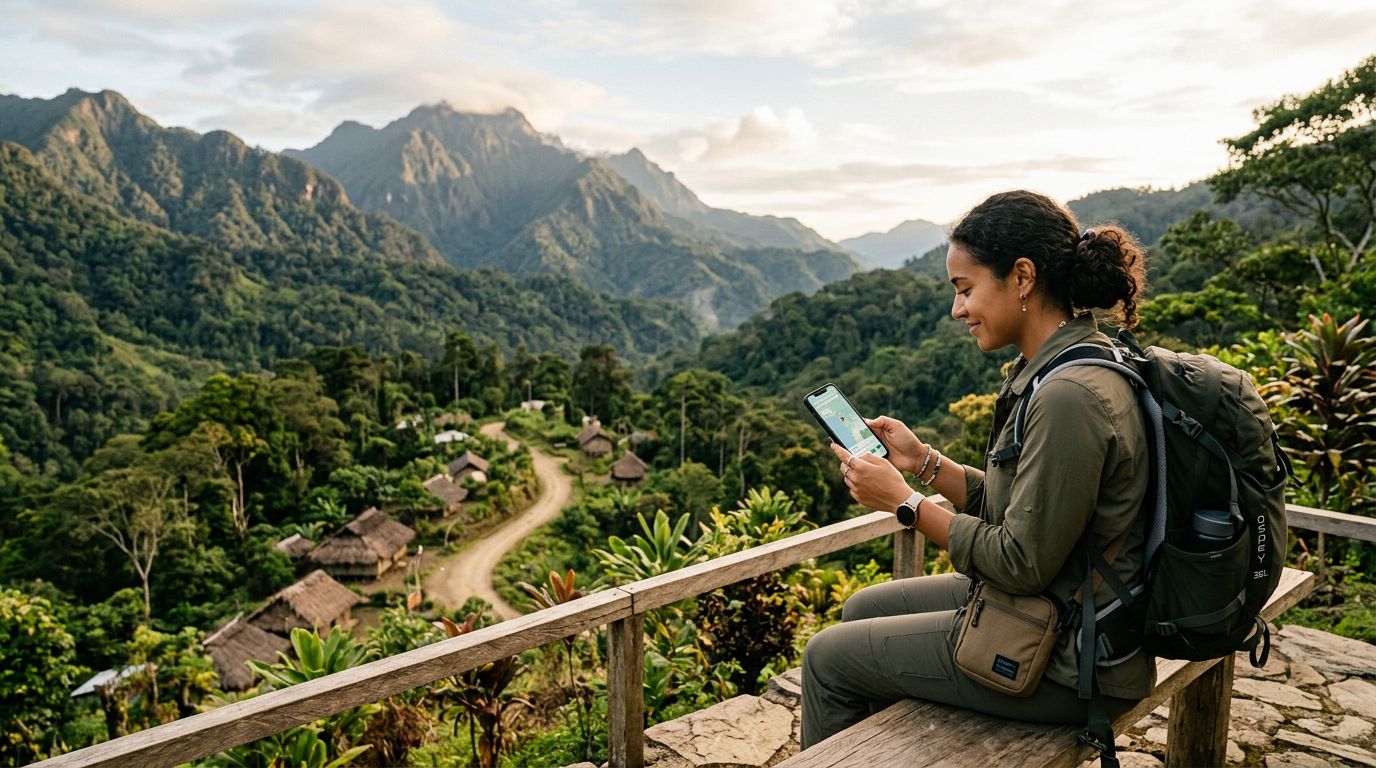
To maximize your data, consider adjusting your phone settings before you arrive. Many apps are configured to sync in the background, consuming data without your knowledge. You can manually disable background app refresh for non-essential applications. Additionally, if you plan on visiting remote areas, download offline maps of Timor-Leste. Having these maps pre-loaded ensures that even if you encounter a temporary dead zone in the mountains, you can still find your way to your next destination.
Another important consideration is battery management. Searching for a signal in remote parts of the country can drain your battery faster than usual. Carrying a portable power bank is a standard practice for travelers in Timor-Leste. By keeping your device charged and your data usage intentional, you can enjoy the freedom of having the internet at your fingertips without the anxiety of running out of connectivity.
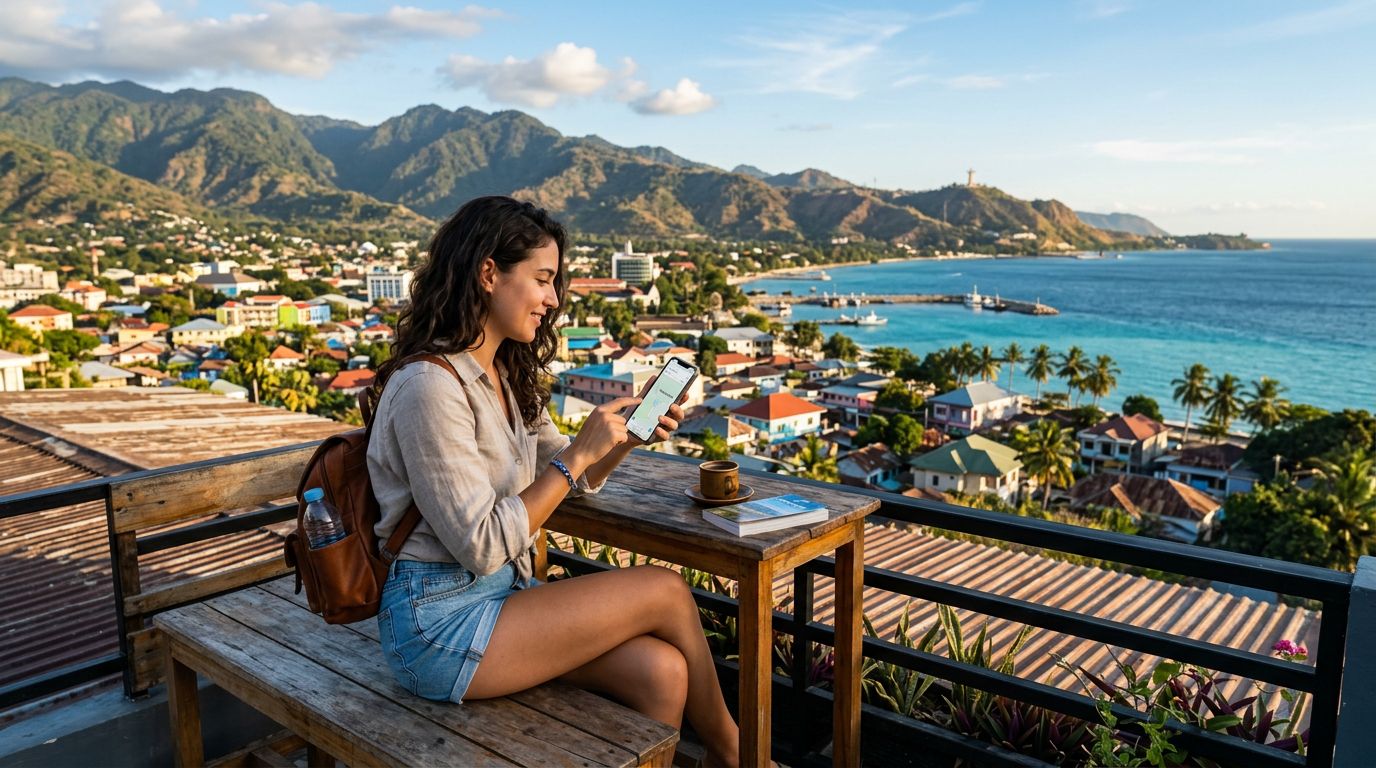
While public Wi-Fi can be found in some cafes and hotels in Dili, it is rarely a reliable primary source of data. Relying on public networks can also pose security risks. By using your own eSIM data, you maintain a secure, private connection that is independent of local infrastructure. This independence is perhaps the greatest benefit of choosing a digital solution. Whether you are trekking through the lush forests of the interior or relaxing on the quiet beaches of the coast, having a reliable data connection allows you to share your experiences, stay in touch with family, and navigate the country with confidence.
As you plan your trip, remember that the best way to get data in Timor-Leste is the one that allows you to spend less time managing logistics and more time experiencing the unique culture and natural beauty of this beautiful nation. By opting for a seamless, digital-first approach, you ensure that your focus remains entirely on your adventure.