Understanding Connectivity Options for Your Qatar Trip
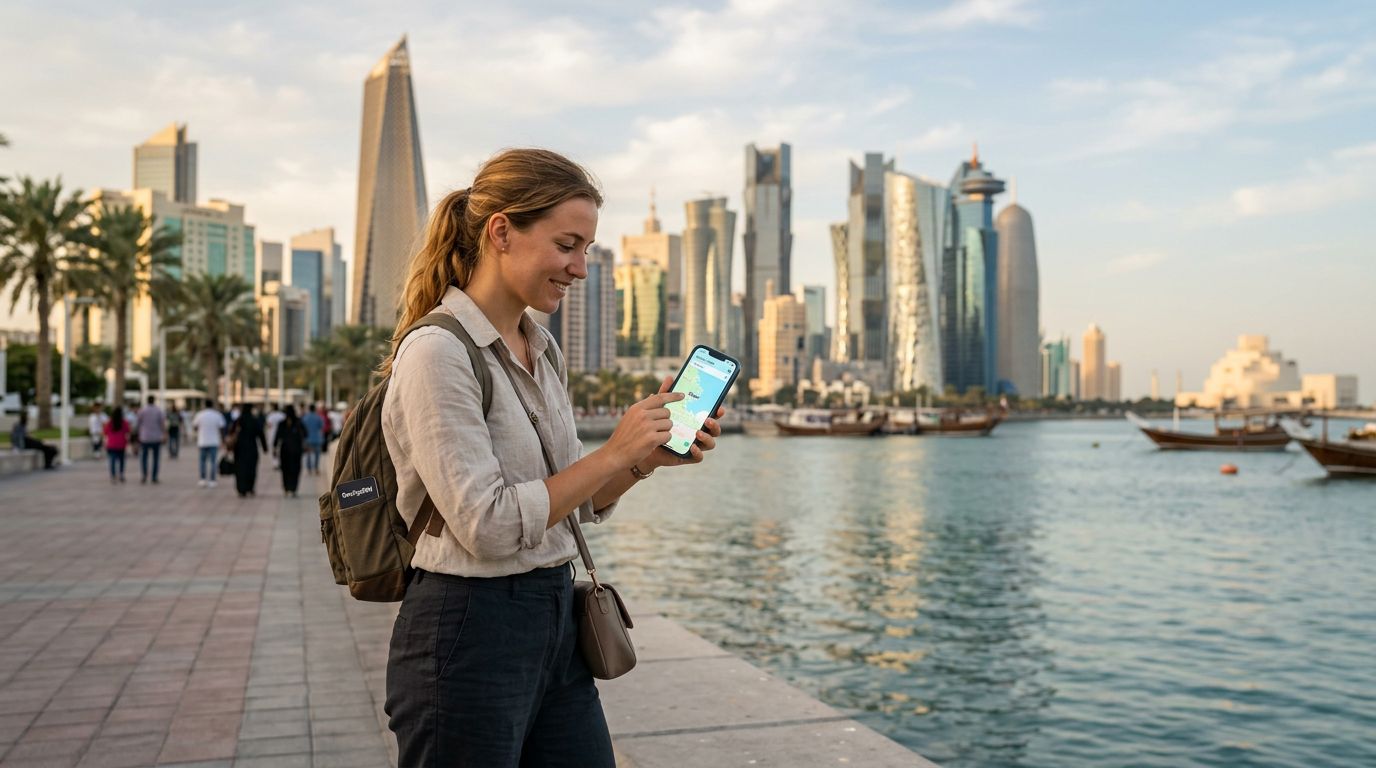
Planning a trip to Qatar involves more than just booking flights and hotels. Whether you are visiting for the futuristic architecture of Doha, the sprawling desert landscapes, or the cultural richness of Souq Waqif, staying connected is essential. Having reliable internet access allows you to use navigation apps, translate languages, look up historical information, and keep in touch with family back home.
When considering the best way to get data in Qatar, travelers generally have four primary options: public Wi-Fi, local physical SIM cards, international roaming plans from your home carrier, and eSIM technology.
Public Wi-Fi is available in many hotels, cafes, and shopping malls. While convenient for checking emails or quick social media updates, it is rarely a reliable solution for a full day of travel. Public networks often require registration, have time limits, and pose security risks that can compromise your personal data. Relying solely on these hotspots can be frustrating when you are trying to find a specific landmark or call a ride-sharing service in a busy area.
International roaming through your home provider is often the most expensive choice. While it offers the comfort of keeping your existing number, the daily fees can accumulate rapidly. Furthermore, many carriers throttle data speeds once you reach a certain usage threshold, leaving you with a slow connection when you need it most.
Local physical SIM cards remain a traditional choice. You can purchase these at the airport or in local stores. However, this process requires you to locate a kiosk, present your passport, and physically swap out your existing SIM card. This creates the risk of losing your original SIM card, which is a significant inconvenience for most travelers.
Why eSIM Technology is the Modern Standard
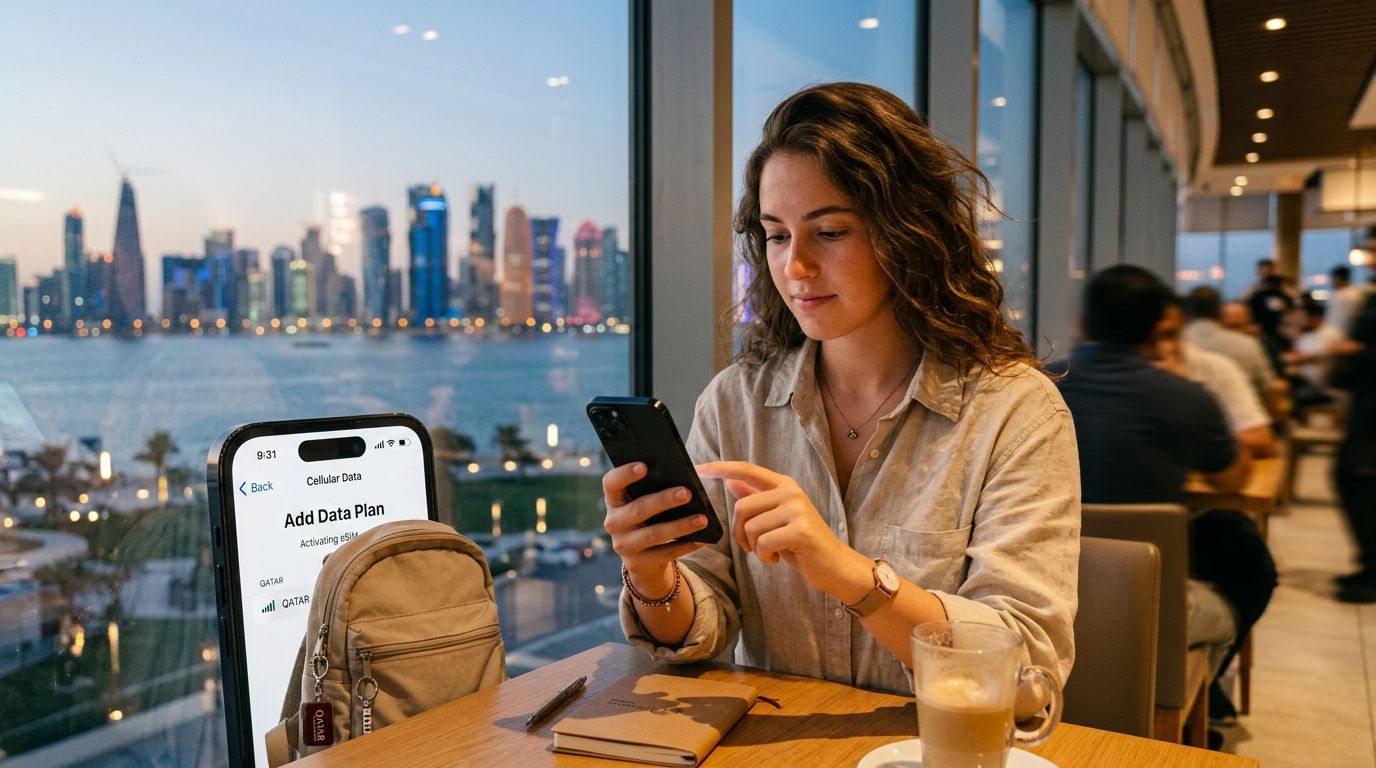
The evolution of mobile technology has introduced the eSIM, or embedded SIM. This digital alternative to a physical card has become the preferred method for international travelers. An eSIM is essentially a digital version of a SIM card that is built directly into the hardware of modern smartphones. Because it is software-based, you do not need to visit a physical store or handle small plastic cards that are easily misplaced.
OneTapSIM provides a seamless way to manage your connectivity needs. By choosing an eSIM, you can activate your data plan before you even board your flight. Once you land in Qatar, your phone automatically connects to a local network, allowing you to bypass the long queues at airport kiosks. This instant connectivity is particularly beneficial if you have a tight schedule or are arriving late at night when airport retail outlets might be closed.
Compatibility is rarely an issue for most modern travelers. Most smartphones released in the last few years support eSIM technology. You can verify your device's capability by checking the settings menu on your phone or visiting the support pages provided by Apple or Google. If your device is unlocked and eSIM-compatible, you are ready to enjoy the benefits of a digital plan.
The flexibility of an eSIM also allows you to keep your primary SIM card active for incoming calls or text messages from your home country while using your eSIM for data. This dual-SIM functionality ensures that you remain reachable for urgent matters while avoiding the high costs of international data roaming.
Tips for a Smooth Experience in Qatar
To ensure you have the best experience while traveling through Qatar, preparation is key. Before you leave, check that your smartphone is carrier-unlocked. If your phone is locked to a specific network provider, it will not accept an eSIM from another source. Contact your home carrier to request an unlock if you are unsure of your device's status.
Once you have secured your eSIM, the installation process is straightforward. You will typically receive a QR code or a manual activation code. Following the instructions provided by your service provider, you can add the eSIM to your cellular settings. It is advisable to do this while you still have a stable Wi-Fi connection at home or at the airport. Once the profile is added, you can toggle it on as soon as you arrive in Qatar.
Data management is another important aspect of your trip. Even with a generous data plan, it is wise to monitor your usage. Disable automatic updates for apps and cloud backups while using cellular data to ensure your allowance lasts for the duration of your trip. Most smartphones provide a breakdown of which applications are consuming the most data, allowing you to restrict background activity for non-essential apps.
If you find yourself needing more data than anticipated, digital providers like OneTapSIM make it easy to manage your account. You can often track your usage through a web interface, ensuring you are never caught off guard by a sudden loss of connectivity.
Finally, consider the geography of your trip. While Doha and major urban centers have excellent 5G and 4G coverage, remote desert areas may have limited signal strength. If you are planning a desert safari or a trip to the inland sea, download offline maps and essential documents before you depart from the city. This proactive approach ensures that you can navigate safely regardless of the network availability in more isolated regions.
By choosing an eSIM, you streamline your travel logistics, save time, and gain the freedom to explore Qatar without the stress of searching for local SIM cards or managing expensive roaming bills. It is a reliable, efficient, and user-friendly solution that allows you to focus on the sights and experiences that make Qatar a unique destination. Whether you are navigating the intricate alleys of a traditional market or using a ride-sharing app to reach a modern museum, having a consistent data connection is the foundation of a successful and enjoyable journey.
Get an eSIM for
Plans for the destinations covered in this guide, with instant QR delivery.