Understanding Connectivity Options in Tonga
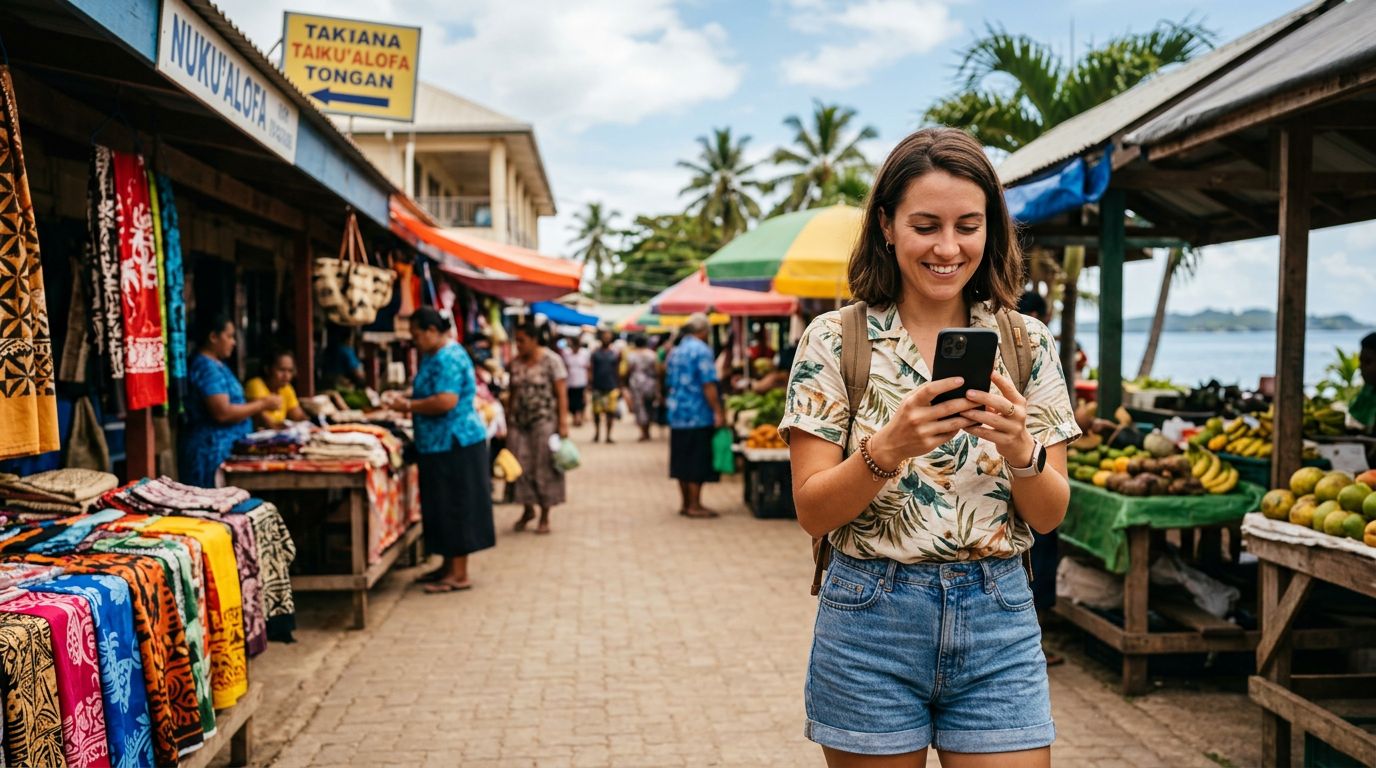
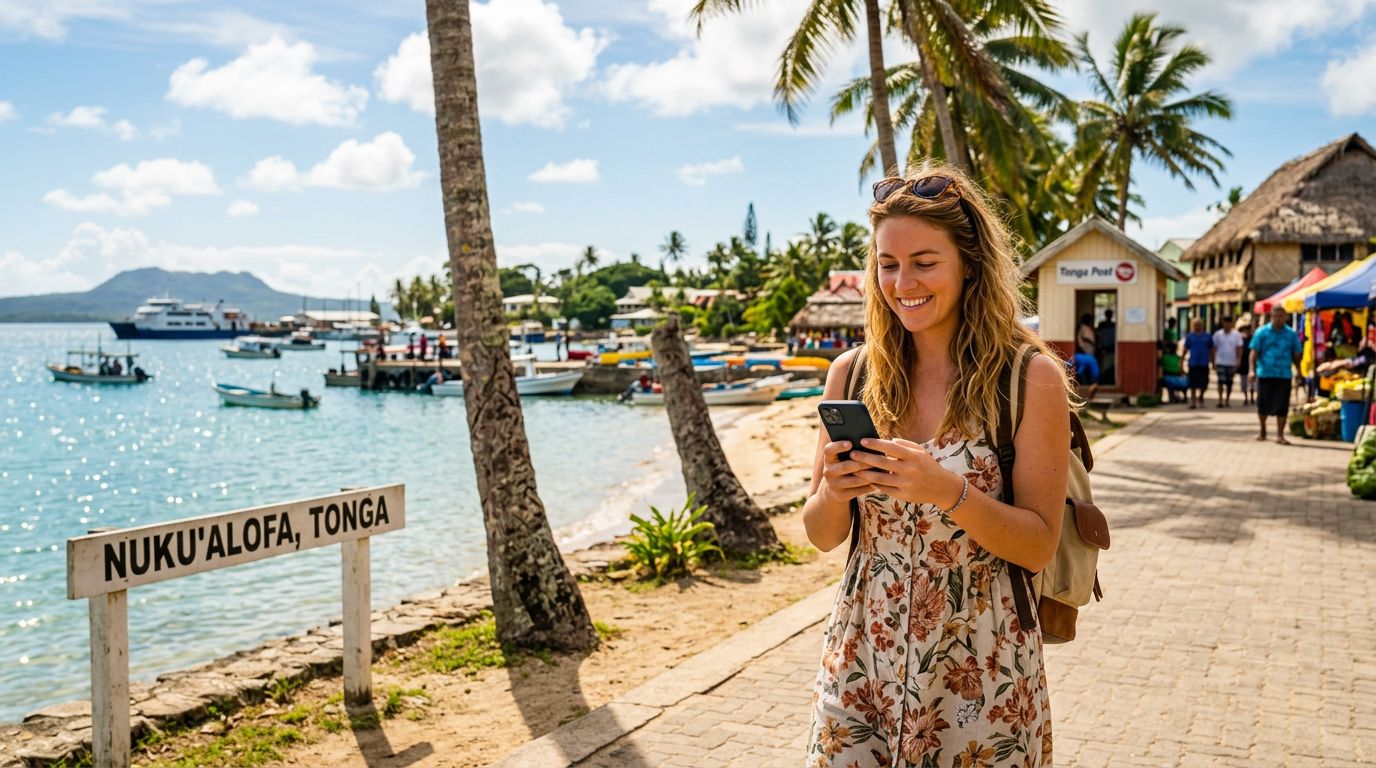
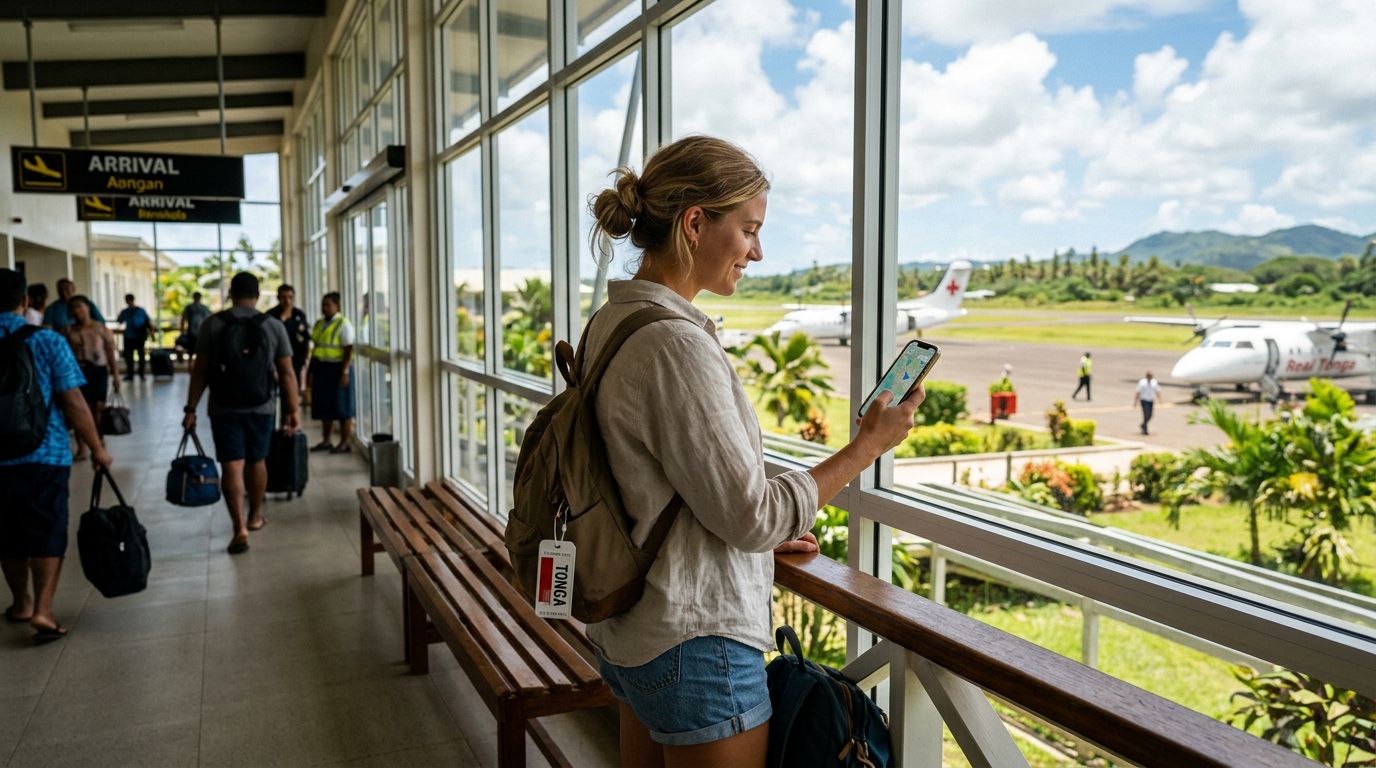
Tonga is a breathtaking archipelago known for its pristine beaches, humpback whale migrations, and a slower, more relaxed pace of life. While you might be looking to disconnect from the daily grind, having reliable internet access remains essential for checking ferry schedules, finding local restaurants, or sharing photos of your island adventures with family back home. When you arrive at Fuaʻamotu International Airport, you are faced with a choice that many travelers encounter: should you wait to purchase a physical SIM card at the airport, or should you set up an eSIM before you even board your plane?
The debate between an airport SIM vs eSIM in Tonga centers on convenience, reliability, and time management. A physical SIM card requires you to physically swap out your home carrier’s chip, which can be fiddly and risks losing your original card. An eSIM, by contrast, is a digital version of a SIM card that is embedded directly into your phone’s hardware. By opting for an eSIM, you bypass the need to visit a kiosk or wait in line after a long flight, allowing you to step off the plane and have connectivity almost immediately.
The Reality of Airport SIM Cards
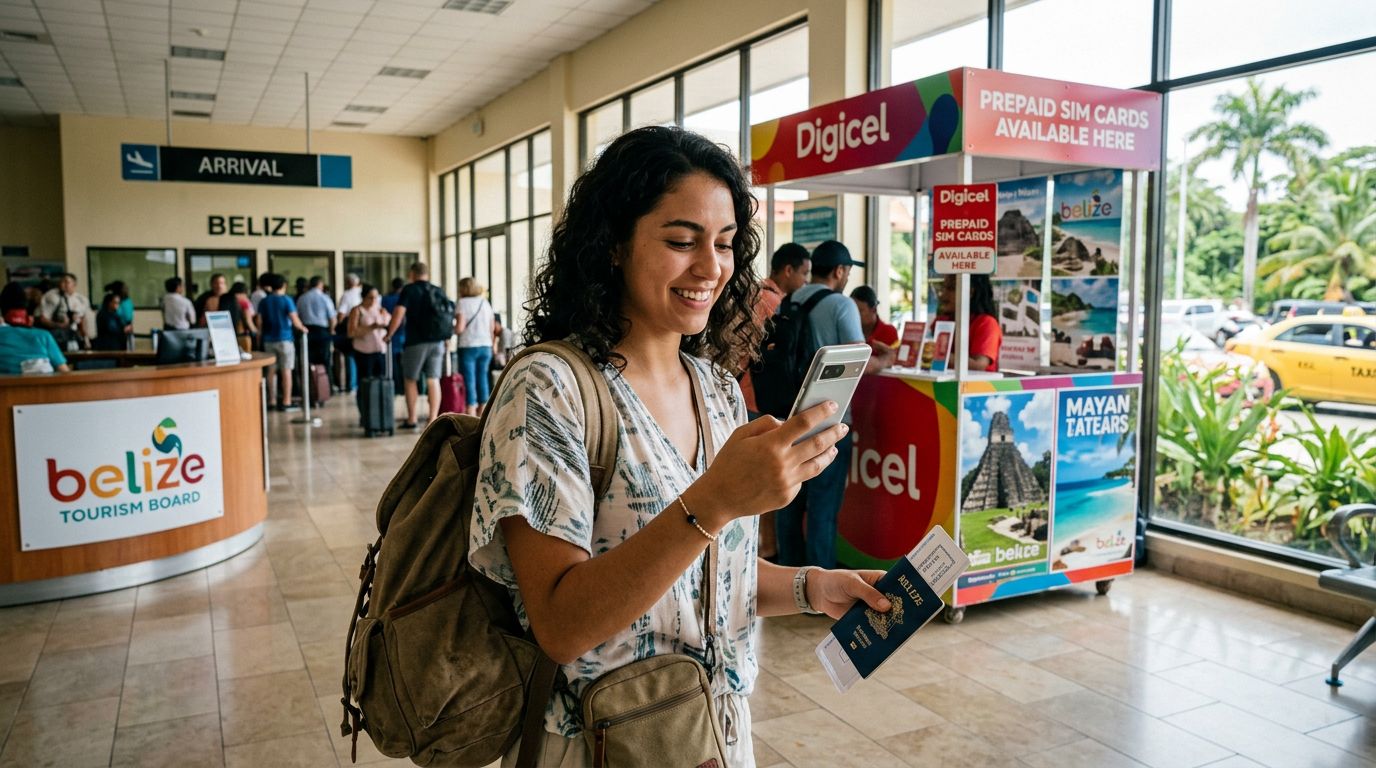
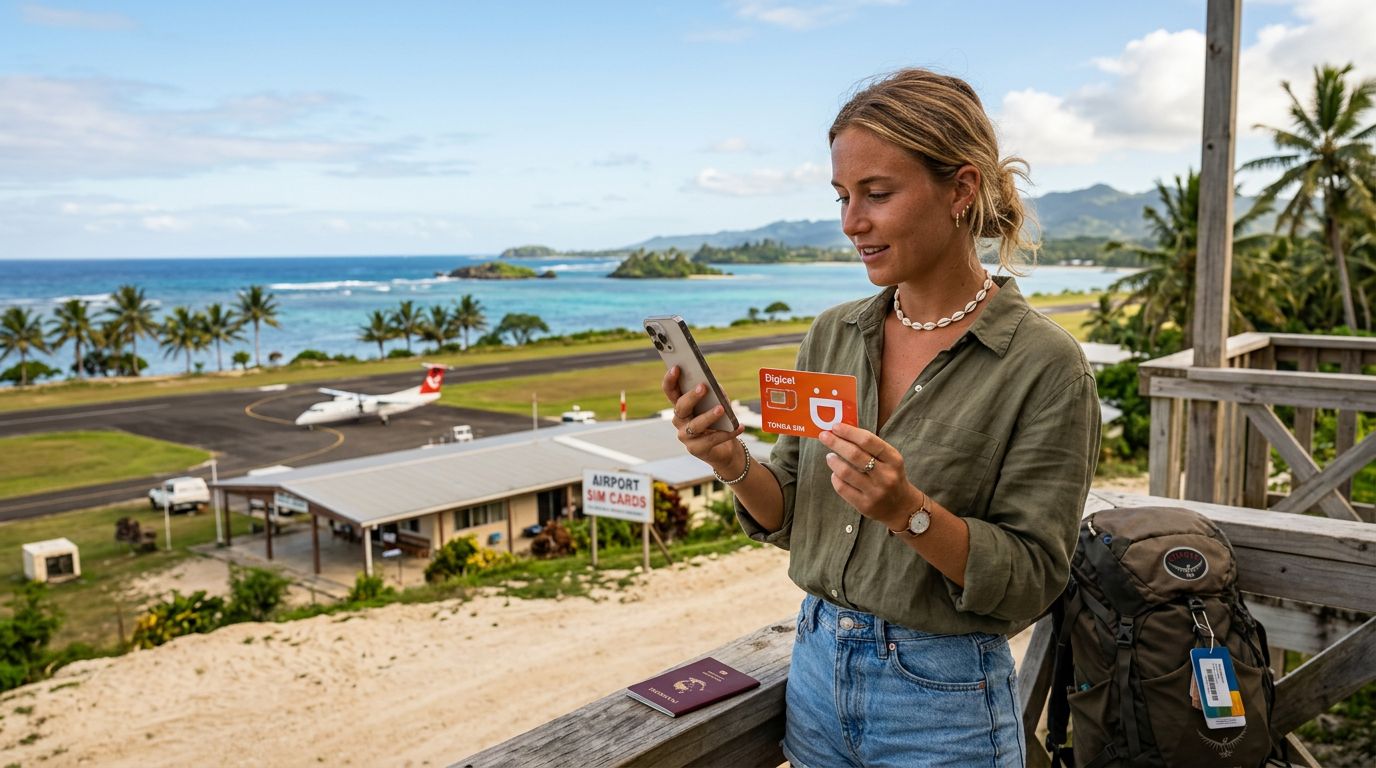
When you land at Fuaʻamotu International Airport, you will likely see kiosks or small shops offering local SIM cards. For many years, this was the standard way to get connected. You walk up to the counter, provide your passport details, pay for a plan, and wait for the attendant to insert the card and configure your device.
However, this approach has several drawbacks. First, airport kiosks are often crowded, especially when multiple international flights land around the same time. You might find yourself standing in a queue for an hour after a tiring flight. Second, there is the risk of language barriers or technical issues. If the local network settings do not automatically configure, you are reliant on the shop attendant to manually adjust your phone’s APN settings. If the configuration fails, you might not realize it until you have already left the airport and are on your way to your accommodation.
Furthermore, physical SIM cards require you to manage a tiny piece of plastic. If you are not careful, your original home SIM card can easily be misplaced or damaged during the swap. For travelers who value efficiency and want to start their vacation the moment they land, the airport SIM experience can feel like an unnecessary hurdle.
Why eSIMs Are the Modern Choice for Tonga
The rise of eSIM technology has simplified international travel significantly. With an eSIM, the entire process of getting connected is handled digitally. You can purchase your plan from a provider like OneTapSIM well in advance of your departure. Once you receive your digital activation details, you can install the profile on your device while you are still at home or in the airport lounge.
One of the primary benefits of using an eSIM in Tonga is the ability to keep your home number active. Because the eSIM functions as a secondary line, you can continue to receive important SMS messages or calls on your primary number while using the eSIM for data. This is particularly useful for two-factor authentication codes or urgent messages from home that you might otherwise miss if you had removed your primary SIM card.
Installation is straightforward. Most modern smartphones support eSIM technology, and the setup process typically involves scanning a QR code or entering manual details provided by your service provider. If you are unsure if your device is compatible, you can check the official support pages for Apple or Google to verify your specific model’s capabilities. Once installed, the eSIM remains inactive until you arrive in Tonga and switch it on. As soon as you land, you simply toggle the data roaming settings to your eSIM profile, and you are ready to go.
Making the Right Decision for Your Trip
When weighing the airport SIM vs eSIM in Tonga, consider what you value most during your travels. If you enjoy the traditional experience of interacting with local vendors and do not mind waiting in line, a physical SIM card might suffice. However, for most travelers, the benefits of an eSIM are clear. By choosing a digital solution, you save time, reduce the risk of losing your home SIM card, and ensure that you have a stable connection the moment your wheels touch the tarmac.
Reliability is another factor. When you use a reputable provider, you are often getting access to the best available local networks without the uncertainty of finding a reliable kiosk. You can manage your data usage through your phone’s settings, ensuring you stay within your limits without needing to visit a shop to top up.
Ultimately, your goal in Tonga is to experience the beauty of the islands, not to spend your time managing telecommunications. By preparing your connectivity in advance, you remove one of the most common stressors of international travel. Whether you are planning to swim with whales in Vavaʻu or explore the limestone cliffs of ʻEua, having a pre-configured eSIM ensures that your digital needs are met without interrupting your journey. Before you depart, take a moment to verify your phone’s compatibility, select a plan that fits your data needs, and enjoy the peace of mind that comes with being connected from the moment you arrive.
Get an eSIM for
Plans for the destinations covered in this guide, with instant QR delivery.