The Changing Landscape of Pacific Travel Connectivity
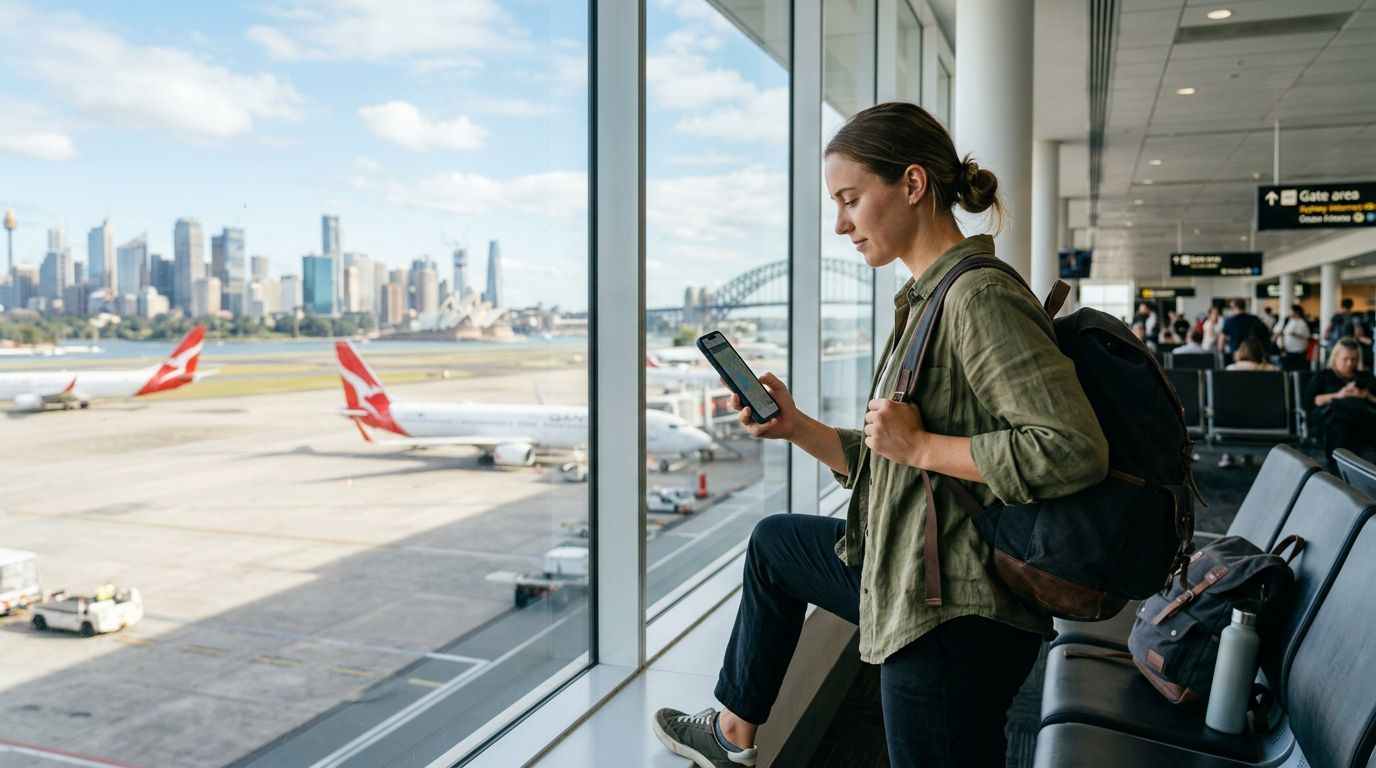
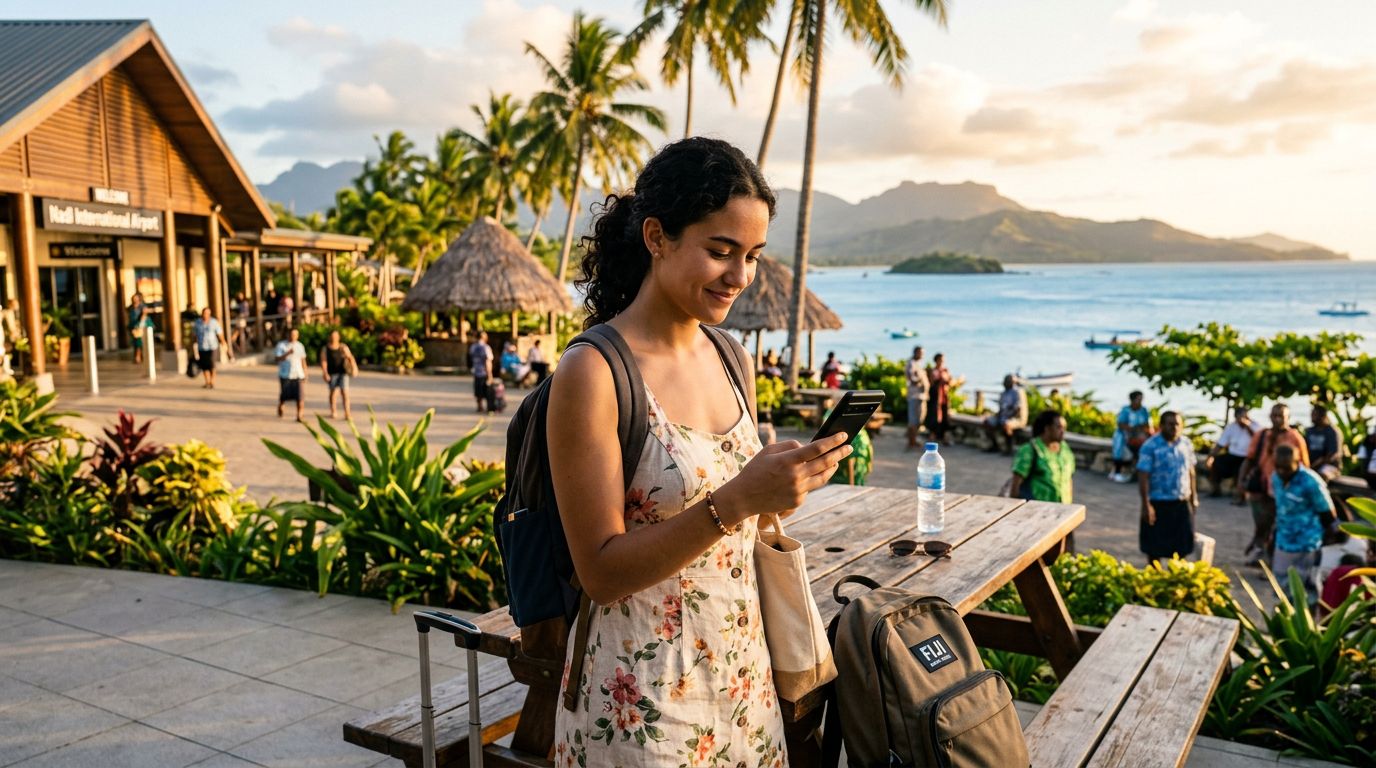
Planning a trip across the Pacific involves coordinating flights, accommodation, and logistics across vast distances. One of the most critical components of this preparation is ensuring you have reliable cellular data. Whether you are island-hopping in Fiji, exploring the bustling streets of Tokyo, or trekking through the landscapes of New Zealand, staying connected is essential for maps, translation apps, and communicating with home. Historically, travelers relied on physical SIM cards purchased at airport kiosks upon arrival. However, the rise of eSIM technology has fundamentally shifted how we manage international roaming.
Choosing between a traditional airport SIM and a modern eSIM is a common dilemma for Pacific travelers. Airport SIMs have long been the standard, offering a physical card that you swap into your phone. Conversely, an eSIM is a digital version of a SIM card that is embedded directly into your device’s hardware. Understanding the functional differences between these two options is vital for a smooth travel experience. While both provide access to local networks, the convenience, security, and timing of activation differ significantly. For many modern travelers, the transition toward digital solutions is driven by the desire to avoid queues and administrative hurdles immediately after a long-haul flight.
Evaluating the Airport SIM Experience
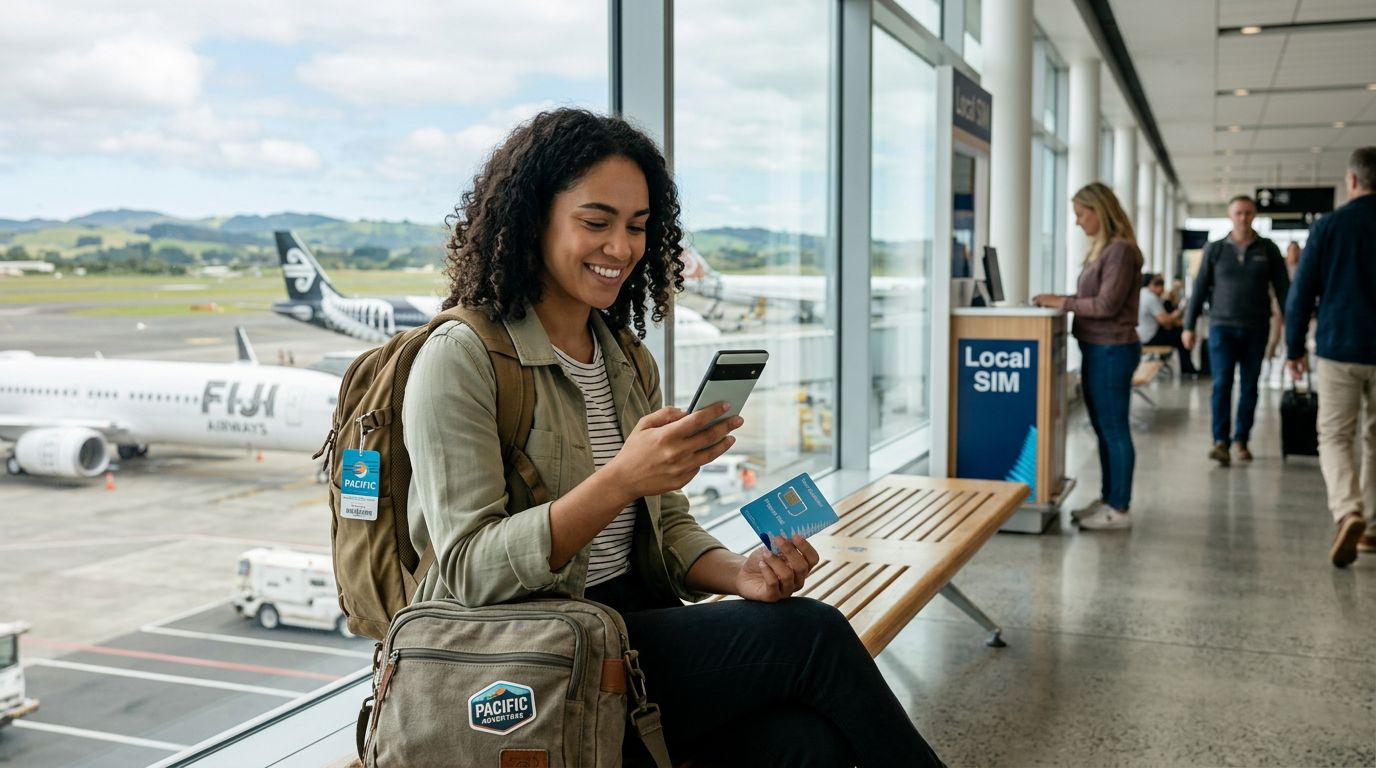
When you land at an international airport, you are often greeted by rows of kiosks selling local SIM cards. The primary advantage of this method is its tangibility. You receive a physical piece of plastic that you insert into your device, and the setup is often handled by a clerk who ensures the card is functional before you leave the counter. For travelers who are less tech-savvy or who prefer face-to-face assistance, this can provide a sense of security.
However, the airport SIM experience comes with several inherent drawbacks. First, you are at the mercy of airport operating hours. If your flight arrives late at night or very early in the morning, the kiosks may be closed, leaving you without connectivity until you can find a city-center store. Second, these locations are often overpriced due to their captive audience. You are paying a premium for the convenience of immediate access, even if the service quality is identical to what is available elsewhere.
Furthermore, there is the logistical challenge of managing your physical SIM card. You must remove your home SIM card—which is tiny and easily lost—and store it safely for the duration of your trip. If you lose your home SIM, you face a significant headache upon returning home. Additionally, airport kiosks are often crowded. After spending hours on a plane, standing in a long line to purchase a SIM card is rarely how a traveler wants to start their journey. You are also frequently required to provide physical documentation, such as a passport, which is then scanned and stored by the vendor, adding another layer of administrative friction to your arrival.
The Advantages of eSIM for Seamless Connectivity
The eSIM has emerged as the preferred alternative for many Pacific travelers because it eliminates the physical limitations of traditional cards. With an eSIM, you can purchase and activate your data plan before you even leave your house. By the time your plane touches down, your phone is already connected to the local network, allowing you to call an rideshare app or check your hotel directions the moment you land.
OneTapSIM provides a streamlined way to handle this process. Because the eSIM is digital, there is no need to visit a kiosk, wait in line, or physically handle your home SIM card. You keep your original SIM in your phone, allowing you to continue receiving important SMS notifications or calls on your primary number while using your eSIM for data. This dual-SIM capability is a massive advantage for those who need to remain reachable on their home number while navigating foreign transit systems.
Security is another major benefit. By avoiding the need to hand your phone over to a stranger at a kiosk, you maintain complete control over your device. You are not required to share physical copies of your travel documents with third-party vendors at the airport. Instead, the activation process is handled securely through your device’s settings. Most modern smartphones support eSIM functionality, and the setup process is designed to be user-friendly. If you are unsure about your device's compatibility, you can check your phone manufacturer's support pages to confirm that your specific model supports eSIM technology.
Making the Right Choice for Your Pacific Journey
When deciding between an airport SIM and an eSIM for your Pacific travel, consider the nature of your trip. If you are visiting multiple countries, an eSIM is significantly more efficient. You can manage multiple data profiles on a single device, switching between them as you cross borders. This is particularly useful in the Pacific region, where travel often involves hopping between different island nations or moving between major hubs like Australia and Japan.
Airport SIMs remain an option for those who have older devices that do not support eSIM technology or for travelers who absolutely require a local phone number for voice calls. However, for the vast majority of travelers who primarily use data for navigation, social media, and communication apps, the digital flexibility of an eSIM is unmatched. By opting for a service like OneTapSIM, you remove the guesswork and the stress of arrival-day logistics.
Ultimately, the goal of any travel preparation is to reduce friction. By securing your connectivity in advance, you gain the freedom to enjoy your destination from the moment you arrive. You avoid the "connectivity gap" that occurs when you are searching for a store or trying to navigate a foreign airport without a working map. As digital infrastructure continues to expand across the Pacific, the reliance on physical kiosks will likely continue to decline. Embracing eSIM technology is not just about keeping up with trends; it is about choosing a more reliable, secure, and convenient way to stay connected while exploring the world. Whether you are heading to a remote island or a bustling metropolis, having your data sorted before you board your flight is the hallmark of a seasoned traveler.
Get an eSIM for
Plans for the destinations covered in this guide, with instant QR delivery.