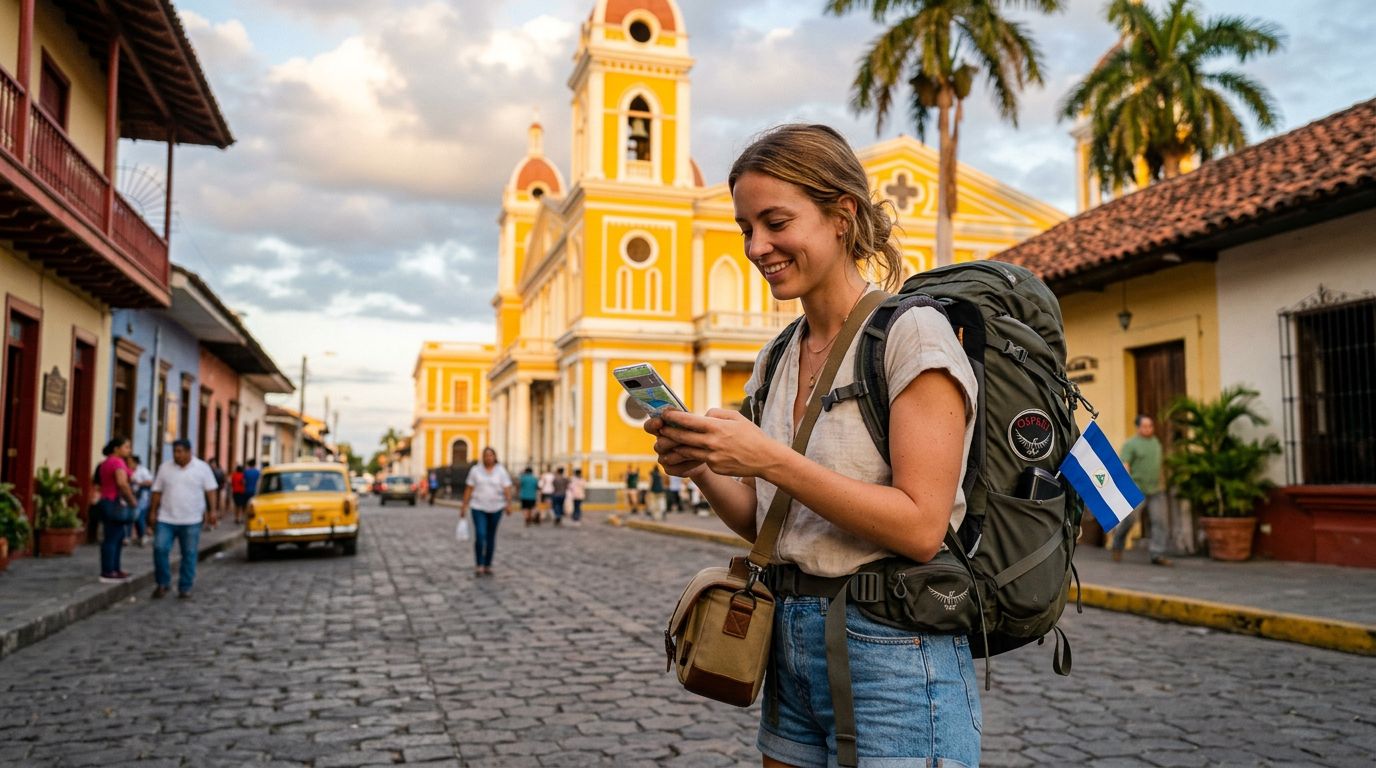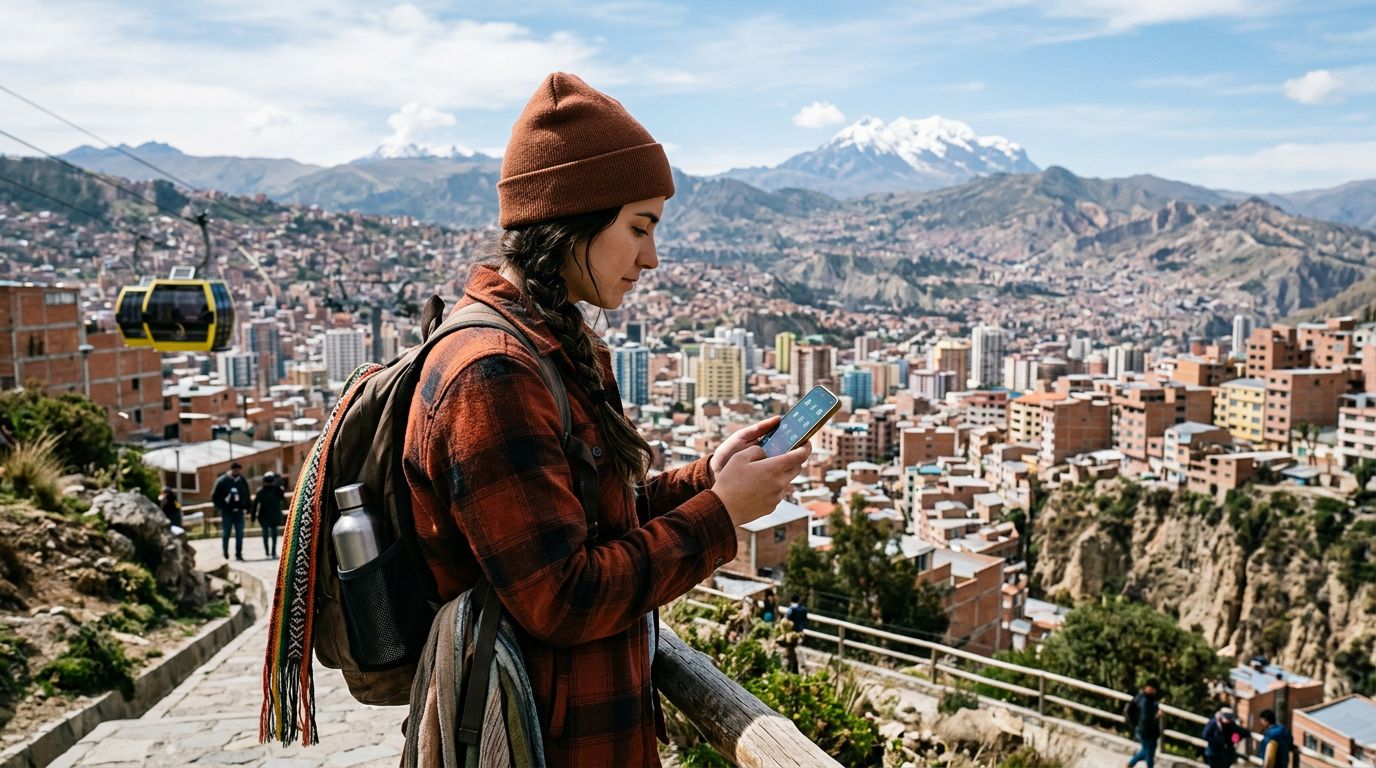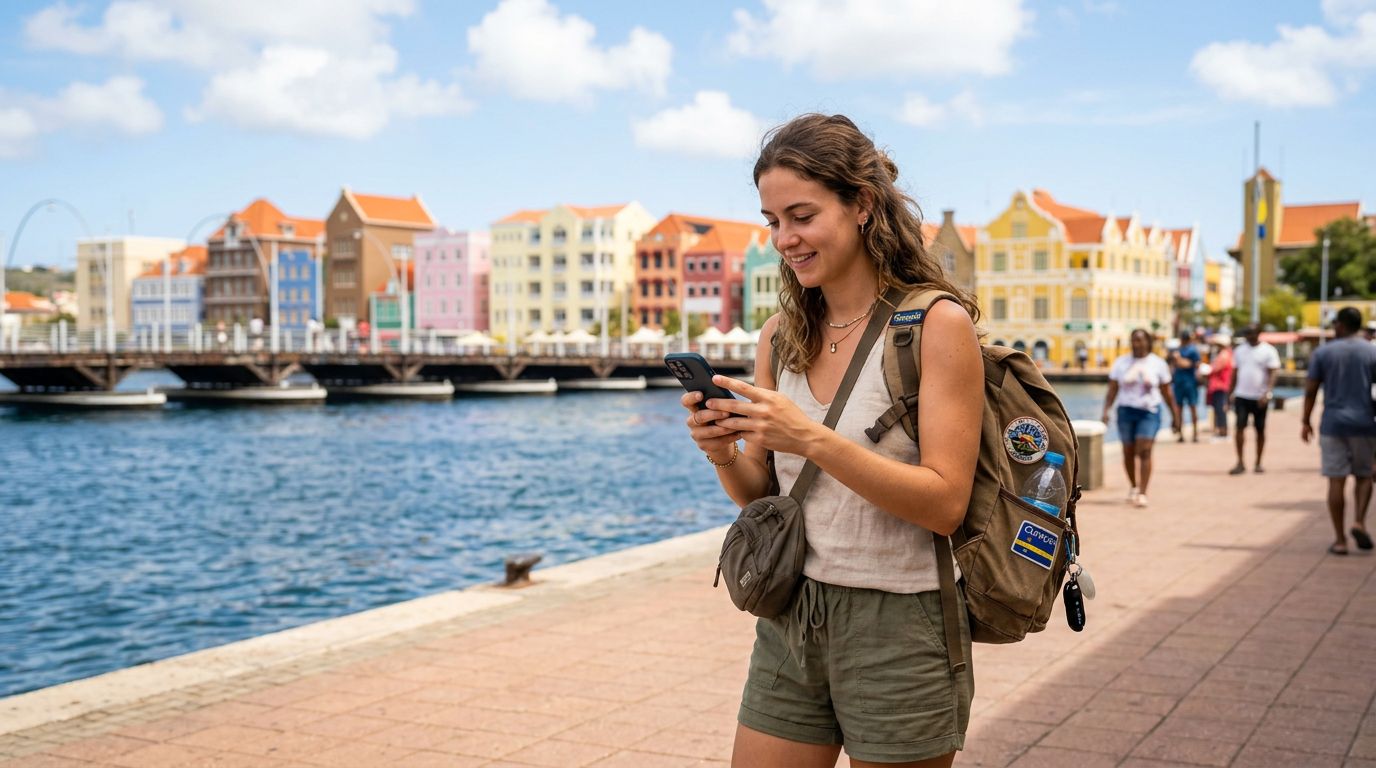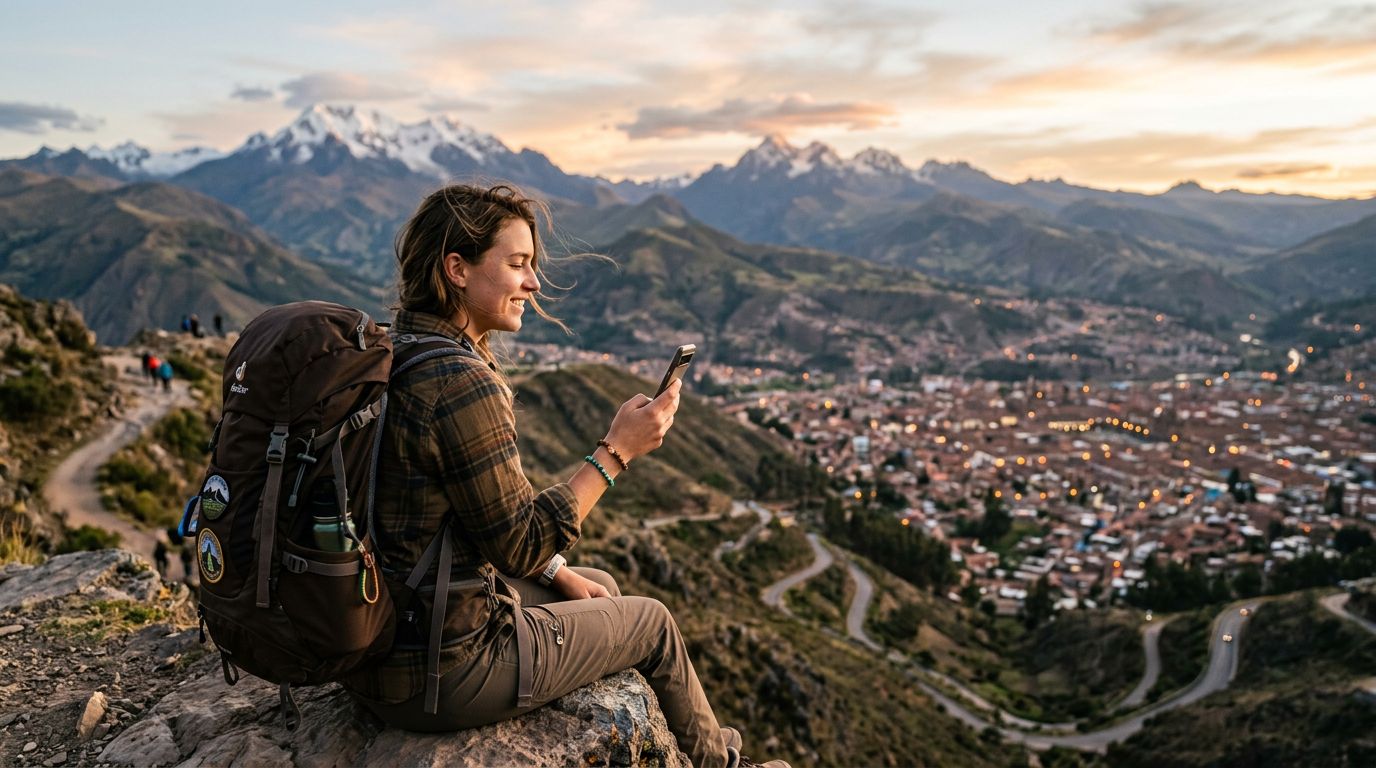
Backpacking across South America is a rite of passage for many travelers. From the mist-covered peaks of Machu Picchu to the vibrant streets of Buenos Aires and the lush expanses of the Amazon, the continent offers an unparalleled sense of adventure. However, the vast geography and diverse infrastructure can make staying connected while backpacking South America a logistical challenge. Whether you are coordinating with hostel mates, booking last-minute bus tickets, or sharing photos of your trek, having a reliable internet connection is no longer just a luxury—it is a vital tool for safety and convenience.
The Challenges of Connectivity on the Road
The primary difficulty when traveling through South America is the inconsistency of local networks. While major cities often have decent public Wi-Fi in cafes and hotels, these connections are rarely secure and often unreliable. Relying on public networks for banking, booking transport, or accessing maps can leave you vulnerable to security risks or, worse, stranded without a signal when you need it most.
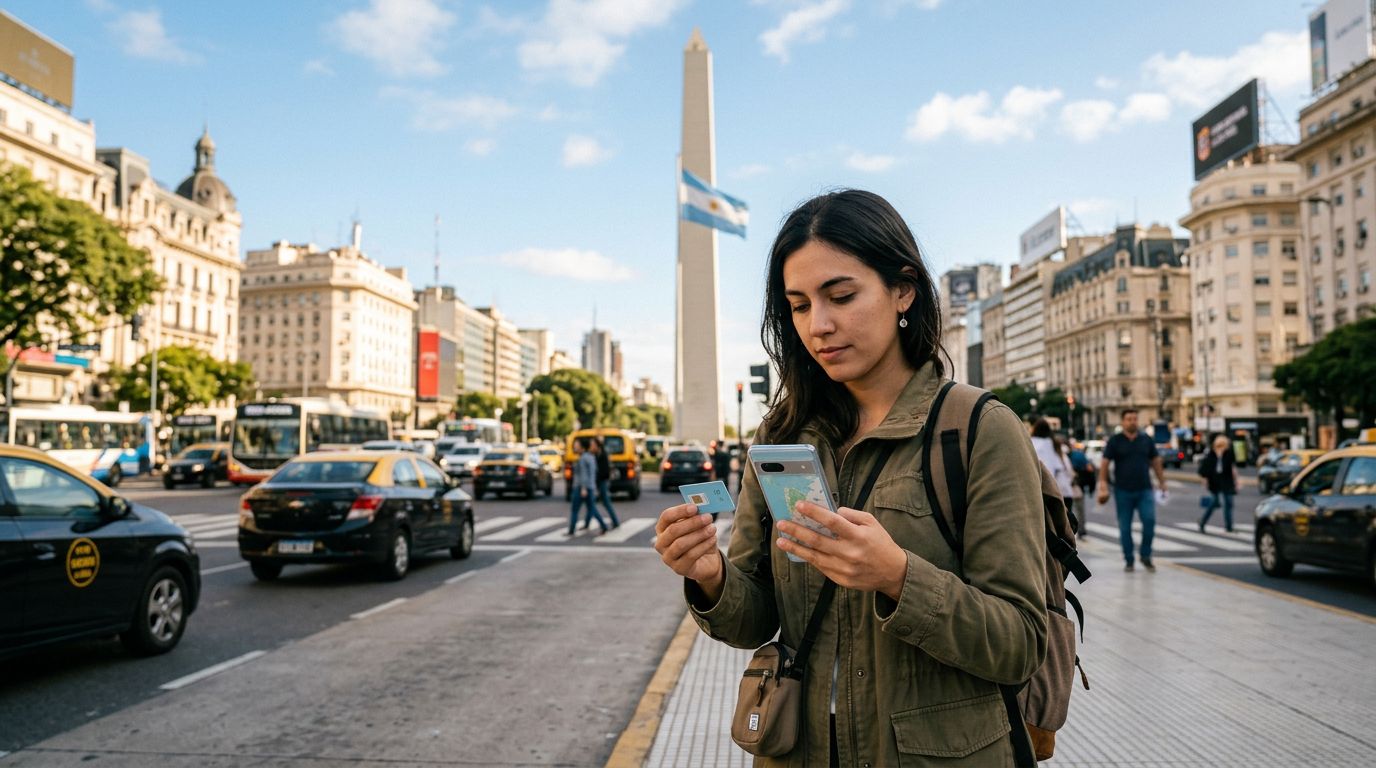
Furthermore, purchasing local physical SIM cards in every country is a time-consuming process. You often find yourself standing in long queues at airport kiosks or searching for a mobile provider’s store in a city where you do not speak the language. Once you find a store, you are often required to register your passport and navigate complex local plans that may not offer the data coverage you need for cross-border travel. For a backpacker moving from Peru to Bolivia and then into Chile, the administrative burden of swapping physical cards every few days becomes a significant hurdle that distracts from the experience of the journey.
This is where eSIM technology changes the game. By using a digital SIM, you can manage your connectivity directly from your smartphone without needing to physically swap hardware. It allows you to maintain your home number for essential calls while dedicating a secondary data line to your travel needs. This flexibility is essential when you are crossing borders frequently and need immediate access to maps or translation tools the moment you step off a bus or plane.
Why eSIMs are the Traveler's Best Friend
The transition to eSIM technology has simplified the way we approach international travel. Because an eSIM is embedded directly into the hardware of modern smartphones, you can activate a data plan remotely. You no longer need to worry about losing your original SIM card or finding a pin tool to open your phone’s tray.
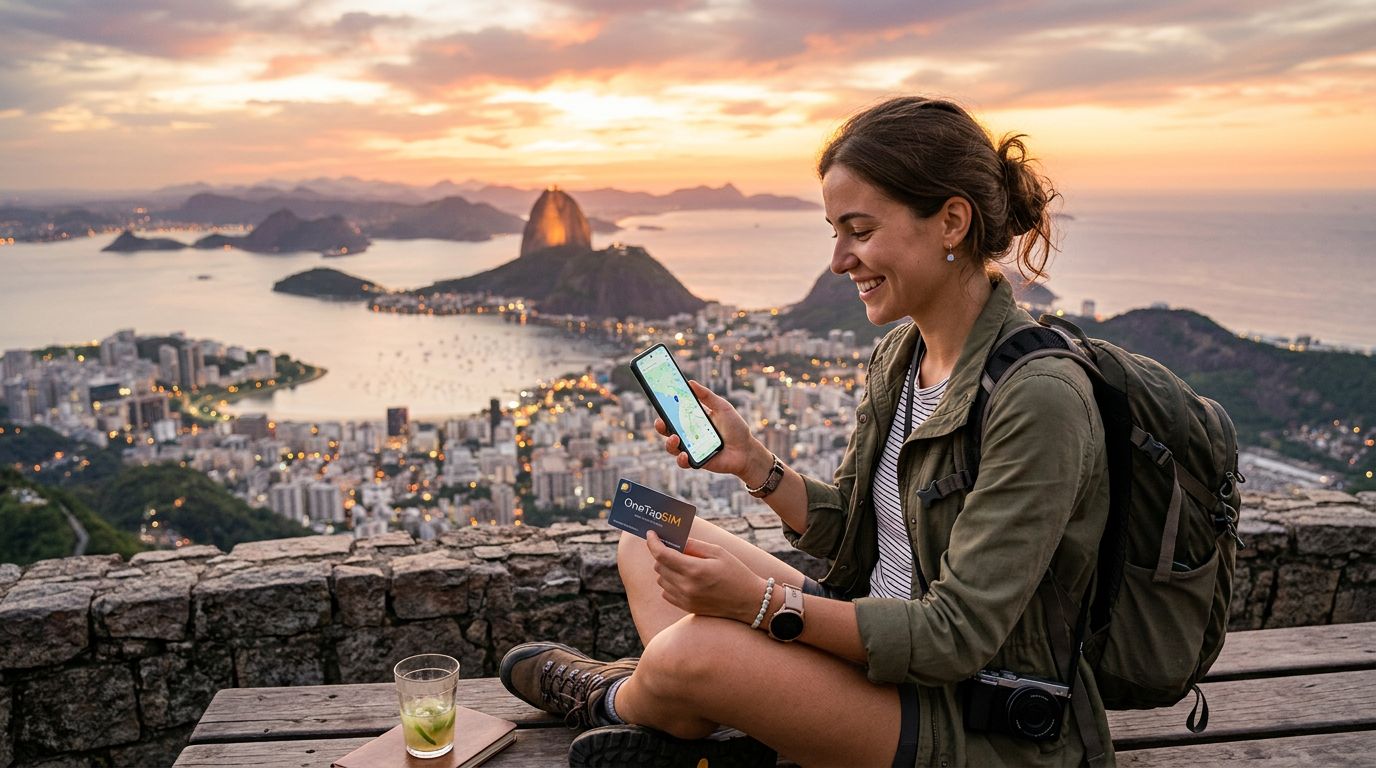
When you choose a service like OneTapSIM, you are opting for a streamlined experience that removes the friction of international roaming. You can select your data package before you even leave home, ensuring that you have coverage the moment your flight lands. This is particularly useful in South America, where remote areas may have limited access to physical retail outlets. Having a pre-activated data plan means you can instantly pull up your ride-sharing app or check your GPS coordinates upon arrival in a new city, providing a level of security and comfort that is invaluable for solo travelers.
Beyond convenience, eSIMs offer better control over your data usage. Many travelers find that they burn through data quickly when using navigation apps or uploading high-resolution photos. With a digital service, you can monitor your consumption in real-time and top up your data without needing to visit a shop. This autonomy is crucial when you are trekking in remote regions where finding a store to buy a top-up voucher might be impossible. By keeping your connection digital, you remain in control of your budget and your data, ensuring you are never left without a way to contact friends or family back home.
Practical Tips for Digital Backpacking
Staying connected is about more than just having a signal; it is about managing your digital presence efficiently. To make the most of your mobile data, consider adjusting your phone settings before you start your journey. Disable background app refresh for non-essential applications to prevent them from consuming your data allowance while the phone is in your pocket. Download offline maps for the regions you plan to visit, as these are often more reliable than streaming map data in areas with spotty cellular coverage.
When it comes to communication, prioritize apps that function well on lower bandwidths. Voice and video calls can be data-heavy, so try to stick to text-based messaging when you are away from high-speed Wi-Fi. If you are working remotely or need to upload large files, save those tasks for when you are settled in a hostel or cafe with a stable connection, and use your mobile data for essential tasks like navigation, emergency communication, and booking transport.
Another important aspect of staying connected is maintaining your device's battery life. Constant searching for a signal can drain your battery rapidly. If you find yourself in an area with poor reception, switching your phone to airplane mode or turning off cellular data temporarily can help preserve power. Always carry a reliable portable power bank, as you never know when you might be on a long-distance bus or a remote mountain trail without access to a wall outlet.
Finally, remember that the goal of backpacking is to experience the world. While staying connected is vital for safety and logistics, try to find a balance. Use your digital tools to enhance your trip—to find hidden gems, translate menus, and stay safe—but do not let the screen become a barrier between you and the culture you came to explore. By setting up a robust, reliable connection through a service like OneTapSIM, you can enjoy the peace of mind that comes with being prepared, allowing you to focus on the sights, sounds, and people that make South America such an incredible destination. Whether you are navigating the bustling markets of La Paz or looking out over the salt flats of Uyuni, having the right connection ensures that you stay safe, informed, and ready for whatever the road throws your way.
Obtenha um eSIM para
Planos para os destinos abordados neste guia, com entrega instantânea por QR.