Understanding the Connectivity Landscape for Travelers
When planning a trip abroad, the method you choose to stay connected can significantly impact your travel experience. For years, the standard solution for groups or solo travelers was the portable hotspot, commonly known as pocket WiFi. This device acts as a dedicated router that connects to local cellular networks and broadcasts a private WiFi signal for your devices. It is a familiar technology that has served many travelers well, especially those who carry multiple tablets, laptops, and smartphones simultaneously.
However, the emergence of eSIM technology has shifted the landscape. An eSIM, or embedded SIM, is a digital version of the physical SIM card you have used in your phone for years. Because it is built directly into the hardware of modern smartphones, you no longer need to swap out tiny plastic cards or carry extra hardware to get online. Choosing between these two options involves weighing the benefits of hardware-based connectivity against the seamless, software-driven experience of modern digital solutions.
The core debate regarding pocket WiFi vs eSIM for vacations often comes down to convenience versus shared utility. While pocket WiFi provides a centralized hub for a group, it introduces logistical burdens that many travelers are beginning to find cumbersome. Conversely, an eSIM offers a level of personal freedom that integrates directly into the device you are already using. Understanding these differences allows you to choose the setup that aligns with your travel style, whether you are a solo backpacker, a business traveler, or a family on a group excursion.
The Case for eSIMs and Why They Are Changing Travel
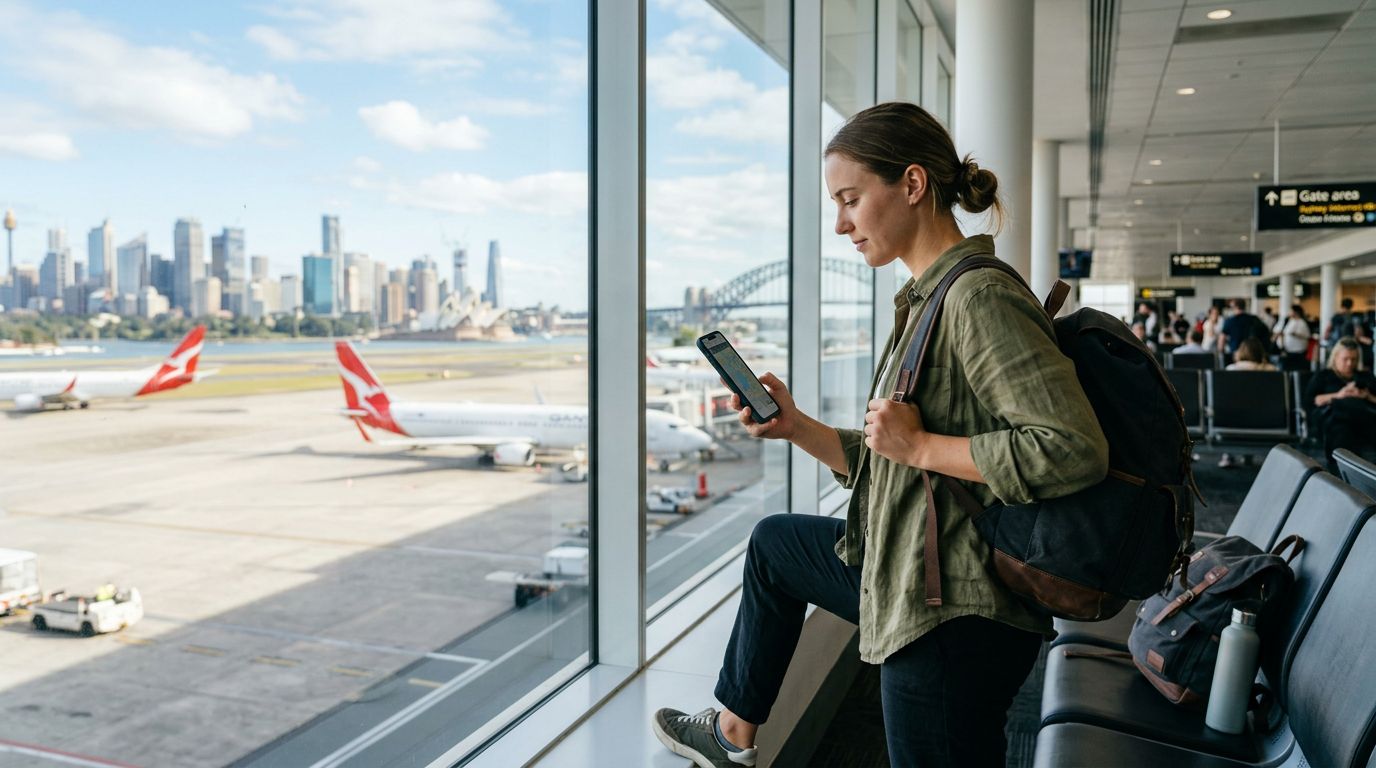
The primary advantage of using an eSIM is the elimination of physical friction. With an eSIM, your connectivity is tied to your phone’s internal hardware. You do not need to visit a rental kiosk at the airport, manage a secondary device, or worry about returning hardware before your flight home. This streamlined approach is why many travelers are switching to services like OneTapSIM. By activating a digital profile before you even land, you can have a local data connection the moment your plane touches the runway.
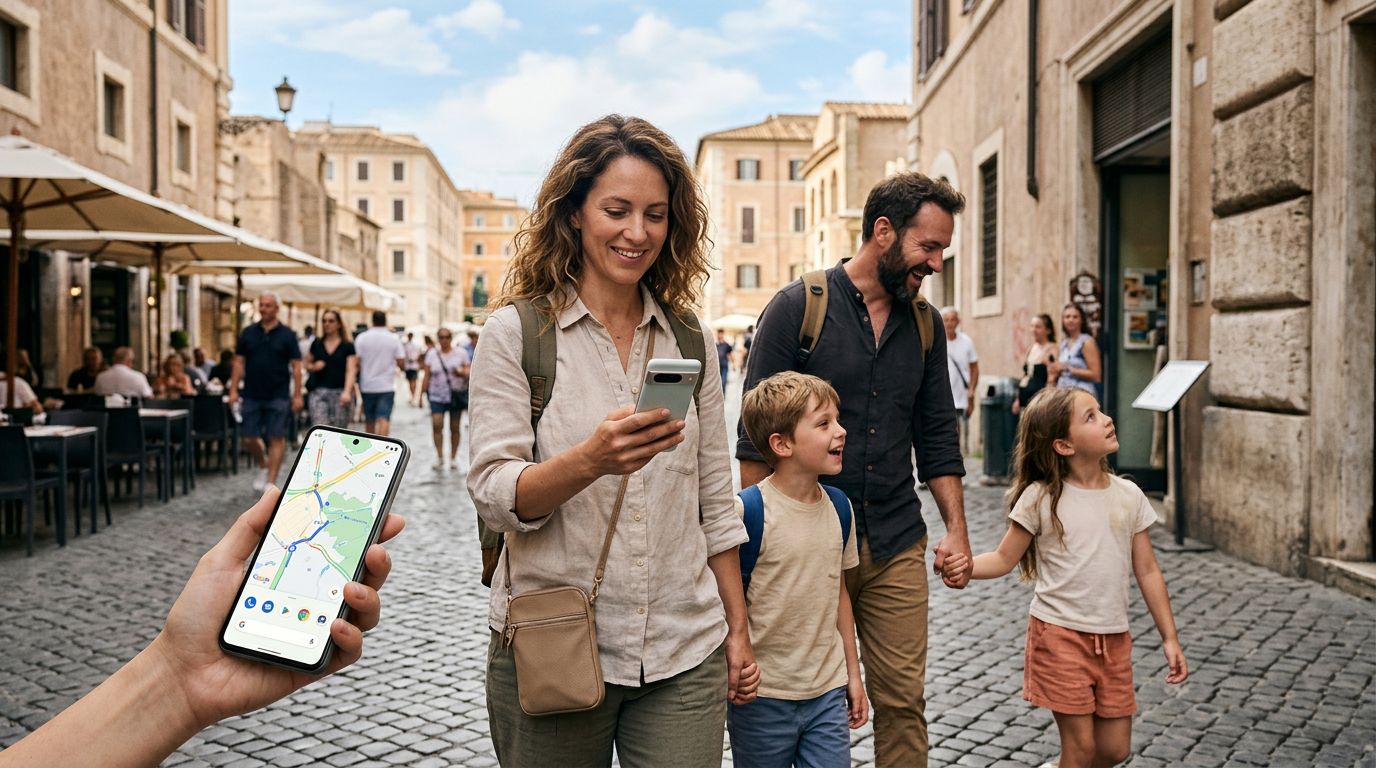
Portability is another major factor. When you travel with an eSIM, your pockets and bags remain unencumbered. There is no need to charge a secondary battery, carry extra cables, or worry about losing a rental device. If you are exploring a city, hiking a trail, or navigating public transit, having your connectivity integrated into your phone means you are always ready to pull up a map or translate a menu without checking if your hotspot is powered on or within range.
Furthermore, eSIMs allow for a more reliable connection in many scenarios. Because the eSIM acts as a native SIM card, it often prioritizes cellular signal strength in the same way your home service does. You are not dependent on a secondary device’s antenna quality or its ability to broadcast a stable WiFi signal. For most individual travelers, the simplicity of a digital-first approach provides a much smoother experience. You simply install the profile, activate it upon arrival, and enjoy the internet as if you were using your home provider, but with the benefits of local network access.
Evaluating Pocket WiFi and When It Might Still Make Sense
While the trend is moving toward digital solutions, pocket WiFi still holds a specific place in the market. The most notable advantage of a pocket WiFi device is its ability to share a single data pool across multiple devices and multiple users. If you are traveling as a large family or a group of friends who do not each have an eSIM-compatible phone, a single pocket WiFi unit can act as a bridge. Everyone connects to the same network, which can simplify management for a group leader who wants to ensure everyone stays online.
However, this convenience comes with significant trade-offs. The most prominent is the "tethering" effect. If the person carrying the pocket WiFi wanders off to grab a coffee or steps into a different shop, everyone else in the group instantly loses their connection. This lack of individual autonomy can be a major source of frustration during group travel. Additionally, you must be diligent about power management. A pocket WiFi device is essentially another smartphone that requires daily charging. If you forget to plug it in overnight, you will find yourself without service the next day, which can be disastrous when you rely on digital maps or ride-sharing apps to get around.
There is also the logistical nightmare of hardware management. Many pocket WiFi rentals require you to pick up the device at a specific desk and drop it off at a designated bin before security. If your flight is delayed or you are rushing to the gate, this can become a stressful final task. If the device is lost or damaged, you are often held responsible for the replacement cost, adding an unnecessary layer of anxiety to your trip.
Making the Final Decision for Your Next Trip
When deciding between pocket WiFi vs eSIM for vacations, consider your specific needs. If you are a solo traveler, a couple, or a family where everyone has a modern smartphone, the eSIM route is almost always superior. It provides individual control, eliminates the need to carry extra hardware, and removes the risk of losing or damaging a rental device. With a service like OneTapSIM, you can manage your data needs through a simple interface, ensuring that your connection is ready the moment you arrive at your destination.
If you are traveling in a large group and prefer a single, shared connection point, you might still consider pocket WiFi, but be prepared for the extra weight and the responsibility of maintaining the device. Even in these cases, many groups are finding that having each person use an individual eSIM is more cost-effective and reliable. With individual eSIMs, group members can split up to explore different parts of a city without losing their ability to communicate or navigate.
Ultimately, the goal of any travel connectivity solution is to fade into the background. You want to focus on your destination, not on managing your network settings or charging extra batteries. By opting for a modern, digital-first approach, you minimize the logistical overhead of your trip. The convenience of having your data plan ready to go, the freedom of not carrying extra equipment, and the reliability of a native cellular connection make eSIM technology the preferred choice for the modern traveler. As you prepare for your next journey, evaluate your hardware, check your device compatibility, and consider the peace of mind that comes with a streamlined, digital connectivity experience.
Obtenha um eSIM para
Planos para os destinos abordados neste guia, com entrega instantânea por QR.