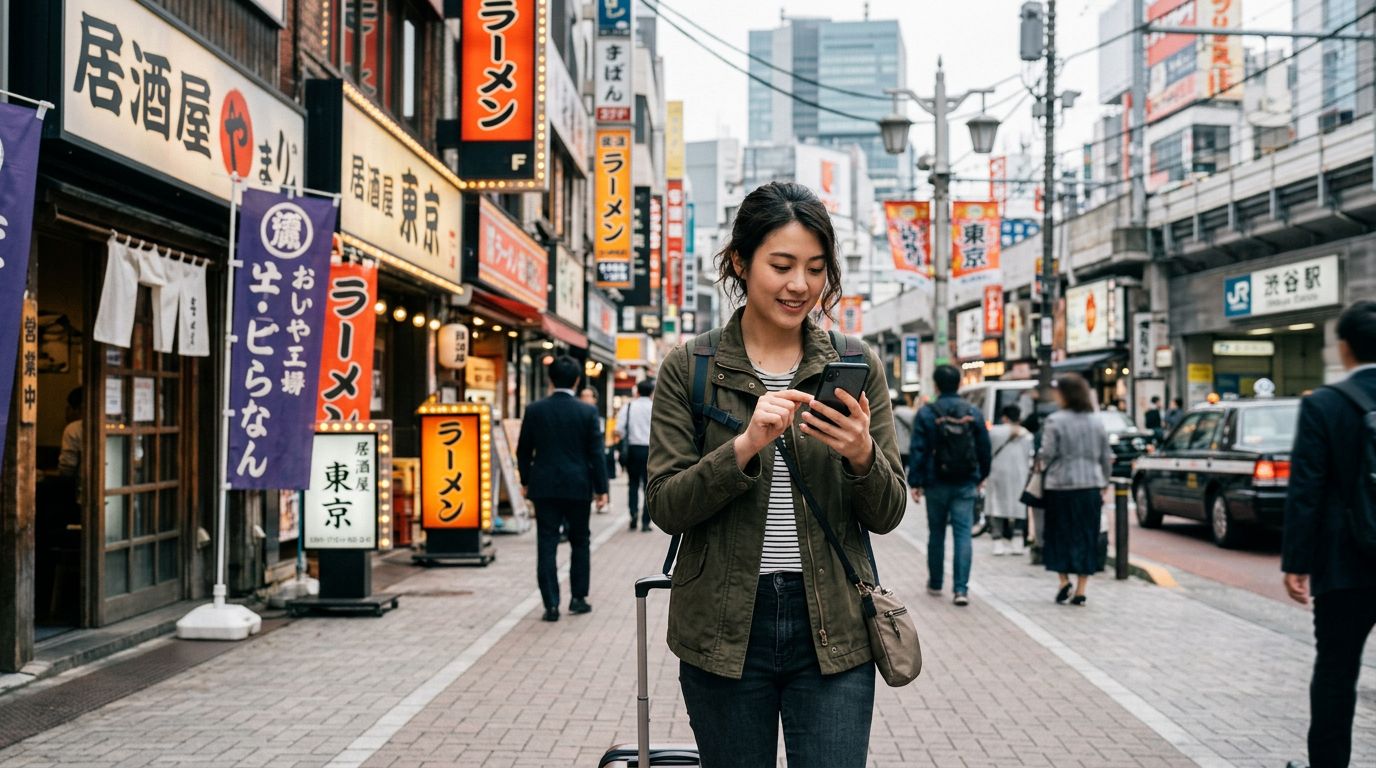
Japan is a country where culinary traditions are treated with the same reverence as fine art. From the bustling street stalls of Osaka to the quiet, refined sushi counters of Tokyo, the archipelago offers a sensory journey that is as diverse as its geography. Whether you are a first-time visitor or a seasoned traveler returning for another bowl of authentic ramen, the sheer volume of options can be overwhelming. Having a reliable connection to look up restaurant reviews, translate menus, or find hidden gems is essential. With OneTapSIM, you can stay connected the moment you land, ensuring you never miss out on the best local spots.
The Classics: Sushi, Ramen, and Tempura
No trip to Japan is complete without experiencing the foundational pillars of its cuisine. Sushi is perhaps the most famous export, but the experience in Japan is vastly different from what you might find elsewhere. In Tokyo, you can visit high-end establishments where chefs curate every bite based on the morning’s catch at the local fish market. Alternatively, you can head to a conveyor belt sushi restaurant for a fun, accessible, and efficient meal. The key is to look for freshness; the quality of the rice and the precision of the fish slicing are what define a true sushi master.
Ramen is another non-negotiable staple. While it is often associated with quick meals, ramen in Japan is a complex craft. Each region boasts its own style—from the rich, creamy tonkotsu broth of Kyushu to the light, soy-based shoyu ramen found in the Kanto region. If you find yourself wandering through a new city, use your mobile data to search for local favorites that are tucked away in basement levels or narrow alleyways. These small, counter-only shops often serve the most memorable bowls.
Tempura, while often misunderstood as mere fried food, is a delicate technique that highlights the natural flavor of seasonal vegetables and seafood. The batter is light and airy, never greasy, and is traditionally served with a side of tentsuyu sauce or seasoned salt. When you are exploring a new neighborhood, you might find yourself craving a specific type of dish. Having consistent internet access through OneTapSIM allows you to quickly verify the best-rated tempura houses nearby, helping you avoid tourist traps and find authentic culinary experiences.
Regional Specialties and Street Food Culture
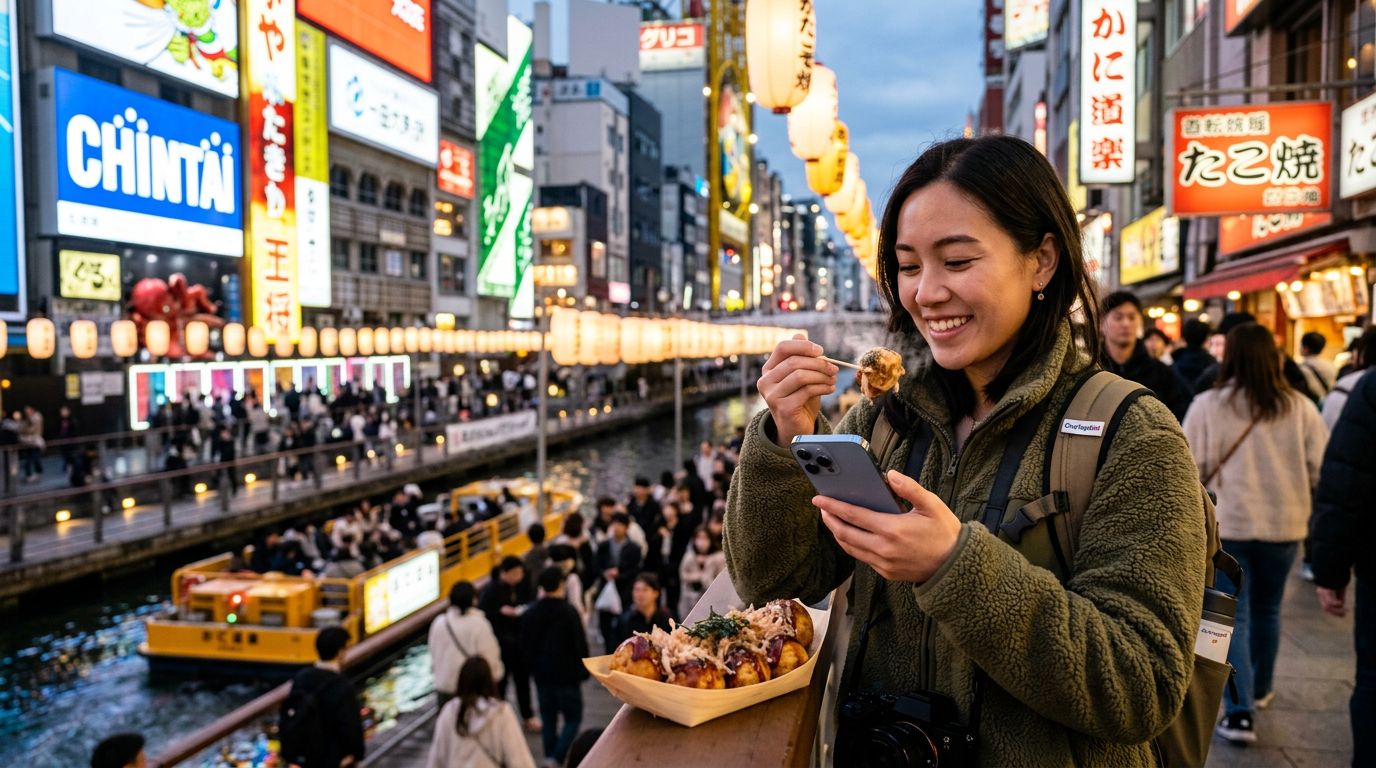
One of the greatest joys of traveling through Japan is discovering how food changes as you move between prefectures. Osaka, often called "the nation’s kitchen," is the heart of street food culture. Here, you must try takoyaki—piping hot octopus balls topped with savory sauce, mayonnaise, bonito flakes, and green seaweed. The texture is soft and gooey on the inside, providing a satisfying contrast to the crisp outer layer. Another Osaka favorite is okonomiyaki, a savory pancake loaded with cabbage, meat, or seafood, cooked right in front of you on a griddle.
Moving toward the northern regions, the food changes to accommodate the colder climate. Hokkaido is famous for its dairy products, fresh crab, and miso-based ramen that keeps you warm during the snowy months. Conversely, if you travel to the southern islands, you will encounter dishes influenced by subtropical ingredients, such as bitter melon stir-fries and fresh sea grapes.
Street food festivals, known as matsuri, are the perfect place to sample these regional variations. You will find stalls selling yakisoba, grilled squid on skewers, and sweet treats like taiyaki—fish-shaped cakes filled with red bean paste or custard. Because these festivals are often crowded and spread out, being able to pin your location on a map or share photos with friends back home is a luxury that makes the trip smoother. With a digital eSIM, you can manage your itinerary and look up the ingredients of unfamiliar street foods in real-time, ensuring you stay within your dietary preferences while enjoying the local culture.
Fine Dining and Seasonal Delicacies
Beyond the casual eateries and street stalls, Japan offers a world of elevated dining that honors the seasons. Kaiseki is the pinnacle of Japanese haute cuisine. It is a multi-course meal that focuses on the balance of taste, texture, appearance, and colors of food. Each course is carefully prepared using ingredients at their peak freshness. A kaiseki meal is not just about eating; it is an aesthetic experience that reflects the changing of the seasons, from the delicate cherry blossom motifs in spring to the earthy, mushroom-heavy dishes of autumn.
If you are planning to visit an upscale restaurant, reservations are almost always required. In many cases, these venues are tucked away in non-descript buildings, requiring precise navigation to find the entrance. Being able to rely on a stable network connection to check your reservation details or clarify directions with a host is vital.
Additionally, Japan is famous for its seasonal fruit culture. You might be surprised to find luxury melons, strawberries, or grapes that are treated like precious gifts. Visiting a depachika—a department store basement food hall—is an experience in itself. These subterranean wonderlands are filled with high-end bento boxes, meticulously packaged sweets, and exotic fruits. It is the perfect place to pick up a snack before boarding a bullet train. As you travel across the country, having the ability to check train schedules while you browse these food halls ensures that your culinary adventures never interfere with your transit plans. Whether you are hunting for the perfect bowl of noodles or sitting down for a refined multi-course dinner, staying connected allows you to focus on the flavors rather than the logistics, making your Japanese food journey truly unforgettable.
Obtenha um eSIM para
Planos para os destinos abordados neste guia, com entrega instantânea por QR.