Understanding the Shift: eSIM vs. Physical SIM
For decades, the physical SIM card was the standard for mobile connectivity. It was a tangible piece of plastic that required a specific slot in your phone, a specialized tool to eject the tray, and a delicate touch to ensure the chip was seated correctly. If you lost it or damaged the gold contacts, you were effectively disconnected.
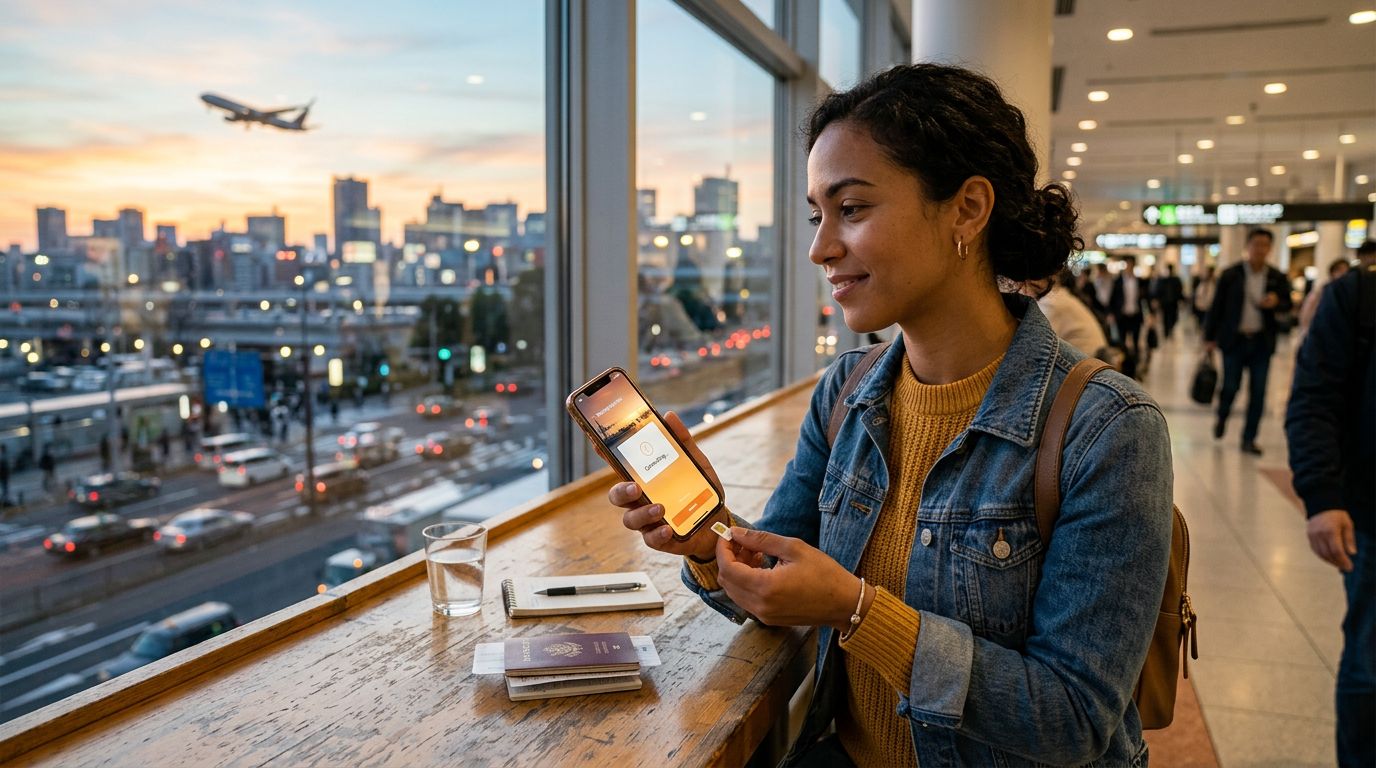
The eSIM, or embedded SIM, changes this architecture by moving the functionality directly onto the device’s hardware. Instead of swapping a physical card, you download a digital profile that tells your phone which network to connect to. When travelers ask, "is eSIM better than physical SIM," the answer often comes down to convenience and the elimination of physical friction.
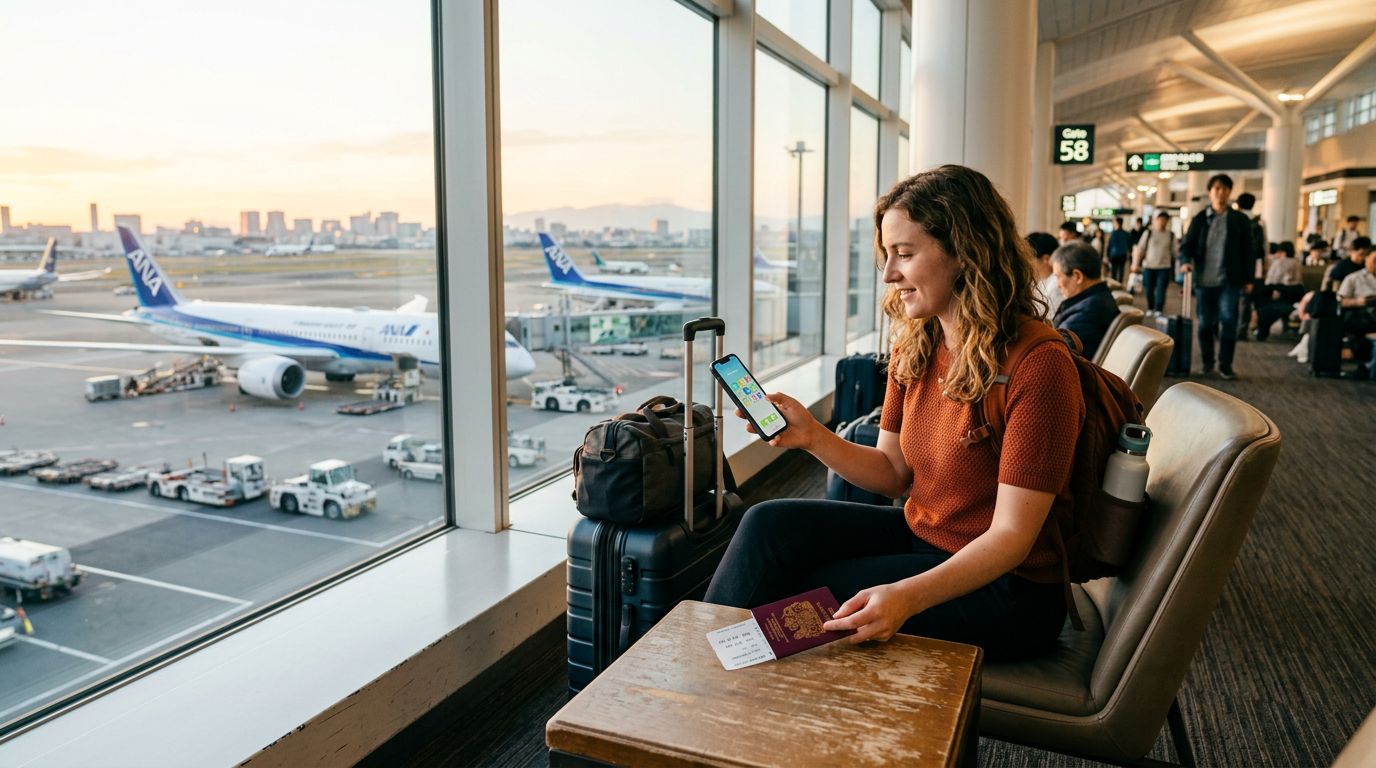
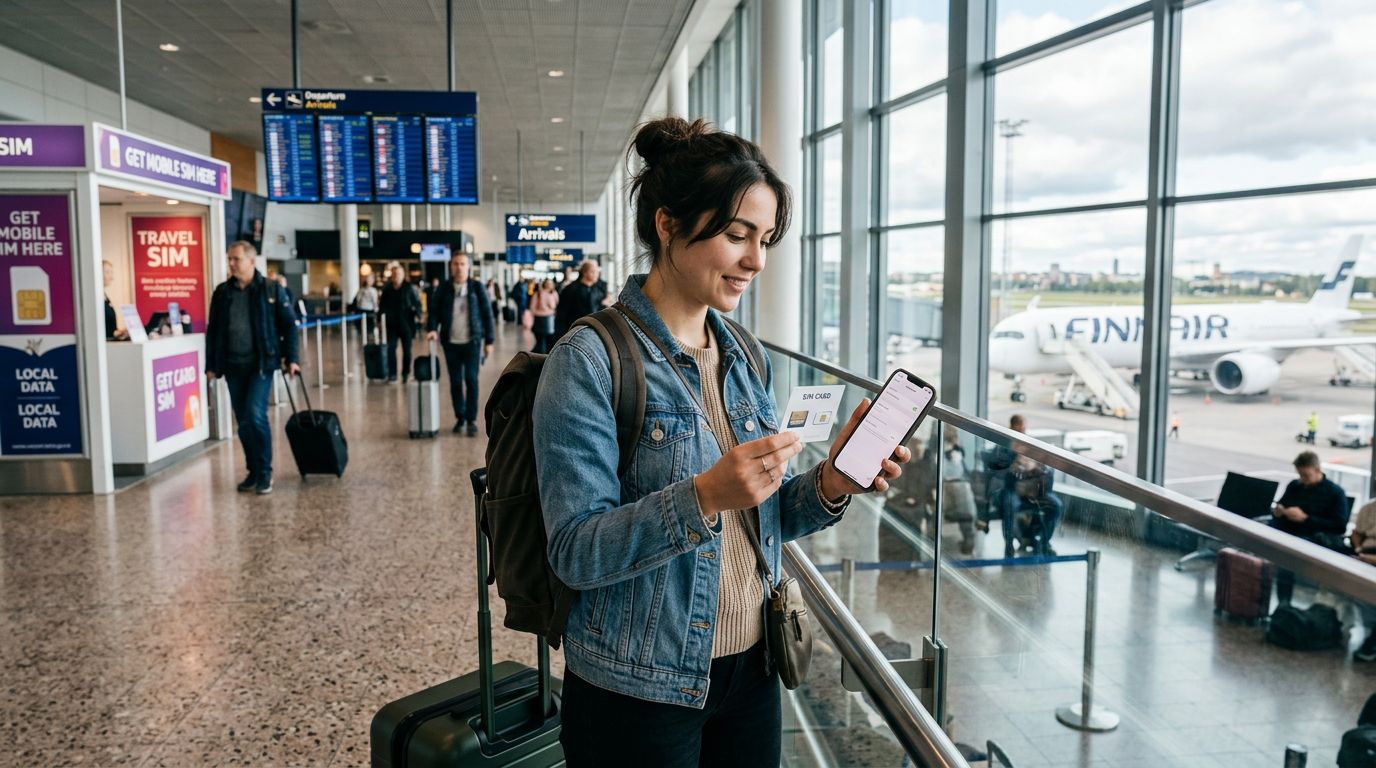
With a physical SIM, you are tethered to the logistics of the card itself. You must find a local kiosk at the airport, wait in line, present your passport, and hope the local carrier’s card works with your specific device. If you are traveling through multiple countries, you have to repeat this process at every border. An eSIM allows you to manage your connectivity before you even leave your house. By using a service like OneTapSIM, you can pre-configure your device so that the moment your plane touches down, your phone is already searching for a local signal.
The Practical Advantages for International Travelers
The primary benefit of moving to an eSIM is the ability to maintain your home number while simultaneously using a local data plan. Most modern smartphones allow for Dual SIM functionality, where one slot (or profile) is reserved for your home carrier for calls and texts, while the eSIM handles your data needs abroad. This prevents the common headache of missing important two-factor authentication codes or urgent calls from home while you are wandering through a foreign city.
Security is another factor that often goes overlooked. Physical SIM cards are susceptible to damage, loss, or theft. If you lose your phone, the physical SIM is gone with it, and replacing it while abroad can be a bureaucratic nightmare. Because an eSIM is embedded, it cannot be physically removed. If your phone is lost, your digital profile remains tied to the device’s hardware, and you can often manage or deactivate your plans through your carrier’s portal.
Furthermore, the environmental impact of physical SIM cards is not insignificant. Millions of plastic cards are produced, shipped, and discarded every year. eSIM technology eliminates the need for plastic manufacturing, packaging, and international shipping logistics. By opting for a digital solution, you reduce your travel footprint while gaining a more reliable connection. The setup process is streamlined, typically involving a simple QR code scan or an automated installation process that takes only a few minutes.
Compatibility and Device Considerations
Before making the switch, it is essential to understand your device’s capabilities. While the technology has been around for several years, not every smartphone supports it. Most flagship devices released by major manufacturers in the last few years are eSIM-compatible. You can verify your device’s status by checking the settings menu under "Cellular" or "SIM Manager." If you see an option to "Add eSIM" or "Add Cellular Plan," your device is ready to go.
One common concern is whether the quality of the connection differs between the two formats. It is a common misconception that eSIMs provide a "weaker" signal than physical SIMs. In reality, the signal strength is determined by the local network infrastructure and the antenna capabilities of your phone, not the SIM format. Whether you are using a physical card or a digital profile, you are connecting to the exact same cell towers. OneTapSIM leverages these local partnerships to ensure that your digital connection is just as robust as any local physical SIM you might have purchased at a kiosk.
However, there is one caveat: carrier locking. If your phone is locked to a specific carrier, you may not be able to add an eSIM from a different provider. Before your trip, ensure your device is unlocked. You can usually confirm this by contacting your home service provider or checking your device settings. If your phone is unlocked, you have the freedom to switch between different data providers as your needs change.
Making the Choice: Is It Right for You?
When deciding if an eSIM is better than a physical SIM for your specific travel style, consider how much you value preparation. If you enjoy the spontaneity of hunting for a local shop in a foreign market, a physical SIM might feel like part of the adventure. However, for most travelers, the goal is to have reliable internet access the moment they arrive.
The ability to manage multiple profiles is particularly useful for frequent travelers or those on multi-country itineraries. You can store several eSIM profiles on your device and switch between them as you cross borders, all without ever opening your SIM tray or worrying about where you stored your home SIM card. This level of flexibility is the main reason why the industry is shifting toward digital-only connectivity.
As you plan your next trip, evaluate your current device and your connectivity requirements. If you have a compatible phone, the transition to eSIM is almost certainly an upgrade in terms of efficiency and peace of mind. By removing the physical barriers to connectivity, you can spend less time managing your phone settings and more time enjoying your destination. Whether you are navigating a new city, uploading photos of your journey, or staying in touch with family, having a reliable, pre-installed data plan is a standard that most modern travelers now expect. Embracing this technology allows for a smoother, more connected experience, ensuring that your focus remains on the journey rather than the logistics of staying online.
Obtenha um eSIM para
Planos para os destinos abordados neste guia, com entrega instantânea por QR.