Understanding eSIM Technology in Peru
Travelers planning a trip to Peru often wonder about the best way to stay connected while exploring the Andes, the Amazon, or the historic streets of Lima. The question, "does eSIM work in Peru?" is common, and the answer is a resounding yes. An eSIM, or embedded SIM, is a digital version of the traditional physical SIM card. Instead of inserting a small plastic chip into your phone, you download a profile that allows your device to connect to local cellular networks.
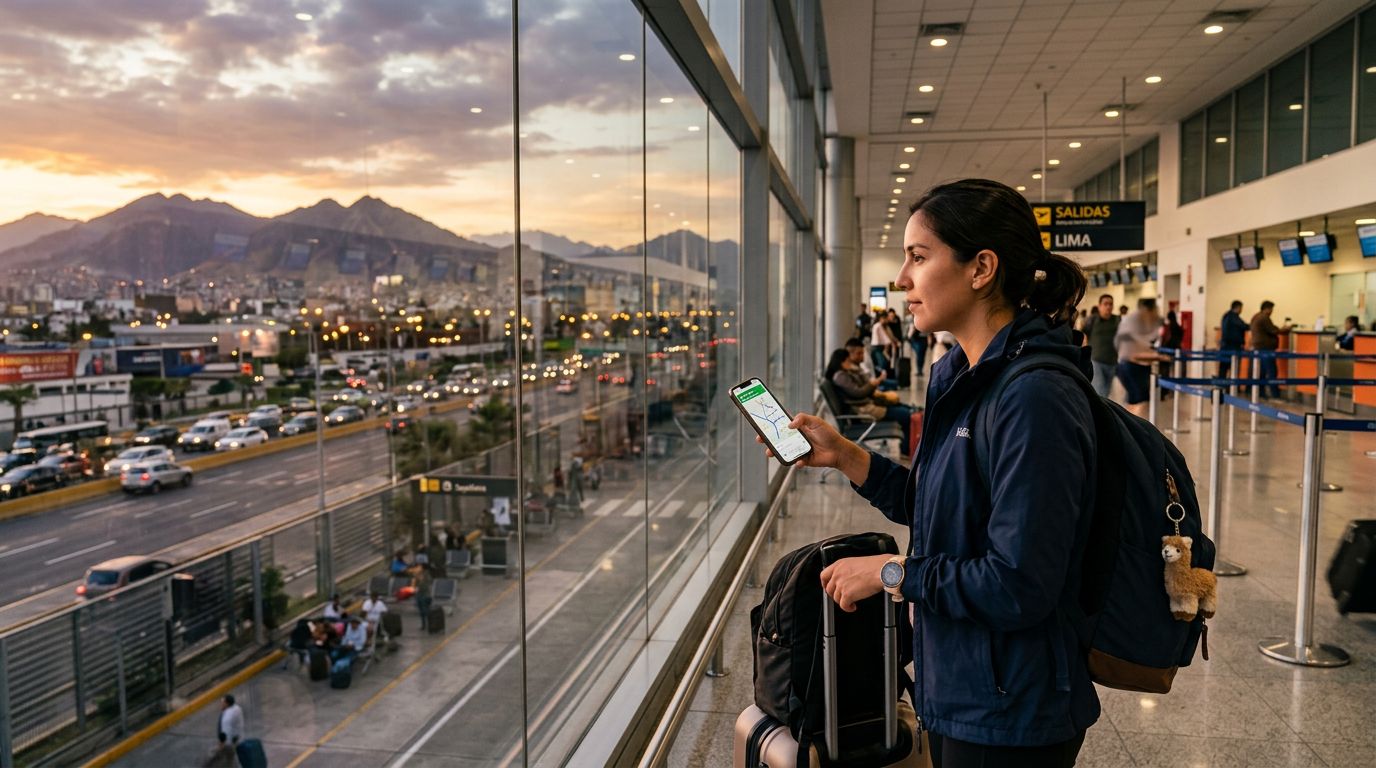
Peru has modernized its telecommunications infrastructure significantly over the past few years. Major local carriers have embraced eSIM technology, making it easier than ever for visitors to bypass the need for physical SIM cards. When you arrive in a new country, the traditional process of finding a kiosk, waiting in line, and swapping out your home SIM card can be tedious. With an eSIM, you can activate your data plan before your plane even touches down at Jorge Chávez International Airport.
OneTapSIM provides a seamless way to manage this transition. By utilizing an eSIM, you keep your primary phone number active for essential calls or texts while dedicating the eSIM profile to high-speed data. This dual-SIM functionality is standard on most modern smartphones, ensuring you remain reachable while enjoying the convenience of local data speeds. Whether you are navigating the winding roads of the Sacred Valley or checking train schedules for Machu Picchu, having a reliable data connection is essential for a smooth travel experience.
Why Choose an eSIM for Your Peruvian Adventure
The primary advantage of using an eSIM in Peru is the sheer convenience of instant connectivity. Physical SIM cards often require you to provide identification, register your device, and navigate language barriers at a local retail store. With an eSIM, the entire setup process is digital. You receive a QR code or an activation link, scan it with your phone, and your device configures itself to the local network.
Reliability is another major factor. When you rely on public Wi-Fi in cafes or hotels, you expose your personal information to potential security risks. Public networks are often unstable and slow, which can be frustrating when you are trying to upload photos or use navigation apps. By using a dedicated eSIM plan, you secure a private, consistent connection that follows you throughout your journey.
Furthermore, an eSIM allows you to manage your data usage effectively. You can monitor your consumption through your phone’s settings, ensuring you do not run out of data at a critical moment. If you find yourself using more data than expected, you can often add more through your provider’s interface without needing to visit a physical shop. For those traveling to remote areas, having a stable connection is not just about convenience; it is a safety measure. Being able to access maps, translation tools, and emergency services at any time provides peace of mind that is invaluable during international travel.
Compatibility and Setup Requirements
Before you commit to an eSIM for your trip, you must ensure your device is compatible. Most smartphones released in the last few years support eSIM technology. You can verify this by checking your phone’s settings menu under the cellular or mobile data section. If you see an option to "Add eSIM" or "Add Cellular Plan," your device is likely ready to go.
It is also vital to confirm that your phone is carrier-unlocked. Many mobile providers lock devices to their specific network, which prevents you from using an eSIM from a different provider or a local carrier. If your phone is locked, you will need to contact your home service provider to request an unlock before you travel. This is a common oversight that can lead to connectivity issues upon arrival.
The setup process is straightforward. Once you have purchased your OneTapSIM plan, you will receive instructions via email. You will typically need a stable internet connection—such as your home Wi-Fi—to download the eSIM profile. It is best to complete this step before leaving your home country. Once the profile is downloaded, you can toggle it off until you land in Peru. Upon arrival, simply turn on the eSIM line in your settings, ensure data roaming is enabled for that specific line, and your phone will automatically connect to the best available network in the region.
If you encounter any issues during the setup, most modern operating systems provide clear troubleshooting steps. You can manage your cellular settings to prioritize your eSIM for data while keeping your primary SIM for voice calls. This configuration ensures you avoid expensive roaming charges from your home carrier while enjoying the benefits of a local data connection. By verifying your device compatibility and completing the setup in advance, you ensure that your arrival in Peru is focused on exploration rather than technical troubleshooting.
Maximizing Your Connection Across Peru
Peru is a geographically diverse country, ranging from the coastal deserts to the high-altitude peaks of the Andes and the dense foliage of the Amazon basin. While major cities like Lima, Cusco, and Arequipa offer excellent 4G and 5G coverage, connectivity can become more intermittent in remote mountain passes or deep within the jungle.
To make the most of your eSIM, download offline maps for the regions you plan to visit. While your eSIM will provide reliable data in most populated areas, having offline access to navigation is a smart backup. Additionally, consider using messaging apps that rely on data rather than traditional SMS, as these will function perfectly over your eSIM connection.
When you use OneTapSIM, you are tapping into robust network partnerships that prioritize coverage in tourist-heavy areas. This means that whether you are checking into a boutique hotel in the Miraflores district or waiting for a bus to take you to the ruins of Ollantaytambo, you can expect a stable signal. Remember to keep your device charged, as searching for signals in remote areas can drain your battery faster than usual. Carrying a portable power bank is a recommended accessory for any traveler relying on their smartphone for maps, photography, and communication.
Ultimately, the answer to "does eSIM work in Peru?" is a definitive yes, and it is arguably the most efficient way to stay connected. By removing the physical barriers associated with traditional SIM cards, you gain the freedom to move through the country with confidence. Whether you are a solo traveler, a digital nomad, or a family on vacation, the flexibility and ease of an eSIM allow you to focus on the vibrant culture, history, and landscapes that make Peru a world-class destination.
Obtenha um eSIM para
Planos para os destinos abordados neste guia, com entrega instantânea por QR.