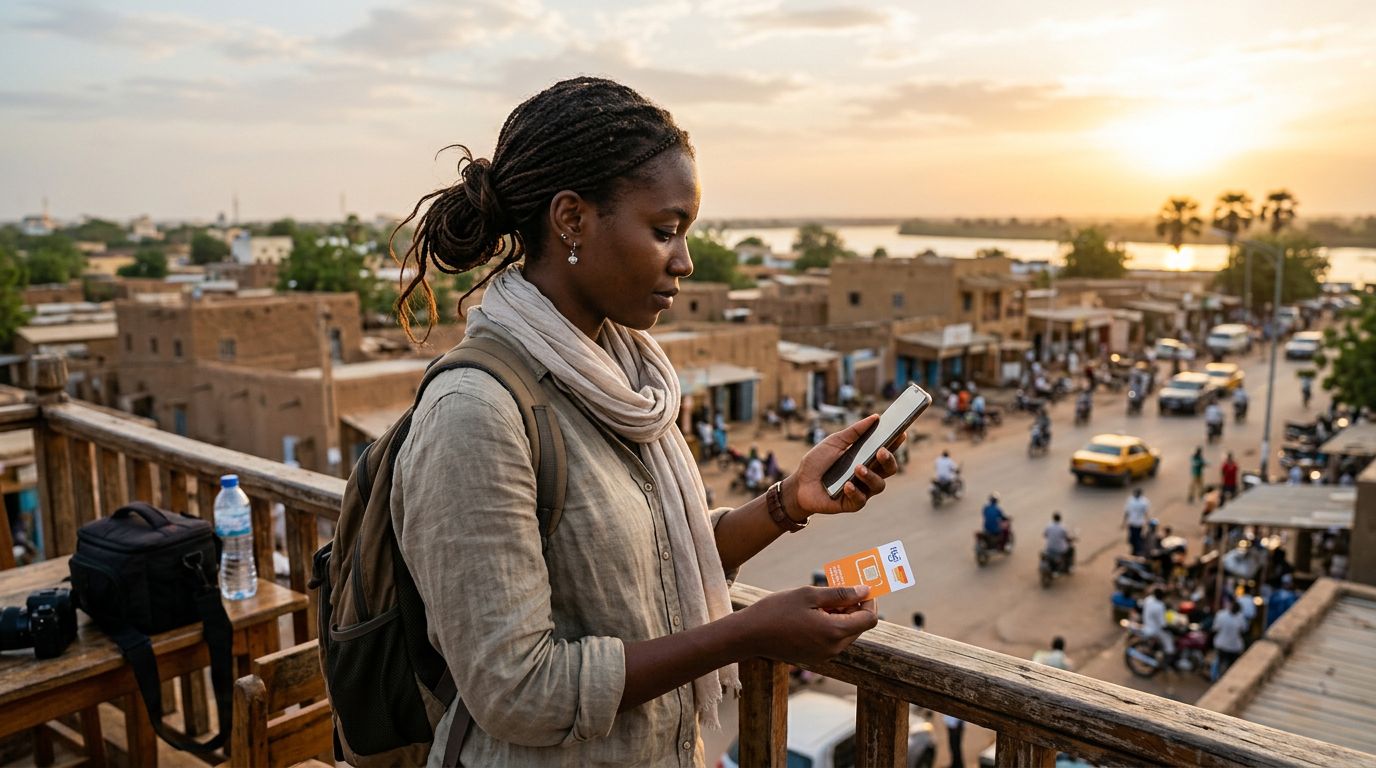
Understanding Connectivity Options for Your Trip to Chad
When planning a journey to Chad, one of the most critical logistical steps is ensuring you have reliable mobile connectivity. Whether you are traveling for business in N'Djamena or embarking on an expedition to the Ennedi Plateau, staying connected is essential for safety, navigation, and keeping in touch with home. Travelers typically face a choice between the traditional physical SIM card and the modern eSIM technology.
A physical SIM card is the standard plastic chip you insert into your phone. In Chad, this involves finding a local mobile network operator’s retail outlet, presenting your passport for registration, and manually swapping your existing card. While this method has been the norm for decades, it requires physical presence at a shop, which can be time-consuming after a long flight.
An eSIM, or embedded SIM, is a digital version of that physical chip. It is built directly into the hardware of modern smartphones. Instead of handling a tiny piece of plastic, you download a profile that connects your device to a local network. This transition represents a significant shift in how international travelers manage their data needs. Comparing a Chad SIM card vs eSIM involves looking at convenience, security, and the flexibility of your mobile setup.
The Pros and Cons of Physical SIM Cards
The traditional physical SIM card remains a common choice for many travelers. Because Chad has a well-established network of local providers, purchasing a card upon arrival is a straightforward process for those who prefer tangible assets. You walk into a store, select a plan, and walk out with a connection.
However, there are notable drawbacks. The first is the potential for language barriers and long queues at airport kiosks or city-center shops. You must also manage the physical logistics: keeping your original SIM card safe while it is out of your phone is a common point of anxiety for travelers. If you lose your home SIM card, you face a complicated process to replace it once you return home.
Furthermore, physical SIM cards are prone to wear and tear. If the chip is damaged or the tray on your phone becomes misaligned, you could be left without service entirely. For those who travel frequently to multiple countries, carrying a collection of plastic cards can be cumbersome. If you are someone who prefers to have your phone fully functional the moment you land, the traditional route may feel like an unnecessary hurdle in your travel itinerary.
Why eSIMs Are Changing the Travel Experience
The rise of eSIM technology has simplified the way we approach international roaming. With an eSIM, you can often set up your data connection before you even leave your home country. By using a service like OneTapSIM, you can secure your connection in advance, ensuring that you have access to maps, messaging apps, and ride-sharing services the moment your plane touches down in Chad.
One of the primary advantages of an eSIM is the ability to keep your home number active. Because the eSIM functions as a secondary line, you can continue to receive important SMS messages or calls on your primary number while using the eSIM for local data. This dual-SIM capability is a major benefit for business travelers who cannot afford to be disconnected from their primary contacts but need a local connection to avoid exorbitant roaming charges.
Security is another factor that favors the eSIM. Because there is no physical card to remove or lose, the risk of theft or damage is significantly reduced. Everything is managed through your phone's settings. If you need to switch between different data plans or manage your usage, you can do so through a user-friendly interface rather than physically manipulating your device.
For those who value efficiency, the eSIM eliminates the need to hunt for a vendor in a foreign city. You avoid the registration paperwork that often accompanies the purchase of a local physical SIM card, as many digital providers streamline the verification process. This allows you to focus on your trip rather than spending your first few hours in Chad standing in line at a mobile shop.
Making the Right Choice for Your Travel Style
When deciding between a Chad SIM card vs eSIM, consider your specific needs and your device compatibility. First, verify that your smartphone is compatible with eSIM technology. Most flagship devices from major manufacturers released in the last few years support this feature. You can check your device settings or the manufacturer's support pages to confirm if your phone is carrier-unlocked and eSIM-ready.
If you are a minimalist traveler who values convenience, the eSIM is almost certainly the superior choice. It removes the stress of finding a shop, managing physical hardware, and dealing with potential language barriers at a retail counter. It provides a seamless transition from your home network to a local network, allowing you to hit the ground running.
On the other hand, if you are using an older device that does not support eSIM technology, or if you prefer to have a local phone number that can be used for local voice calls and SMS in Chad, a physical SIM card might be necessary. Some local services in remote areas may still rely heavily on traditional SMS-based systems, and having a local number can sometimes be beneficial for interacting with local guides or booking services that require a domestic phone number.
In summary, the choice depends on your technical setup and your preference for convenience. If your phone supports it, the digital route offers a level of ease that is hard to match. By preparing your connectivity in advance, you ensure that your trip to Chad is defined by your experiences on the ground rather than the time spent troubleshooting your mobile connection. Whether you choose the traditional path or the modern digital alternative, the most important thing is to have a plan in place before you arrive so you can explore with confidence.
Obtenha um eSIM para
Planos para os destinos abordados neste guia, com entrega instantânea por QR.