Understanding Connectivity Options in Bosnia and Herzegovina
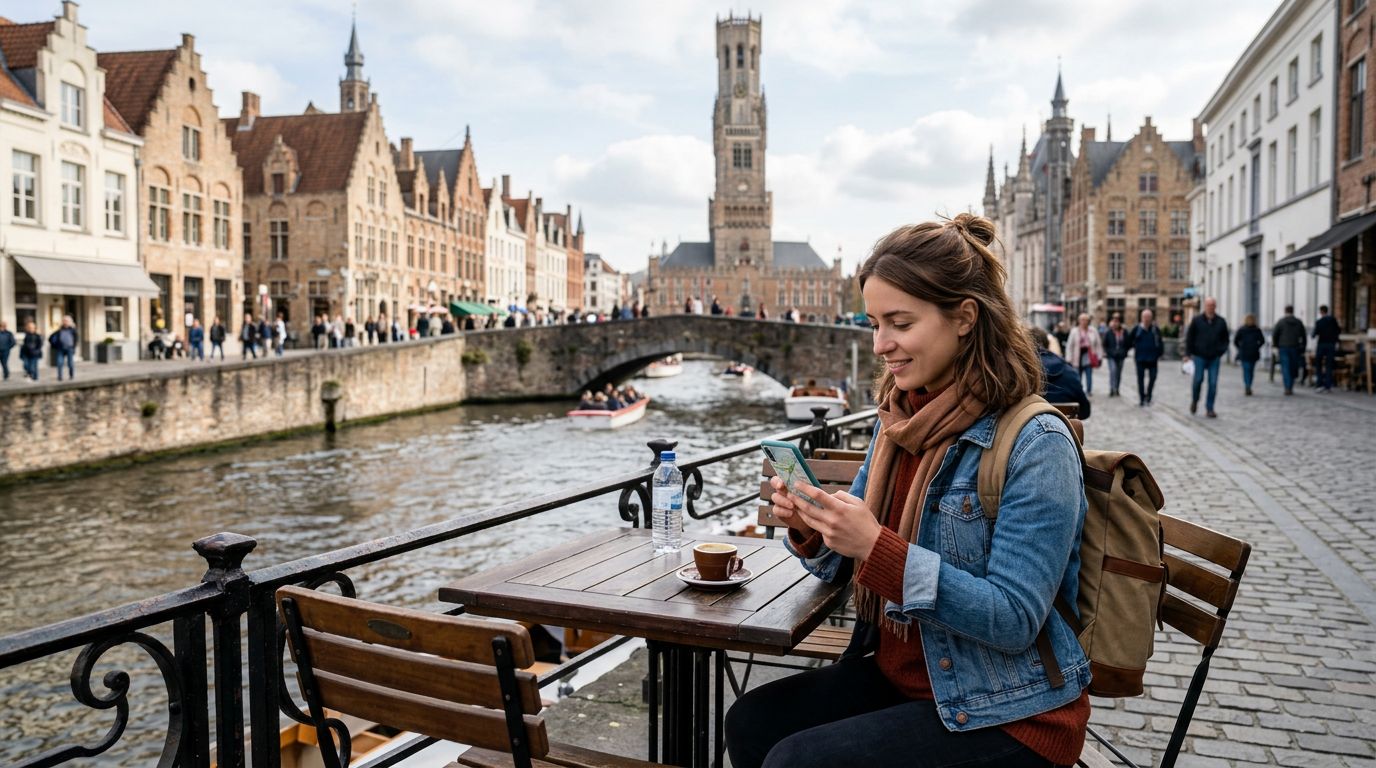
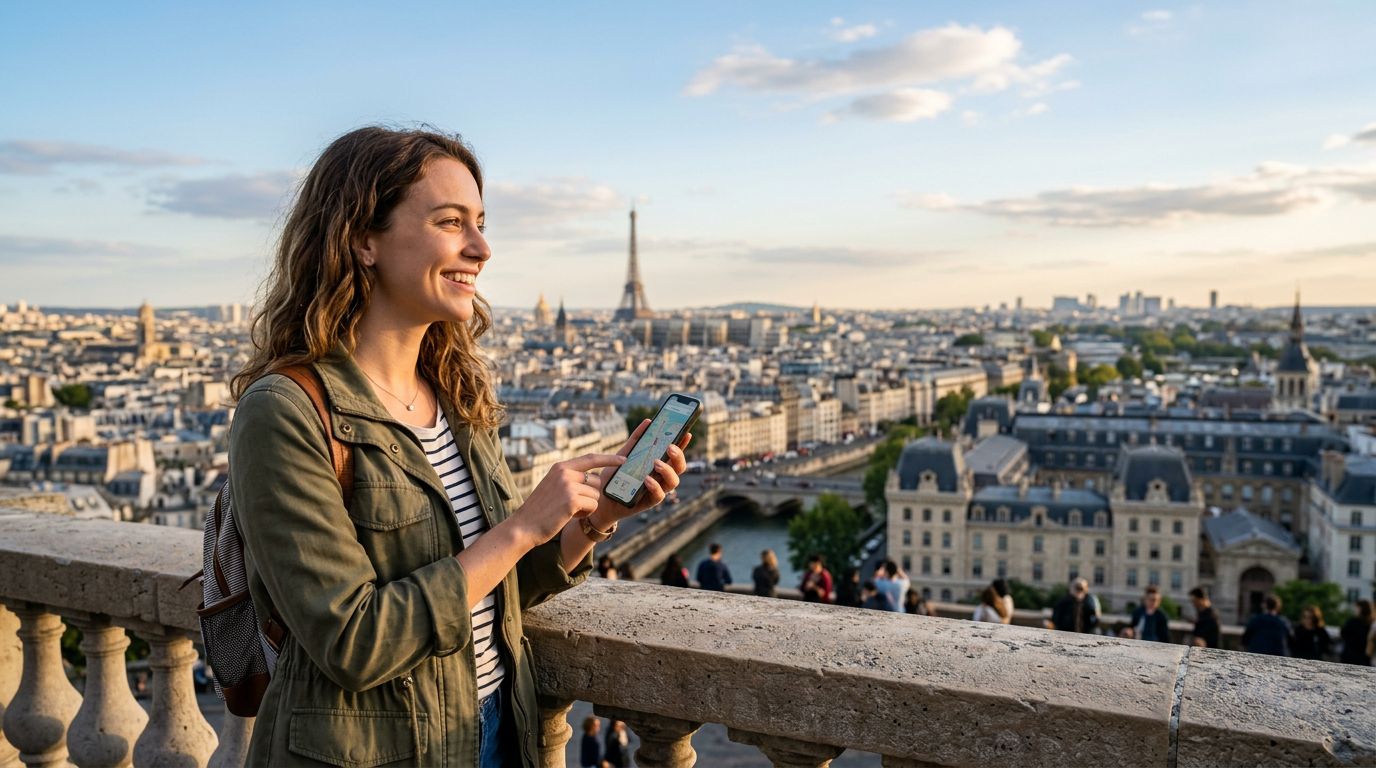
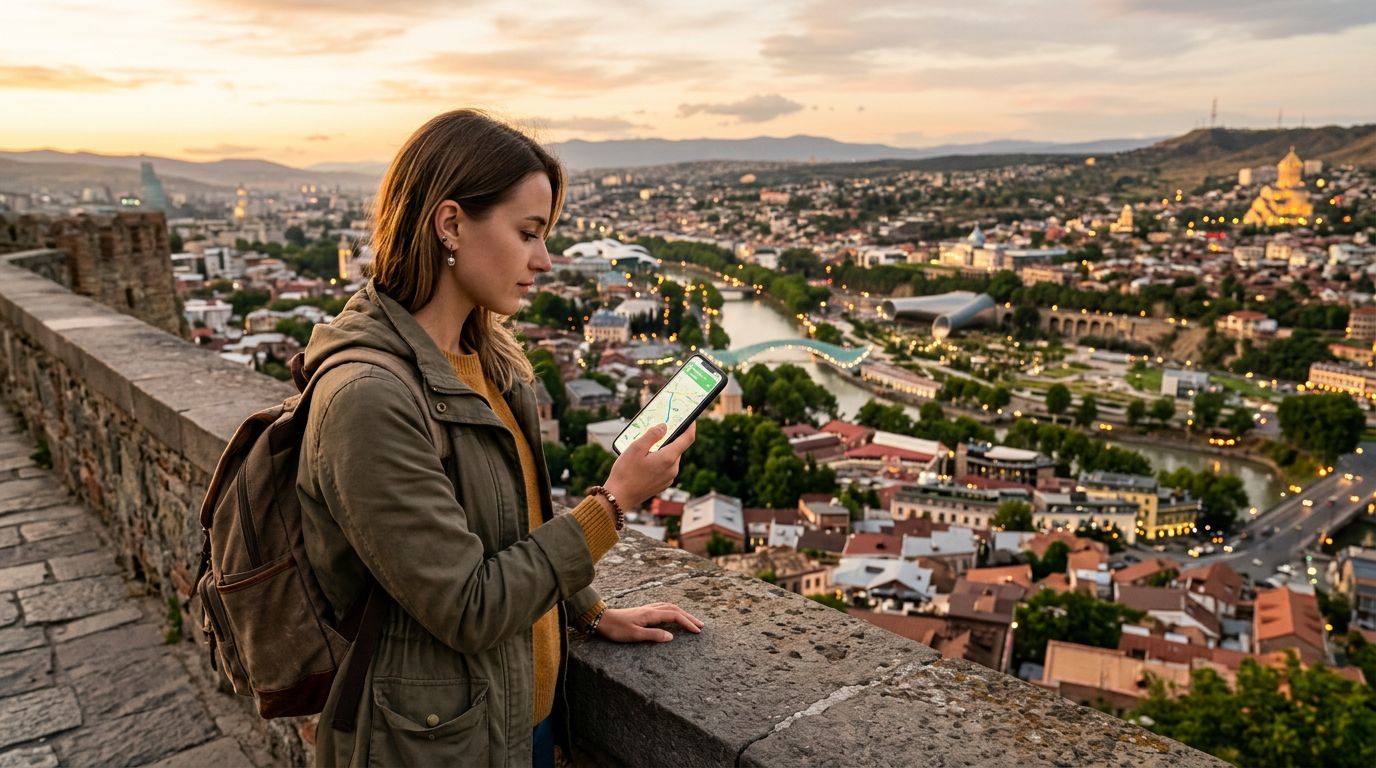
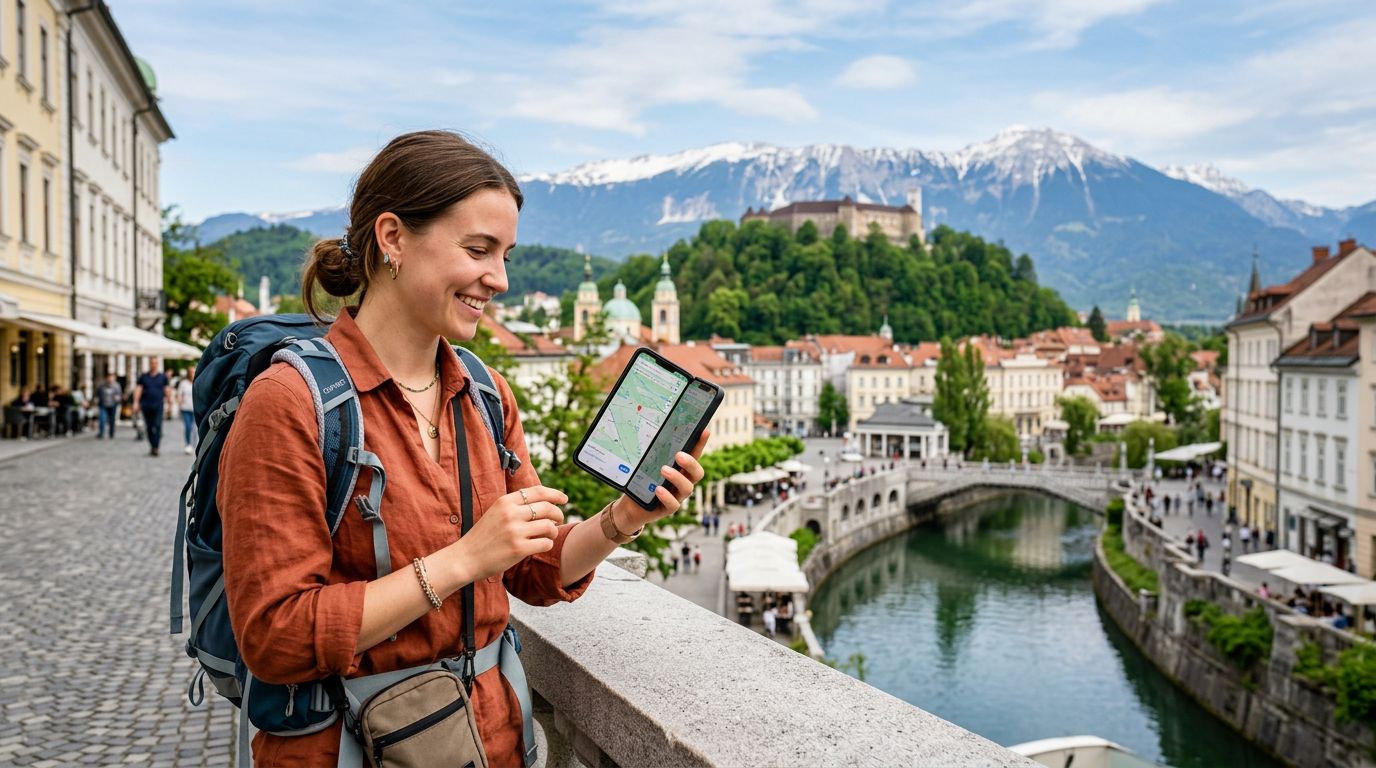
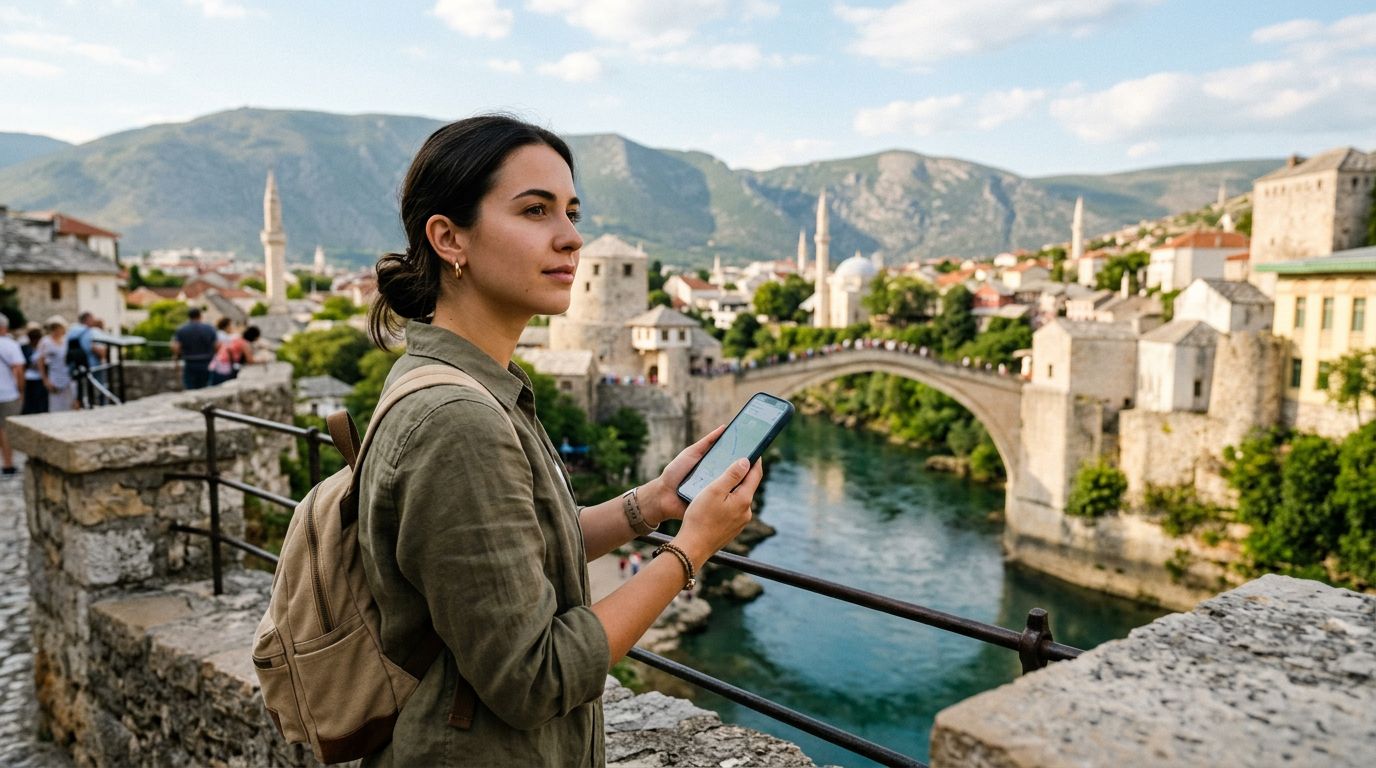
Planning a trip to Bosnia and Herzegovina offers a journey through stunning landscapes, historic Ottoman architecture, and vibrant cultural hubs. Whether you are wandering through the cobblestone streets of Sarajevo’s Baščaršija or admiring the iconic Stari Most in Mostar, staying connected is essential for maps, translation apps, and sharing your travel experiences. When preparing for your trip, you will encounter the choice between a traditional physical SIM card and the modern eSIM technology.
A physical SIM card is the standard plastic chip that has been the backbone of mobile connectivity for decades. To use one in Bosnia and Herzegovina, you typically visit a local mobile provider’s store upon arrival, present your passport for registration, and insert the card into your device. While this method is reliable, it requires you to physically swap out your home SIM card, which creates a risk of losing or damaging the tiny piece of plastic.
In contrast, an eSIM—or embedded SIM—is a digital version of the traditional card. It is built directly into the hardware of modern smartphones. Instead of visiting a physical store or waiting for a shipment, you activate an eSIM by scanning a QR code or entering details provided by your service provider. This process allows you to maintain your home number for calls or texts while using a separate data plan for your travels. For many travelers, this convenience makes the digital route the superior choice for a seamless arrival.
Comparing Convenience and Setup Processes
The primary difference between these two options lies in the setup experience. With a physical SIM card, you are bound by the operating hours of local kiosks or mobile shops. If you arrive at the airport late at night or on a public holiday, you might find yourself without connectivity until you can locate an open shop. Furthermore, language barriers at local stores can sometimes complicate the registration process, as you may be required to fill out paper forms or navigate local contracts.
The eSIM process is designed to be completed before you even board your plane. By purchasing a plan through a service like OneTapSIM, you can receive your activation instructions via email well in advance. Once you land in Sarajevo or any other point of entry, you simply enable the eSIM in your phone settings. There is no need to hunt for a shop, wait in line, or carry a paperclip to eject your SIM tray.
From a hardware perspective, it is important to ensure your device is compatible. Most flagship smartphones released in the last few years support eSIM functionality. You can verify your device's capabilities through your manufacturer’s official support pages, such as those provided by Apple or Google. If your phone is carrier-locked, you may be unable to use an eSIM from a third-party provider, so it is a good idea to check your status with your home carrier before leaving. By opting for an eSIM, you avoid the physical clutter of multiple SIM cards and the anxiety of managing a small, easily misplaced object throughout your journey.
Performance, Coverage, and Practical Considerations
When comparing a Bosnia and Herzegovina SIM card vs eSIM, travelers often worry about signal quality. It is a common misconception that eSIMs provide a different level of service than physical cards. In reality, an eSIM connects to the same local cellular towers as a physical SIM. If a specific provider has excellent coverage in the mountainous regions of Herzegovina or the urban centers of the north, that coverage remains identical regardless of whether the profile is on a plastic chip or a digital eSIM.
One significant advantage of using an eSIM is the ability to manage multiple profiles. If your travels take you across borders into neighboring countries, you can easily switch between different regional eSIM plans without needing to physically swap hardware. This flexibility is particularly useful for travelers on multi-country European tours.
Data management is also more intuitive with digital solutions. Most smartphones allow you to track your data usage directly within the settings menu, helping you avoid unexpected overages. If you find yourself running low on data while exploring the waterfalls of Kravica or the historic sites in Jajce, you can often top up your plan digitally through your provider's interface.
Ultimately, the choice comes down to your personal comfort with technology and your specific travel needs. For those who prefer a hands-on, traditional approach and do not mind a short visit to a local store, a physical SIM card remains a functional option. However, for the modern traveler who values time, efficiency, and the ability to arrive in a new country with an active internet connection, the eSIM is the clear winner. By choosing a digital solution, you spend less time managing your phone settings and more time enjoying the hospitality and beauty of Bosnia and Herzegovina. Whether you are looking to navigate the winding roads of the Dinaric Alps or find the best local coffee shop, having a reliable connection that works the moment you step off the plane makes all the difference.
Obtenha um eSIM para
Planos para os destinos abordados neste guia, com entrega instantânea por QR.