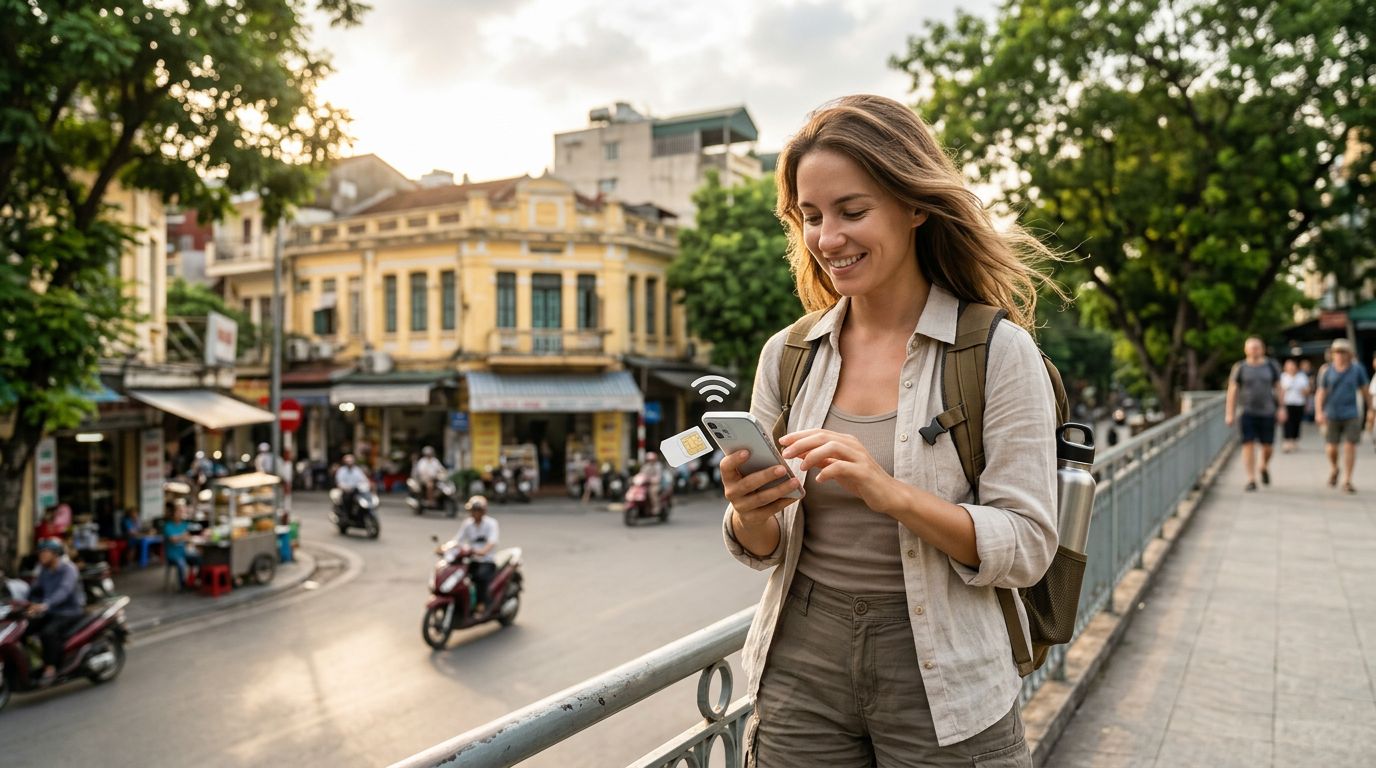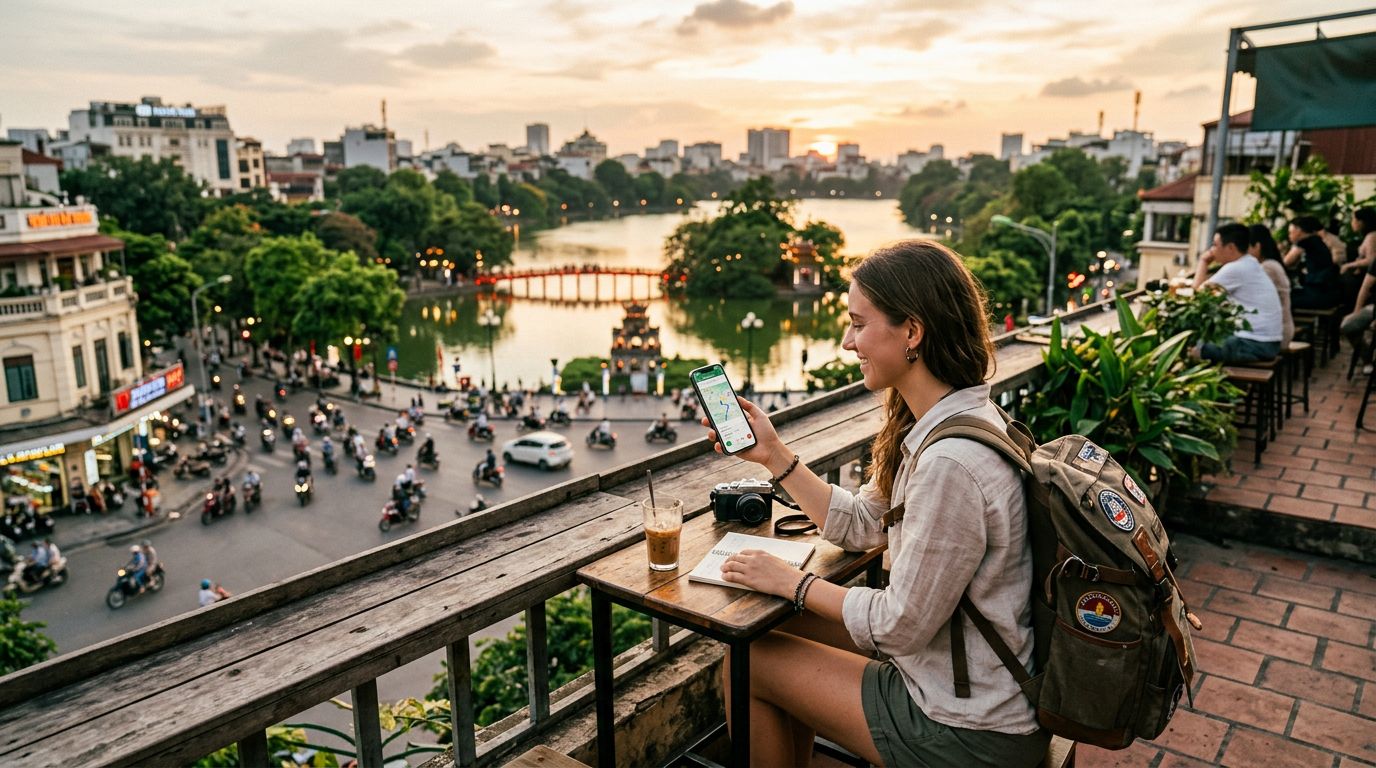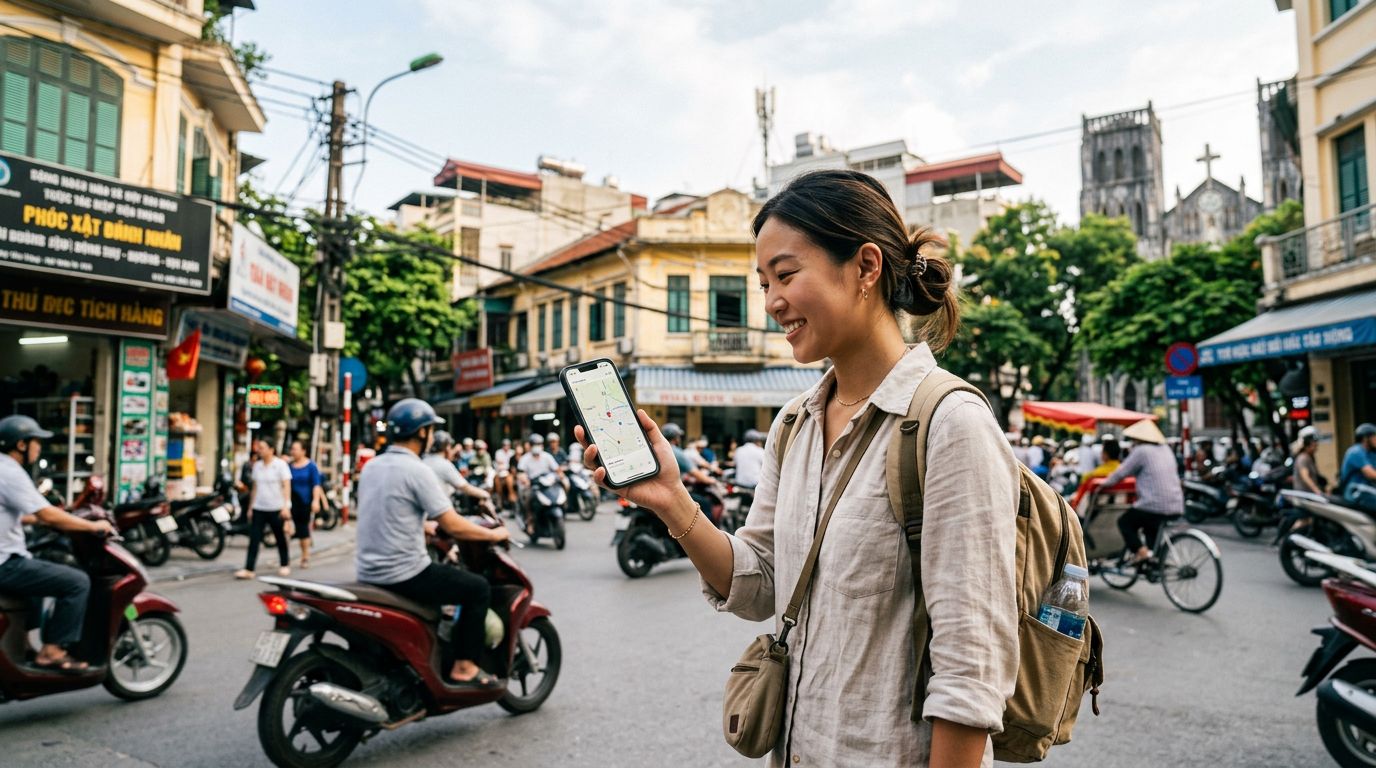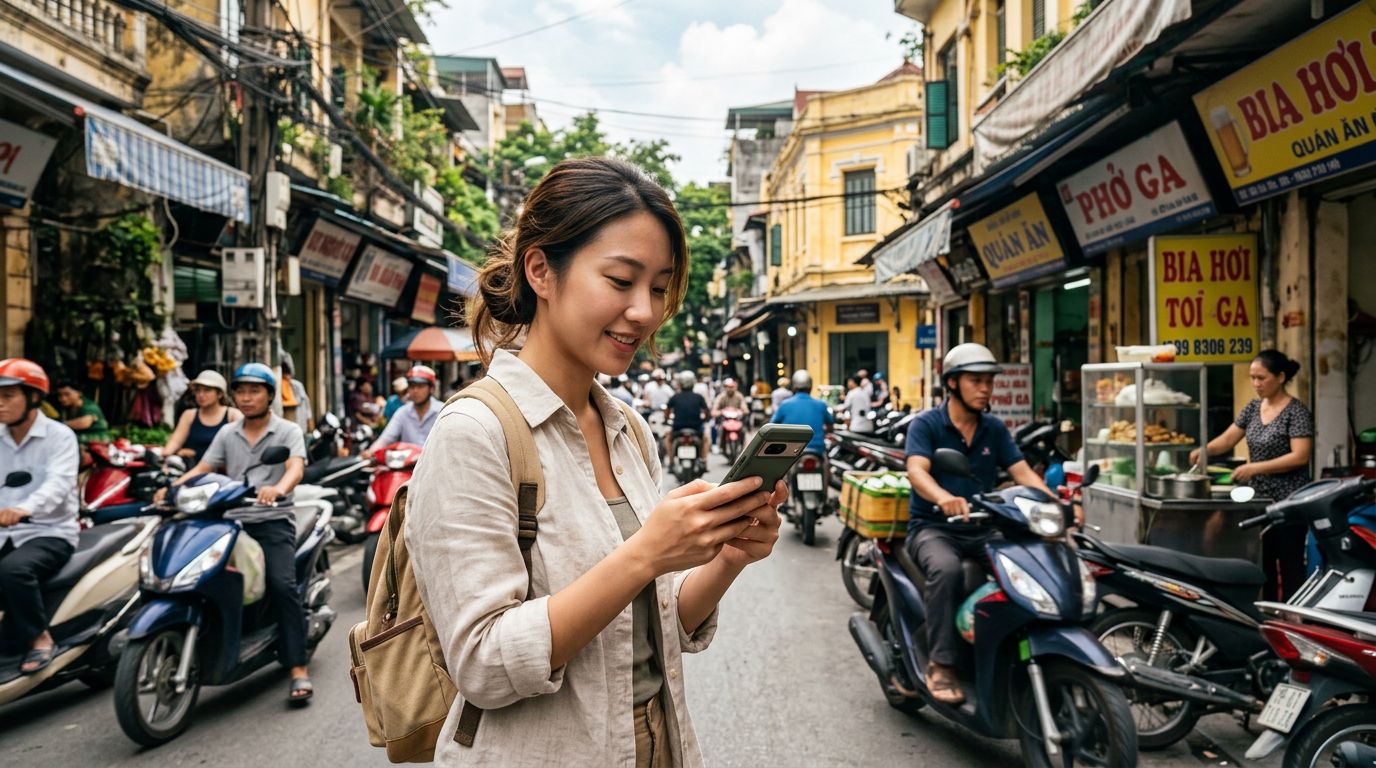
Vietnam is a country of breathtaking landscapes, from the limestone karsts of Ha Long Bay to the vibrant, bustling streets of Ho Chi Minh City. Whether you are planning a trekking trip through the northern mountains or a relaxing getaway on the beaches of Da Nang, staying connected is essential. Having reliable internet access allows you to use navigation apps, translate menus, book transport, and share your experiences in real-time. Finding the best way to get data in Vietnam can seem overwhelming at first, but understanding your options will ensure you stay online without unnecessary stress.
Understanding Your Connectivity Options
When you arrive in Vietnam, you have several choices for accessing the internet. Traditionally, many travelers relied on physical SIM cards purchased at the airport or local kiosks. While this method is familiar, it often involves waiting in lines, swapping out your primary SIM card, and risking the loss of your original card.
Another option is relying on public Wi-Fi. While cafes and hotels in major cities offer decent connectivity, relying on public networks is rarely practical for a traveler on the move. Public Wi-Fi lacks the security needed for banking or sensitive communications, and it is entirely unavailable when you are traveling between cities or exploring remote rural areas.
Roaming with your home carrier is often the most convenient choice in terms of setup, but it is frequently the most expensive. Many domestic carriers charge high daily rates for international data, and you may find your speeds throttled or your access restricted depending on your specific contract.
This is where eSIM technology changes the landscape for international travel. An eSIM, or embedded SIM, is a digital version of a traditional SIM card. It is built directly into the hardware of modern smartphones. Because it is digital, you can activate a data plan before you even board your plane. This allows you to land in Vietnam and have immediate access to local networks without visiting a store or handling tiny plastic cards.
Why eSIMs Are the Superior Choice for Vietnam
The primary advantage of using an eSIM is the seamless transition it provides. By choosing a provider like OneTapSIM, you can manage your connectivity directly from your device. Once you purchase a plan, you receive a digital profile that you install on your phone. As soon as your plane touches down in Hanoi or Da Nang, your phone switches to the local network automatically.
This method is significantly more secure than searching for public hotspots. You maintain a private, encrypted connection that follows you wherever you go, whether you are navigating the chaotic traffic of a motorbike tour or checking train schedules at a station. Furthermore, using an eSIM allows you to keep your primary phone number active for calls or messages from home while dedicating your eSIM data plan specifically for your internet needs.
Compatibility is rarely an issue for modern travelers. Most smartphones released in the last few years support this technology. You can verify your device's capabilities by checking the official documentation provided by your phone manufacturer on their support pages. If your device is unlocked and eSIM-compatible, you are ready to benefit from this technology. The simplicity of the installation process means you spend less time configuring settings and more time enjoying the local cuisine and scenery.
Tips for a Smooth Digital Experience
To ensure you have the best experience while traveling through Vietnam, there are a few practical steps to take before and during your trip. First, confirm that your phone is carrier-unlocked. If your device is locked to a specific network provider, it may not accept an eSIM from a third-party service. Contacting your home carrier before you leave is the best way to resolve any locking issues.
Once you have your eSIM installed, keep an eye on your data usage. While many plans offer generous amounts of data, streaming high-definition video or downloading large files can consume your allowance quickly. If you find yourself using a lot of data, you can often monitor your usage through your phone’s settings menu. If you are using a service like OneTapSIM, you can easily manage your connection status to ensure you stay within your limits.
It is also wise to download offline maps of the cities you plan to visit. Even with excellent network coverage, having a backup map ensures you never get lost in a new neighborhood. Additionally, consider adjusting your phone’s background app refresh settings. Many applications update in the background, consuming data without your knowledge. By restricting this, you extend the life of your data plan and your battery.
Finally, remember that the quality of your connection can fluctuate depending on your geography. Vietnam has made significant strides in network infrastructure, and you will find strong 4G and 5G signals in urban centers. However, if you are heading deep into the highlands or remote islands, expect some variability in signal strength. Planning your data-heavy tasks for when you are in a major town will help you make the most of your connection.
By preparing your digital setup in advance, you remove one of the most common hurdles of international travel. Instead of hunting for a physical shop or worrying about roaming charges, you can focus on the reason you came to Vietnam: to explore its culture, history, and natural beauty. With a reliable eSIM, you have the freedom to roam confidently, knowing that your connection is as mobile as you are.
Obtenha um eSIM para
Planos para os destinos abordados neste guia, com entrega instantânea por QR.