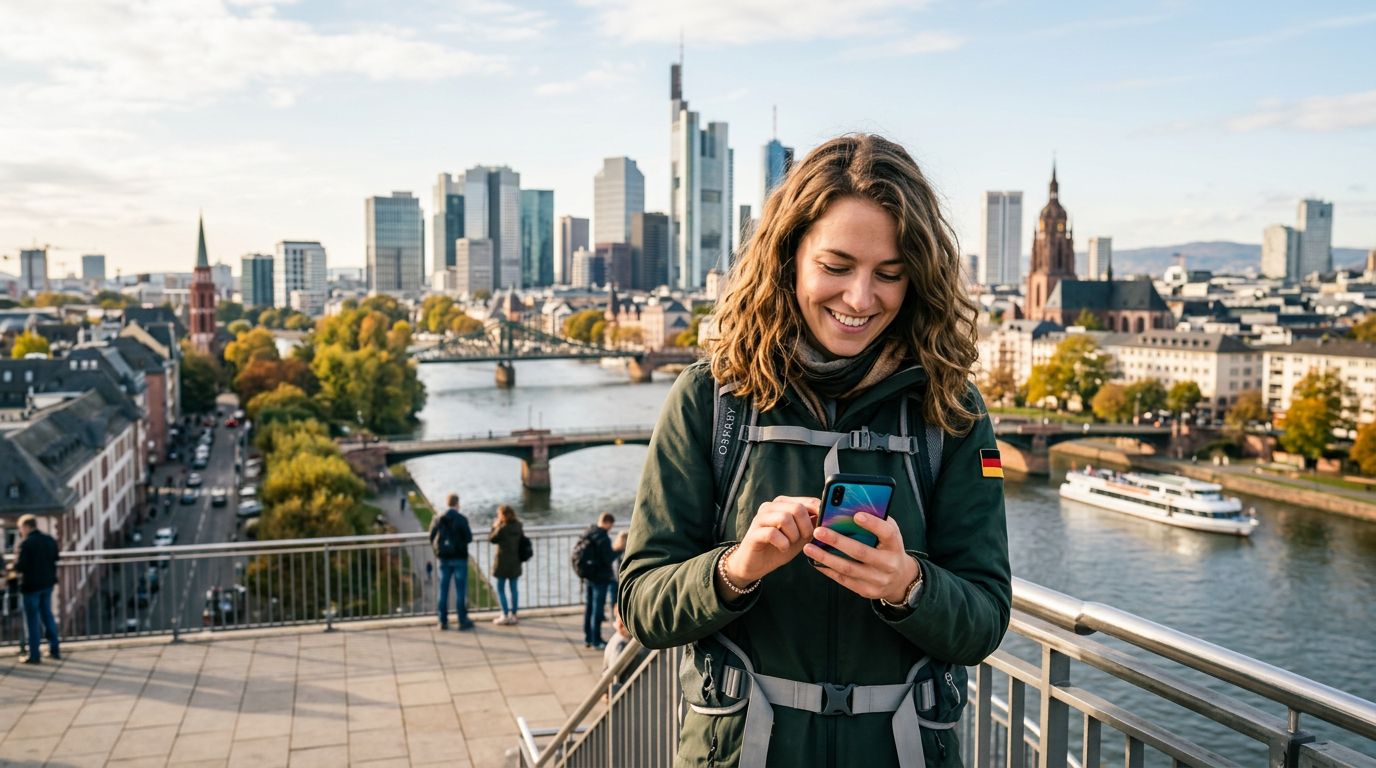
Understanding Connectivity Options for Your Swedish Adventure
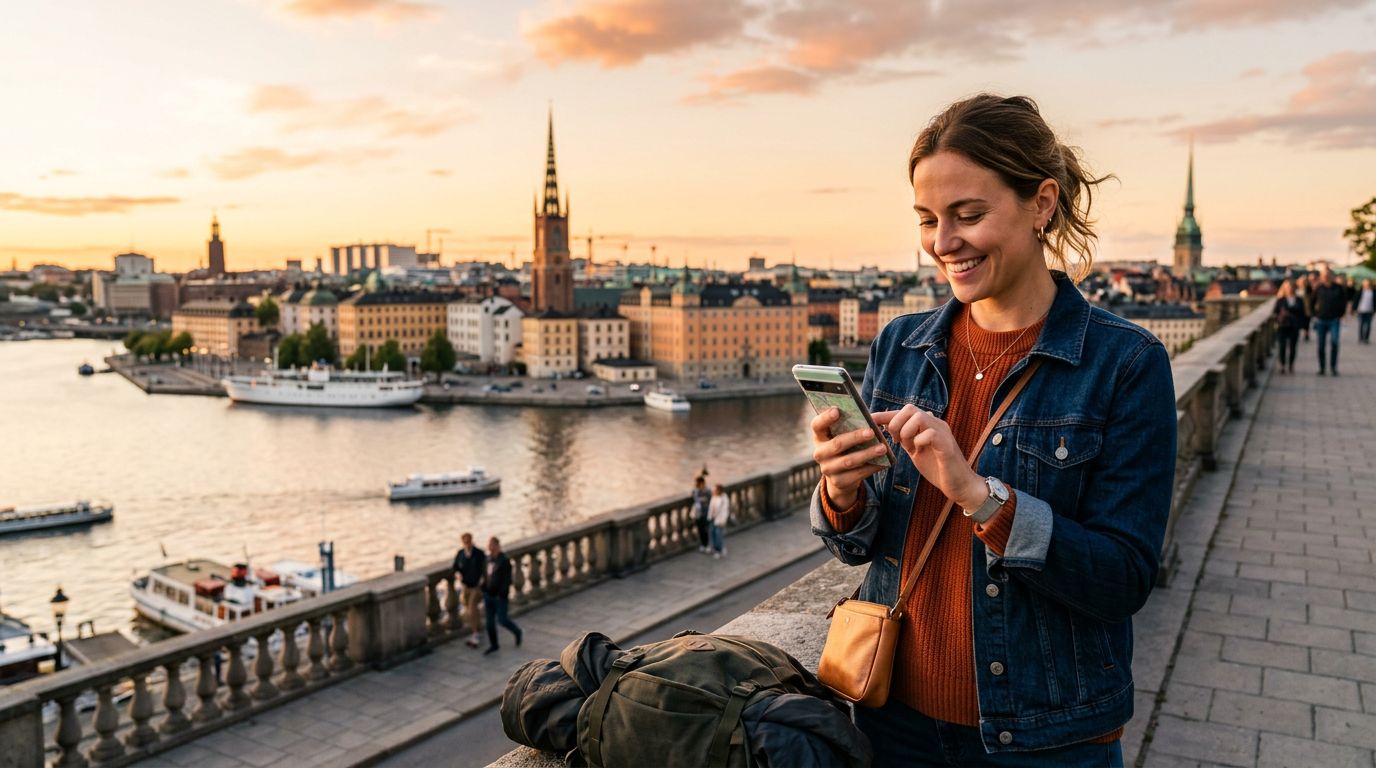
Planning a trip to Sweden often involves mapping out routes between Stockholm’s historic Gamla Stan, the archipelagos, and the northern wilderness of Lapland. While you might be focused on packing the right layers for the weather, ensuring you have a reliable internet connection is equally important. Whether you need to check train schedules, navigate public transit, or share photos of the Northern Lights, having a stable data connection is essential.
Travelers often find themselves weighing several options for staying connected. Traditional methods like roaming with your home carrier are frequently the most expensive, often resulting in unexpected charges once you return home. Another common approach is purchasing a local physical SIM card upon arrival. While this is a traditional way to get connected, it requires finding a retail store, navigating language barriers, and physically removing your home SIM card—an easy item to lose while traveling.
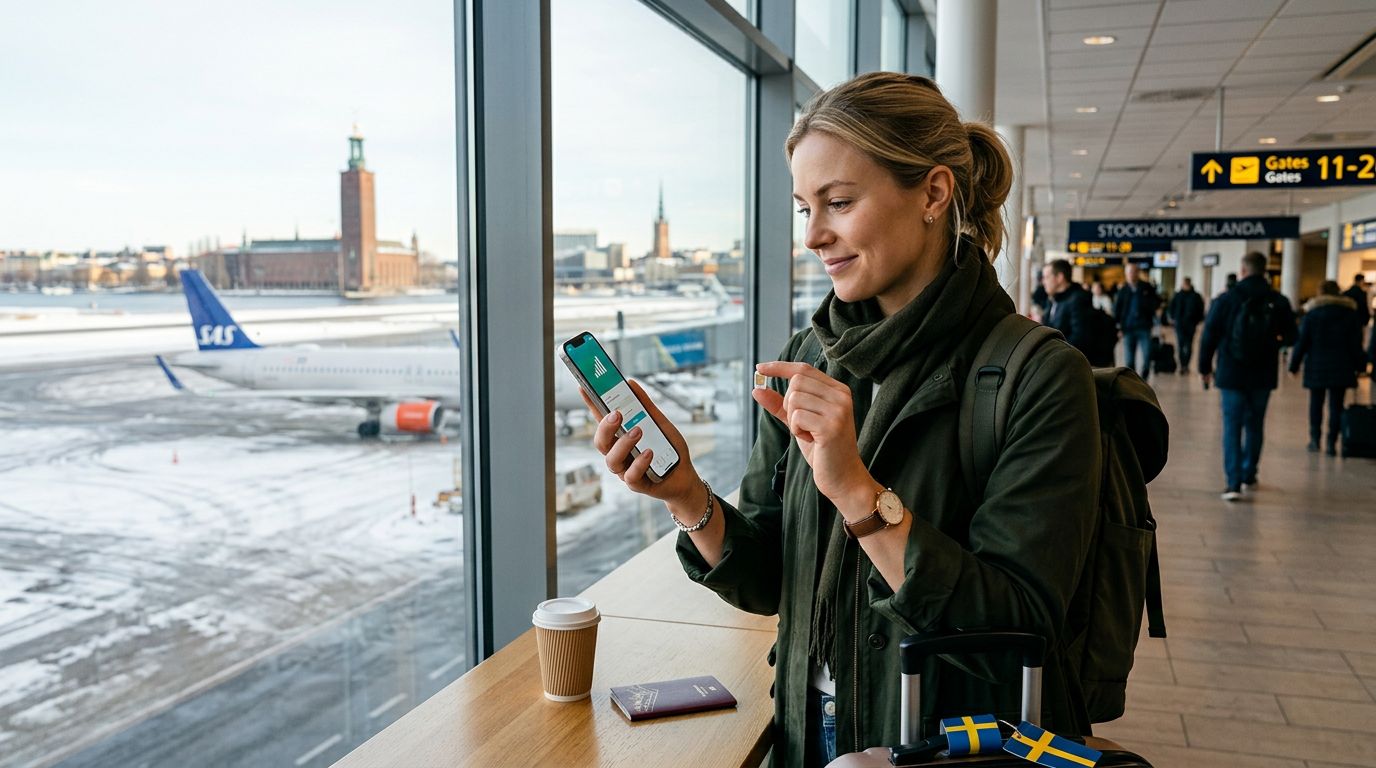
The modern alternative that has gained significant popularity is the eSIM. An eSIM is a digital version of a physical SIM card that is embedded directly into your device. Because it is software-based, you can activate your data plan before you even board your flight. This ensures that the moment your wheels touch down in Sweden, you are ready to go. For those seeking the best way to get data in Sweden without the hassle of physical swaps or roaming fees, digital solutions offer a seamless experience.
Why eSIM Technology is Changing Travel
The primary advantage of using an eSIM is convenience. Because the process is entirely digital, you avoid the need to visit a kiosk at the airport or hunt for a mobile shop in a city center. You can manage your connectivity directly from your smartphone settings. This technology is compatible with most modern smartphones, allowing you to keep your primary number active for calls or texts while using a secondary eSIM specifically for high-speed data.
When you use a service like OneTapSIM, the installation process is designed to be straightforward. Once you select your plan, you receive instructions to add the eSIM to your device. This process typically involves scanning a QR code or entering details manually in your phone’s cellular settings. Because you are not dealing with a physical piece of plastic, there is no risk of damaging your phone’s SIM tray or losing your home SIM card in a foreign country.
Another benefit is the ability to manage multiple profiles. If you are traveling through several countries in Europe, you can often manage your data needs through a single platform. This flexibility allows you to switch between networks or add more data if your usage patterns change during your trip. By choosing an eSIM, you are opting for a cleaner, more efficient way to stay connected, leaving you more time to enjoy the Swedish landscape rather than worrying about technical logistics.
Practical Tips for Staying Connected in Sweden
Sweden is a highly digitized society, where even small purchases or public transportation tickets often require a smartphone. To make the most of your trip, it is helpful to prepare your device before you leave home. First, ensure that your phone is carrier-unlocked. If your device is locked to a specific network provider, it will not be able to accept an eSIM from another carrier, regardless of the technology. You can usually check this by contacting your home carrier or checking the settings menu on your device.
Once you have confirmed your phone is unlocked, consider how much data you actually need. If you plan on using navigation apps, checking social media, and looking up local recommendations, a moderate data plan is usually sufficient. However, if you plan on streaming high-definition video or participating in video calls, you should opt for a plan with a higher data allowance to avoid slowing down your connection.
During your time in Sweden, keep an eye on your data usage through your phone’s built-in settings. Most smartphones provide a breakdown of which apps are consuming the most data. If you find yourself running low, you can often top up your data plan through your provider’s app or website. Remember to download offline maps for the areas you plan to visit, particularly if you are heading into more remote regions where cellular signals might fluctuate.
Finally, consider the power consumption of your device. Using cellular data, especially in areas with a weak signal, can drain your battery faster than usual. Carrying a portable power bank is a wise move, especially if you are spending long days exploring the outdoors. By combining a reliable eSIM solution with a bit of preparation, you ensure that your trip to Sweden remains stress-free and fully connected. Whether you are wandering through the streets of Gothenburg or visiting a remote village in the north, having the right data plan allows you to focus on the experience rather than the technology behind it.
Obtenha um eSIM para
Planos para os destinos abordados neste guia, com entrega instantânea por QR.