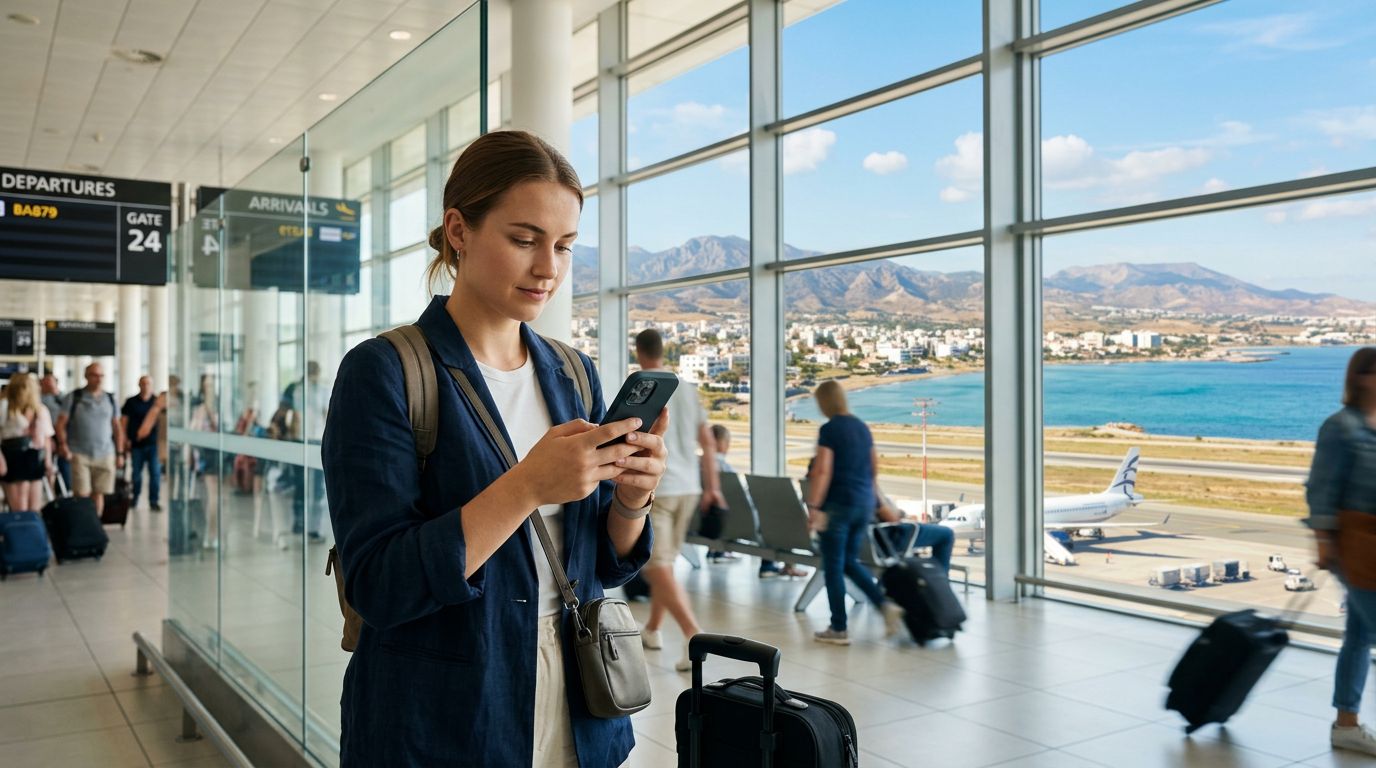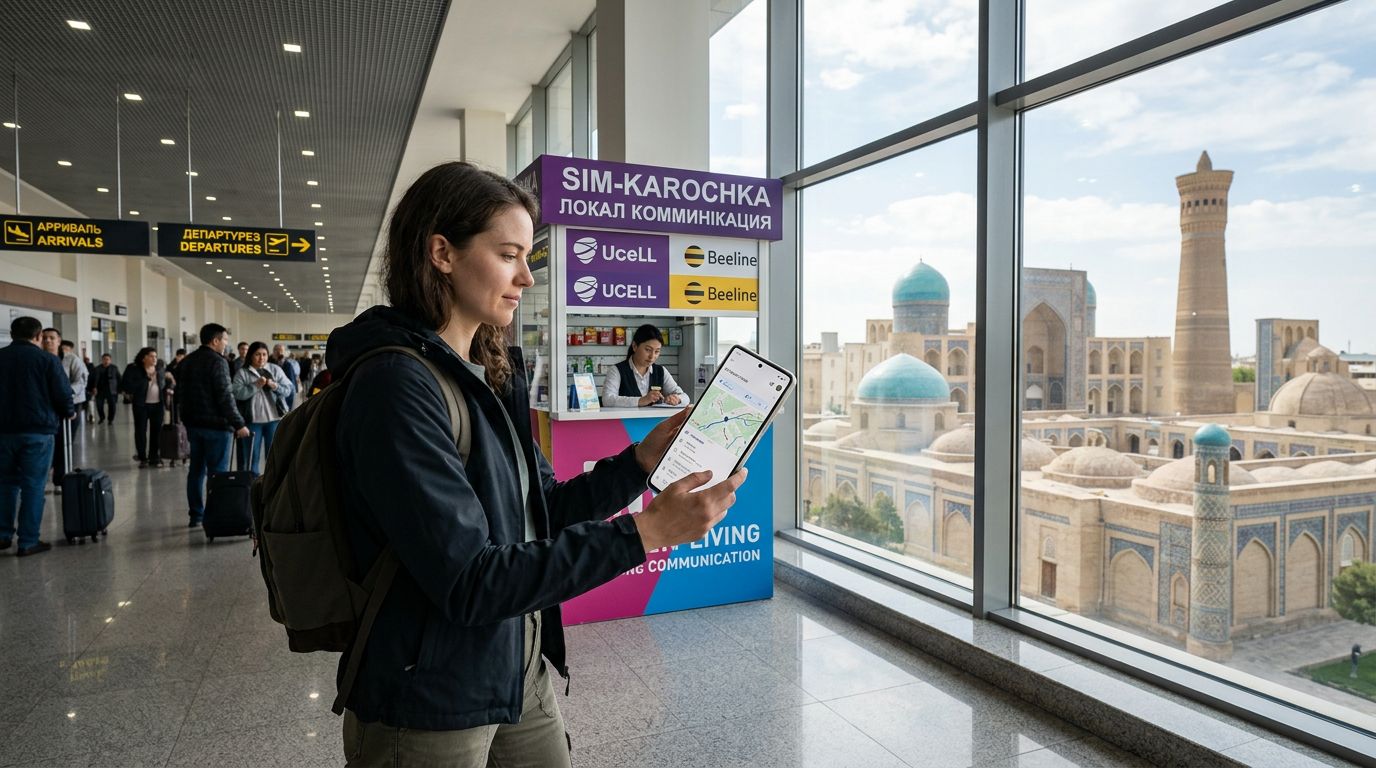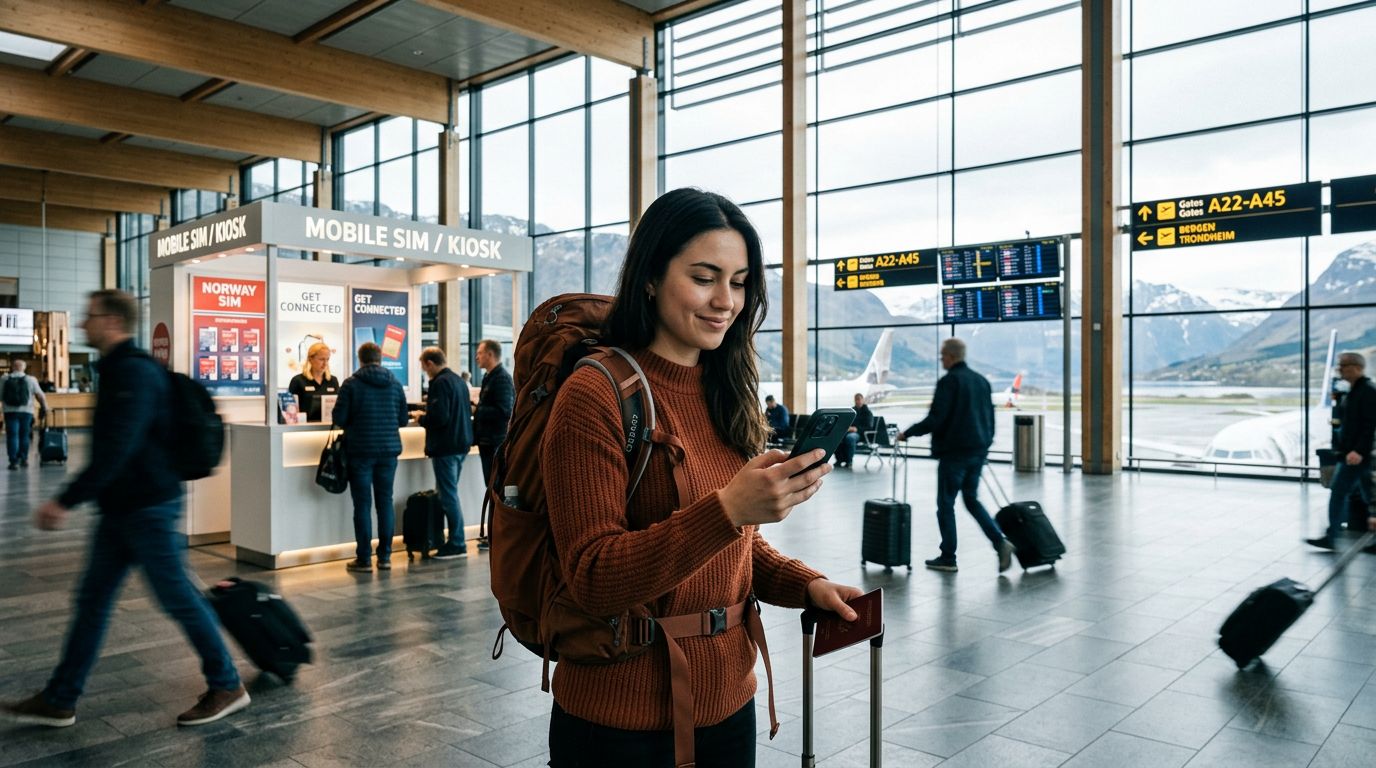
Traveling to Norway is an experience defined by dramatic fjords, vibrant cities like Oslo and Bergen, and the ethereal beauty of the Northern Lights. However, staying connected while traversing this rugged landscape requires a reliable mobile data plan. For years, the traditional method for international travelers was to land at the airport, head to a kiosk, and purchase a physical SIM card. Today, the rise of eSIM technology has changed the landscape entirely. Understanding the differences between an airport SIM and an eSIM is essential for a smooth trip through the Nordic wilderness.
The Reality of Airport SIM Cards
When you land at Oslo Airport (OSL) or any other major international hub in Norway, you will likely see advertisements for local mobile providers. The convenience of walking off a plane and immediately seeing a shop that offers connectivity is undeniably appealing. For many, the physical SIM card represents a tangible solution that feels safe and familiar.
However, the reality of purchasing a SIM card at an airport often involves significant friction. Upon arrival, you are frequently met with long queues of other travelers who have the same idea. After a long-haul flight, standing in line for thirty minutes or more is rarely how anyone wants to start their vacation. Furthermore, airport kiosks are often operated by third-party retailers who may prioritize higher-margin plans over what you actually need.
Another logistical hurdle involves your hardware. To use a physical SIM, you must eject your original SIM card from your phone. This tiny piece of plastic is incredibly easy to lose in a hotel room or a rental car. If you misplace your home SIM, you face a significant headache when you return to your home country. Additionally, some phones are still locked to specific carriers, which can render a local physical SIM card useless if you haven't checked your device compatibility beforehand. While airport SIMs provide a functional connection, they are often the most stressful and time-consuming way to get online.
Why eSIMs are Changing Travel Connectivity
The transition to eSIM technology has simplified the process of staying connected abroad. An eSIM is a digital SIM card that is embedded directly into your phone’s hardware. Instead of swapping out a physical chip, you simply download a profile that grants you access to local networks. This shift allows you to manage your connectivity entirely from your smartphone, often before you even leave your home.
One of the primary advantages of an eSIM is the ability to activate your plan the moment you touch down. Because the setup happens digitally, there is no need to hunt for a store, wait in line, or interact with a salesperson. You can purchase your plan, scan a QR code or follow the installation steps provided by services like OneTapSIM, and have your data ready to go as soon as your plane lands. This is particularly beneficial in a country like Norway, where you might need immediate access to maps or public transport apps to navigate from the airport to the city center.
Another major benefit is the ability to keep your primary phone number active. With a physical SIM card, you have to choose between your home number and your travel data. With an eSIM, most modern smartphones allow you to keep your primary SIM active for calls and texts while using the eSIM for cellular data. This means you can still receive important two-factor authentication codes or urgent calls from home without incurring massive roaming fees. It is a seamless integration that keeps your digital life organized, even when you are thousands of miles away.
Choosing the Right Solution for Your Trip
When weighing the choice between an airport SIM and an eSIM for your Norway adventure, consider the type of traveler you are. If you value spontaneity and hate planning, you might be tempted by the airport kiosk. However, the hidden costs of that choice—wasted time, the risk of losing your original SIM, and the lack of convenience—often outweigh the initial appeal.
An eSIM provides a level of control that traditional methods simply cannot match. By utilizing a provider like OneTapSIM, you can ensure that your data plan is tailored to your specific needs. You can choose a plan based on the duration of your stay and the amount of data you anticipate using, all without having to navigate a foreign retail environment. This is especially useful in Norway, where the vast distances between cities mean you will want reliable coverage as you travel through tunnels, across mountains, and along the coast.
Compatibility is the final piece of the puzzle. Most smartphones released in the last few years support eSIM functionality. Before you travel, check your device settings to ensure your phone is unlocked and capable of using an eSIM. If you are unsure, you can verify your device’s capabilities through official manufacturer resources. Once you have confirmed your phone is ready, the setup process takes only a few minutes.
Ultimately, the goal of any travel preparation is to reduce stress. By opting for an eSIM, you eliminate the uncertainty of airport connectivity. You arrive in Norway with the peace of mind that comes from knowing you are already connected. Whether you are checking the weather for a hike in the fjords or uploading photos of the midnight sun, having a reliable digital connection allows you to focus on the experience rather than the logistics. The era of fumbling with tiny plastic cards at airport kiosks is fading, replaced by a more efficient, secure, and user-friendly way to explore the world.
Obtenha um eSIM para
Planos para os destinos abordados neste guia, com entrega instantânea por QR.