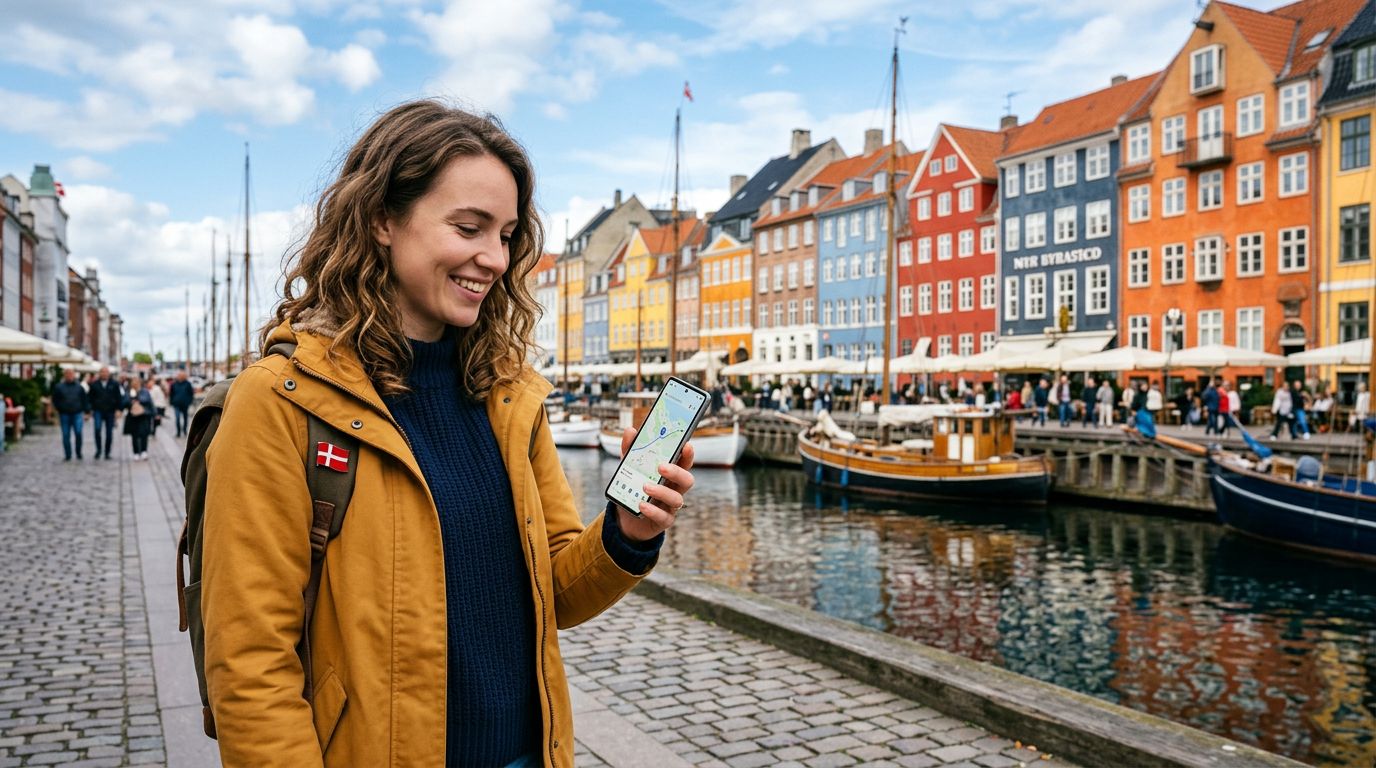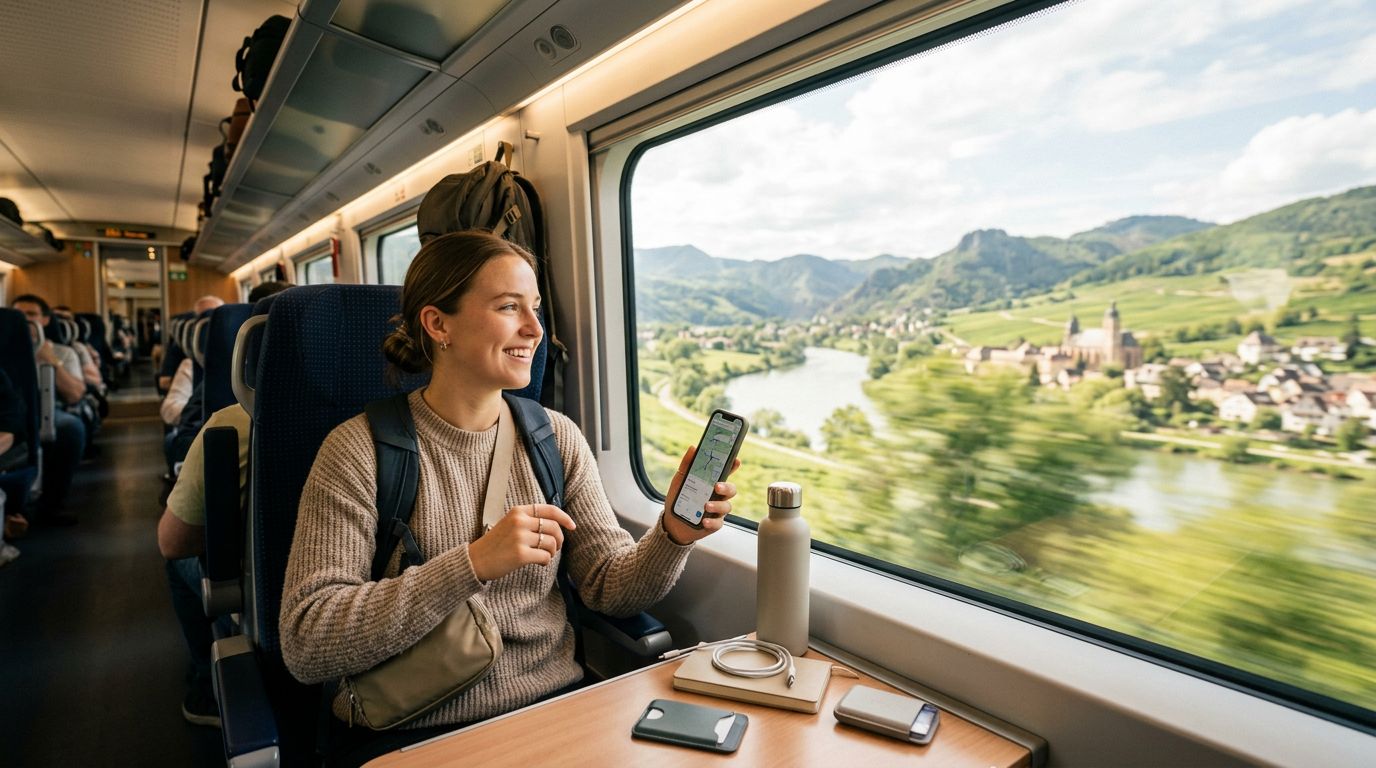
Backpacking across Europe is a rite of passage for many travelers. Whether you are navigating the cobblestone streets of Prague, catching a train through the Swiss Alps, or searching for the best tapas in Seville, the experience is transformative. However, the logistical side of travel—specifically how you manage your mobile data—can make or break your trip. Staying connected while backpacking across Europe is no longer just about convenience; it is about safety, efficiency, and being able to share your journey with those back home.
Why Connectivity Matters for Backpackers
When you are living out of a backpack, your smartphone becomes your most essential tool. It is your map, your translator, your boarding pass, and your primary means of communication. Relying solely on public Wi-Fi is a common mistake that many first-time backpackers make. While coffee shops and hostels often provide internet access, these connections are frequently unstable, insecure, or restricted by time limits.
If you are trying to catch a last-minute bus or need to translate a menu in a small village, you cannot afford to be without a reliable signal. Furthermore, having constant access to navigation apps ensures you can find your hostel safely after dark without wandering aimlessly. By securing a reliable mobile data solution before you even land, you eliminate the stress of searching for a local SIM card shop at the airport or dealing with language barriers while trying to purchase a physical card.
Digital solutions like eSIMs have revolutionized this process. Instead of hunting for a physical kiosk, you can set up your connectivity before you leave your home country. This allows you to step off the plane and immediately have a working connection, allowing you to call an rideshare app or check your train schedule without delay.
The Evolution of Travel Connectivity: Choosing eSIM Technology
For years, the standard procedure for international travelers involved buying a local SIM card in every country they visited. While this worked, it was cumbersome. You had to keep track of multiple tiny plastic cards, find stores that were open during your arrival time, and often struggle with registration processes in foreign languages.
The eSIM, or embedded SIM, has rendered these headaches obsolete. Because the technology is built directly into the hardware of modern smartphones, you can switch between different data plans digitally. This is particularly advantageous for backpackers traveling through multiple European countries. Instead of needing a new SIM card for France, another for Germany, and a third for Italy, you can utilize a regional eSIM plan that covers the entire continent.
OneTapSIM provides a seamless way to manage this connectivity. By utilizing an eSIM, you avoid the risk of losing your home SIM card, which is often a major anxiety for travelers who need to keep their original number active for banking or emergency authentication. With an eSIM, you can keep your primary SIM active for calls and texts while using the secondary eSIM slot exclusively for data. This hybrid approach ensures you remain reachable on your home number while enjoying high-speed internet access throughout your travels.
To ensure your device is ready, verify that your phone is unlocked by your home carrier. Most modern devices from major manufacturers support eSIM functionality. You can verify your device's compatibility by checking your phone’s settings menu under cellular or mobile data options. If you see an option to "Add eSIM" or "Add Cellular Plan," your device is ready to go.
Practical Strategies for Managing Data on the Road
Even with a reliable data plan, being a savvy traveler means managing your consumption wisely. Data is a finite resource, and you want to ensure it lasts throughout your entire trip. The most effective way to manage your usage is to adjust your phone’s settings before you leave.
Start by auditing your background data usage. Many apps automatically refresh or sync photos to the cloud when they detect a connection. Go into your phone’s settings and restrict background data for non-essential apps. This ensures that your precious data is reserved for navigation, translation, and communication tools.
Another pro tip is to download offline maps. Applications like Google Maps allow you to download entire regions for offline use. This is a lifesaver when you are traveling through remote areas or when you want to save battery life and data. You can navigate through cities using GPS without needing a constant data stream. Similarly, ensure that your music and podcasts are downloaded while you are on a stable Wi-Fi network at your hostel. Waiting until you are on a train to stream high-definition content will drain your data allowance rapidly.
If you are traveling with a group, coordinate your connectivity. While it might be tempting to share a single hotspot, this often leads to one person’s battery dying quickly and everyone losing connection simultaneously. It is far more reliable for each backpacker to have their own eSIM plan. This provides redundancy; if one person’s phone runs out of battery or encounters a technical issue, the rest of the group remains connected and capable of navigating.
Finally, remember to monitor your usage periodically. Many providers offer apps or portals where you can track exactly how much data you have consumed. If you find yourself running low, you can easily top up or adjust your plan without needing to visit a physical store. By taking these proactive steps, you ensure that your focus remains on the experience of backpacking through Europe rather than the technicalities of your mobile connection. Staying connected should be the background noise of your trip, not the main event. With the right tools and a bit of preparation, you can enjoy the freedom of the open road while staying plugged into the resources you need to make your journey a success.
Obtenez une eSIM pour
Des forfaits pour les destinations de ce guide, livrés instantanément par QR.