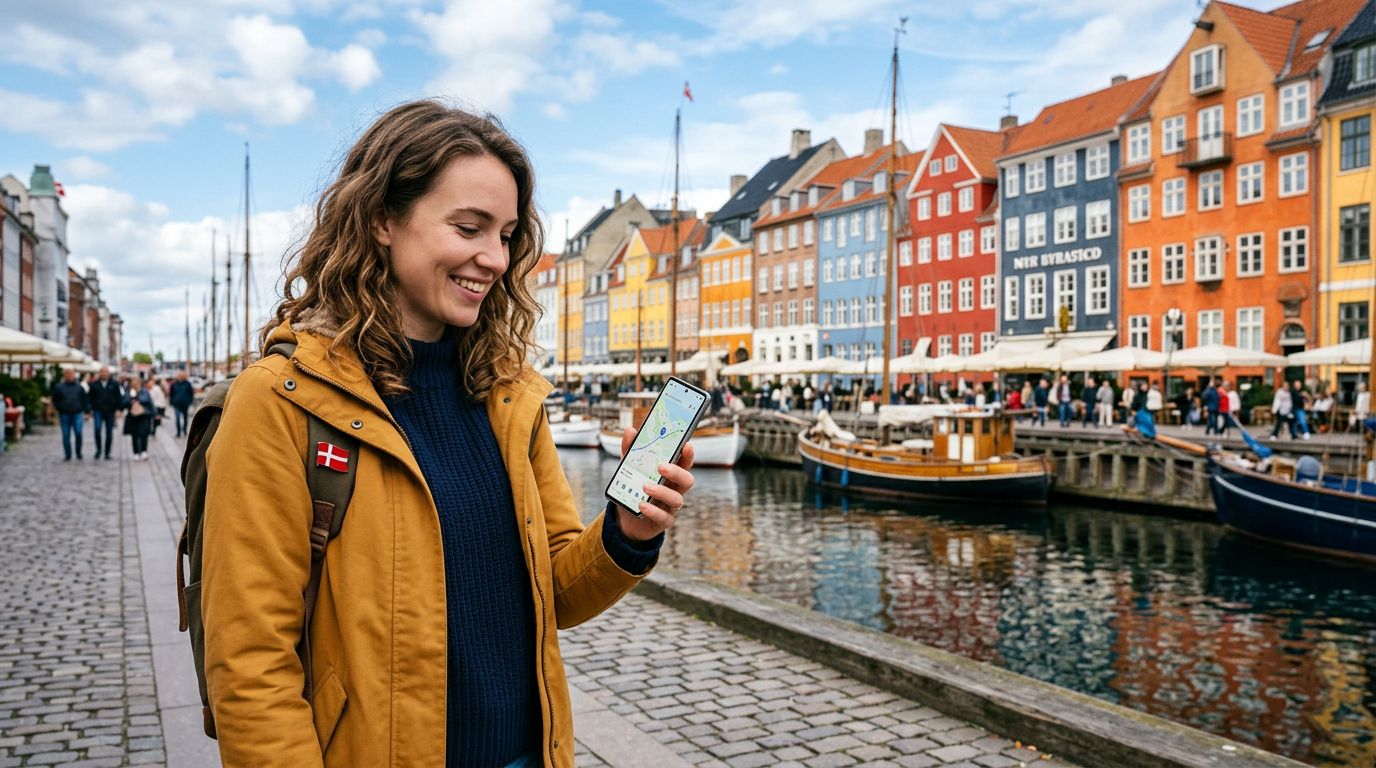
Denmark is a country defined by its seamless blend of historic charm and cutting-edge digital infrastructure. From the colorful harbor fronts of Copenhagen to the windswept beaches of Jutland, staying connected is essential for modern travel. Whether you are using GPS to find the best local bakery, translating menus, or uploading photos of the iconic Little Mermaid statue, your smartphone is your most valuable travel companion. However, without a clear strategy for managing mobile data usage in Denmark, you might find yourself facing connectivity gaps or unexpected technical hurdles.
Understanding Your Connectivity Needs in Denmark
Before you arrive in Denmark, it is helpful to assess how you typically use your phone while traveling. Many travelers assume they will only use data for maps and occasional messaging, but background processes often consume more bandwidth than expected. Applications that automatically sync photos to the cloud, push email notifications, and background location services can quickly drain your data allowance if left unchecked.
To manage your consumption effectively, start by auditing your settings before you land. On iOS devices, you can visit the settings menu to see exactly which applications are consuming the most data. On Android devices, a similar breakdown is available under the network and internet settings. By restricting background data for non-essential apps, you ensure that your limited data pool is reserved for the tools you actually need, such as navigation apps, ride-sharing services, and public transport schedules.
If you are planning to spend significant time in Denmark, relying on public Wi-Fi is rarely a sustainable solution. While Denmark has excellent public connectivity in cafes and libraries, these networks are often unencrypted and pose security risks. Furthermore, relying on public hotspots forces you to remain stationary when you might want to be exploring. Using a dedicated travel solution like OneTapSIM allows you to maintain a consistent, private connection throughout your journey, ensuring you are never tethered to a specific location just to check a train schedule.
Practical Strategies for Data Optimization
Once you have arrived in Denmark, small behavioral adjustments can significantly extend your data longevity. One of the most effective strategies is to download offline maps. Denmark’s cities are highly walkable, and having a map available without an active data connection is a lifesaver. Both major map service providers allow you to download large regions for offline use. By downloading the map of Copenhagen or Aarhus while you are still on a stable connection at your hotel, you save precious mobile data for tasks that truly require it.
Another major drain on mobile data is high-definition media streaming. While it is tempting to listen to music or watch videos during long train rides across the Danish countryside, these activities consume massive amounts of data in a short period. Instead, download your playlists, podcasts, and movies to your device while connected to a secure network before you leave your accommodation. If you must stream, adjust your settings to lower the video quality. Most streaming platforms offer a "data saver" mode that balances visual quality with consumption, which is ideal for travelers on the move.
It is also worth noting that Denmark has a highly efficient public transport system, and many apps used to navigate this system are lightweight. However, they often require a real-time connection to provide accurate arrival times. By keeping your data management settings tight, you ensure that these essential utility apps have the priority they need to function correctly. If you find yourself frequently checking your data balance, consider setting a data alert on your phone, which will notify you once you have reached a certain threshold of usage.
Leveraging Modern eSIM Technology for Seamless Travel
The most effective way to manage your data while traveling in Denmark is to move away from traditional roaming plans and embrace eSIM technology. Traditional roaming often involves unpredictable costs and the frustration of swapping physical SIM cards, which are easily lost or damaged. With an eSIM, you can install a digital profile directly onto your device. This allows you to keep your primary number active for essential calls or texts while using a secondary data-only plan for your internet needs.
OneTapSIM provides a streamlined way to manage this transition. Because the installation process is entirely digital, you can set up your Danish data plan before your plane even touches down at Kastrup Airport. This eliminates the need to hunt for a local kiosk or deal with language barriers when trying to purchase a physical card. Once you land, you simply switch your data preference to your OneTapSIM profile, and you are ready to explore.
Managing your data becomes much simpler when you have a dedicated plan that is separate from your home service. You can monitor your usage directly through your phone’s settings, ensuring you always know exactly how much data you have remaining. This transparency removes the anxiety associated with "surprise" roaming charges or sudden service cutoffs. Whether you are cycling through the streets of Copenhagen or exploring the historic sites of Odense, having a reliable, pre-managed data plan allows you to focus on the experience rather than the logistics of your connection.
By combining proactive settings management, offline preparation, and the convenience of modern eSIM solutions, you can enjoy all that Denmark has to offer without worrying about your digital footprint. Staying connected should be a tool that enhances your journey, not a source of stress. With the right preparation, your smartphone will remain a helpful guide, ensuring you stay on track, on schedule, and fully immersed in the Danish experience.
Obtenez une eSIM pour
Des forfaits pour les destinations de ce guide, livrés instantanément par QR.